

Antique Brass Finial
An antique brass finial crowns clocks, beds, and fire furniture with the sharp gleam of cast and turned metal.
Antique Brass Finial
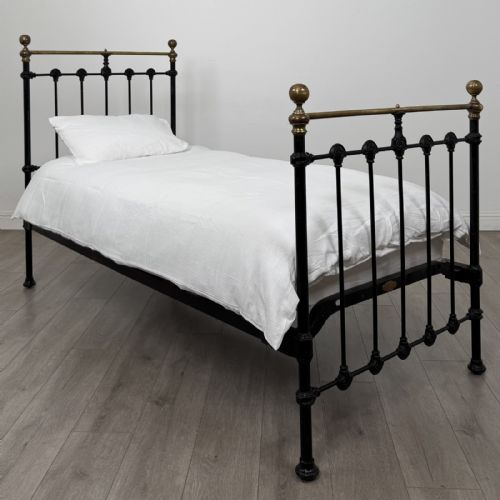
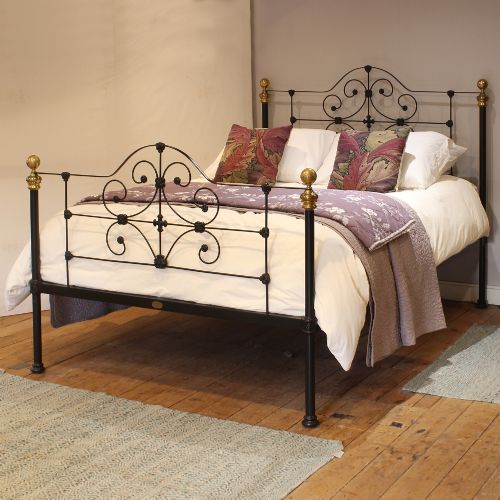
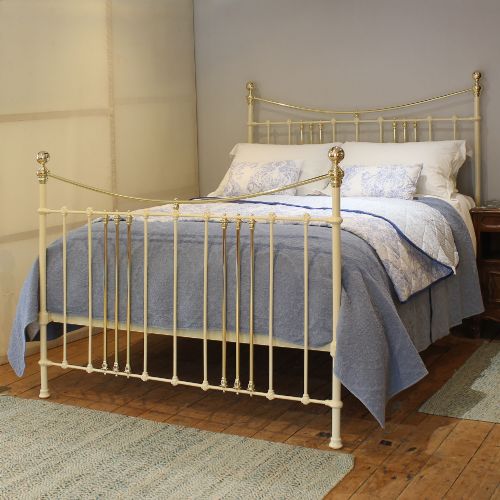
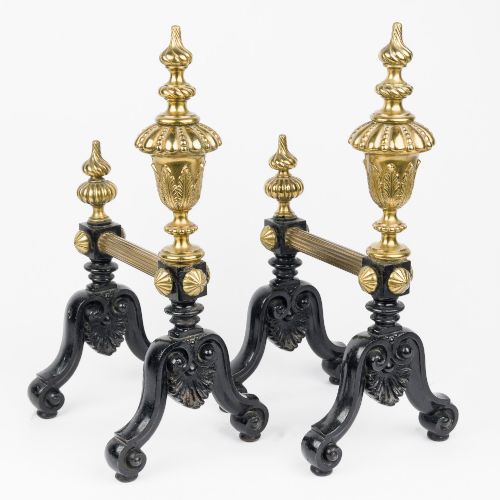
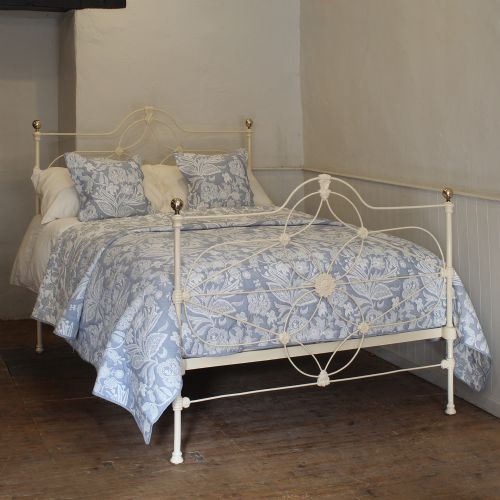
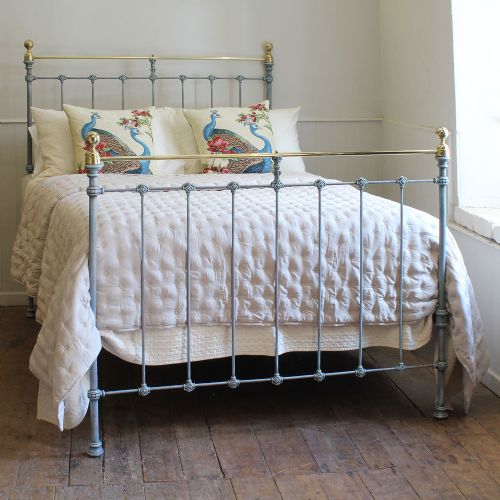
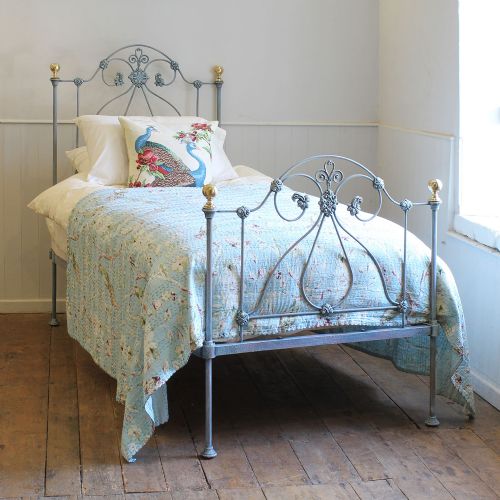
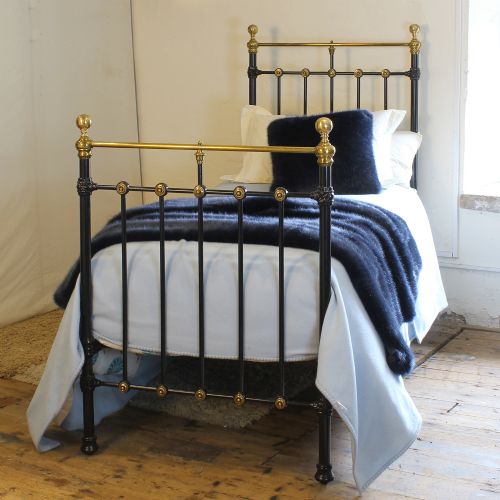
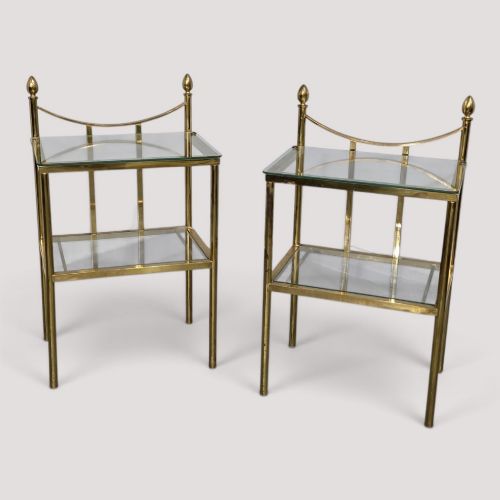
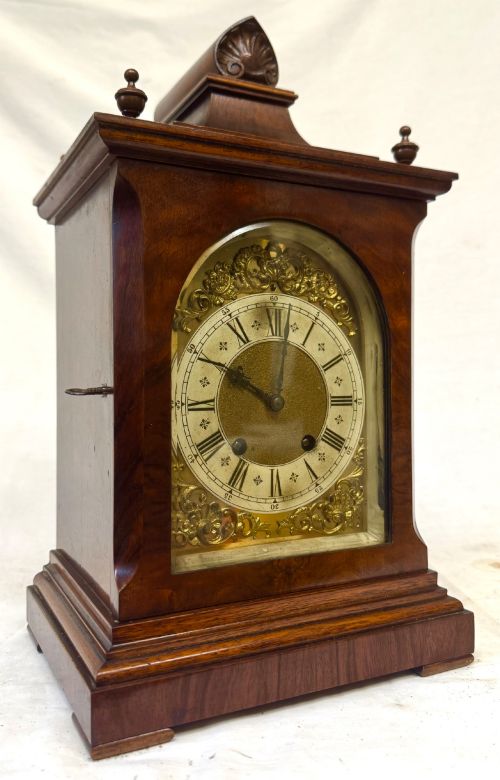
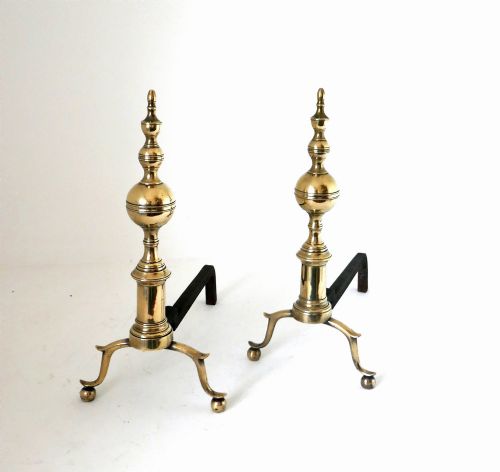
When you search for an antique brass finial, you encounter small decorative terminations that cap clocks, furniture, and fireplace accessories from the eighteenth, nineteenth, and early twentieth centuries. These pieces appear on longcase clocks, iron bedsteads, and andirons, functioning as both structural screw-caps and ornamental accents.
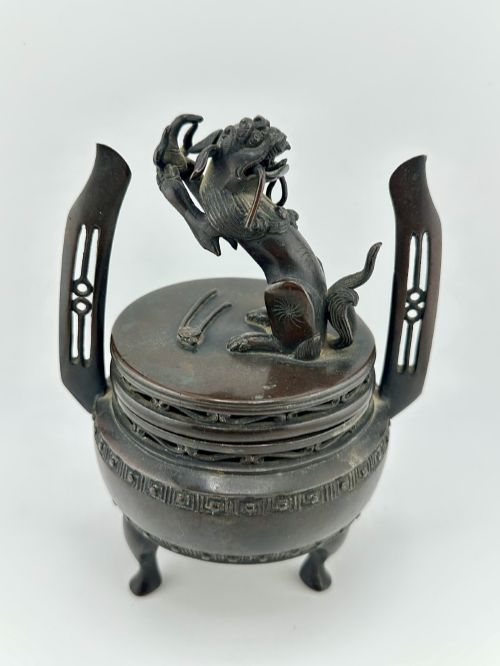
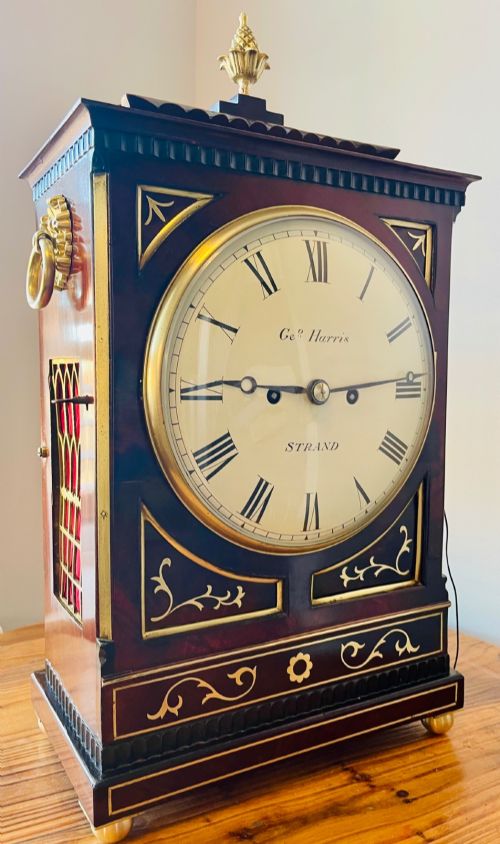
The versions most likely to meet you on this page belong to Victorian and Georgian furnishings, particularly bracket clocks, fire grates, and metal beds adorned with ball or animal motifs. They also surface on smaller objects like page markers and companion sets, reflecting the domestic metalwork of the period.
Makers integrated them into diverse styles ranging from Gothic Revival to Neo-Classical, ensuring the brass elements matched the gravity of the main piece. Whether mounted on a mahogany clock case or an iron fire tool, each finial completes the silhouette intended by the maker.
How they were made
Makers utilised brass casting and turning techniques to shape these metal terminals, often combining the alloy with iron, glass, or mahogany depending on the host object. Cast brass components provided crisp detail for animal figures and decorative balls, while turned elements displayed concentric ridges from the lathe.
Foundry workers poured molten metal into sand moulds for complex shapes, later finishing the surfaces by hand with files and polish to achieve a bright finish. On beds and clocks, threaded spigots or pins secured the finials firmly to wooden cases or metal frames.
Listings feature brass combined with mahogany, cast iron, glass, and enamel across the Victorian, Georgian, and Regency periods.
What varies in quality
The standard of a piece rests upon the crispness of the casting and the depth of hand-finishing applied to the metal surfaces. Superior examples display sharp relief on cast motifs and precise turning lines without smoothing or pitting from poor foundry work.
Proportion dictates visual success, where the scale of the terminal complements the mass of the clock or bedstead it anchors. Original matching pairs demonstrate a uniformity in weight and colour that separates them from later replacements.
William Soutter And Sons·Wilson And Gill·Thomas Jackson·R W Winfield
The Antique Brass Finial Glossary
- Finial
- A decorative terminal ornament fixed to the peak of a roof, piece of furniture, or clock case. It provides a visual cap to vertical structures.
- Andiron
- A horizontal metal support used in pairs inside a fireplace to hold logs above the hearth. They frequently incorporate decorative brass terminals.
- Fusee
- A conical pulley used in clock movements to maintain equal driving power as the mainspring unwinds. Many bracket clocks featuring brass terminals rely on this mechanism.
- Longcase clock
- A tall pendulum clock enclosed in a wooden case, commonly known as a grandfather clock. Their hoods often feature prominent brass terminals on top.
- Bracket clock
- A portable spring-driven clock designed to sit on a bracket or table. These enclosures regularly display brass handle mounts and finials.
Antique Brass Finial: Frequently Asked Questions
What objects carry these finials?
These decorative terminals appear most frequently on tall case clocks, mantel clocks, iron bedsteads, and heavy fireplace andirons.
They also turn up on smaller accessories such as desk tools, companion sets, and wooden furniture items.
How do I date an antique brass finial?
Dating relies on the style of the base object and the manufacturing methods visible in the metalwork, such as sand-casting textures or lathe marks.
Comparing the design motifs against established periods like the Georgian or Victorian eras helps narrow down the decade of production.
Are these terminals removable?
Many examples screw directly into threaded posts on clock hoods or furniture tops for easy transport and maintenance.
Others are cast as an integral part of a larger metal assembly, such as a fire dog or an iron bedstead.
How should I clean antique brass?
Gentle dusting with a soft cloth preserves the historic surface without stripping away the aged patina accumulated over centuries.
Harsh chemical polishes should be avoided to protect the original metallic tones and surface wear.