
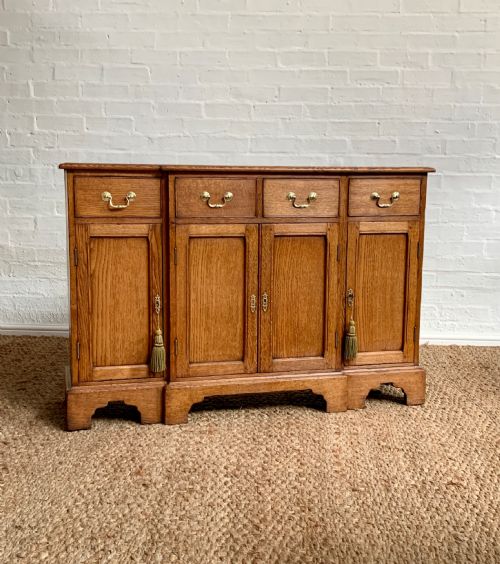
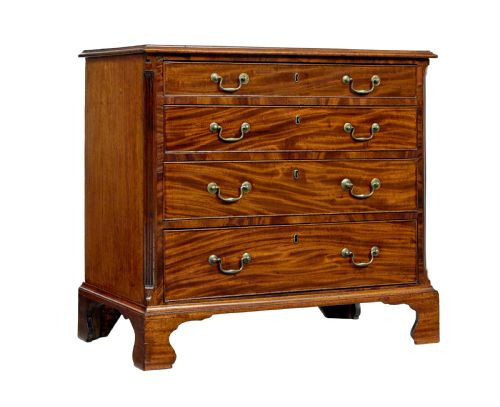
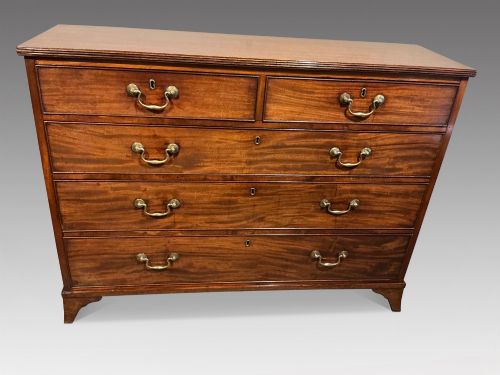
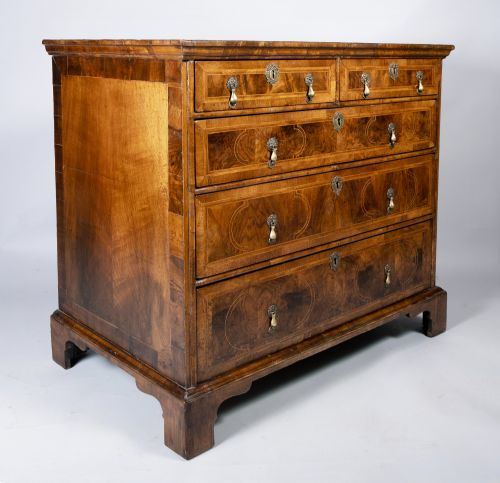


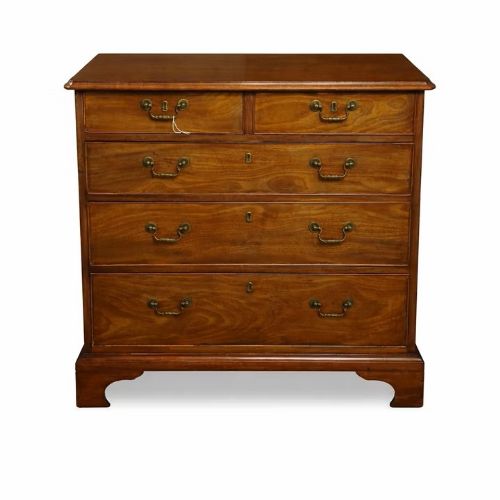

Antique Brass Feet Cabinet
An antique brass feet cabinet provides practical storage while resting upon distinct metallic supports that anchor its timber form.
Antique Brass Feet Cabinet
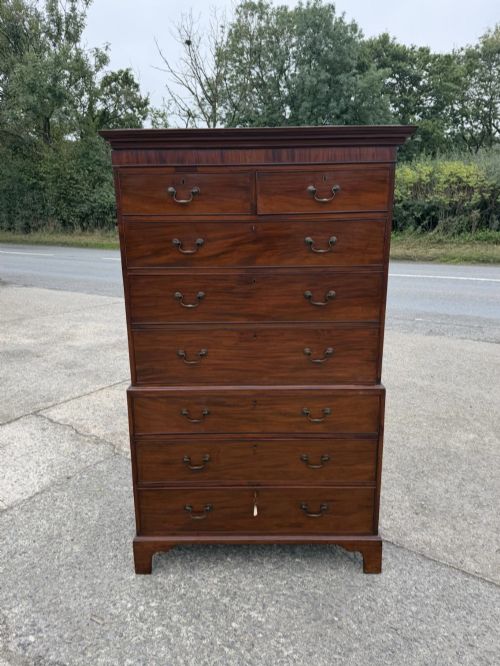
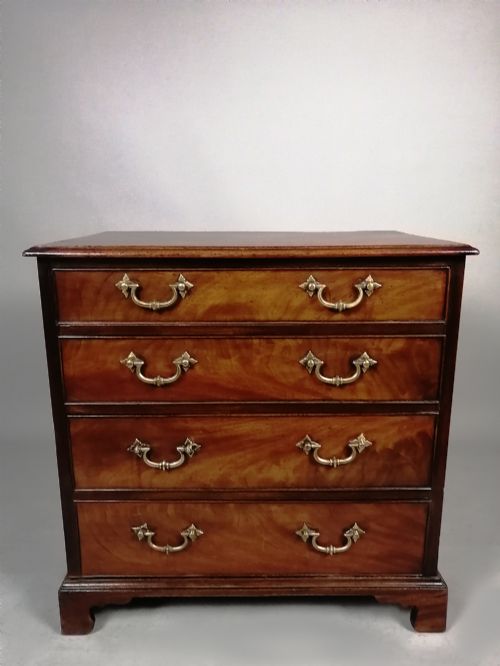
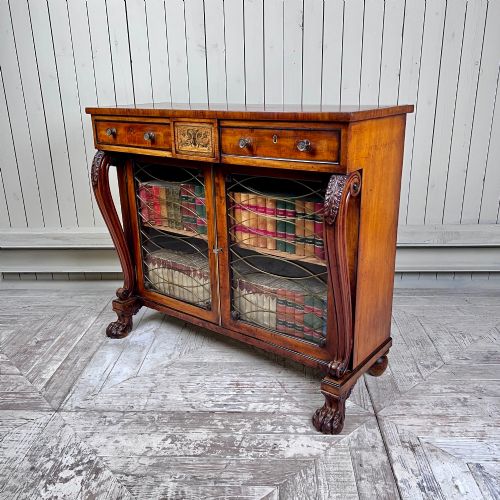
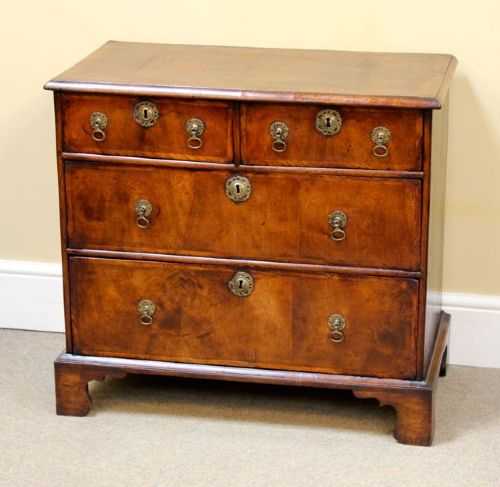
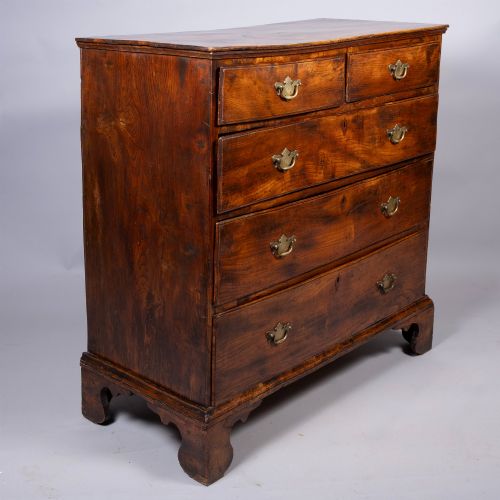
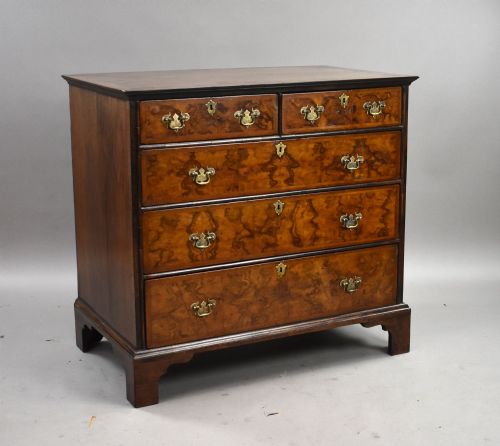
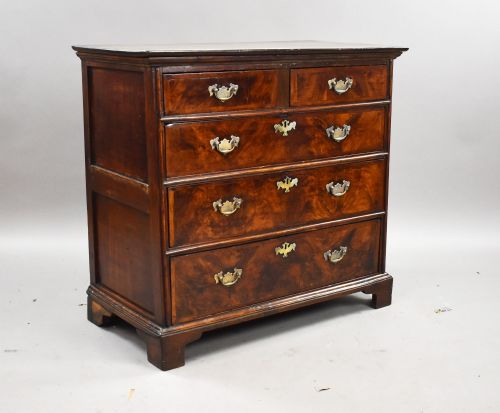
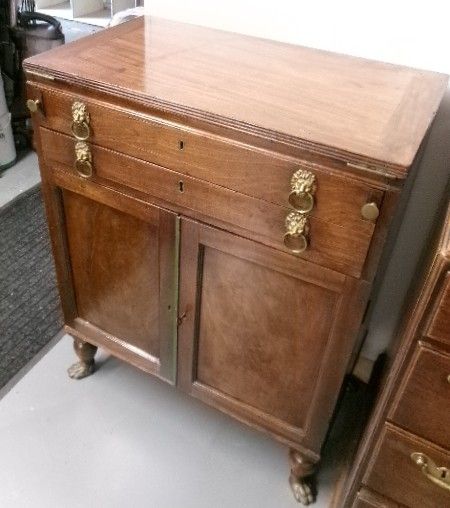
When searching for an antique brass feet cabinet, buyers encounter a variety of timber storage furniture elevated by metallic terminals. The selection spans distinct periods including the eighteenth century, Georgian, Regency, and Victorian eras, alongside seventeenth century styles. Forms vary considerably from traditional chests of drawers and hall chests to chiffonier bookcases, side cabinets, writing desks, and bedside tables.
The most common iterations on this page are mahogany, walnut, and oak chests of drawers dating from the Georgian and Regency periods. Pieces often feature specialised forms such as narrow splayed foot chests, bow-front designs, and pedestal cabinets. Walnut and mahogany predominate, frequently displaying figured grains or inlaid details.
Materials and construction methods
Cabinet makers utilised dense hardwoods such as mahogany, oak, walnut, elm, and yew wood as the primary structural elements. Burr walnut and figured elm veneers were applied to create decorative surfaces, sometimes accented with ebony stringing or brass inlay. Brass served a dual purpose as structural feet, paw mounts, and operational hardware including original brasses and handles.
Construction relied on traditional joinery techniques suited to each period, from seventeenth century style oak framing to sophisticated Regency pen-work and cabinet making. Timber selection was matched to the form, whether constructing a sturdy oak dresser base or a refined mahogany writing desk with brass paw feet.
Several cabinets include hidden compartments designed for secret correspondence.
Distinctions in quality and execution
The standard of a piece depends on the crispness of the timber carving, the selection of figured veneers such as burr walnut, and the integrity of the brass mounts. Superior examples retain original brass feet, handles, and backplates rather than later replacements. The subtlety of inlay work, such as ebony stringing on Regency cabinets, marks the distinction between standard utilitarian items and masterwork production.
Proportion and scale dictate the desirability of forms, particularly in smaller proportions or narrow configurations. The integration of functional elements like brushing slides, fitted writing compartments, and original ogee feet elevates the execution of the design.
William Gomm
The Antique Brass Feet Cabinet Glossary
- Chiffonier
- A low sideboard or cabinet featuring shelves or a superstructure, popular during the Regency period. It often includes enclosed lower storage behind panelled doors.
- Brushing slide
- A pull-out shelf integrated above the top drawer of a chest, used originally for dusting or writing. It sits flush with the cabinet frame when closed.
- Paw feet
- Carved or cast metal feet shaped to resemble animal paws, frequently executed in brass to support Regency and Georgian desks or cabinets.
- Ogee feet
- An S-shaped bracket foot moulding that lifts the base of a cabinet off the floor, common on eighteenth century case furniture.
- Cellarette
- A dedicated lockable container or cabinet designed to hold wine bottles, often fitted with interior partitions and standing upon feet.
Antique Brass Feet Cabinet: Frequently Asked Questions
What periods do these cabinets date from?
The pieces span from the late seventeenth century through the Georgian and Regency eras into the Victorian and Edwardian periods. Most examples originate from the eighteenth and early nineteenth centuries.
Craftsmanship and timber choices reflect the prevailing aesthetic of each specific era, ranging from dark oak styles to figured mahogany and burr walnut.
How do I identify a Regency cabinet?
Regency pieces often display classical architectural influences, dark timber veneers like mahogany, and precise brass inlays or paw feet. They encompass varied forms including chiffoniers, pedestal cabinets, and bookcases.
The inclusion of brass mounts and ebonised details is characteristic of this nineteenth century design vocabulary.
Are the brass feet original to the furniture?
Many pieces retain their original cast brass feet, paw mounts, or ogee supports, which were fitted during the initial construction. Inspection reveals how the metal integrates structurally with the timber base.
Original hardware and feet contribute significantly to the historical integrity of the cabinet.
What timbers were used for these cabinets?
Cabinet makers utilised native and imported hardwoods including mahogany, oak, walnut, burr walnut, elm, and yew wood. Decorative veneers were frequently selected for their striking grain patterns.
Contrasting woods such as ebony were occasionally employed for stringing and inlay work.