


Antique Brass Column Cabinet
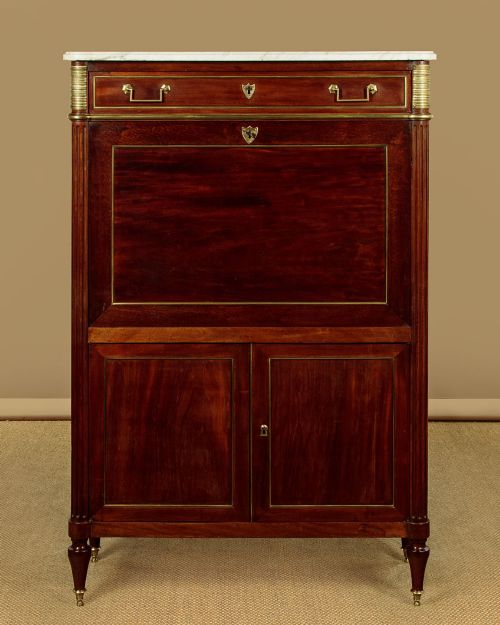
An antique brass column cabinet brings architectural dignity to a room, offering refined storage through classical proportions and metallic detailing.
Antique Brass Column Cabinet
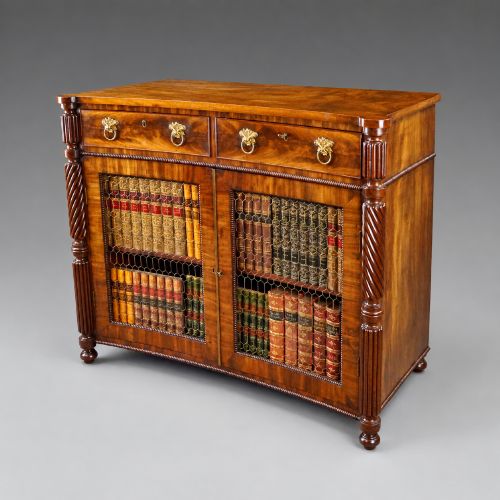
An antique brass column cabinet typically presents as a bookcase, chiffonier, side cabinet, or credenza incorporating columnar supports and metallic mounts. These pieces draw upon Georgian, Regency, William IV, Victorian, and Empire styles, reflecting classical architectural influences across the eighteenth and nineteenth centuries.
The form frequently emerges in mahogany, rosewood, oak, and walnut, often elevated by glass panels or marble tops. Buyers encounter side cabinets and bookcases that integrate brass columns or pilasters alongside fabric linings, leather details, and parcel gilt highlights.
Originating largely from nineteenth-century workshops, these cabinets serve functional display and storage roles in contemporary interiors. The selection spans compact side pieces to large breakfront bookcases, uniting substantial timber construction with classical brass ornamentation.
Distinguishing quality in construction and material
The refinement of an antique brass column cabinet rests upon the selection of timber veneers and the precision of the brass components. Finely cast capitals and heavy mounts indicate greater workshop investment than pressed sheet metal alternatives.
Structural integrity reveals itself in the joinery of the carcase and the smooth operation of doors and drawers. Superior examples maintain balanced proportions between the timber body and the architectural brass details, avoiding heavy-handed or disproportionate additions.
Several Regency cabinets hide clever leather dummy books among their shelves, offering secret storage behind rows of faux bindings.
Gillows
The Antique Brass Column Cabinet Glossary
- Chiffonier
- A low cabinet featuring shelving or enclosed storage, commonly surmounted by a raised superstructure or mirrored back. This form gained popularity during the Regency and Victorian periods.
- Vitrine
- A glass-fronted display cabinet designed to exhibit porcelain, books, or decorative objects. The construction protects contents while maximising visibility from multiple angles.
- Parcel gilt
- The practice of applying thin gold leaf or gilt paint to specific carved or architectural details on a wooden object. This technique highlights particular mouldings against a dark timber background.
- Credenza
- A sideboard or low cabinet lacking legs, sitting directly on a plinth or base. It frequently incorporates panelled doors and decorative mounts suited to formal reception rooms.
Antique Brass Column Cabinet: Frequently Asked Questions
What rooms suit an antique brass column cabinet?
These cabinets suit libraries, studies, and drawing rooms where their architectural presence complements traditional or eclectic interiors. Their height and depth determine whether they function best as freestanding display units or low sideboards against a principal wall.
Positioning them away from direct heat sources protects the timber veneers and prevents the brass mounts from loosening over time. They provide practical storage for books, glassware, and tableware while establishing a distinct period focal point.
How do I care for mahogany and rosewood surfaces?
Maintenance involves dusting with a soft, dry cloth and applying traditional beeswax sparingly to nourish the timber grain. Avoid modern silicones and liquid polishes, which can build up a residue and dull the natural patina over decades of use.
Brass elements respond well to gentle cleaning with a dry microfiber cloth to remove surface dust without abrasive compounds. Keeping the timber away from direct sunlight prevents fading and preserves the depth of colour in figured veneers.
How can I tell a Regency cabinet from a Victorian one?
Regency pieces often display restrained classical restraint, drawing directly on Neoclassical and Empire design vocabularies with crisp brass inlays and column mounts. The timbers selected tend toward rich mahogany, rosewood, and exotic hardwoods with minimal surface carving.
Victorian cabinets generally exhibit heavier proportions, bolder mouldings, and a wider variety of mixed woods such as burr walnut and amboyna. Architectural details became more exuberant during the mid-nineteenth century, reflecting shifting tastes in domestic interior decoration.
Were marble tops common on these cabinets?
Marble tops appear frequently on chiffoniers and side cabinets dating from the nineteenth century, providing a durable and cool surface for serving or display. White, grey, and veined marble slabs were cut to fit the exact profile of the timber carcase below.
This material combination added weight and stability to lower cabinets while introducing contrasting textures to the polished wood and brass columns. Cleaning requires mild, non-acidic solutions to protect the polished stone surface from etching.