


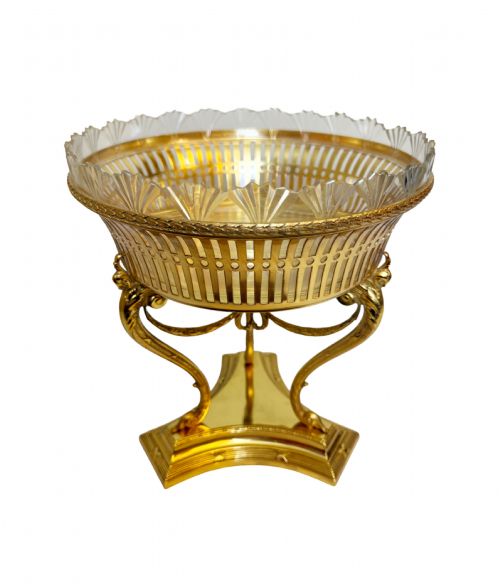
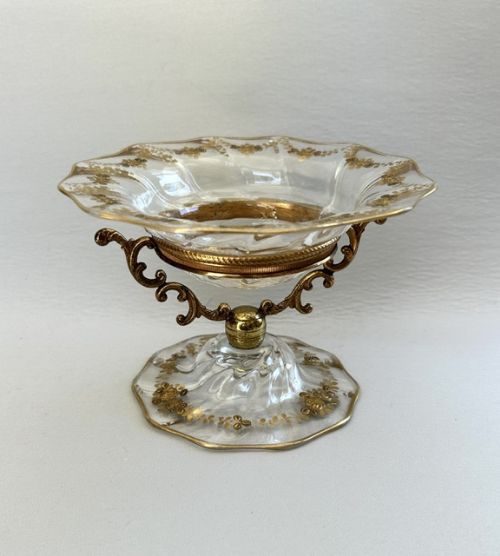

Antique Brass Centerpiece
An antique brass centerpiece commands the middle of a dining table or sideboard with weight, warmth and functional theatre.
Antique Brass Centerpiece
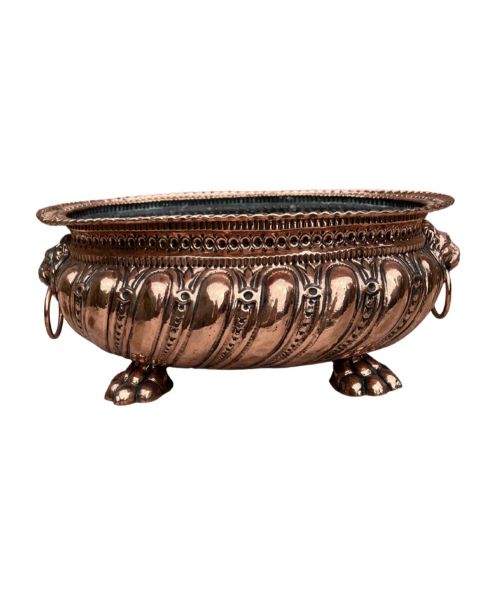
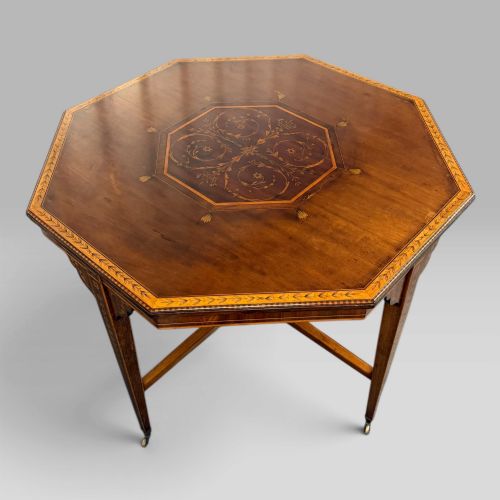
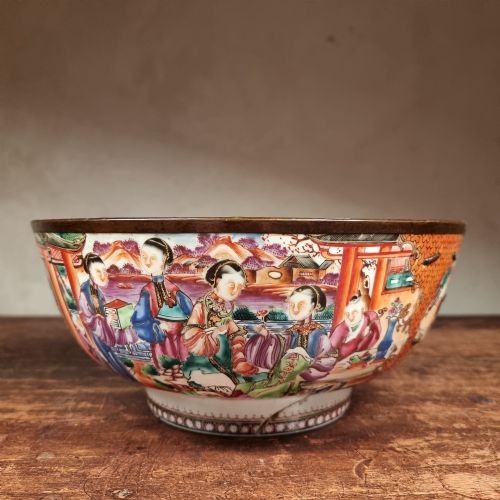
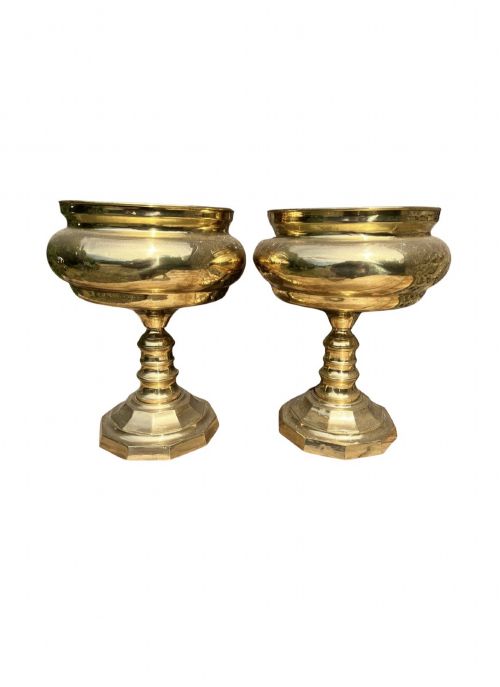
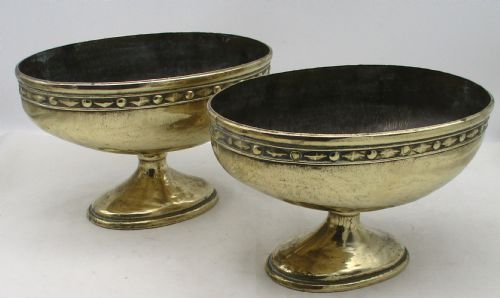
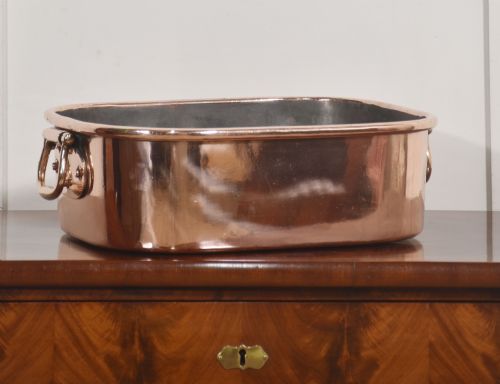
When searching for an antique brass centerpiece, buyers encounter a diverse array of nineteenth-century decorative vessels, tazzas, pedestal bowls and candelabra stands designed to anchor a room or table setting. These items originate from British, French and Asian workshops, spanning periods from Regency and Victorian to Meiji and Qing dynasties.
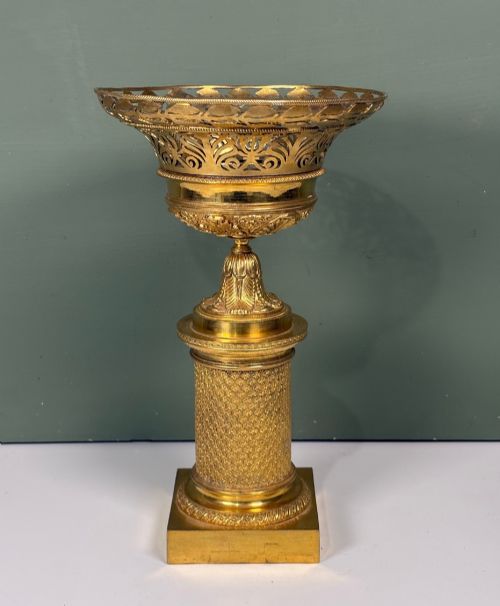
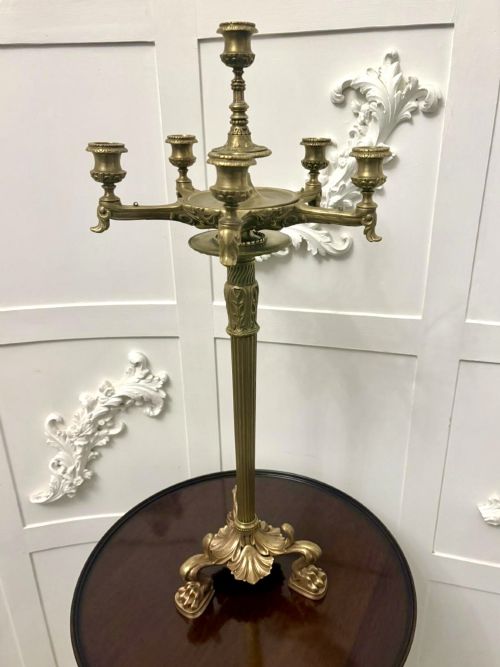
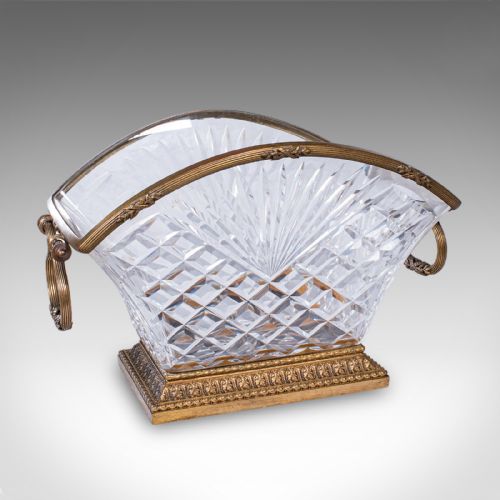
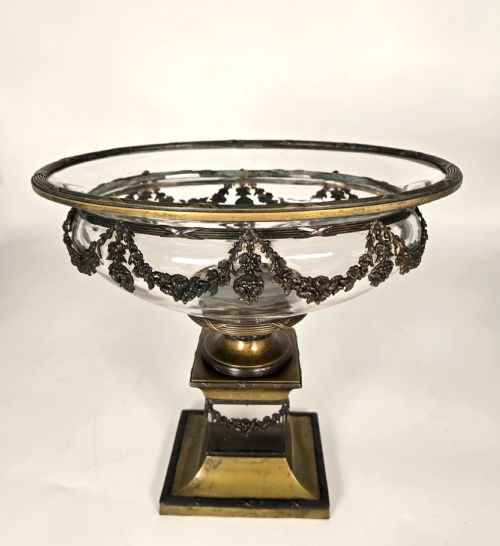
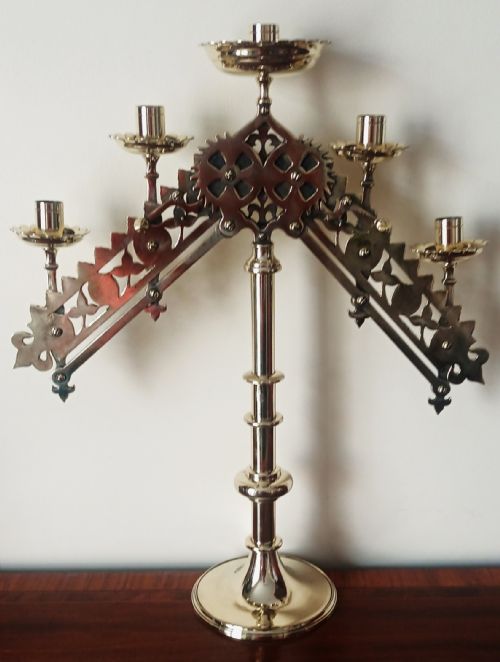
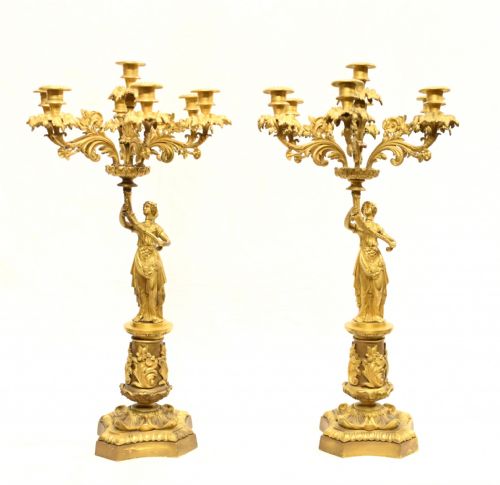
The most common forms on this page include heavy cast brass and ormolu bowls, sometimes mounted with cut glass inserts or crystal vessels, alongside multi-light candelabra pairs and lidded urns. They function primarily as decorative table displays, fruit dishes or lighting stands that reflect candlelight across polished surfaces.
How they were made
Makers utilised traditional casting techniques in brass, bronze and ormolu, often finishing the metal with fire gilding or surface chasing to create crisp relief details. Many pieces combine cast metal frames with delicate secondary materials, slotting cut glass bowls, crystal inserts or porcelain birds securely into metal mounts.
Artisans also incorporated cloisonne enamel work on copper or bronze cores, firing coloured glass pastes within wire partitions to achieve patterned bowl interiors. For lighting wares, workshops constructed articulated arms and threaded components that allowed candelabra branches to adjust or dismantle for cleaning.
Antique Brass Centerpiece Retail Price Guide 2026
Typical asking prices for brass centerpiece among the pieces listed under this phrase on Sellingantiques today, from the lower quarter to the upper quarter. They describe what is for sale here now, not the wider market.
Listings feature items from the 18th, 19th and early 20th centuries, utilising brass, gilt bronze, ormolu, copper, porcelain, glass and cloisonne enamel.
What varies in quality
The distinction between ordinary and superior pieces rests upon the crispness of the metal casting and the depth of the chasing work applied to handles, feet and mounts. Finer examples retain meticulous hand-finishing that sharpens acanthus leaves, mascarons and floral motifs, whereas lesser items display softened edges from worn moulds.
Material integration also dictates quality, particularly in mixed-media items where heavy gilt bronze or ormolu mounts must fit seamlessly against thick-walled cut glass inserts, porcelain figures or cloisonne bowls without gaps or loose pins.
The Antique Brass Centerpiece Glossary
- Ormolu
- A gilded bronze technique involving mercury amalgamation on a bronze base, producing a warm, durable golden finish common on French table wares.
- Tazza
- A shallow bowl or dish raised on a high foot or pedestal, frequently utilised for serving fruit or displaying decorative objects on a dining table.
- Cloisonne
- An enamelling technique where metal wires form small compartments on a copper or bronze body to hold coloured glass paste before firing.
- Candelabra
- A branched candlestick holder designed to support multiple candles simultaneously from a central vertical stem.
- Monteith
- A type of scalloped bowl with a notched rim historically used for chilling wine glasses by their stems.
Antique Brass Centerpiece: Frequently Asked Questions
What is an antique brass centerpiece used for?
These pieces serve as decorative focal points on dining tables, sideboards or entrance halls, traditionally holding fruit, flowers or floating candles during formal dinners.
Over time, their decorative utility has shifted toward standalone display objects that bring metallic warmth and period character to interior spaces.
How do you clean an antique brass centerpiece?
Maintenance requires gentle dusting with a soft, dry cloth to protect the underlying metal surface and any applied gilding or lacquer layers.
Harsh chemical polishes or abrasive pads should be avoided entirely, as they strip away historical patination and damage delicate gilt bronze or ormolu finishes.
Were these centerpieces made to hold candles or fruit?
Workshops manufactured these items for both functions, producing pedestal bowls and tazzas for fruit and dining displays alongside multi-light candelabra stands for illumination.
Many surviving nineteenth-century designs combine glass or crystal inserts with metal stands, allowing a single vessel to serve alternative purposes.