



Antique Brass Canterbury
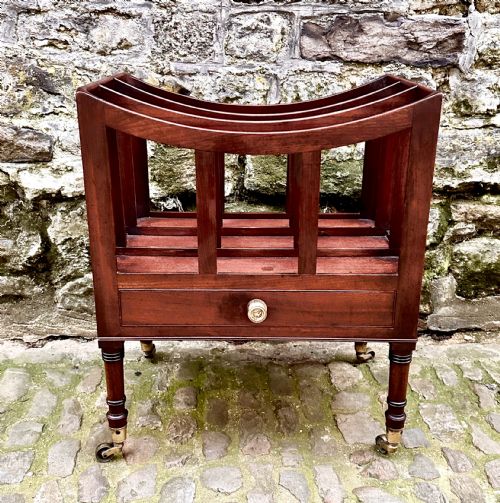
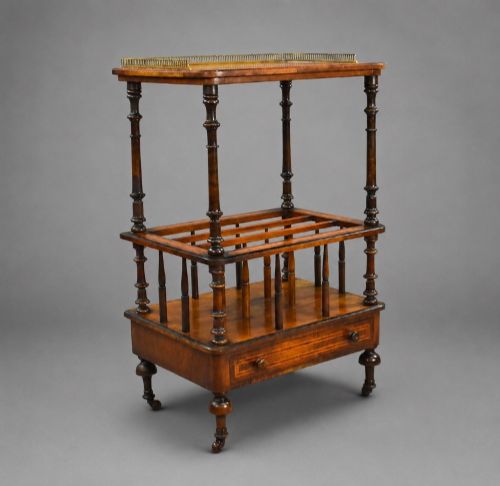
These antique brass canterbury pieces are versatile side furniture pieces that bring functional storage and period charm to any room.
Antique Brass Canterbury
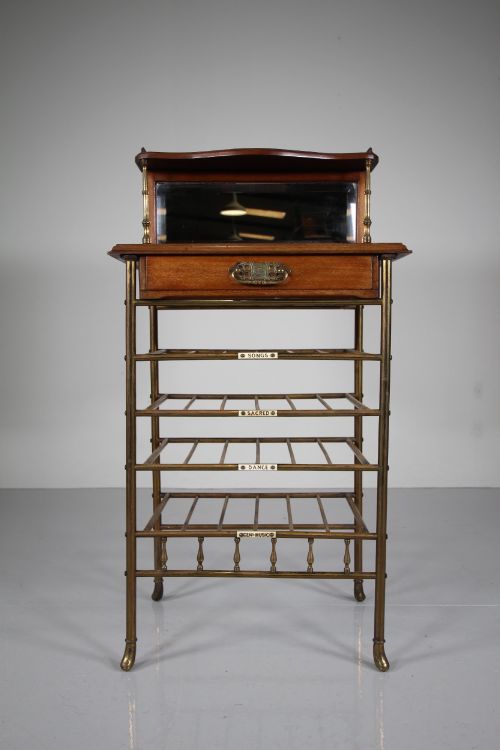
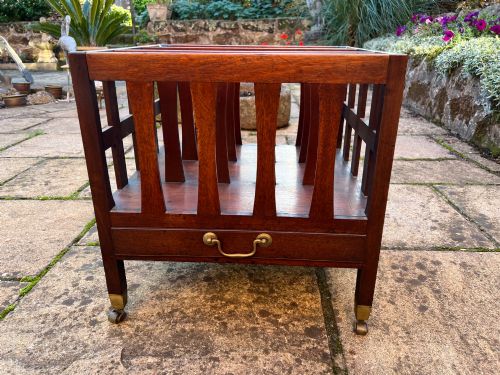
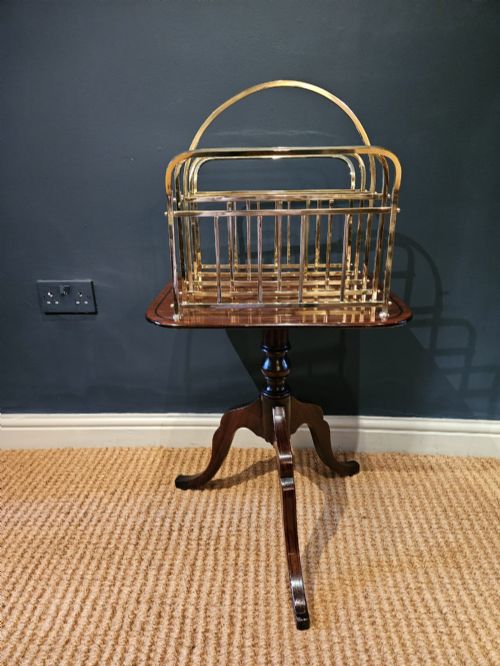
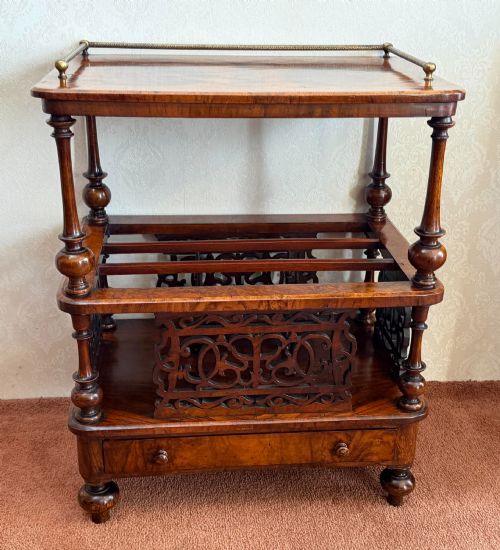
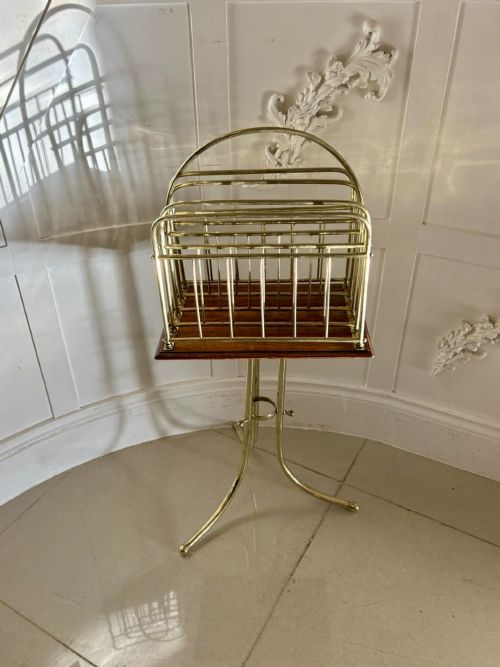
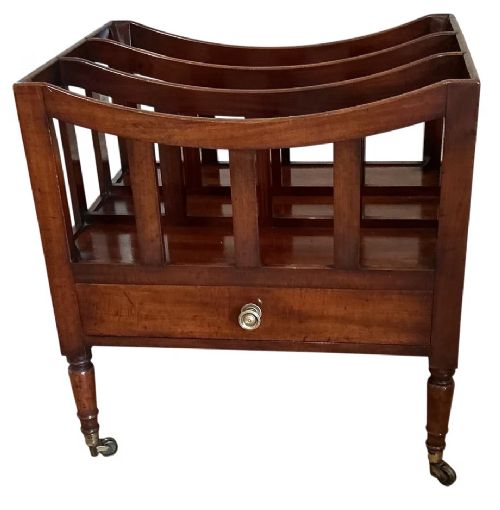
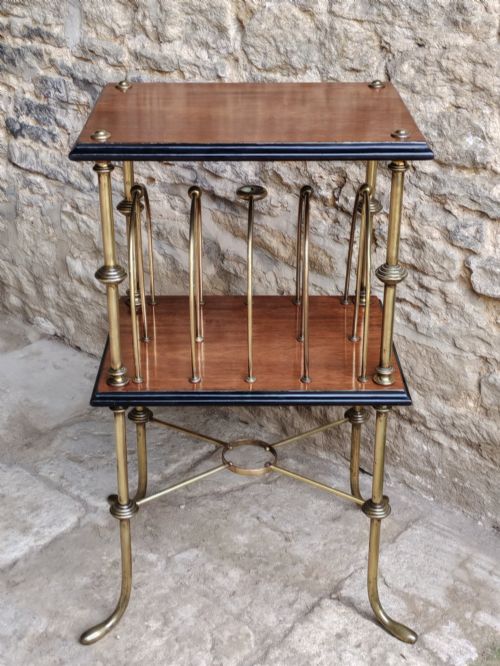
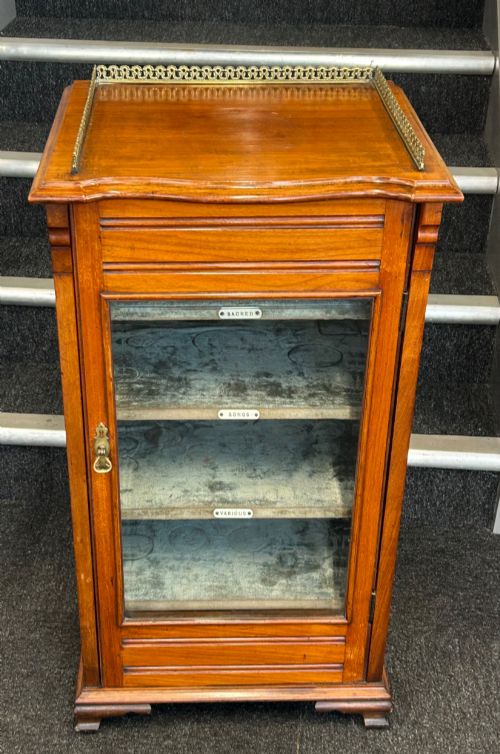
An antique brass canterbury serves as a practical holder for magazines, music sheets, or books, often combining timber frames with metal framework or galleries. The pieces found here span the Regency, Victorian, and Edwardian periods, including forms such as revolving stands, magazine tables, and bookcases.
How They Were Made
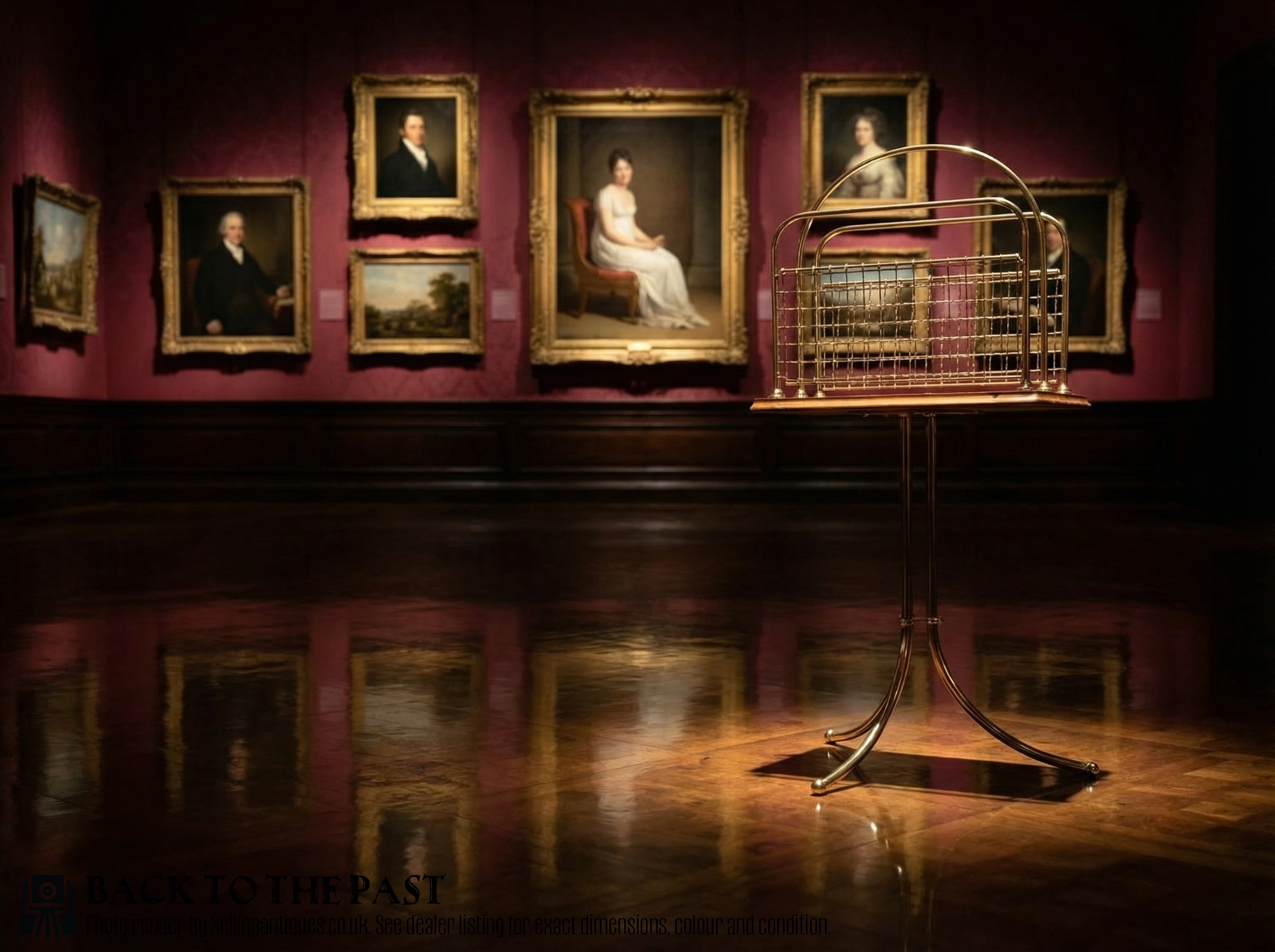
Construction relies on solid hardwoods such as mahogany and oak, paired with cast or worked brass components. Metal elements form structural frames, revolving mechanisms, or protective galleries that secure the contents.
Joinery methods reflect the late Georgian through to the early twentieth century, integrating turned wooden supports with fitted brass hardware and occasional wire mesh panels.
Antique Brass Canterbury Retail Price Guide 2026
Typical asking prices for brass canterbury among the pieces listed under this phrase on Sellingantiques today, from the lower quarter to the upper quarter. They describe what is for sale here now, not the wider market.
Listings span multiple eras from Regency to Edwardian, combining brass with oak, mahogany, and wire mesh.
What Varies in Quality
Quality rests in the heaviness of the brass components and the selection of timber, where dense mahogany or figured oak elevates the piece. Smooth movement in revolving stands and crisp casting in the brass framework separate standard examples from finer ones.
The integration of materials also defines the tier, with integrated galleries and original linings demonstrating thoughtful craftsmanship over simpler utilitarian builds.
The Antique Brass Canterbury Glossary
- Gallery
- A raised ornamental border or railing, often cast in brass, running along the edge of a table top or shelf to prevent items from sliding off.
- Revolving
- A descriptor for stands or bookcases built upon a central pivot mechanism, allowing the entire body to turn smoothly for easy access.
- Mahogany
- A durable, reddish-brown tropical hardwood favoured during the Regency and Victorian periods for its rich grain and stability.
Antique Brass Canterbury: Frequently Asked Questions
What is an antique brass canterbury used for?
These pieces were originally designed to hold sheet music or folios near a piano or seating area. Today, they serve equally well for holding current magazines, books, or daily newspapers.
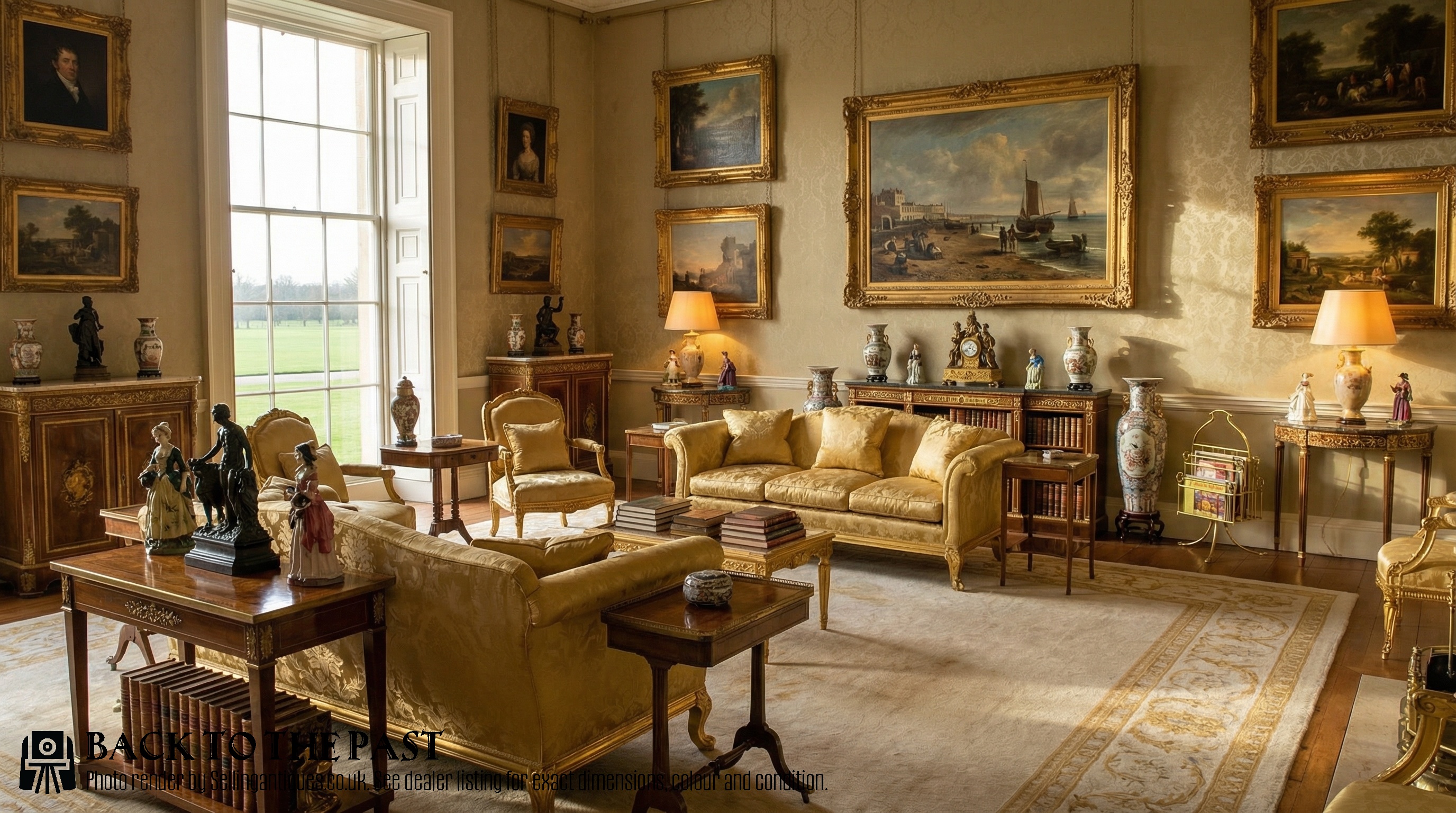
Their compact footprints make them useful beside armchairs or sofas as both a storage solution and an occasional table surface.
How do I identify a Victorian canterbury?
Victorian examples often feature darker timbers like oak or walnut, sometimes paired with robust brass galleries or revolving mechanisms. The construction tends to be heavier than earlier Regency pieces.
Look for period-appropriate joinery and material combinations such as wire mesh and brass to help anchor the date.
Are revolving stands difficult to maintain?
Revolving stands rely on internal wooden or metal pivots that generally require little intervention beyond gentle cleaning. Keeping the mechanism free from dust ensures smooth rotation.
Avoid applying heavy modern lubricants unless the movement becomes stiff, as natural wear is part of their mechanical history.
Can I mix these with modern furniture?
The contrast between warm brass and traditional woods like mahogany or oak allows these pieces to anchor modern spaces with textural depth. Their practical proportions suit corners or empty wall spaces alongside contemporary seating.
Using a period piece as an occasional table introduces both utility and character to a room.