
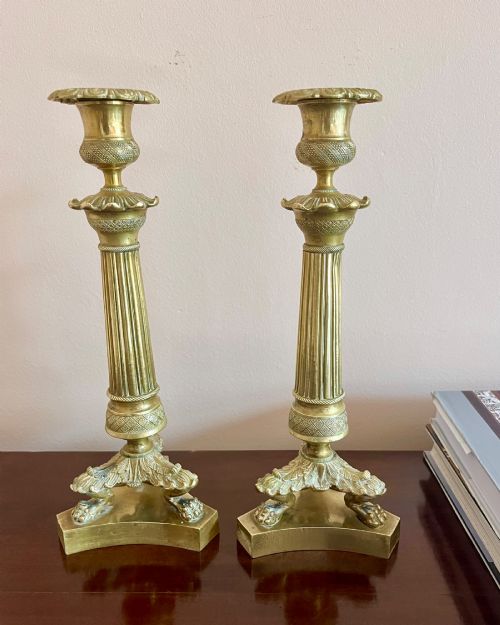
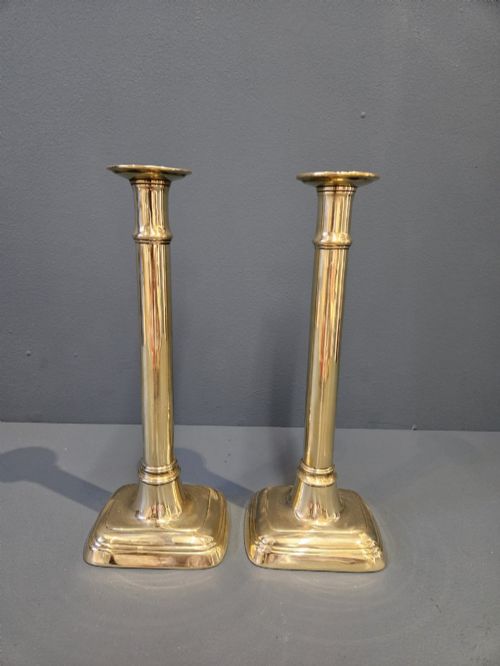

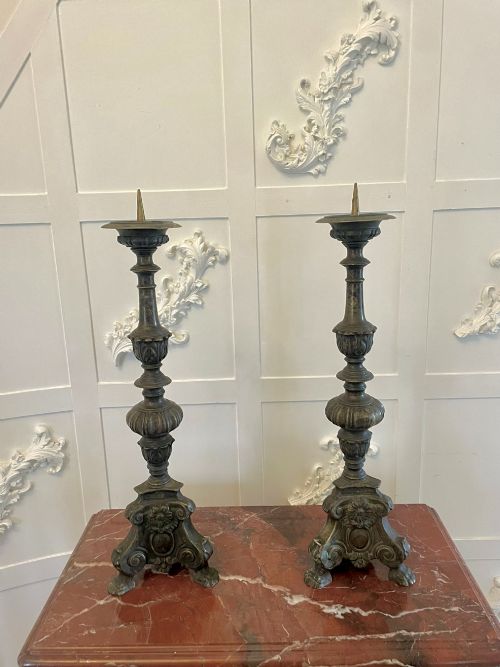
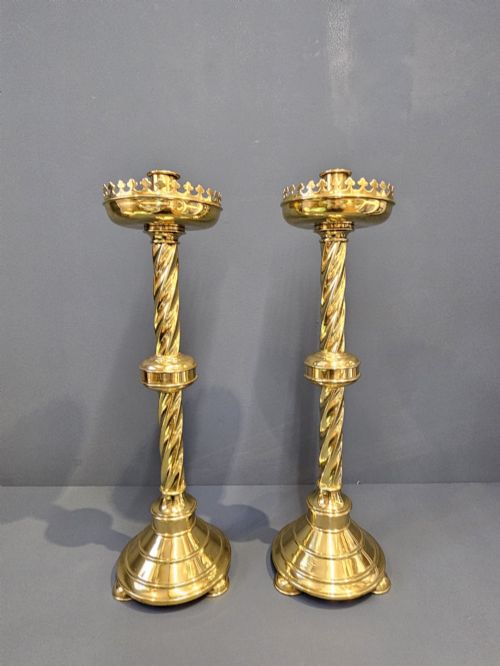
Antique Brass Candle Stand
These antique brass candle stand pieces offer solid metalwork and period lighting forms that bring genuine character to a room.

Identifying your antique brass candle stand
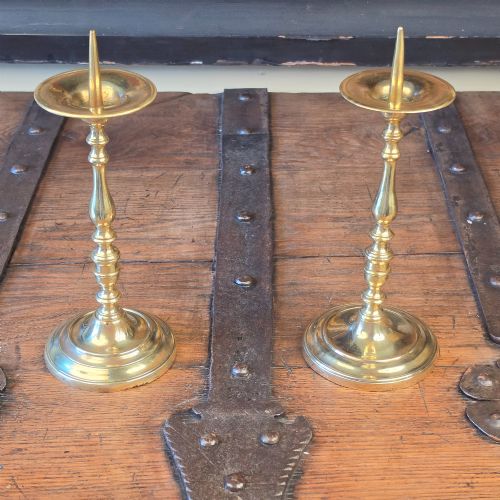
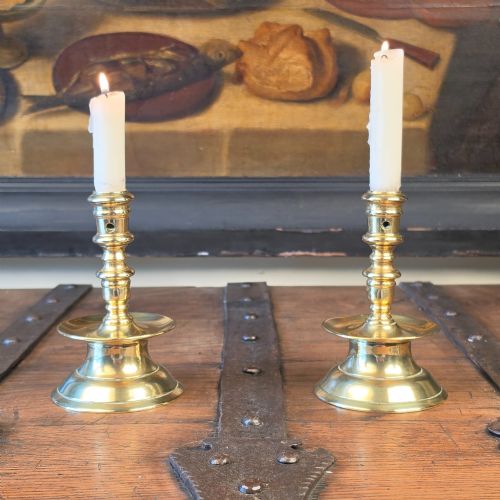
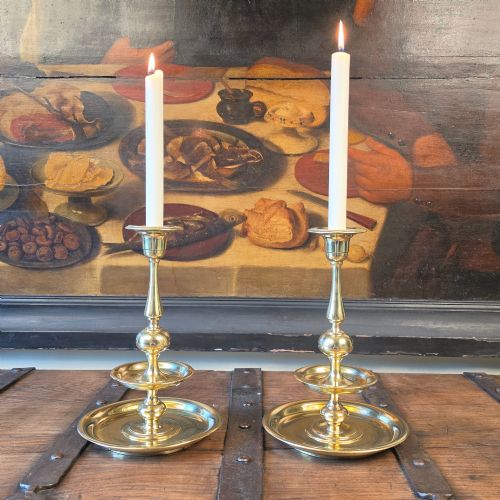
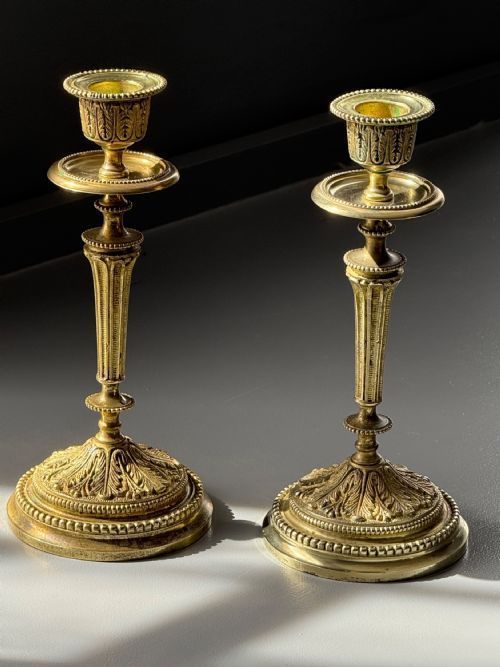
When you search for an antique brass candle stand, you encounter a wide variety of domestic and liturgical lighting forms spanning several centuries. The selection ranges from robust seventeenth-century knop designs to refined nineteenth-century desk pieces and decorative pairs.
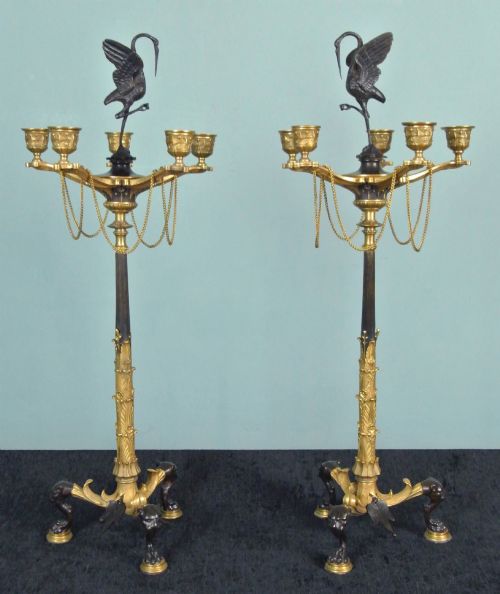
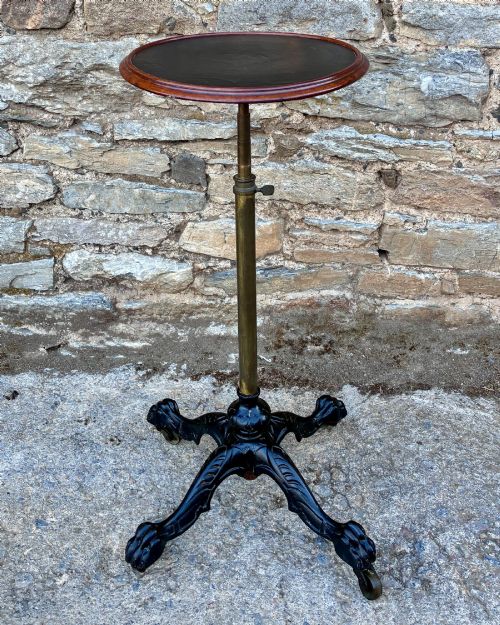
Candlesticks and candelabra dominate the offerings, alongside specialised forms such as adjustable shade holders and wall-mounted church stands. Materials extend beyond pure brass to incorporate copper, wrought iron, ormolu, and patinated bronze.
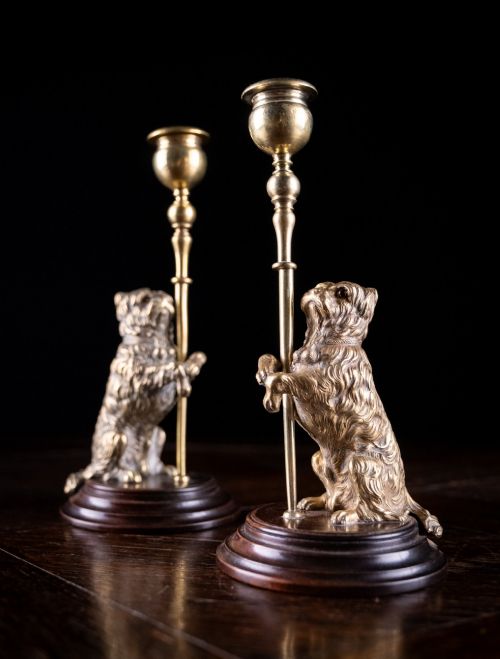
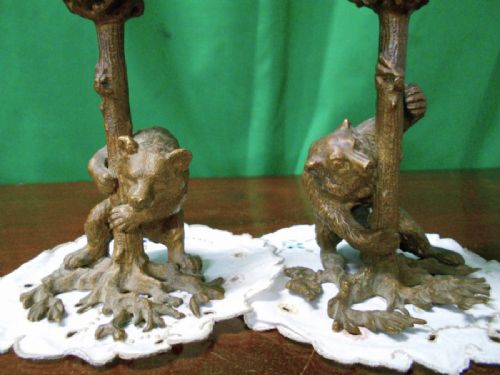
Stylistic variety runs from French Rococo Revival and Baroque down to Arts and Crafts, Amsterdam School, and Qajar Persian examples. This breadth means you can find everything from utilitarian early metalware to sculptural novelty designs like the Victorian pug dog candlestick.

Materials and construction methods
The primary metal is brass, frequently worked alongside copper, wrought iron, and bronze to create contrasting textures and structural support. Artisans utilised casting and hand-engraving techniques, particularly visible in pieces featuring intricate surface decoration from the late nineteenth century.
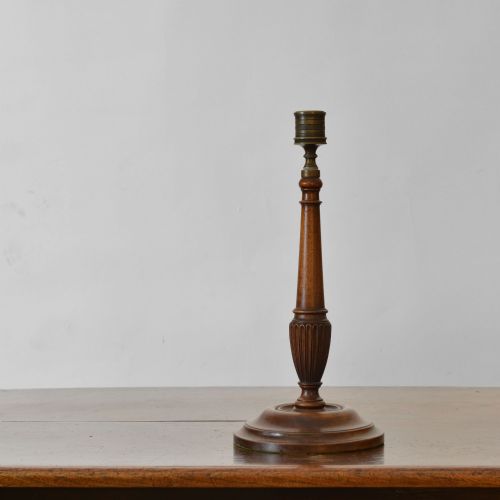
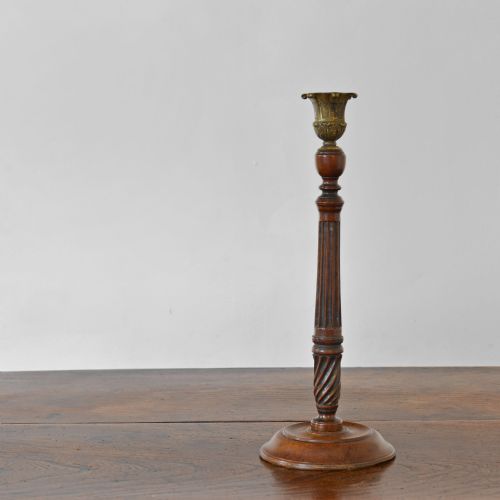
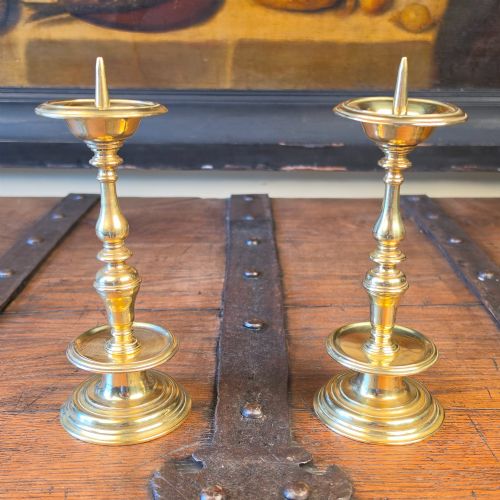
Surfaces show diverse finishes including patinated bronze, parcel gilding, and ormolu applications. Some items combine metal with wooden elements, while early examples rely on heavy cast construction with distinct knops and drip pans.
Retail Price Guide 2026
Typical UK retail prices for brass candle stand, calculated from the Sellingantiques database of over a million retail prices indexed since 2003. This retail price guide relies exclusively on Sellingantiques data; no external sources or auction records are used, so the figures do not describe the wider market.
Listings feature periods spanning from the 17th century through the Victorian era to 1910, utilising brass, copper, wood, and wrought iron.
Distinguishing quality across periods
Quality rests upon the crispness of the casting, the integrity of the original joins, and the subtlety of any hand-engraved detailing. Early heavy knop candlesticks derive their distinction from substantial weight and correct period construction methods.
Artistic ambition sets pieces apart, moving from straightforward utility items to expressive Amsterdam School pairings or finely chased French Restoration ormolu. The depth of the patina and the harmony of mixed metals like brass and copper determine visual success.
AFC
The Antique Brass Candle Stand Glossary
- Knop
- A prominent swelling or bulbous thickening on the stem of a candlestick. This decorative and structural feature helps provide a secure grip when moving the piece.
- Ormolu
- Finely ground high-carat gold cast and chased onto a bronze base. This technique creates a rich golden finish seen on formal French desk pieces.
- Pricket
- A sharp metal spike set in the drip pan to hold a candle securely in place. You find this form primarily on church and altar pieces.
- Candelabra
- A branched lighting fixture designed to hold multiple candles simultaneously. These pieces often feature patinated and parcel gilt bronze materials.
- Patina
- The surface sheen and coloration developed through age, handling, and oxidation. A natural patina indicates uncompromised historical depth.
Frequently Asked Questions
What is an antique brass candle stand?
An antique brass candle stand encompasses historic lighting devices made primarily of brass, including candlesticks, candelabra, and specialised holders.
These pieces date from the seventeenth century through to the early twentieth century, reflecting diverse international styles and domestic uses.
How do I date an old brass candlestick?
Dating relies on examining the manufacturing technique, base construction, wear patterns, and stylistic markers specific to periods like the seventeenth century or the Arts and Crafts movement.
Heavier cast forms with distinct knops typically indicate earlier centuries, while refined surface engraving and mixed metals point toward the late nineteenth or early twentieth century.
Were these stands used in churches?
Many larger examples and pricket forms were indeed produced specifically for ecclesiastical settings and church rituals.
Such pieces often feature robust iron or heavy brass construction designed to support large ceremonial candles over extended services.
How should I clean antique brass?
Antique brass is best left with its natural historic patina and minimal cleaning beyond gentle dusting.
Aggressive polishing strips away the accumulated character and age that collectors value in historic metalware.