
Antique Brass Burner
An antique brass burner spans domestic lighting and ritual vessels, combining practical metalwork with decorative glass or cast ornament.
Antique Brass Burner
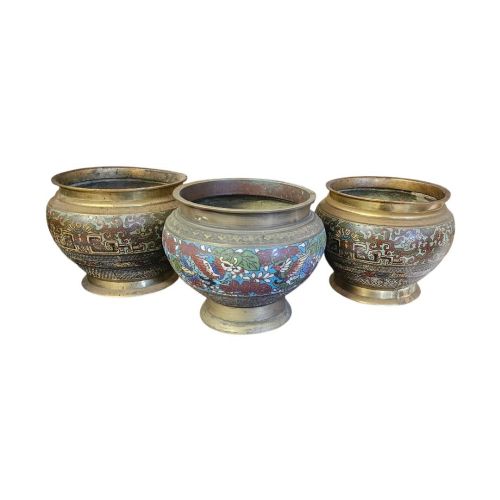
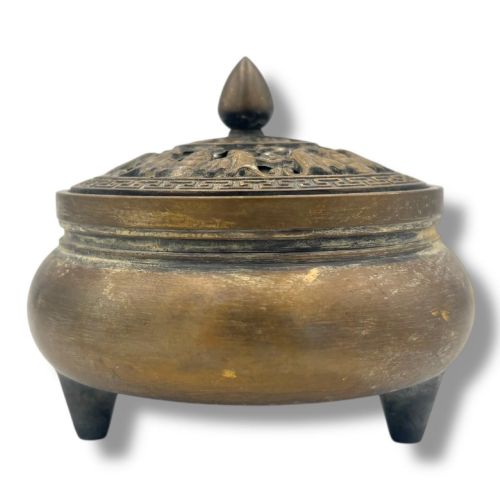
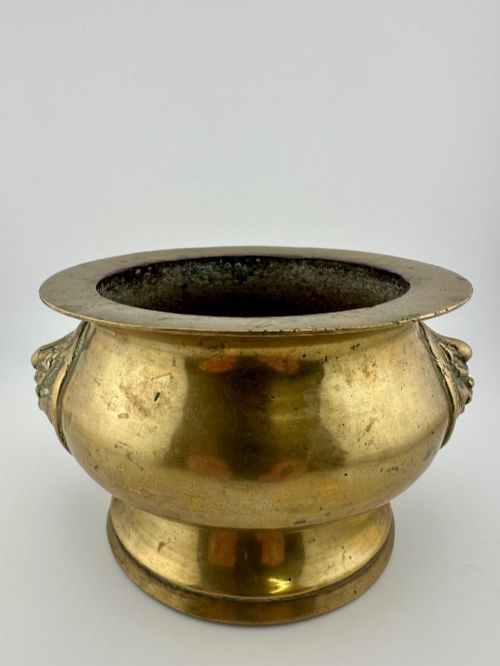
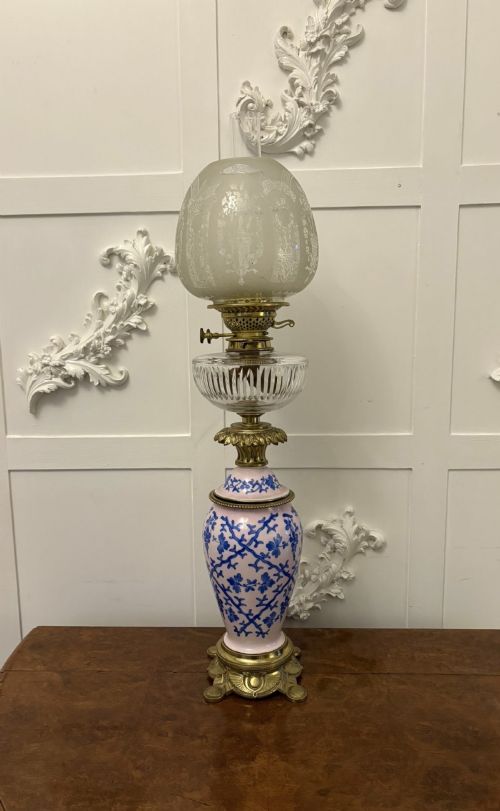
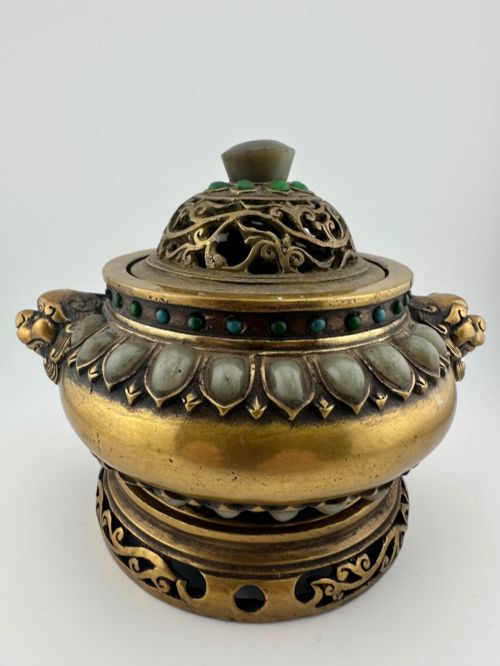
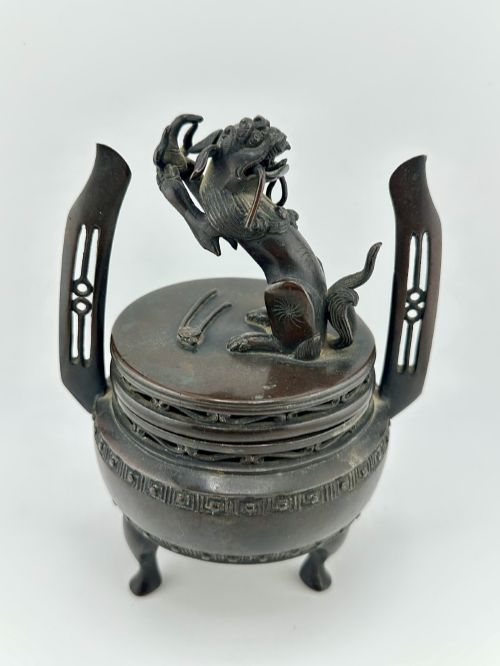
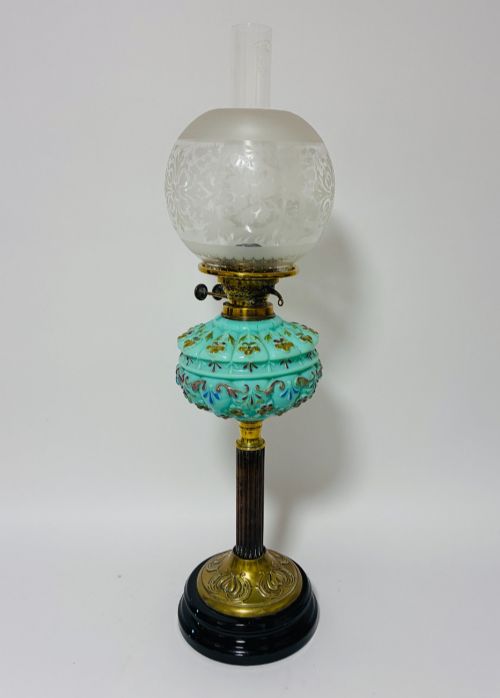
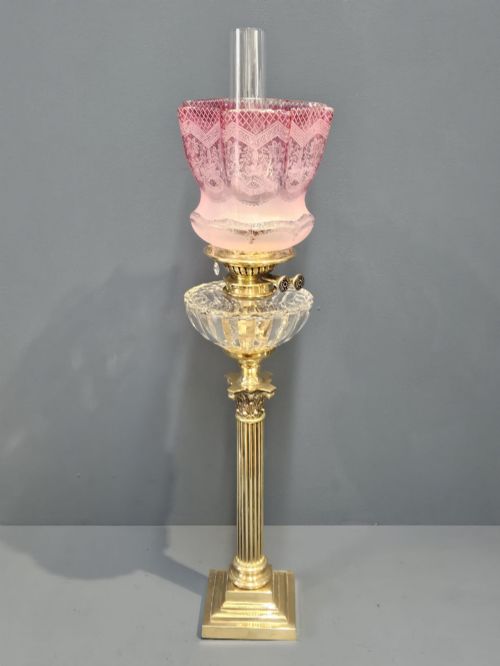
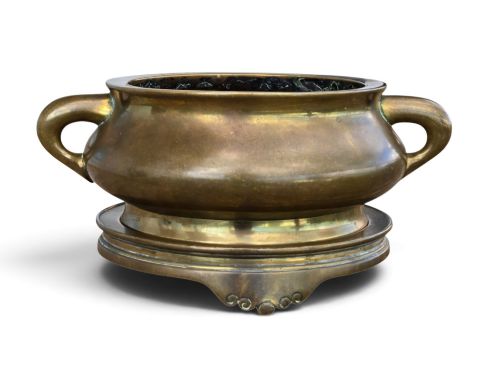
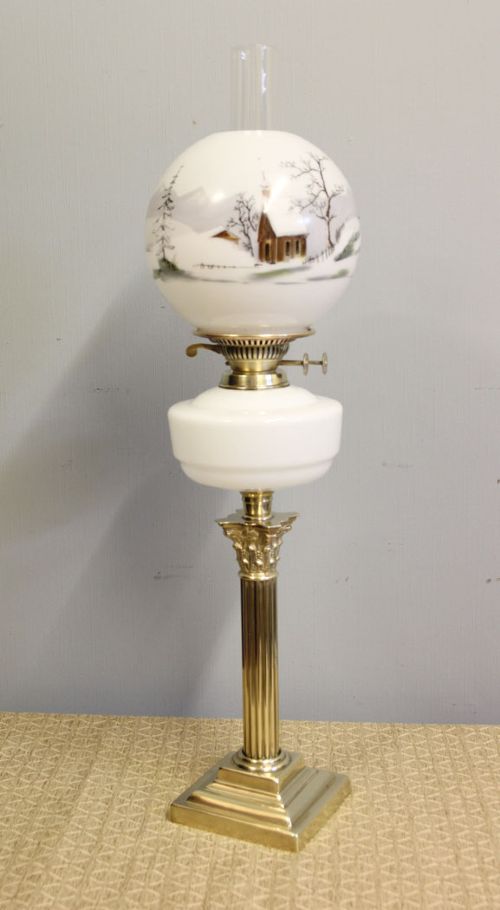
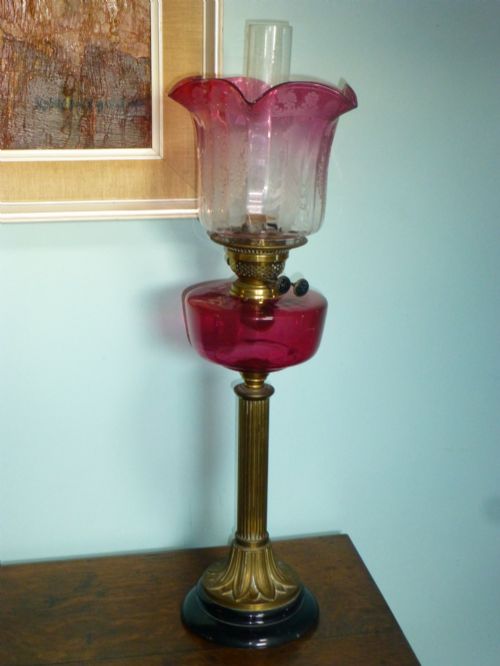
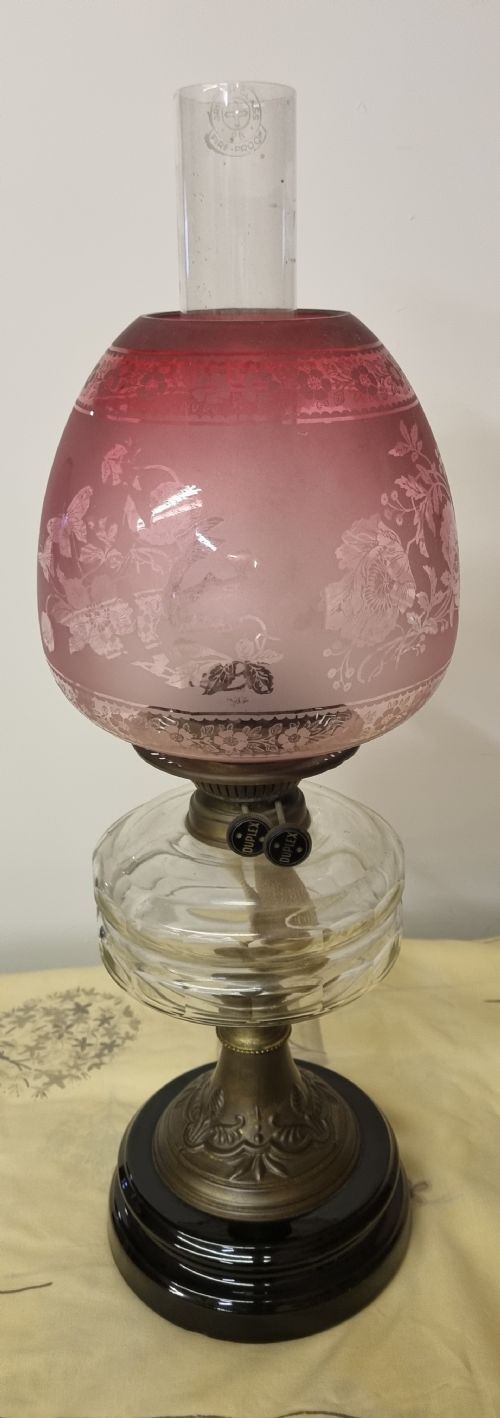
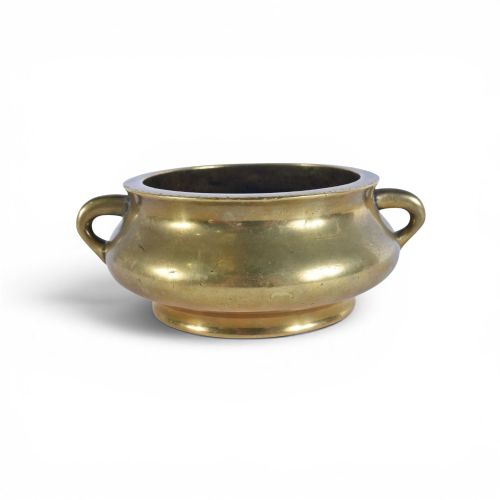
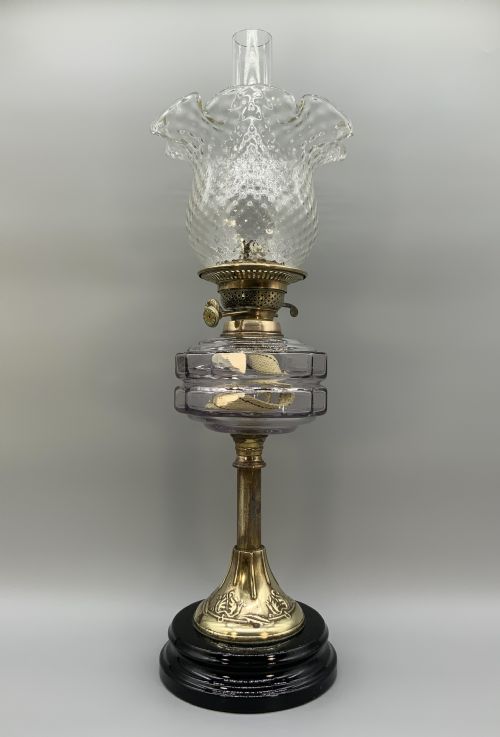
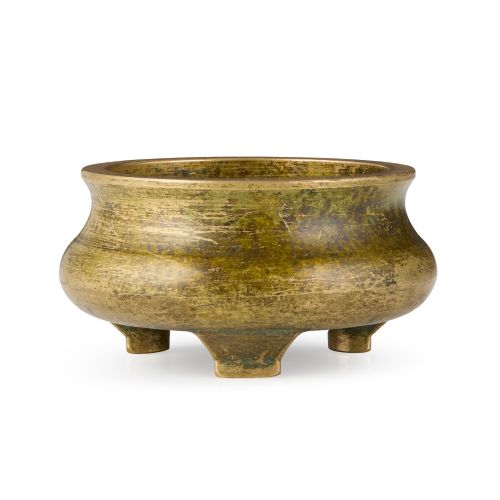
When you search for an antique brass burner, you encounter two distinct traditions: British domestic oil lamps from the Victorian and Edwardian periods, and Chinese ritual censers cast in bronze and brass. The Victorian pieces often pair cast brass columns with glass fonts and cranberry or opaline shades, while the Chinese pieces take the form of tripod censers with lion mask handles and archaic marks.
The domestic examples range from simple brass table lamps to elaborate Corinthian column designs equipped with duplex burners. Ritual forms from the eighteenth and nineteenth centuries introduce heavy tripod vessels intended for scholar's studios and domestic shrines. Both streams share a reliance on cast metalwork, though their domestic or ritual functions determined their original placement in the home.
Materials and construction
The construction of these pieces relies on cast and turned brass, often combined with bronze, copper, and cast iron. Domestic lighting examples incorporate blown and etched glass shades in cranberry or opaline colours, alongside ceramic and porcelain fonts.
Censers and ritual vessels utilise heavy bronze and brass castings, sometimes featuring pierced lids, hardstone inlays, and applied handle details. Mechanism components in oil lamps involve specialised brass burners by makers such as Hinks, paired with duplex wicks and metal collars.
Materials documented across the inventory include brass, bronze, copper, cranberry glass, opaline glass, ceramic, and cast iron.
Determinants of quality
Quality in these items rests upon the weight of the metal casting and the crispness of decorative detail. Heavier bronzes and substantial brass columns with sharp relief work indicate superior execution compared to lighter, plain utilitarian examples.
The integration of materials also dictates standing, where matching coloured glass shades and well-preserved ceramic fonts elevate the piece. Finer examples display deliberate proportions, secure fitting between components, and clear maker or period marks.
William Soutter And Sons·Hinks·Taylor Tunnicliff·Wild And Wessel
The Antique Brass Burner Glossary
- Duplex burner
- A double-wick mechanism designed to produce a brighter flame than single-wick oil lamps. These metal assemblies often bear patent names or maker stamps on the thumbwheels.
- Tripod censer
- A three-legged bowl used for burning incense, frequently cast in bronze or brass with ritual animal mask handles. These vessels often include matching pierced lids.
- Cranberry glass
- A rich red-pink transparent glass created by adding gold chloride to the molten batch. It appears frequently in nineteenth-century lamp shades and fonts.
- Censer
- A vessel designed for burning solid incense during domestic or ritual practices. Examples in this category span Chinese archaic forms and Tibetan ritual pieces.
Antique Brass Burner: Frequently Asked Questions
How do I operate an antique oil lamp burner?
Operating an antique oil lamp requires lifting or removing the glass chimney and shade to access the burner mechanism. Wicks must be trimmed evenly across the top to ensure a stable, smoke-free flame.
Modern liquid paraffin or lamp oil is poured into the font through a dedicated filler hole. The thumbwheel adjusts the wick height before lighting, and the flame should be kept moderate to prevent soot accumulation on the glass.
What is the difference between an oil lamp and a censer?
Oil lamps are functional domestic lighting devices engineered with metal burners, wicks, and glass chimneys. They were designed to illuminate Victorian and Edwardian rooms using liquid fuel.
Censers are open or covered vessels intended solely for burning solid incense resins or aromatic woods. They lack mechanical burners or wicks, relying instead on airflow through pierced lids to sustain smouldering material.
How do I date an antique brass oil lamp?
Dating relies on examining the combination of materials, burner patent marks, and shade styles. Mid-nineteenth-century examples often feature simpler brass columns, while later Victorian designs frequently incorporate elaborate Corinthian capitals and coloured glass fonts.
Maker stamps on the brass thumbwheels provide precise manufacturing attribution. Comparing the collar and wick mechanism designs against known patent timelines narrows the production window.
Where should I display a heavy bronze censer?
A heavy bronze censer requires a stable, level surface capable of supporting considerable weight. Scholar's desks, sturdy sideboards, and mantelpieces provide appropriate settings that showcase the tripod feet and relief handles.
If utilised for burning incense, ensure the surface is protected from heat transferred through the metal base. Placing the censer away from drafts allows any smoke to rise cleanly through the pierced lid.