

Victorian Reading Lamp
A Victorian reading lamp brings solid brass weight and adjustable utility to a desk or corner, engineered for focused task illumination.
Victorian Reading Lamp
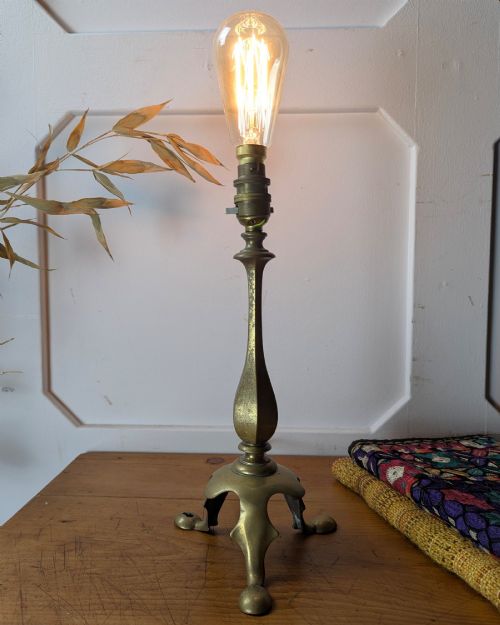
A Victorian reading lamp encompasses heavy metal table lamps, adjustable standard lamps, and student lamps designed for libraries and studies. The typical piece encountered on this page is a brass column or adjustable oil standard dating from the nineteenth century.
Makers and designers produced these fittings in various formats, ranging from slender desk lamps to tall floor-standing oil lamps. Neoclassical architectural influences appear frequently alongside utilitarian mechanisms created for directional light.
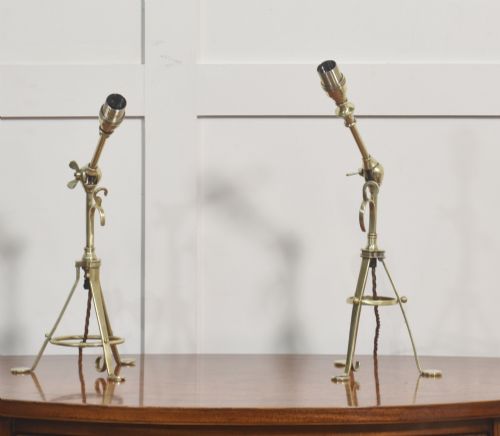
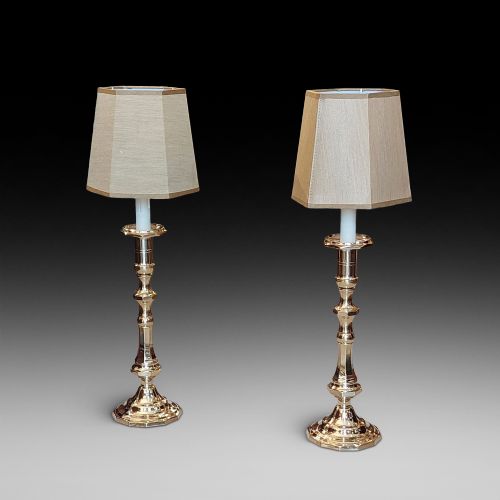
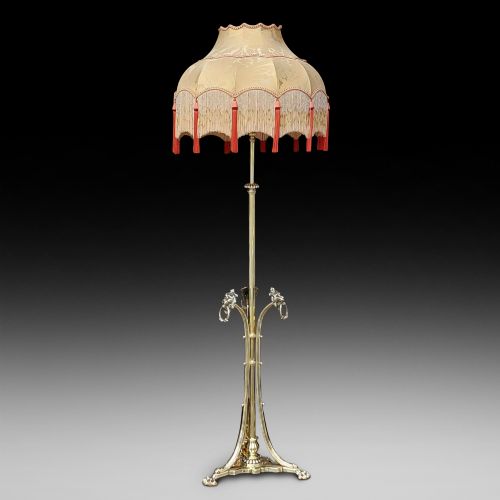
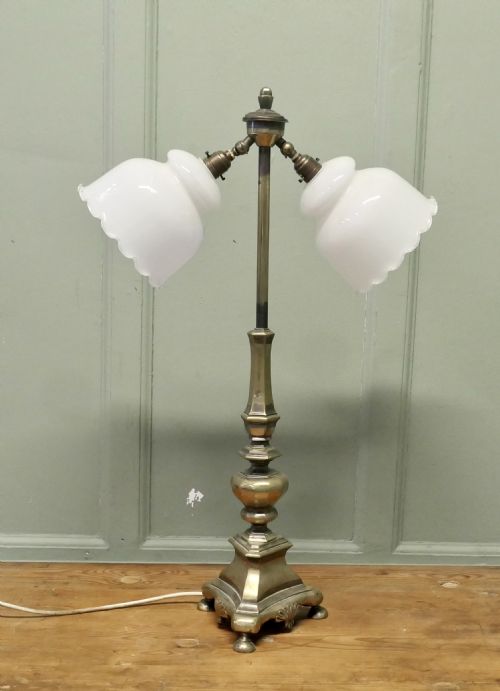
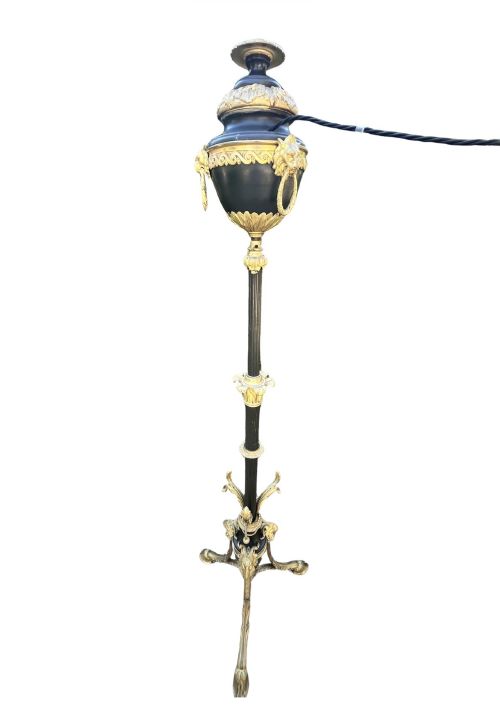
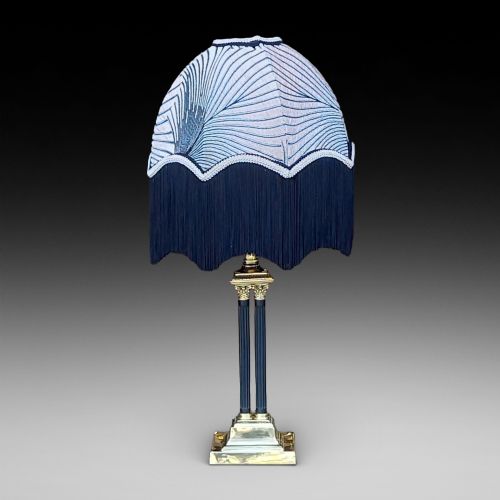
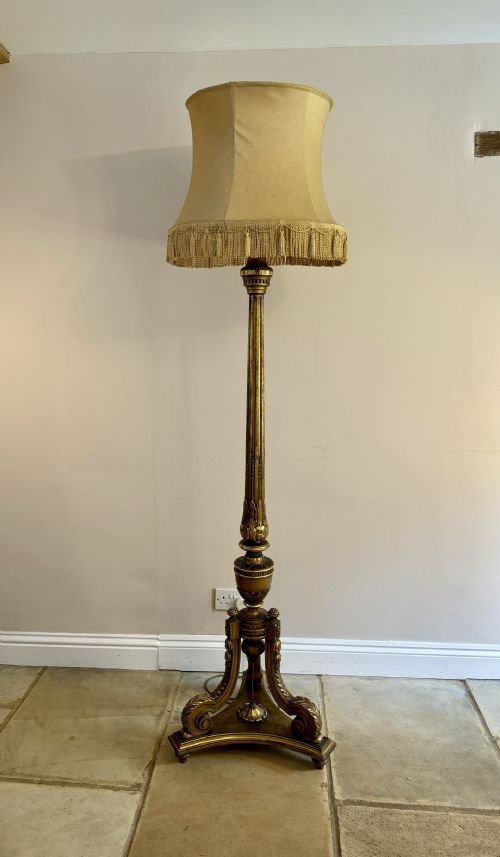
The selection ranges from compact table models with twin angled arms to heavy floor standards that once burned oil before conversion to electricity. Brass and silver-plated examples dominate the forms alongside occasional bronze and carved wood bodies.
How they were made
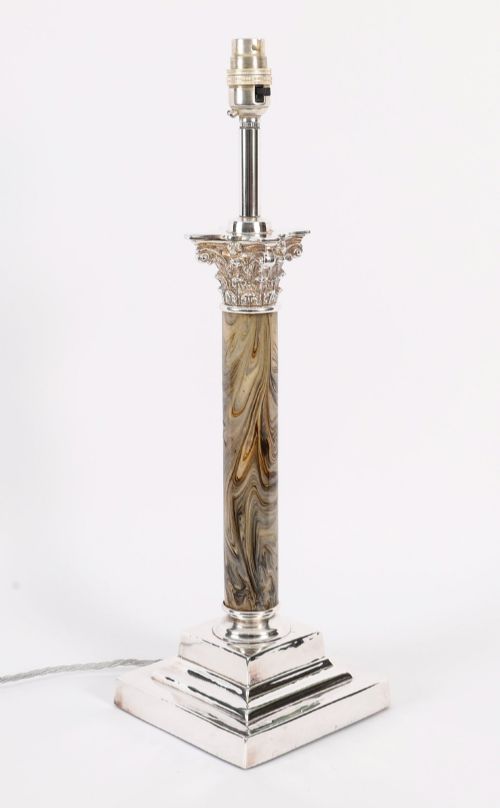
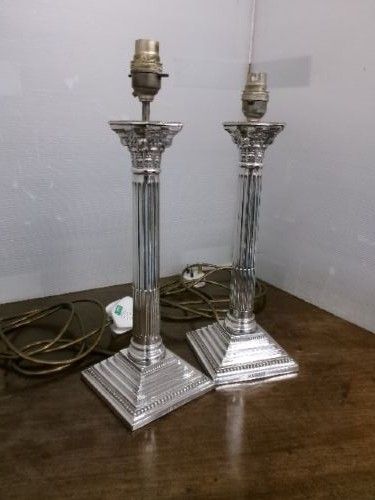
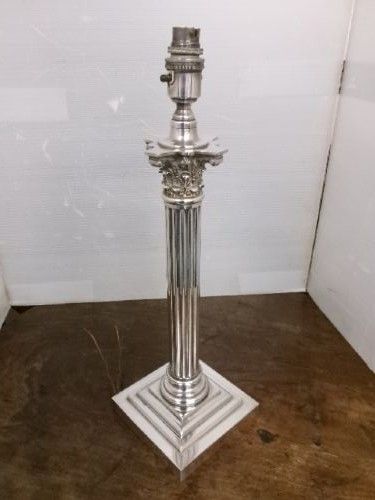
Foundries cast these lamps in brass, bronze, and gilt metal, utilising heavy bases to support extended arms and adjustable shafts. Many pieces incorporate turned columns, reeded shafts, and Corinthian capitals cast in sections and secured with threaded rods.
Makers integrated mechanical adjustments such as gimble rings, sliding stems, and articulated joints to allow precise control over the beam of light. Surface finishes varied from polished brass and silver plate to patinated bronze and gilded highlights.
Shades and oil reservoirs introduced contrasting materials like cranberry glass and fabric, mounted onto metal frames designed for practical interior use.
The inventory records specialised lighting forms including ship gimble lamps, student lamps, and tall floor-standing oil standards converted for modern interiors.
What varies in quality
The distinction between ordinary production and superior craftsmanship rests in the weight of the metal and the precision of the mechanical joints. Finer examples retain crisp casting detail in capitals and foliage, whilst simpler pieces rely on standard commercial components.
Substantial gauge brass and solid bronze castings provide stability to tall standards and desk lamps, whereas lighter items employ thin stamped brass that lacks rigidity. Original mechanisms, such as smooth sliding collars and secure screw keys, elevate the standing of a piece.
W.A.S. Benson·Faraday and Sons·Wild and Wessel
The Victorian Reading Lamp Glossary
- Corinthian column
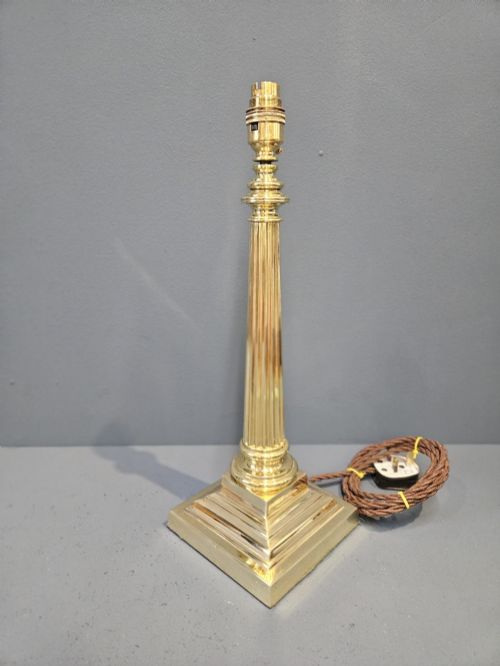
- A classical architectural column form featuring an ornate capital decorated with acanthus leaves, frequently adopted for the shafts of nineteenth-century table lamps. This design provides a formal neoclassical appearance.
- Student lamp
- A utilitarian desk or table lamp featuring an adjustable arm and a side-mounted oil reservoir designed to project direct light over a workspace. These pieces prioritise function and directional movement.
- Standard lamp
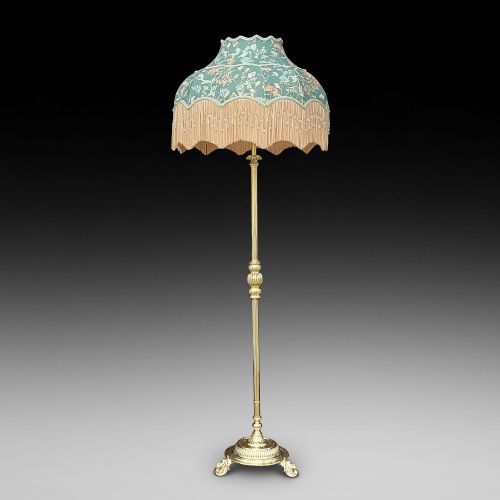
- A tall floor-standing lamp designed to illuminate a room from a corner or beside seating. These objects often incorporate weighted bases and adjustable heights.
- Ormolu
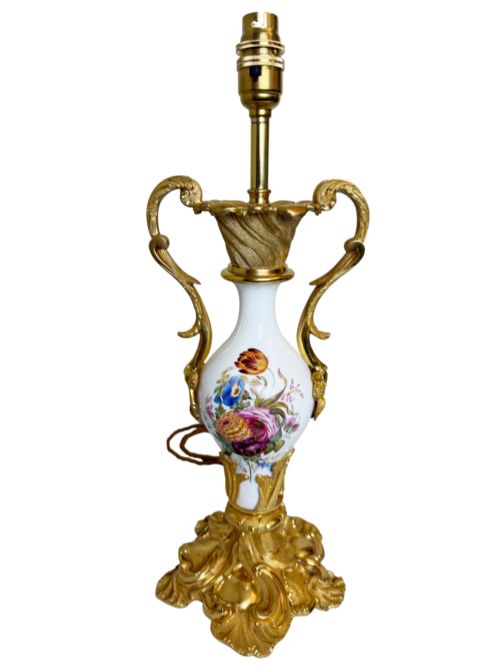
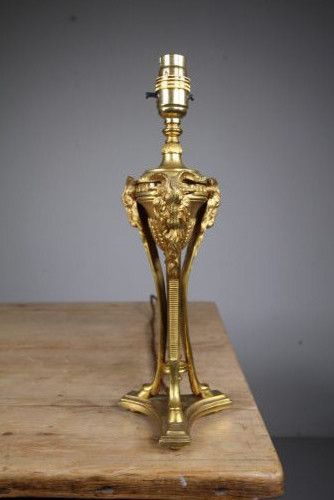
- Cast bronze finished with a fine gold amalgam or gilt coating, providing a bright metallic lustre to decorative mounts and lamp bodies. This technique appeared on grander nineteenth-century pieces.
- Gimble
- A pivoting ring mounting that allows a lamp to remain level regardless of the motion of a ship or train. Such fittings ensured safe illumination in mobile environments.
Victorian Reading Lamp: Frequently Asked Questions
How do I adjust a reading lamp?
Many period examples feature sliding brass collars or pivoting joints tightened with thumbscrews along the vertical shaft. Loosening these fittings allows the arm to raise, lower, or angle towards a book.
Care should be taken with older metal threads to avoid stripping the brass when altering the height.
Were these lamps originally electric?
The majority of nineteenth-century pieces started as oil lamps or gas fittings before later conversion to electricity. Workshops adapted the original burners and reservoirs to house standard bulb holders.
Retained elements like wick winders and oil fonts often remain visible beneath modern wiring.
What is a student lamp?
A student lamp is a functional desk light featuring an offset font and an adjustable arm designed to concentrate light over paperwork. They were built for libraries and studies where intense task illumination was required.
The single burner provided a bright pool of light directly onto the reading surface.
How do I date a brass lamp?
Dating relies on stylistic clues such as the presence of neoclassical Corinthian capitals, Art Nouveau whiplash lines, or heavy Victorian reeding. Manufacturing methods like sand casting and hand-cut threads also point towards nineteenth-century production.
Patent numbers or maker stamps on the base or burner provide precise chronological markers.