


Antique Brass Bookends
Antique brass bookends are solid shelf supports cast in heavy metal, designed to keep volumes upright while bringing period character to a library.
Antique Brass Bookends
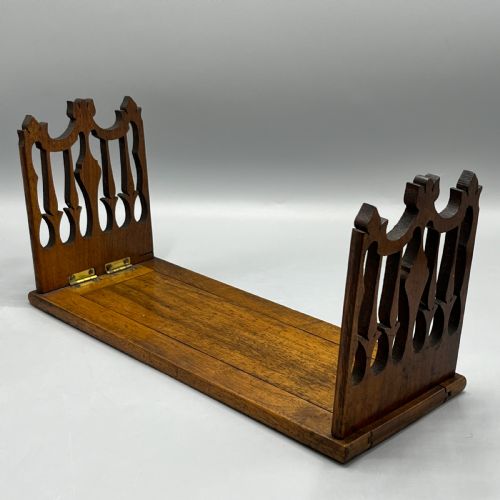
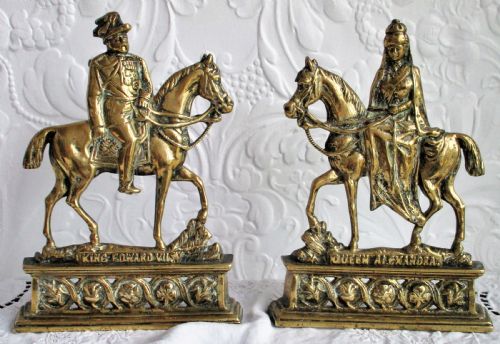
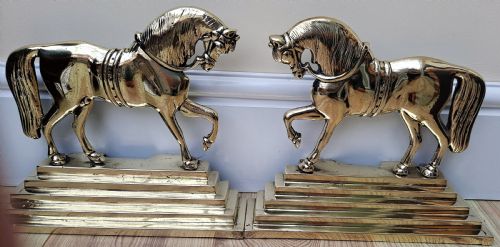
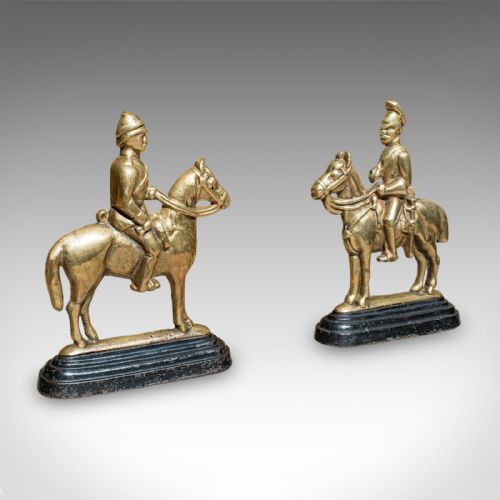
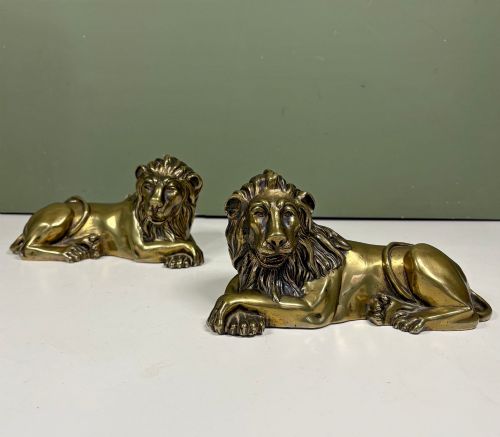
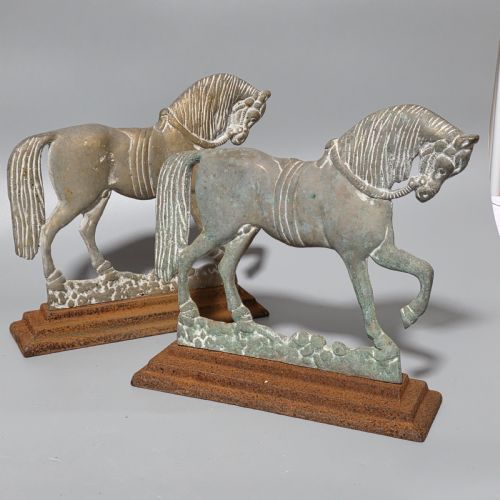
Antique brass bookends appear across several distinct styles, ranging from Victorian animal figures to Art Deco geometric designs and expanding wooden slides mounted in brass. You are most likely to encounter Victorian and 1930s examples paired as heavy metal figures, or sliding book racks fitted with brass hinges and mounts.
The materials span solid cast brass, bronze, and cast iron alongside wood bases in walnut, coromandel, and rosewood. Makers utilised bone, enamel, and exotic timbers to accent the heavy metal mounts on expanding desk accessories.
How they were made
Foundries produced the metal sections using traditional sand casting methods, pouring molten brass into moulds before finishing the surfaces by hand. This technique created the substantial weight required to hold upright rows of heavy volumes.
Wooden book slides and bases relied on precision cabinet making, incorporating folding scissor actions or sliding wooden channels fitted with brass tracks. Artisans mounted cast metal figures and decorative plaques directly onto these timber frames using threaded screws and pins.
Listings feature Victorian, Edwardian, and Art Deco periods, utilising brass, walnut, bronze, and cast iron.
What varies in quality
For expanding slides, the integrity of the timber and the smooth operation of the extending mechanism distinguish superior examples from standard production pieces. Fine brass mounts fit flush into dense hardwoods like walnut and coromandel without loose joints or visible gaps.
C Omin·Betjemann·Tiffany & Co
The Antique Brass Bookends Glossary
- Book slide
- An expanding wooden rack with folding or sliding sections designed to hold a varying number of volumes upright between metal or wooden ends.
- Door stop
- A heavy metal or iron object used to prop doors open, frequently repurposed or produced in identical casting runs to heavy bookends.
- Chimney ornament
- A decorative figurine placed on the mantelpiece, sharing subjects and foundry methods with shelf supports.
- Cast brass
- Molten alloy poured into a mould to form solid decorative objects with considerable mass.
- Expanding bookslide
- A desk accessory featuring a tracked mechanism that lengthens to accommodate growing rows of books.
Antique Brass Bookends: Frequently Asked Questions
What are antique brass bookends made from?
These shelf supports are cast primarily from heavy brass, bronze, and iron, often mounted onto timber bases like walnut, rosewood, and coromandel. Some examples incorporate supplementary materials such as bone and enamel for decorative accents.
The combination of dense metal and sturdy wood provided the physical weight necessary to support large rows of heavy books without tipping over.
How do you use expanding book slides?
Expanding book slides feature a mechanism of overlapping wooden or metal sections that pull outward to accommodate more volumes and push inward to close the gap. They sit on desks or tables to keep rows of books neat and upright.
The extending track allows the accessory to grow alongside a collection while maintaining steady pressure on the end volumes.
How do I date Victorian brass bookends?
Dating relies on stylistic clues, timber choices, and construction methods characteristic of the nineteenth century, such as walnut bases and Gothic Revival motifs. Victorian pieces often display heavier casting and distinct patination acquired through decades of handling.
Comparing the figural subjects and mounting techniques to documented examples helps narrow down the period of manufacture.
Are these bookends heavy enough for large books?
Solid cast metal bookends and expanding wooden slides with heavy brass mounts possess significant physical mass designed to anchor heavy volumes. The weight of the metal base prevents the support from sliding across the shelf under pressure.
Larger pairs depicting animals or architectural forms offer extra stability for encyclopaedias and leather-bound library books.