

Antique Brass Bed Frames
These antique brass bed frames combine metalwork and timber to anchor a bedroom with period presence.
Antique Brass Bed Frames
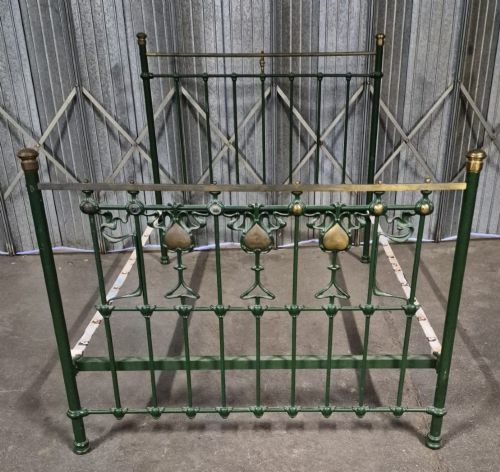
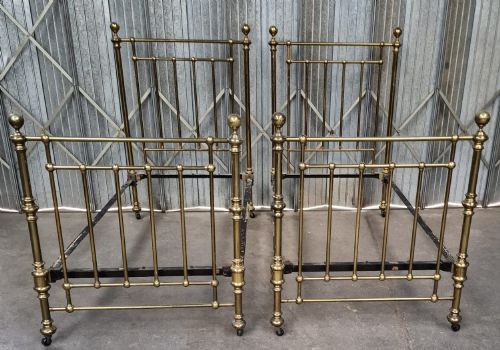
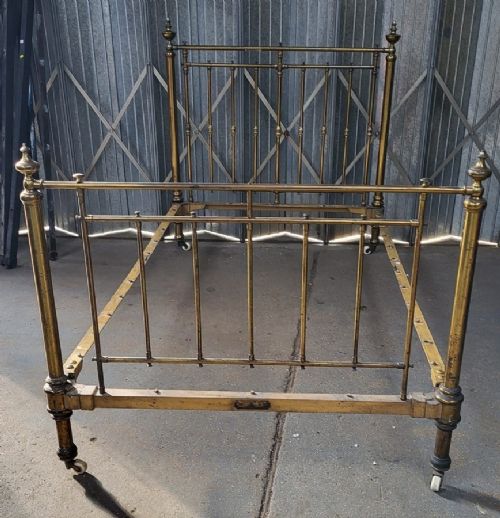
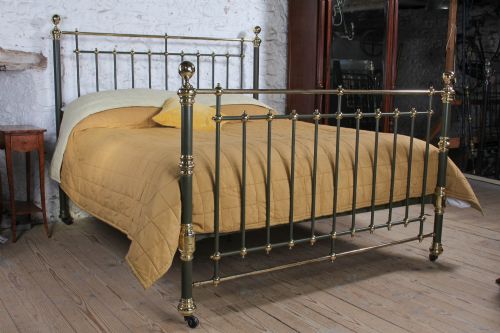
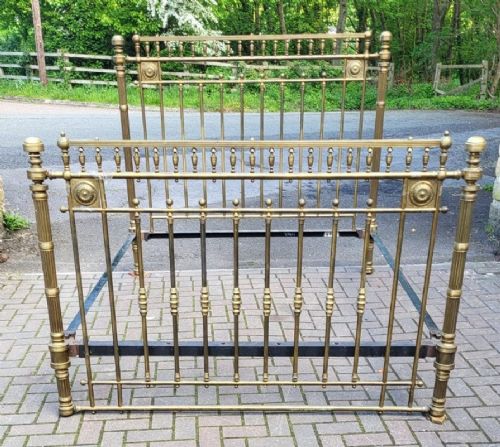
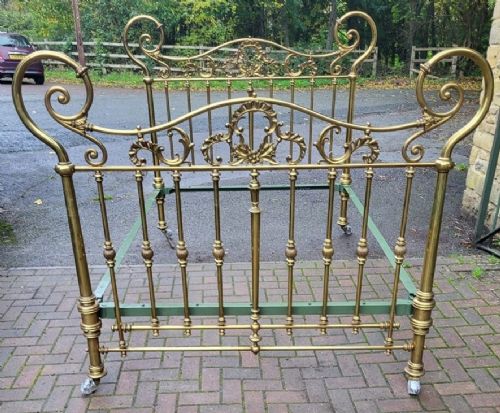
Antique brass bed frames encompass Victorian and Edwardian bedsteads, often combining metal framework with contrasting materials like cast iron, timber, and ceramic components. The pieces appearing here span from the mid-nineteenth century through the early twentieth century, showing a mix of single, double, king, and super-king sizes.
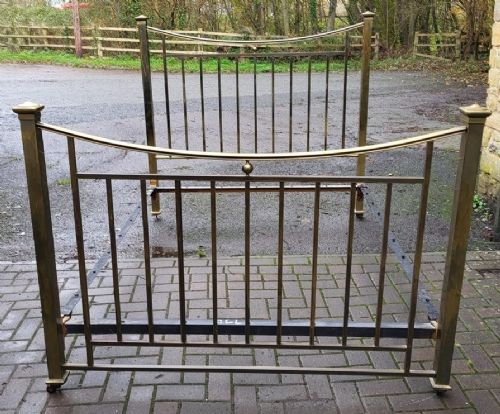
The Victorian examples dominate the selection, ranging from simple iron and brass configurations to elaborate half tester designs and ornate aesthetic movement creations. Later Edwardian items introduce dip rail forms and square tube constructions, while occasional Art Nouveau or Art Deco pieces bring distinct stylistic curves and geometric lines to the group.
Materials and Construction
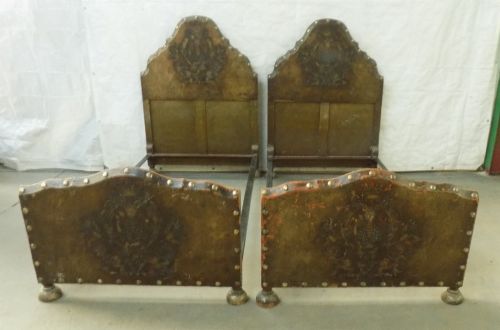
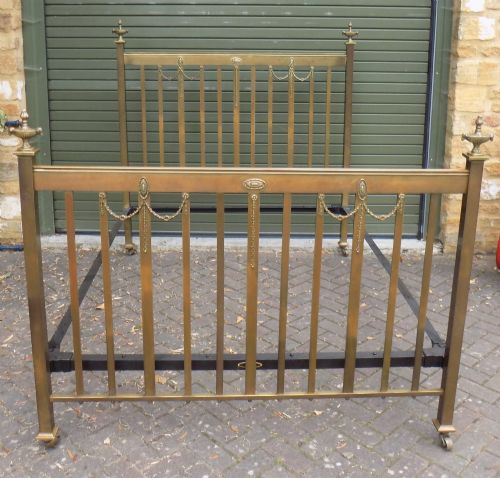
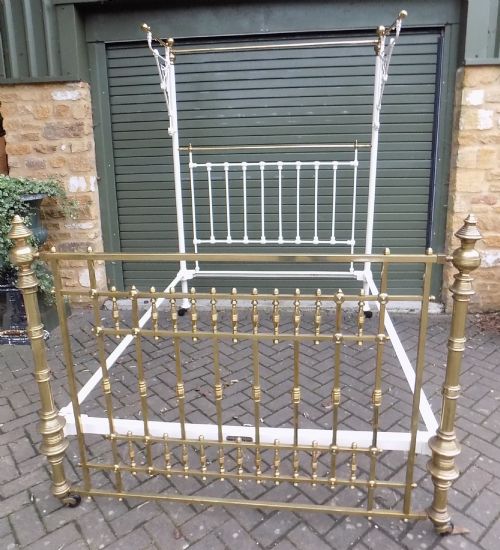
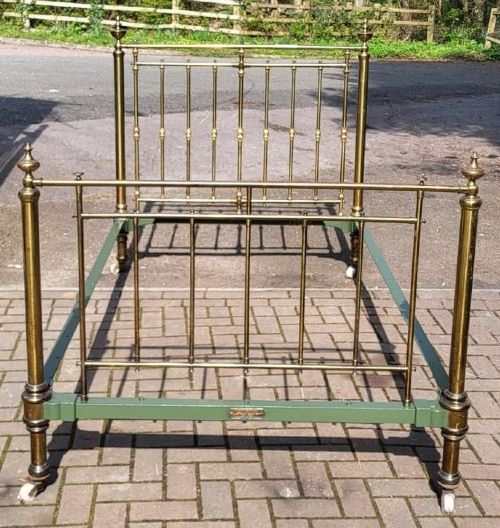
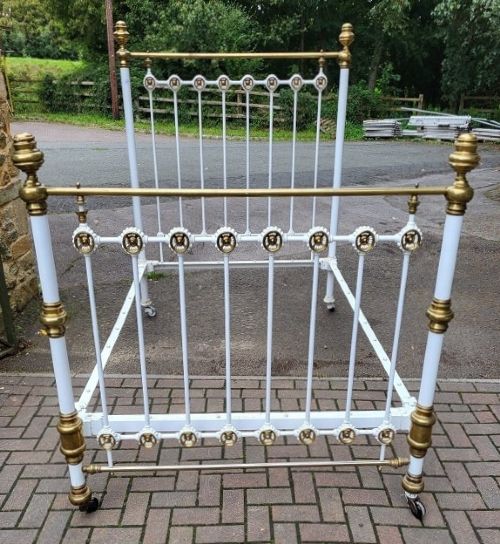
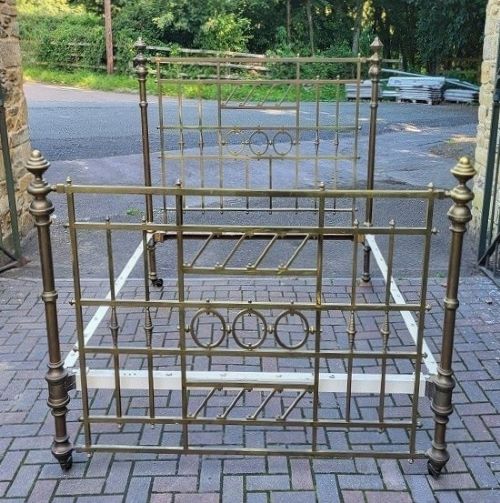
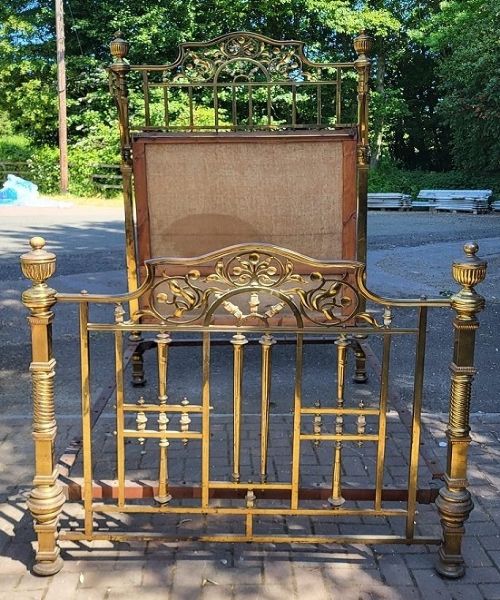
Makers built these frames using structural iron or cast iron combined with polished brass tubes, spindle work, and decorative finials. Many incorporate wooden elements, painted wood surfaces, or leather upholstery alongside the primary metal structures.
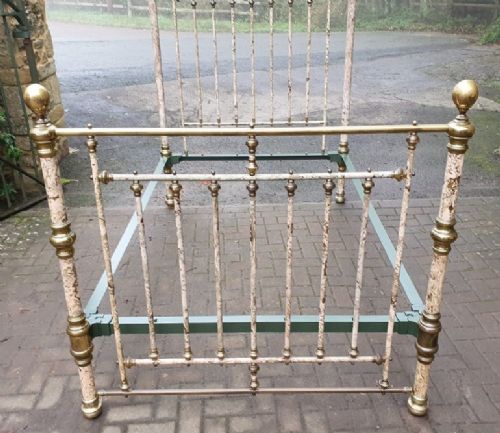
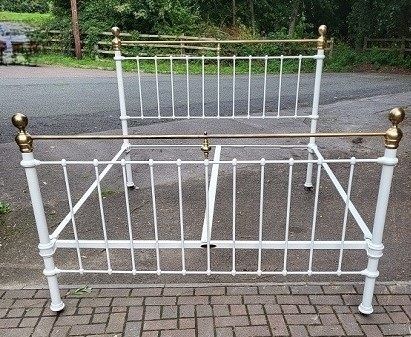
Joints and connections rely on traditional foundry techniques, heavy bolts, and fitted castors for mobility. Surfaces finish in natural brass, black paint, cream paint, or verdigris patinas depending on the period and stylistic choices of the workshop.
Antique Brass Bed Frames Retail Price Guide 2026
Typical asking prices for brass bed frames among the pieces listed under this phrase on Sellingantiques today, from the lower quarter to the upper quarter. They describe what is for sale here now, not the wider market.
Several iron and brass beds arrive equipped with their original castors, ready to roll across the bedroom floor just as they did in Victorian times.
Gradations in Quality
The calibre of a frame rests on the weight of the casting, the complexity of the brass ornamentation, and the integrity of the original joints. Heavier gauges of iron and substantial brass tubing distinguish superior workshops from lighter commercial production.
Details such as ceramic components, hand-painted leather panels, ball finials, and half tester tester structures separate standard utilitarian beds from the ambitious commissions produced by notable firms.
Hoskins & Sewell·James Shoolbred·RW Winfield
The Antique Brass Bed Frames Glossary
- Half Tester
- A bedstead featuring a partial canopy extending only over the head portion of the frame. This canopy often supports drapery to frame the pillow area.
- Dip Rail
- A headboard or footboard rail that curves downwards towards the centre. This profile appears frequently on Edwardian designs.
- Finial
- A decorative terminal ornament, often spherical or ball-shaped, topping the vertical posts of a bed frame. They unscrew or secure the corner posts.
- Verdigris
- A green patina formed naturally on copper, brass, or bronze through atmospheric weathering. Certain pieces utilise this surface treatment intentionally for colour.
- Castor
- A small wheel attached to the base of each bed leg to permit movement. These allow heavy iron and brass frames to shift across flooring.
Antique Brass Bed Frames: Frequently Asked Questions
What sizes are available?
The selection covers single, small double, double, king, and super-king proportions. Dimensions align with historical standards rather than contemporary mattress lengths.
Buyers should check exact internal rail measurements before sourcing a modern mattress for these frames.
How do I assemble these beds?
Most antique metal bed frames utilise standard side-rail wedge locks or heavy bolt connections. These slot together at the four corner posts without requiring complex tools.
Two people make assembly straightforward due to the heavy weight of the cast iron and brass components.
Will modern bases fit?
Many frames accommodate modern slats or bespoke box springs laid across the interior iron supports. Historic side rails provide the resting ledges for the internal base.
Adjustments may be necessary if using contemporary mattress depths within half tester or low end designs.
How do I care for brass?
Polished brass surfaces require gentle dusting and occasional cleaning with non-abrasive metal cleaners to preserve the shine. Coated or patinated finishes like verdigris need only soft dry cloths.
Avoiding harsh chemical polishes protects the original factory treatment and historic character of the metal.