

Antique Brass Accessories
These antique brass accessories bring practical utility and warmth to daily domestic life, spanning fireguards, coal scuttles and desk furnishings.
Antique Brass Accessories
Antique brass accessories cover both hearth equipment and desk furnishings produced primarily during the eighteenth and nineteenth centuries. Buyers encounter domestic metalwork ranging from Victorian coal bins and fire fenders to Georgian inkstands and stationery cabinets.
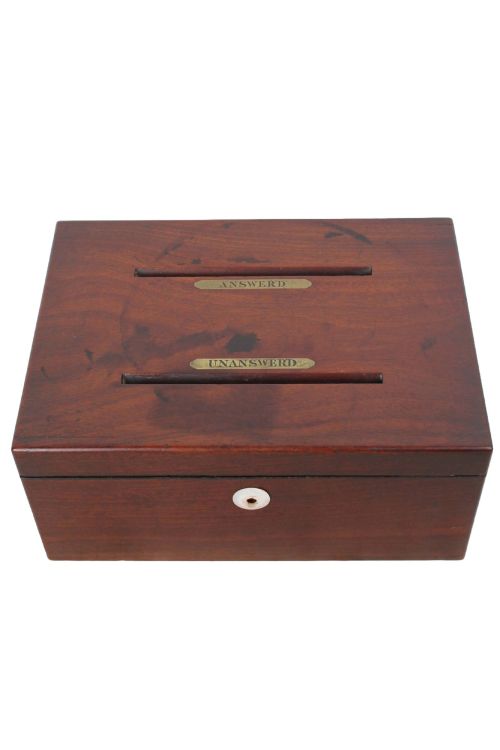
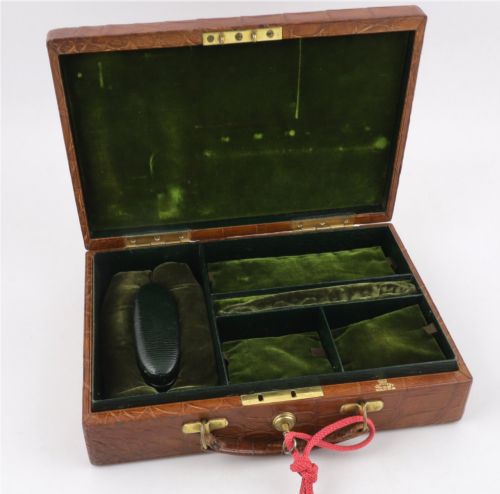
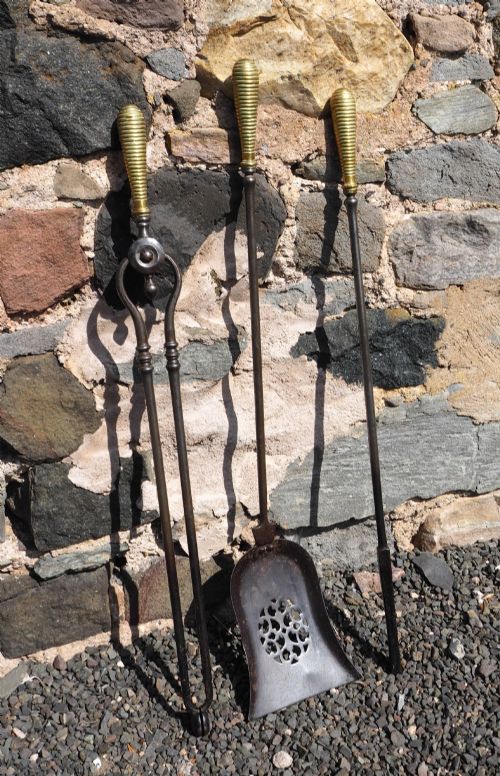
Hearth furniture forms the largest group on this page, including fire dogs, coal buckets, chestnut roasters and companion sets in brass and copper. Desk accessories appear frequently, taking the form of inkstands, letter boxes and magnifying lenses shaped in walnut, oak and brass.
Materials and technique
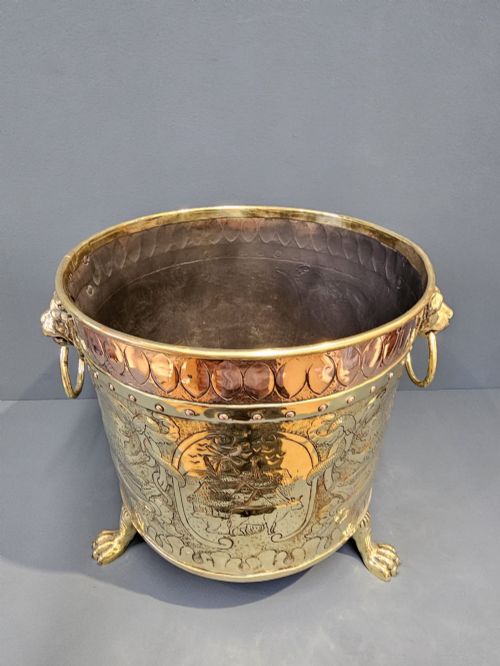
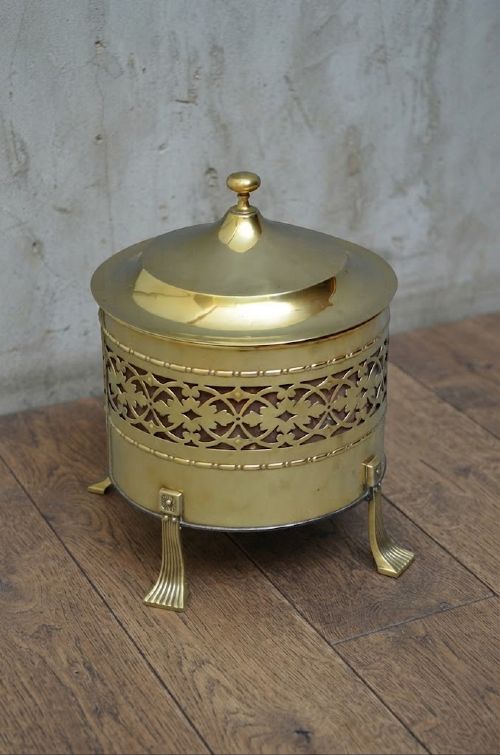
Makers shaped these items primarily from sheet and cast brass, frequently combining the metal with copper bands, iron frames and wooden carcases of oak, walnut or coromandel. Surface decoration relied on hand-finishing, embossing, piercing and fretwork design rather than machine stamping.
Hearth and desk pieces integrate multiple trades, uniting blacksmith ironwork with brass foundry casting and cabinet-making. Glazing, leather inserts and carved wood elements appear alongside polished metal surfaces to complete the domestic items.
Listings span the eighteenth, nineteenth and early twentieth centuries, capturing Georgian, Victorian, Edwardian and Regency periods.
Design and execution
Quality separates ordinary utility items from superior decorative pieces through the crispness of casting, the depth of hand-embossing and the integrity of the secondary wood. Better examples display careful hand-finishing on pierced brass fenders, cast fire dogs and fitted stationery boxes.
Construction methods distinguish fine workshop production from mass output, visible in robust dovetailing on wooden cabinets and substantial gauge metal on coal scuttles. Weight, proportion and the balance between brass fittings and timber carcases define the upper tier.
J C Vickery
The Antique Brass Accessories Glossary
- Standish
- An inkstand incorporating compartments for ink, sand, and pens. These desk accessories sit centrally on writing tables.
- Fender
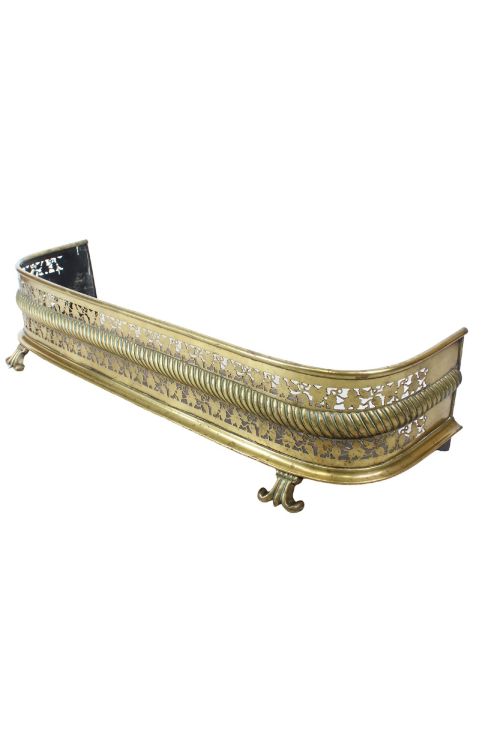
- A low metal guard placed in front of a fireplace to contain ash and sparks. They often feature pierced brass or cast iron work.
- Fire dogs
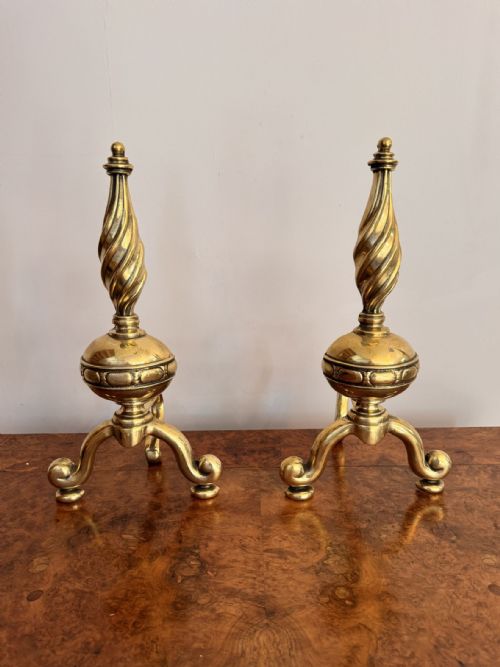
- Andirons used to support logs in an open hearth. Pairs are cast in iron or brass with decorative fronts.
- Divit qalamdan
- A traditional travelling pen and ink case originating from the Ottoman sphere. These pieces combine brass compartments with hinged lids.
- Navette
- A boat-shaped decorative outline typical of Georgian metalwork. This form appears on table snuff boxes and small desk items.
Antique Brass Accessories: Frequently Asked Questions
How do I date a brass accessory?
Dating relies on stylistic clues, manufacturing techniques and the materials combined with the brass. Victorian pieces often display heavy embossing or Gothic revival motifs, while Georgian items favour simpler navette shapes and restrained classical lines.
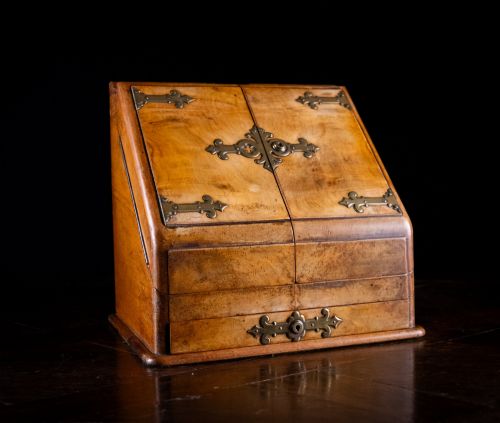
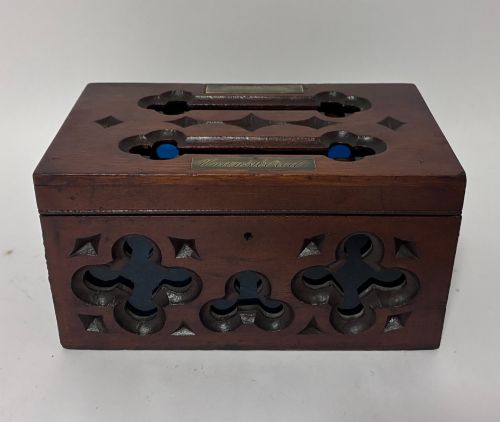
Cabinet timbers and construction methods also indicate age, with nineteenth-century correspondence boxes showing specific dovetailing and interior fittings characteristic of the period.
How were coal scuttles used?
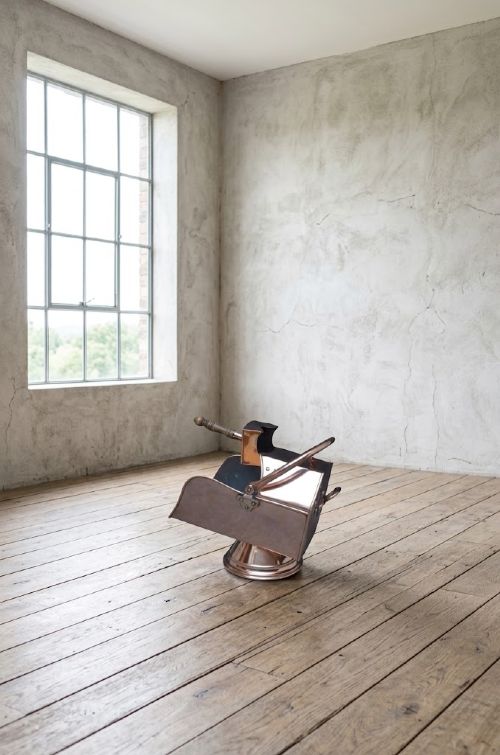
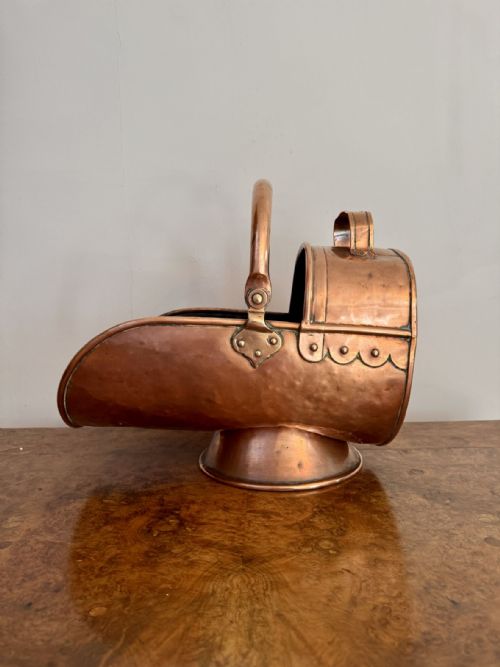
Coal scuttles and buckets served to store and transport solid fuel to the domestic hearth. They sat beside the fireplace alongside companion sets and log bins.
Many examples feature copper bodies with brass bands, drop handles and ceramic or wooden grips for daily handling by household staff.
Where should I place desk accessories?
Desk accessories such as inkstands, stationery cabinets and magnifying lenses suit writing tables, libraries and study spaces. They organise correspondence and writing materials just as they did in nineteenth-century country houses.
Combining brass with woods like walnut, oak and coromandel, these items bring period character to working surfaces.