
Antique Boxed Cutlery
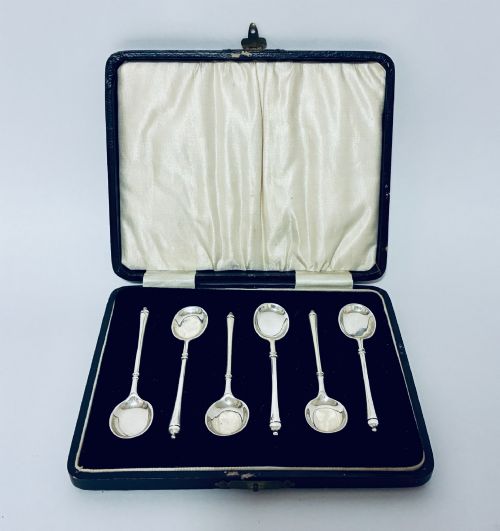
These pieces of antique boxed cutlery range from Georgian mahogany storage cases to Edwardian silver sets lined in velvet.
Antique Boxed Cutlery
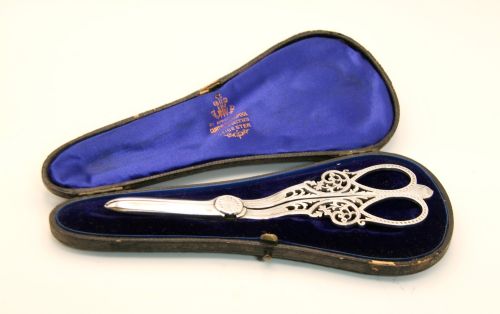
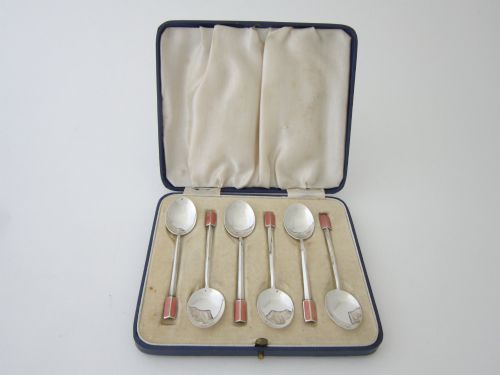
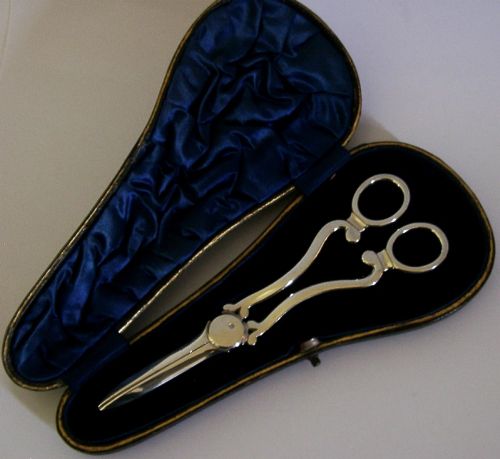
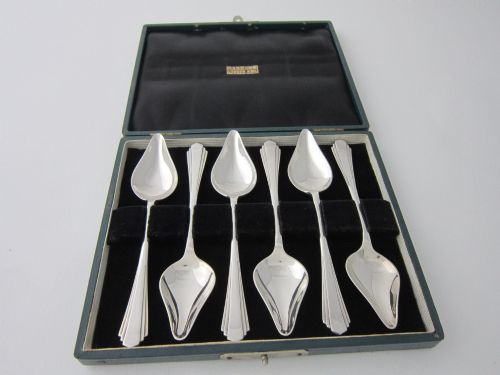
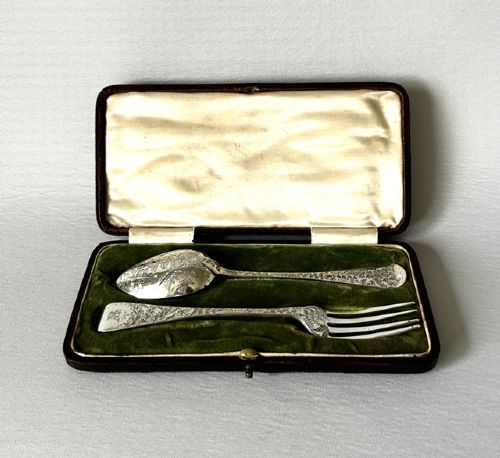
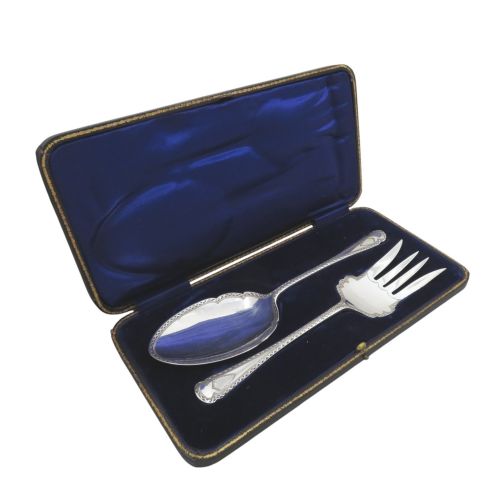
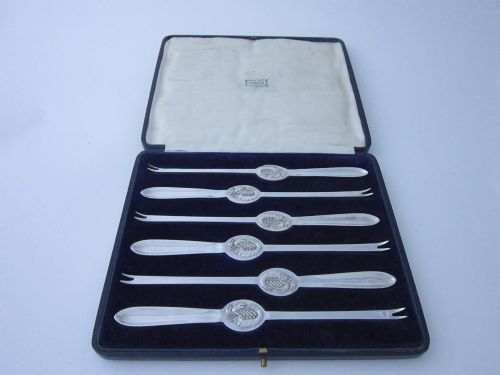
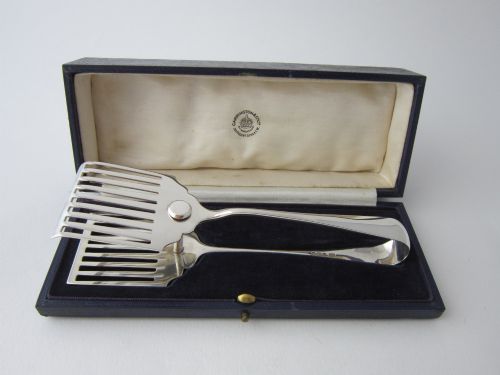
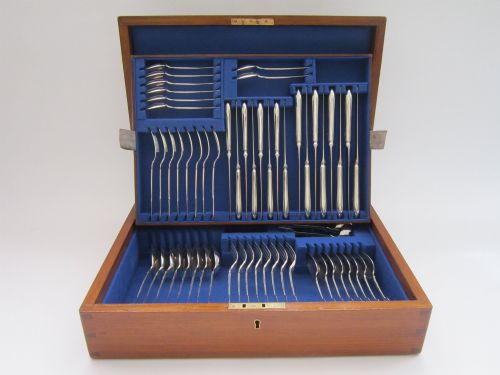
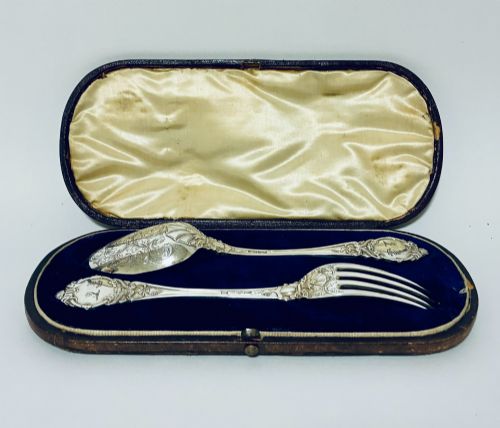
When you search for antique boxed cutlery, you encounter a diverse group of objects spanning the Georgian, Victorian, and Edwardian eras. The selection includes fitted canteens, dessert sets, Christening sets, and specialised implements such as grape shears and lobster picks housed in tailored cases.
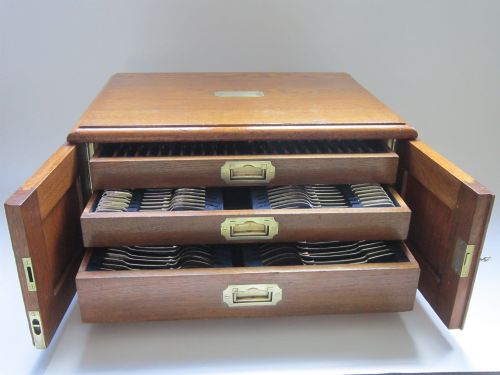
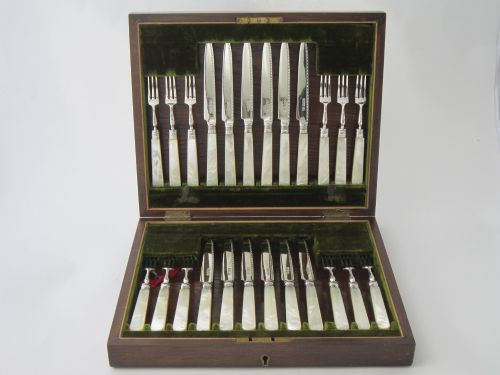
You are most likely to meet Victorian and Edwardian sterling silver sets alongside mahogany storage boxes fitted with brass hardware. These sets often accommodate specific dining rituals, pairing silver or silver-plated blades with mother-of-pearl handles.
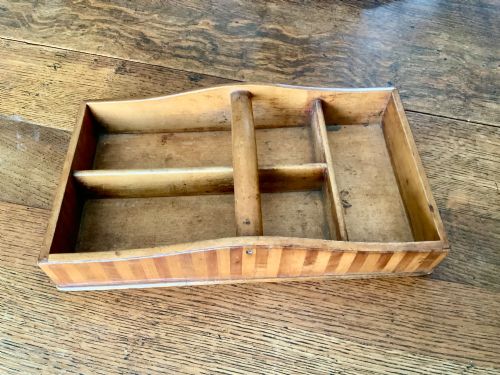
The category encompasses both the utensils themselves and the protective vessels made to contain them, including knife boxes, canteens, and trays. Materials such as velvet and silk line the interiors to cushion the metalwork.
Materials and construction
The makers utilised sterling silver, silver plate, and steel for the utensils, frequently combining them with organic elements like mother-of-pearl and bone for handles. Metal components display cast, engraved, or pierced details, particularly on serving pieces and fruit knives.
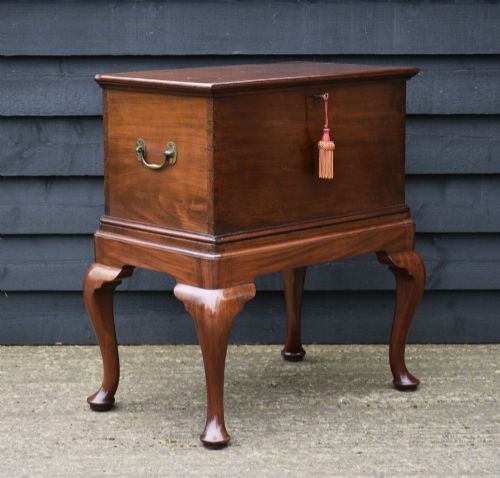
Storage housings rely on dense hardwoods such as mahogany, walnut, and satinwood, constructed with brass handles, hinges, and locks. Interiors feature tailored partitions lined in textiles like velvet, silk, and leatherette to secure each piece of cutlery.
Maids once hauled heavy toleware buckets across country house floors, unaware their chores would inspire antique collectors.
Factors of quality
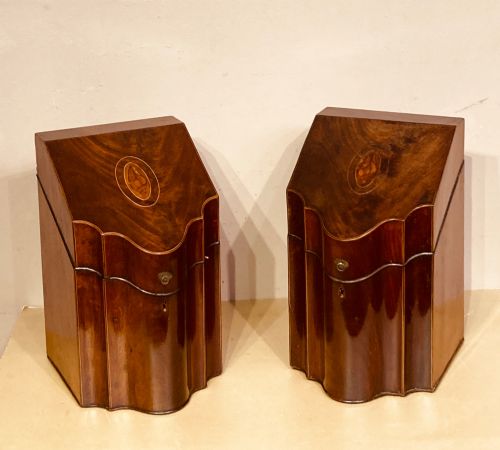
Quality rests upon the integrity of the housing and the matching consistency of the utensils within. Finer canteens and boxes display thoughtful proportions, such as bow fronts or serpentine shapes, paired with well-preserved interior linings that retain their fitted structure.
The execution of the metalwork defines the upper tier, seen in crisp hallmarks, substantial gauge silver, and harmonious handle materials across a full set. Cases constructed from figured timber with original brass mounts indicate superior craftsmanship.
Asprey & Co.·Carrington·Christofle·Jules Albrecht Geneve
The Antique Boxed Cutlery Glossary
- Canteen
- A fitted box or chest designed to hold a complete service of cutlery in designated slots and layers.
- Fiddle Pattern
- A nineteenth-century flatware design characterised by a stem that widens towards the base into a shape resembling a fiddle.
- Cutlery Urn
- A tall, vase-shaped wooden vessel from the eighteenth century used to store table knives.
- Lobster Pick
- A slender, specialised utensil used for extracting meat from shellfish during formal dining courses.
- Toledo
- A durable japanned metalware often used for kitchen buckets and utility containers in nineteenth-century country houses.
Antique Boxed Cutlery: Frequently Asked Questions
How do I clean tarnished silver cutlery?
Use a specialised silver polish and a soft cloth to gently remove tarnish without abrading the surface detail or hallmarks.
Avoid abrasive dips or harsh scrubbing that might damage delicate engraving or loosen fitted handle materials like mother-of-pearl.
Are these sets safe for modern dining?
Many sets remain entirely functional for special dining occasions, provided the joints and handles are inspected for stability.
Hand washing is essential for antique pieces, as modern dishwashers can warp wooden handles and ruin historical finishes.
How do I identify a Georgian knife box?
Georgian knife boxes typically feature sloping lids and serpentine or bow fronts designed to sit on sideboards in dining rooms.
Inside, you will find vertical wooden partitions pierced with graduated slots to hold upright table knives by their handles.
Why are some cutlery sets incomplete?
Individual pieces often became separated or lost over centuries of domestic use, hospitality, and generational inheritance.
Partial sets are common and remain collectible, valued for the remaining craftsmanship and the matching original presentation case.