


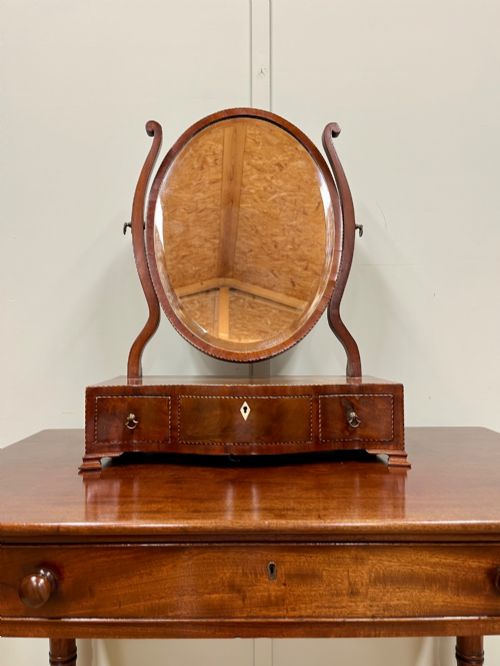
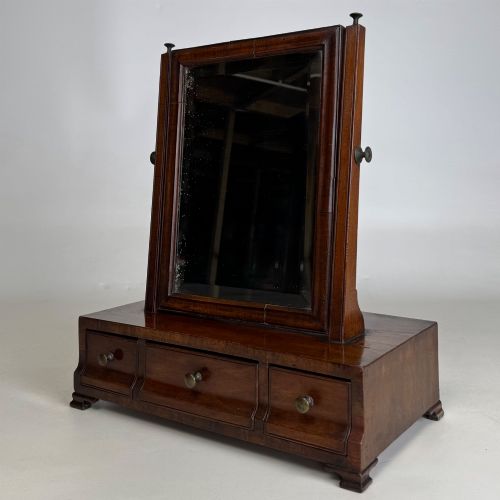

Antique Box with Mirror
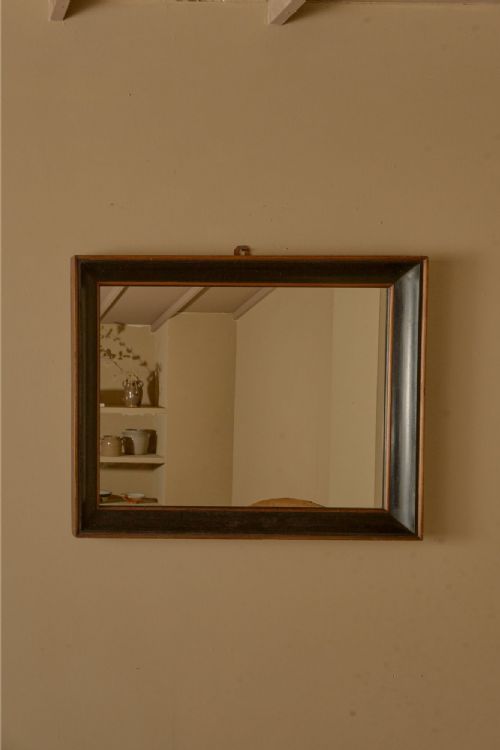
An antique box with mirror brings together timber and glass in a compact form designed for personal grooming.
Antique Box with Mirror
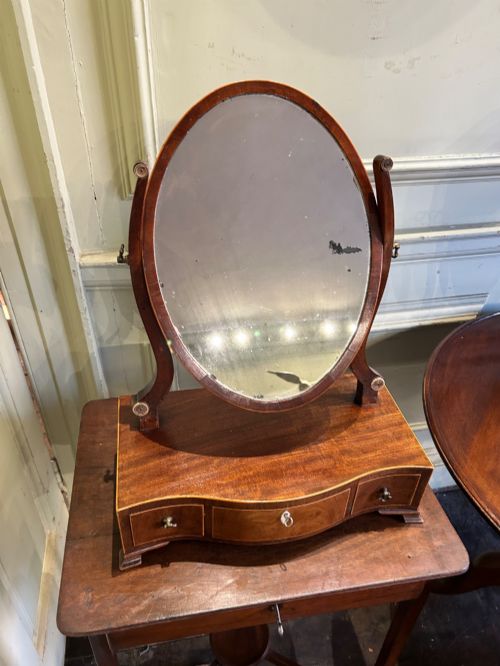
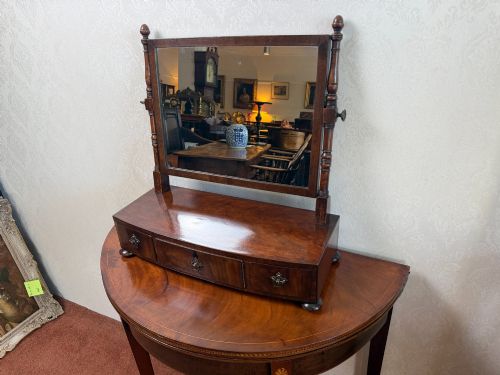
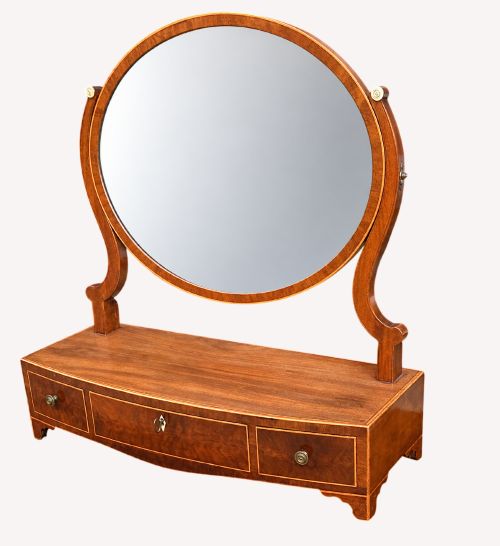
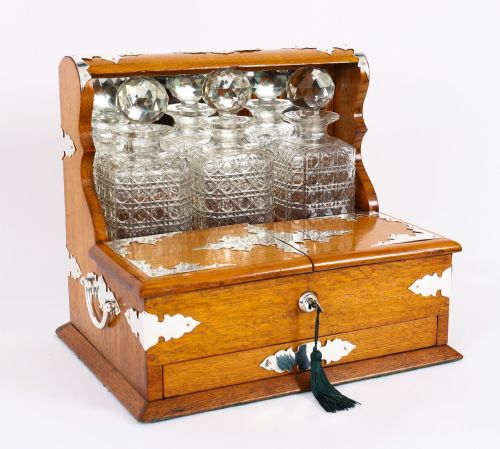
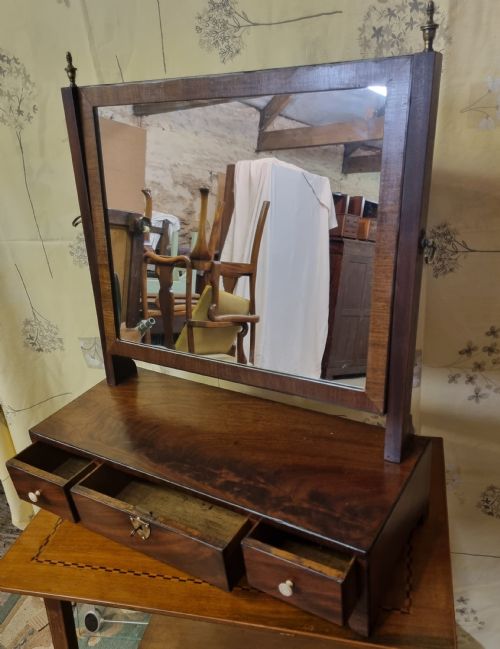
When you search for an antique box with mirror, you encounter pieces designed to sit on a dressing table or chest. These objects combine a tilting glass mirror with a small wooden base or box, often fitted with drawers for trinkets and personal items.
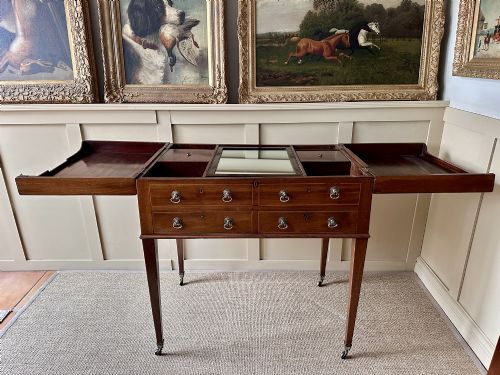
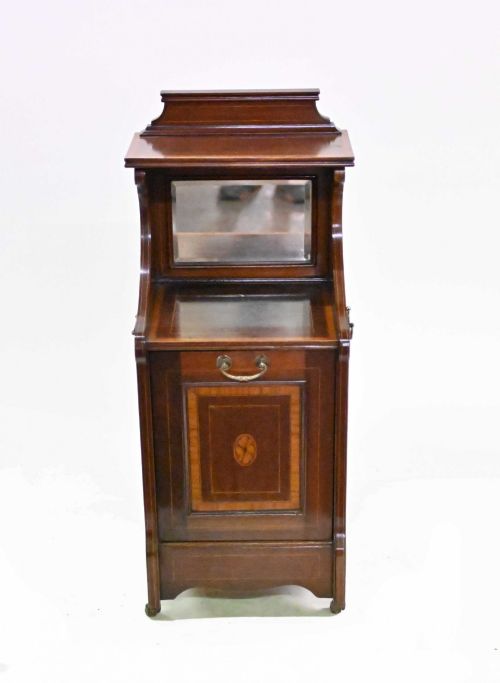
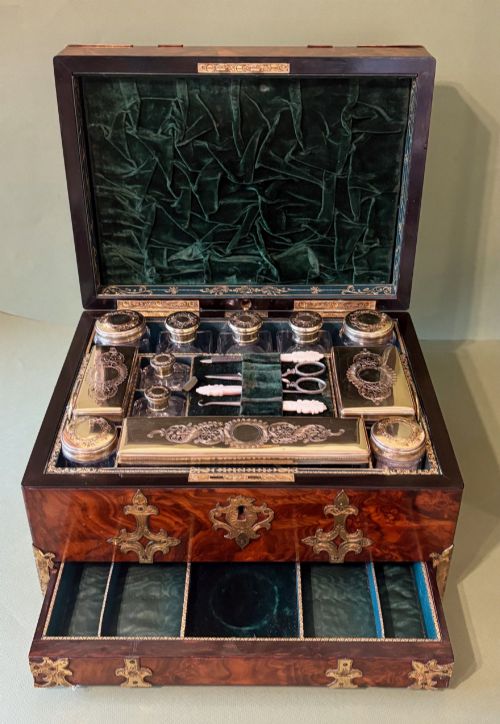
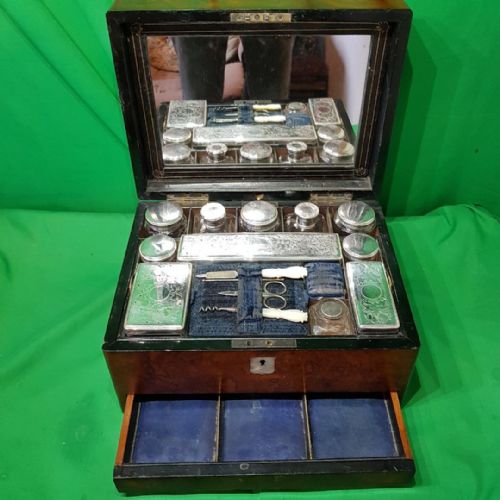
The most common versions on this page are toilet mirrors and dressing table mirrors dating from the eighteenth and nineteenth centuries. Examples span Georgian, Regency, and Victorian periods, alongside occasional variations that incorporate jewellery storage or small drawers within the base.
Makers from these eras constructed the frames in various woods such as mahogany, walnut, and oak. The mirror plate tilts on brass pivots above a box base, creating a functional tabletop accessory for daily use.
How they were made
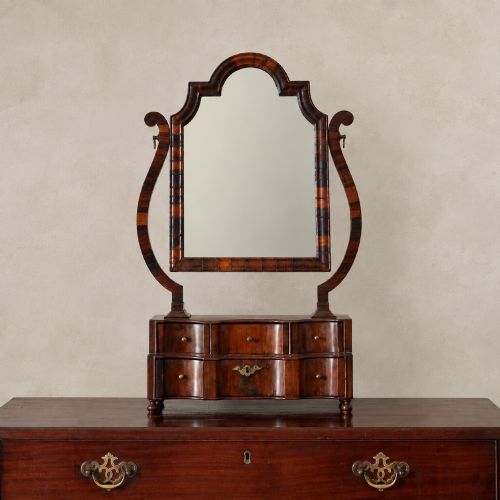
Cabinet makers constructed the frames using native and imported timbers, frequently selecting mahogany and walnut for their grain and durability. They shaped the mirror surrounds into rectangular, shield, or serpentine outlines, held by upright arms fastened to the box base.
Glass plates were silvered and set into rebated wooden frames to protect the edges. Brass hardware, including swing pivots, small knobs, and escutcheons, was fitted to secure the moving parts and drawer fronts.
Antique Box with Mirror Retail Price Guide 2026
Typical asking prices for box with mirror among the pieces listed under this phrase on Sellingantiques today, from the lower quarter to the upper quarter. They describe what is for sale here now, not the wider market.
Listings span the eighteenth and nineteenth centuries, featuring timber species such as mahogany, walnut, oak, and boxwood.
What varies in quality
Quality rests upon the selection of timber veneers and the crispness of the cabinet work. Finer examples display carefully matched wood grains on the box base and delicate mouldings around the mirror frame.
The proportion between the mirror plate and the supporting box structure dictates the visual balance of the piece. Substantial brass work and well-fitted drawers with dovetail joints separate standard utility items from finer workshop output.
The Antique Box with Mirror Glossary
- Toilet mirror
- A tabletop mirror mounted on a small box base, historically used for grooming and ablutions. These pieces often feature one or more small drawers beneath the glass.
- Shield mirror
- A mirror glass shaped like a heraldic shield, popular during the eighteenth century. This outline lightens the visual weight of the dressing mirror.
- Serpentine
- A curved line of furniture fronts or mirror bases that undulates outward and inward. This shaping requires skilled woodworking to achieve fluid symmetry.
- Dovetail
- A joint used in box construction formed by interlocking wedge-shaped fingers. It provides strong permanent fastening for drawer corners.
- Swing mirror
- A glass plate hung on pivots between two upright arms so it can tilt to different angles. The brass pivots allow the user to adjust the reflection.
Antique Box with Mirror: Frequently Asked Questions
Where should I place a dressing mirror?
These boxes sit comfortably on top of chests of drawers, sideboards, or dedicated dressing tables. Their compact footprints allow them to function well in bedrooms or hallways.
Ensure the surface is level and deep enough to support the box base safely without overhang.
How do I date a Georgian mirror?
Examine the timber choices, construction methods, and the style of the base box. Eighteenth-century pieces often utilise mahogany or walnut with hand-cut dovetails and original mirror glass.
Secondary woods inside the drawers also offer clues to the period of manufacture.
Can the mirror glass be replaced?
While original glass plates show desirable age and silvering variations, replacements are sometimes necessary for practical use. Modern silvered glass can be cut to fit the historic wooden rebate.
Retaining the original plate maintains historical integrity where possible.
What is the difference between a toilet mirror and a dressing mirror?
The terms are largely interchangeable across the periods represented here. Both refer to tabletop looking glasses supported by a frame or small chest.
Some variations include fitted compartments for jewellery or cosmetics inside the base box.