


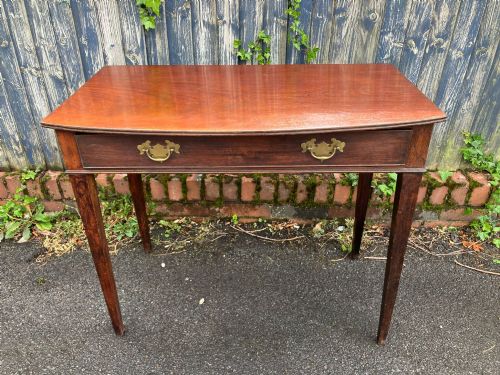


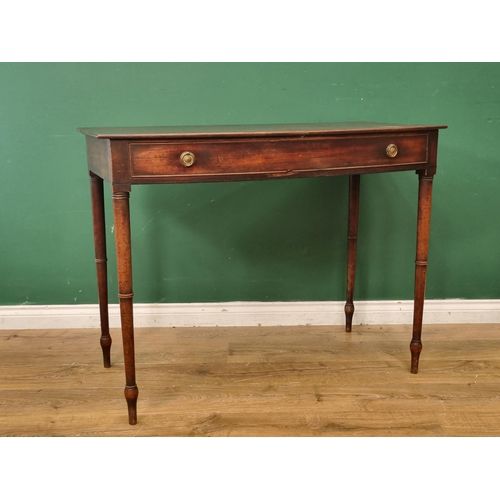


Antique Bowfront Desk
An antique bowfront desk brings sweeping curves and practical writing surfaces into a room, offering both elegance and everyday utility.
Antique Bowfront Desk
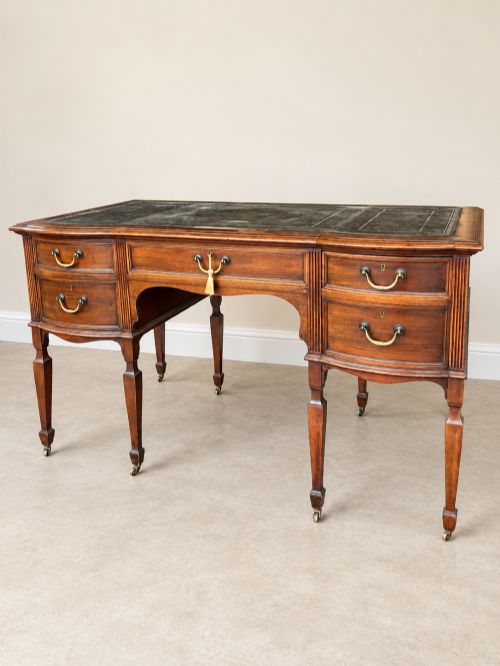
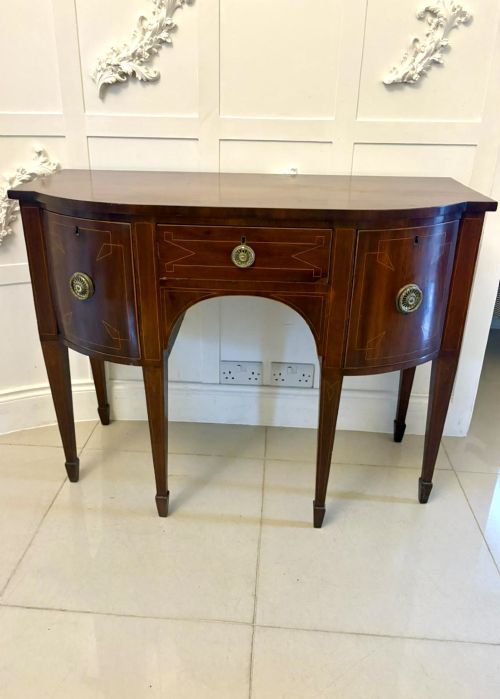
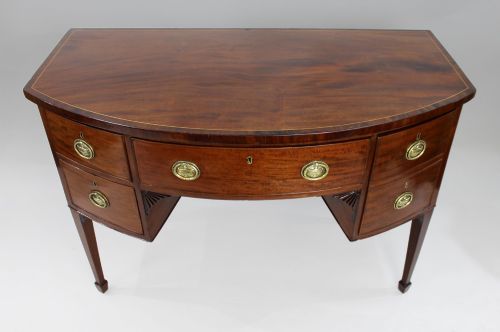
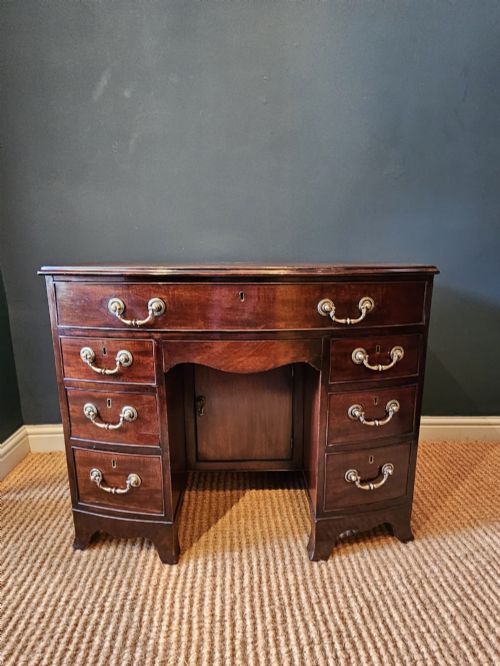
When you search for an antique bowfront desk, you encounter various forms featuring the characteristic rounded front profile. The selection includes writing tables, dressing chests, and sideboards adapted for writing, spanning Georgian, Regency, and Victorian periods.
Mahogany predominates among the surviving pieces, often enhanced by flame veneers or delicate inlay work. These items range from compact side tables with writing slides to larger pedestal desks and kneehole tables.
Georgian and Regency examples establish the classic proportions, while later Victorian and Edwardian pieces continue the tradition in pine, walnut, and mahogany. Buyers most frequently meet side tables and dressing tables that double as writing surfaces.
What varies in quality
The choice of primary timber and veneer figure dictates much of the visual appeal, with flame mahogany and crisp boxwood inlay marking superior examples. Finely figured grain patterns across a curved surface demand exceptional skill from the cabinetmaker.
Hardware selection and secondary wood choices also distinguish finer pieces from simpler utility items. Well-executed drawer construction, tight joinery, and intact leather inserts separate the exceptional examples from standard production.
Antique Bowfront Desk Retail Price Guide 2026
Typical asking prices for bowfront desk among the pieces listed under this phrase on Sellingantiques today, from the lower quarter to the upper quarter. They describe what is for sale here now, not the wider market.
Maples added marble tops to bowfront tables, offering a surprisingly durable surface for nineteenth-century writing.
Maples
The Antique Bowfront Desk Glossary
- Bowfront
- A curved convex front profile that projects outward in an arc. This shape softens the corners of case furniture and side tables.
- Flame mahogany
- A veneer cut from the fork of the mahogany tree where the branch meets the trunk. It produces a dramatic, flame-like pattern.
- Secretaire
- A desk or chest of drawers featuring a fitted pull-down writing drawer. It conceals small compartments and pigeonholes inside.
- Stringing
- A narrow inlay of contrasting wood used to outline drawers, legs, or tabletops. Boxwood is frequently used for this linear detail.
- Kneehole
- A recessed space beneath the central section of a desk or table to accommodate the user's legs. It is flanked by banks of small drawers.
- Writing slide
- A pull-out shelf positioned above drawers or beneath the top surface. It provides an extendable workspace without increasing the footprint.
Antique Bowfront Desk: Frequently Asked Questions
How do I identify a Georgian bowfront piece?
Georgian pieces typically display hand-cut dovetails, solid mahogany secondary framing, and restrained proportions. The timber often shows a deep, warm patina developed over centuries of use.
Look closely at the drawer construction and hardware fixings to confirm the period characteristics. Regional woods like pine may appear in secondary elements of provincial examples.
Where should I place a bowfront desk?
These pieces suit home offices, studies, or reception rooms where the curved front can be appreciated without obstructing pathways. Their finished backs sometimes allow them to sit away from the wall.
Ensure the lighting highlights the mahogany grain and any boxwood inlay. Pair the desk with a low-backed chair that slides neatly beneath the writing surface.
How do I care for mahogany and leather surfaces?
Dust mahogany regularly with a soft, dry cloth and nourish the wood periodically with appropriate wax. Avoid placing the furniture in direct sunlight or near heat sources to prevent the veneer from lifting.
Treat leather writing inserts with specialist leather cream to keep the material supple. Keep liquids away from the leather and wipe spills immediately.
What is the difference between a side table and a desk?
Side tables designed with writing slides or fitted drawers often double as compact desks. Dedicated desks usually incorporate deeper kneeholes or banks of pedestals for storage.
Examine the interior configuration to determine the primary intended function of the piece. Many Georgian and Regency pieces served flexible roles within the home.