
Antique Bow Fronted Cabinet
When searching for an antique bow fronted cabinet, collectors encounter curved silhouettes spanning the Georgian era to the early twentieth century.
Antique Bow Fronted Cabinet
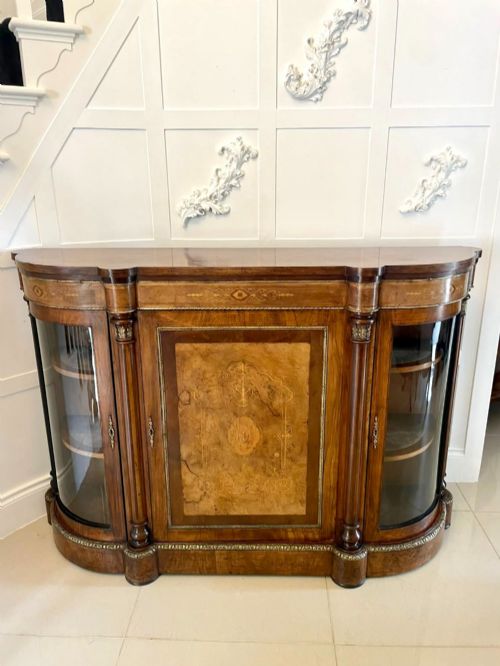
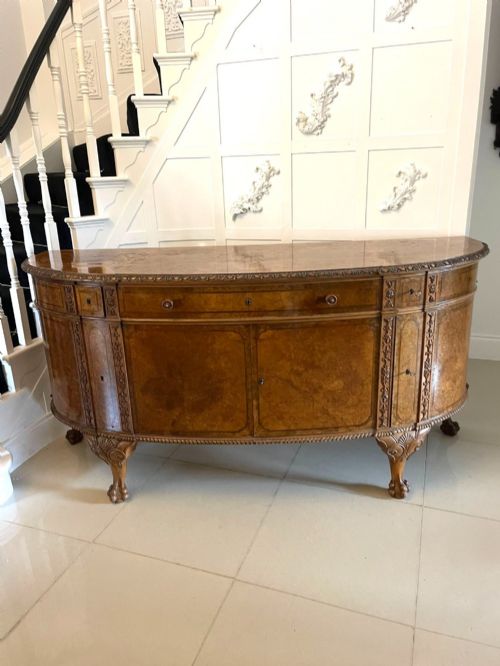
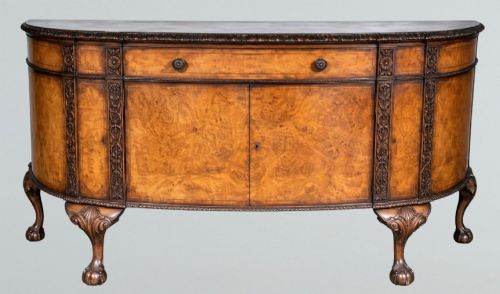
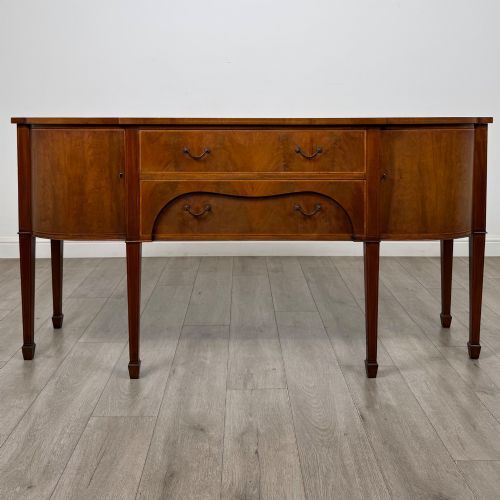
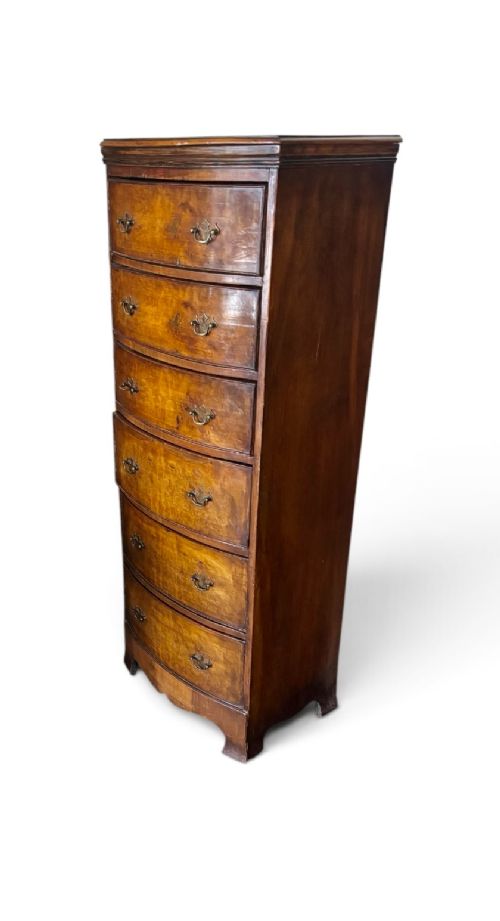
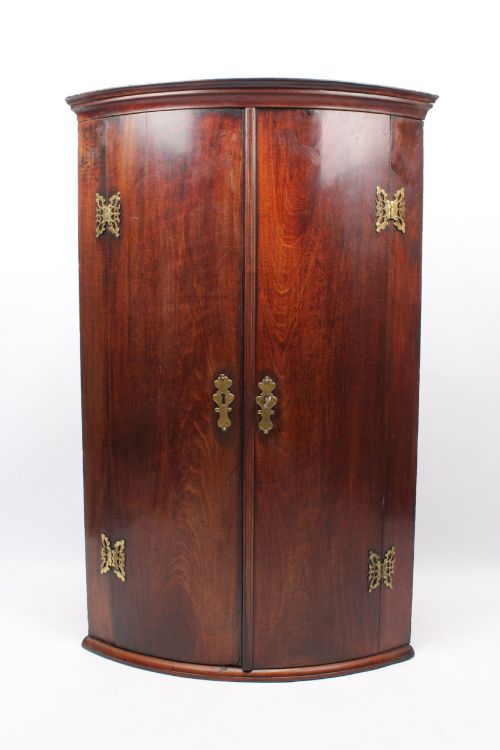
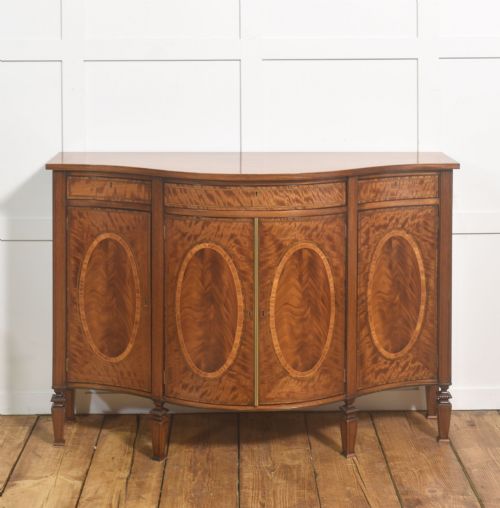
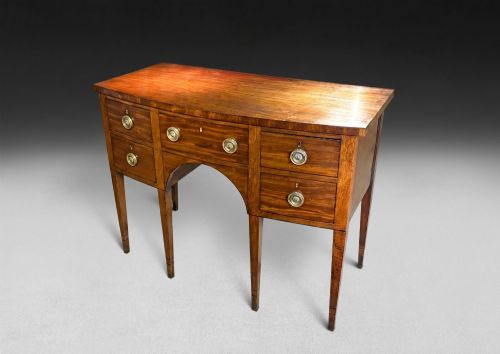
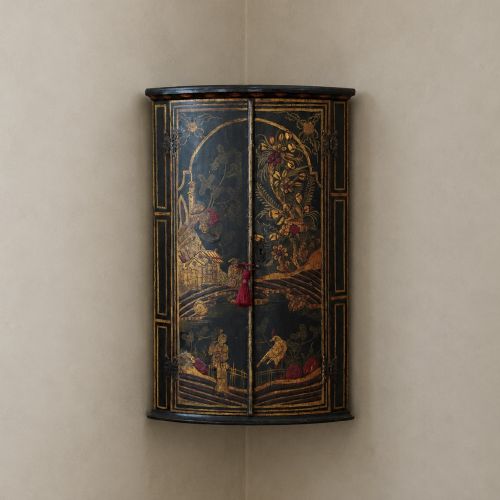
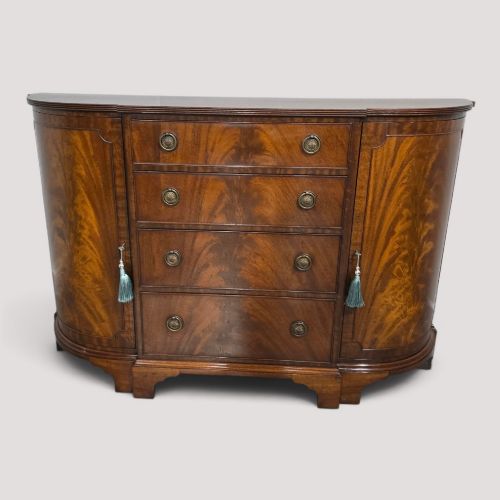
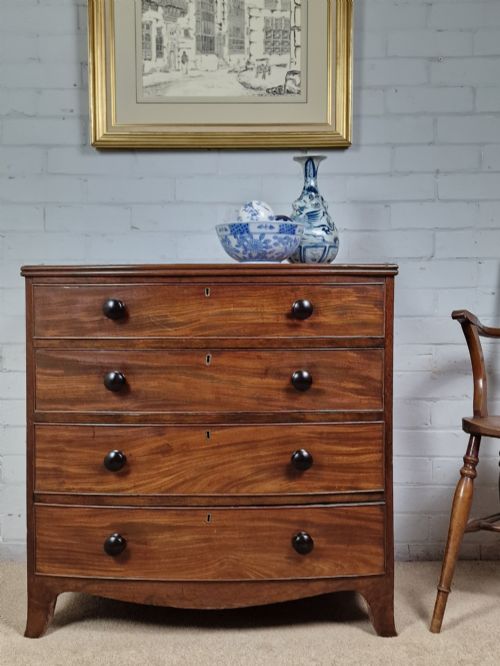
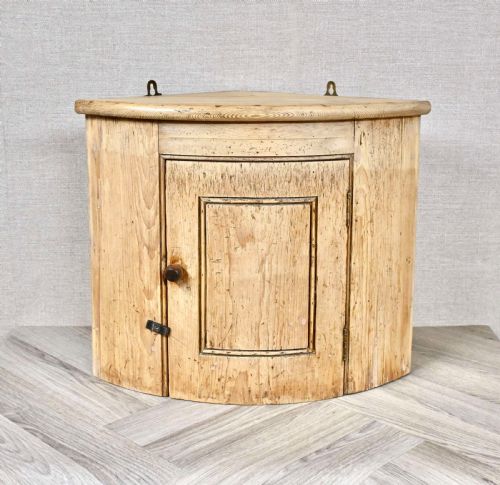
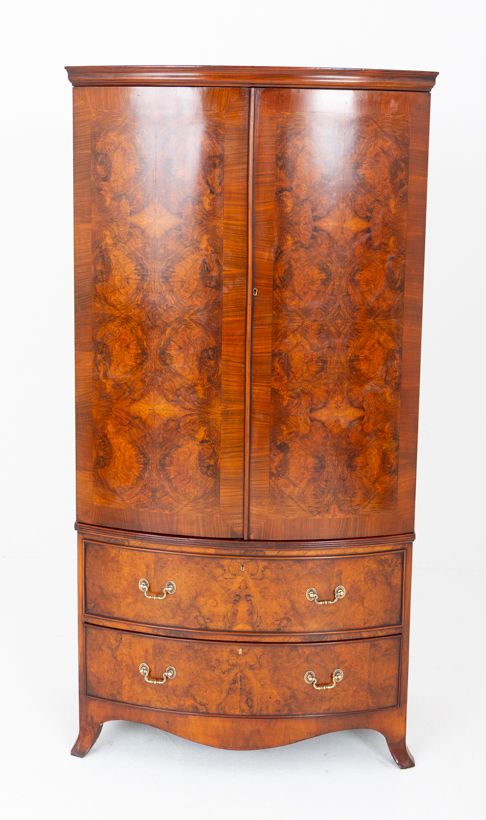
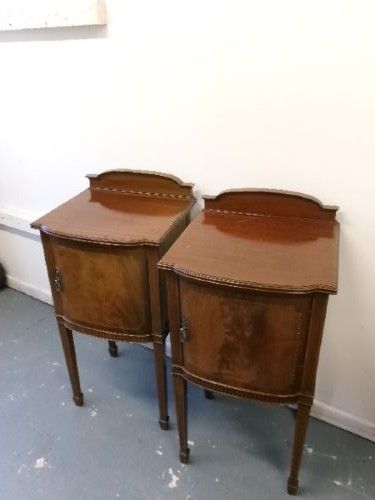
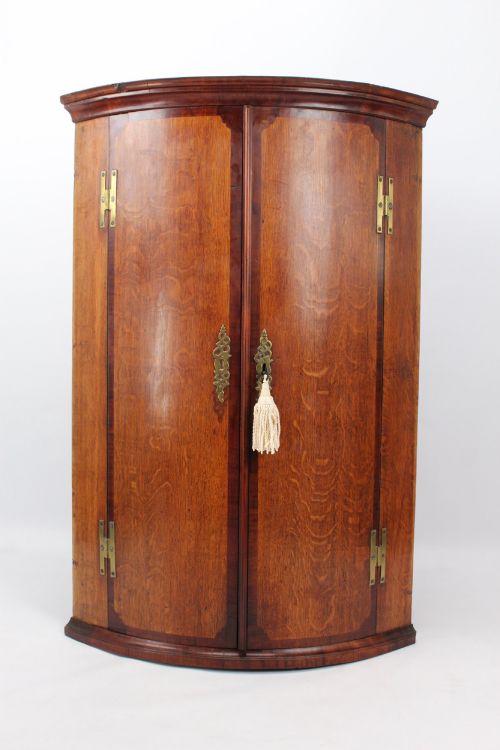
An antique bow fronted cabinet presents a convex curved front that softens the angles of a room while adding depth to storage furniture. Buyers searching this phrase will find a diverse selection ranging from tall corner cupboards and display cabinets to sideboards and bedside units.
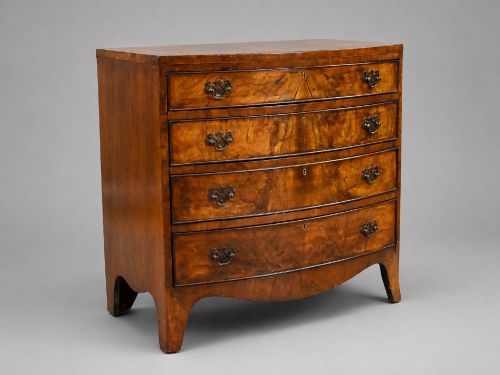
The pieces appearing on this page span several centuries of design, with significant representation from the Georgian and Edwardian periods. Mahogany and burr walnut dominate the forms, frequently enriched with delicate inlay or painted decoration.
Materials and construction
Cabinet makers utilised dense hardwoods such as mahogany and oak for the foundational carcases, ensuring structural stability for the curved doors and drawers. Veneers of burr walnut and satinwood were carefully matched and applied to create intricate grain patterns across the sweeping fronts.
Fine brass handles, hinges, and occasional glass panels complete the construction of these pieces. Joinery relied on traditional techniques to accommodate the tension inherent in bending wood to form the characteristic curved outline.
Forms include corner cupboards, display cabinets, sideboards, and bedside units.
Gradations of craftsmanship
The distinction between standard examples and superior pieces often lies in the selection of timber veneers and the precision of the curved joinery. Figured grains like plum pudding mahogany or burr walnut indicate higher status output, particularly when matched symmetrically across drawer fronts and doors.
Subtleties in decorative work, such as fine marquetry inlay, stringing, and hand-painted Chinoiserie motifs, elevate individual items. The integration of original brass hardware and well-fitted glazed doors further distinguishes the finer examples in this category.
Maple & Co.
The Antique Bow Fronted Cabinet Glossary
- Bow front
- A convex curved cabinet front that projects outward in a smooth arc. This shape gained popularity during the Georgian period to soften rigid room geometry.
- Burr walnut
- A highly figured wood veneer harvested from the growths of walnut trees. It displays swirling patterns prized by cabinet makers for formal furniture.
- Corner cupboard
- A triangular storage piece designed to fit neatly into the ninety-degree angle of a room. Many early examples feature curved bow fronts.
- Stringing
- Thin bands of contrasting wood inlay used to outline drawers, doors, and tabletops. This technique defines surfaces on Sheraton Revival and Edwardian pieces.
- Vitrine
- A glass-fronted display cabinet intended for the presentation of porcelain and curiosities. These often incorporate delicate painted satinwood frames.
Antique Bow Fronted Cabinet: Frequently Asked Questions
Where should I place a corner cabinet?
A corner cabinet fits directly into the angle of a room, making efficient use of overlooked spaces while adding architectural interest.
Wall-mounted versions require secure fixing to studs, whereas tall floor-standing models anchor easily into existing room layouts.
How do I care for walnut veneer?
Walnut veneer requires protection from direct sunlight and excessive humidity to prevent warping and fading. Regular dusting with a soft, dry cloth preserves the polished surface without moisture damage.
Periodic application of suitable furniture wax maintains the depth of the grain.
What is the difference between Georgian and Edwardian pieces?
Georgian pieces generally exhibit heavier timber construction with solid mahogany or oak carcases and restrained proportions. Edwardian interpretations often feature lighter satinwood finishes, delicate painted decoration, and revival styling.
Revival furniture from the early twentieth century frequently reinterprets eighteenth-century proportions with updated interior fittings.
Can I use a cocktail cabinet in a modern living room?
Cocktail cabinets provide dedicated interior storage for glassware and bottles behind lockable curved doors. Their compact footprint allows them to function as striking focal points in contemporary entertaining spaces.
Mirrored interior compartments and glass shelves reflect ambient light effectively.