


Antique Bottle Chest
An antique bottle chest is a robust container designed to hold vintage wine, and serious collectors prize them for their rich timber and historic utility.
What an antique bottle chest is
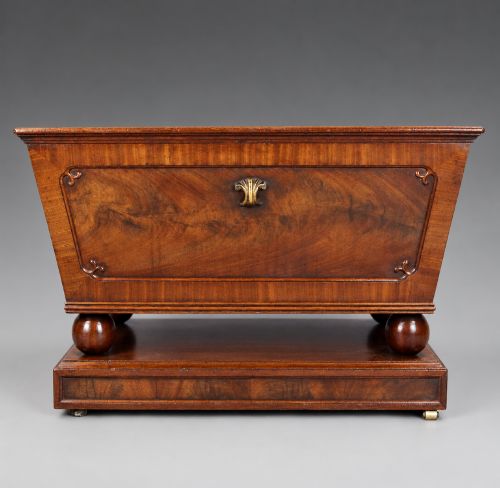
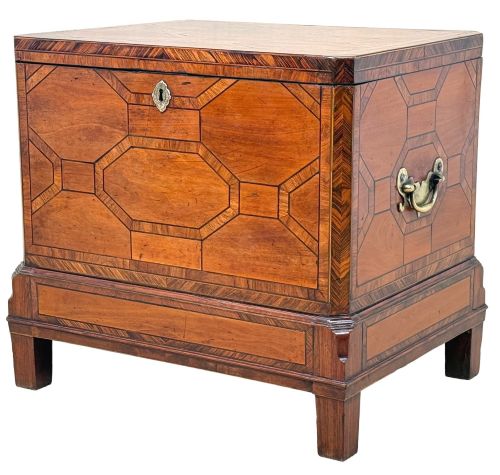
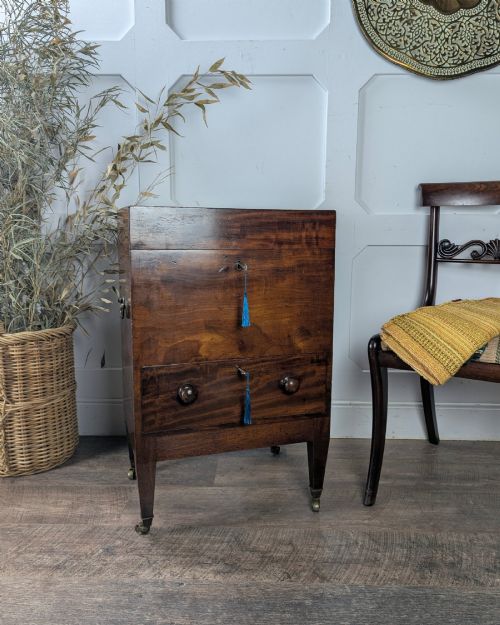
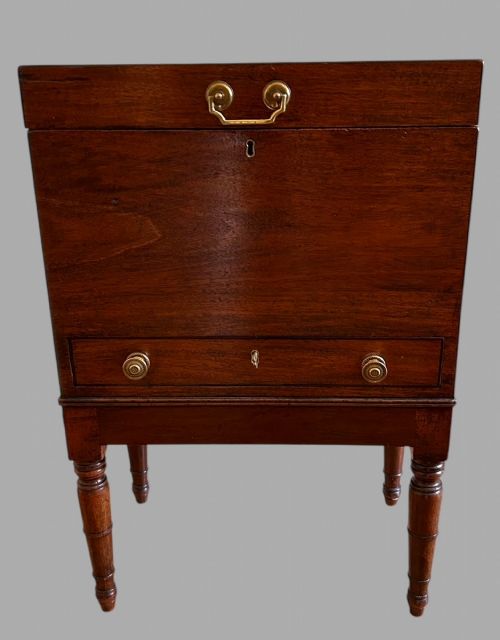
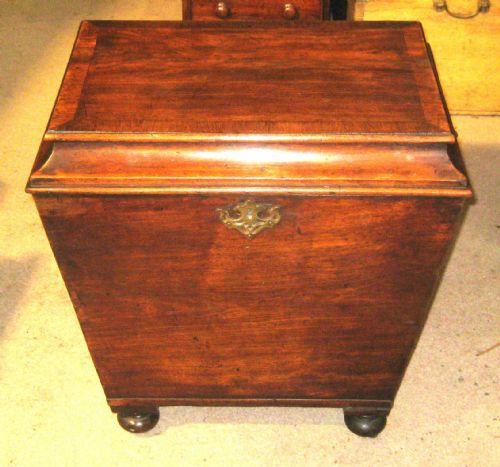
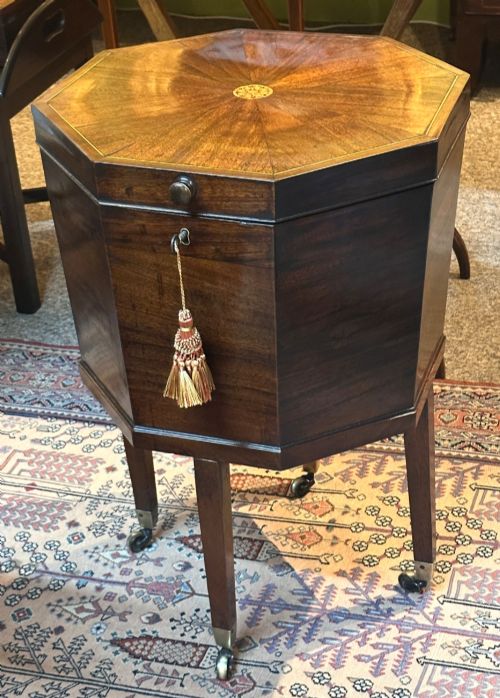
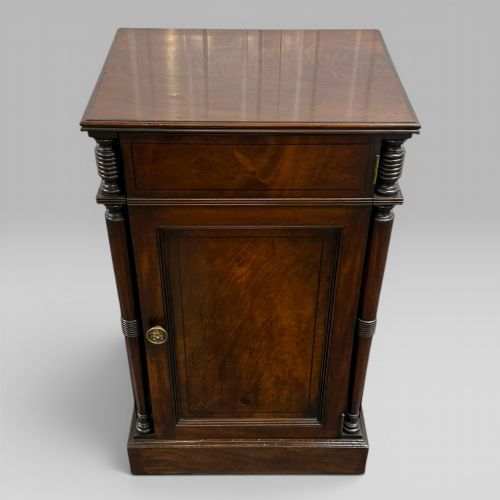
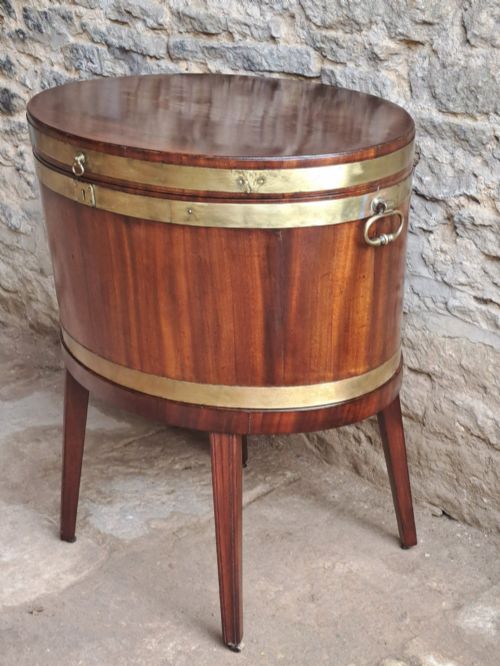
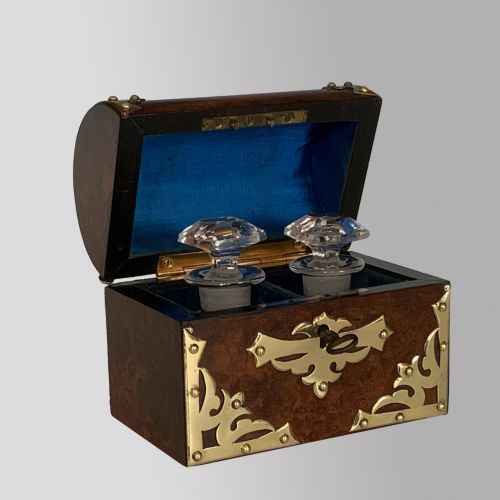
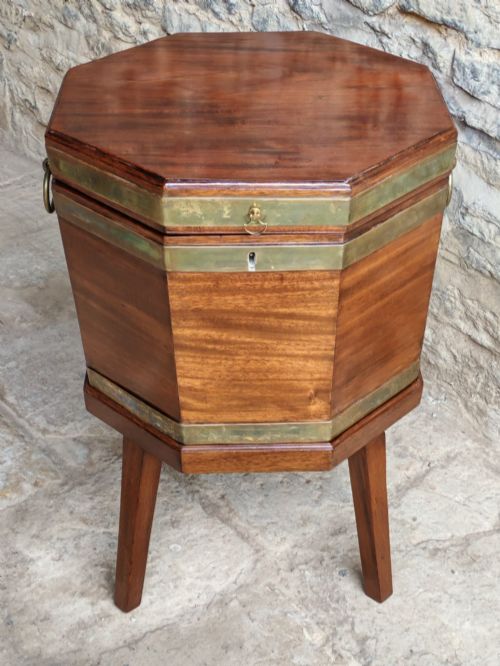
An antique bottle chest, more commonly known as a cellarette or wine cooler, is a specialised storage piece designed to keep bottles secure and cool in domestic dining rooms. When searching for an antique bottle chest, buyers encounter functional forms originating from the eighteenth and nineteenth centuries.
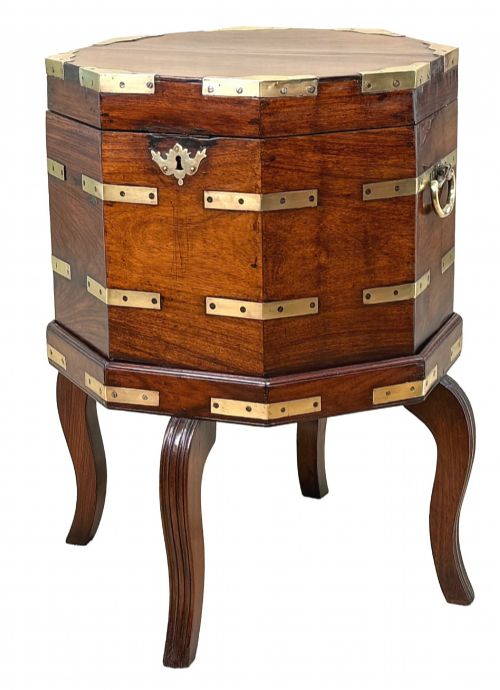
Mahogany predominates amongst the current listings, supported by instances of padouk and oak. These woods were chosen for their durability and handsome grain, housing internal compartments once lined with lead or metal to hold ice and bottles.
How they were made
Cabinet makers constructed these pieces using dense hardwoods such as mahogany and padouk, often selecting stock with rich natural figures. These timbers were joined using traditional cabinet-making methods to withstand the heavy weight of glass bottles and liquid.
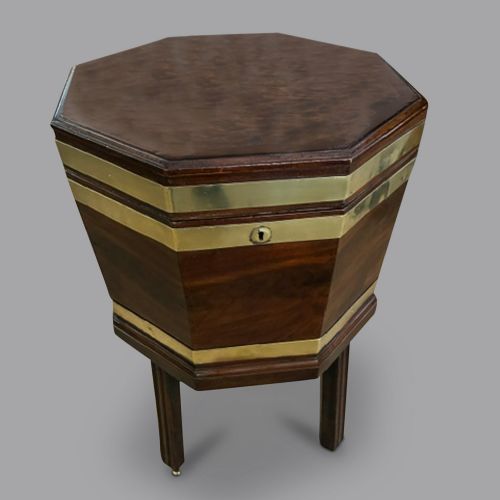
Metal fittings, including brass handles and hinges, were incorporated for structural support and ease of movement. Interior partitions and metal linings were engineered to manage melting ice and keep individual bottles separated and secure.
Retail Price Guide 2026
Typical UK retail prices for bottle chest, calculated from the Sellingantiques database of over a million retail prices indexed since 2003. This retail price guide relies exclusively on Sellingantiques data; no external sources or auction records are used, so the figures do not describe the wider market.
Many chests retain traces of old lead linings that once kept expensive vintage wines nicely chilled for Georgian dinner parties.
What varies in quality
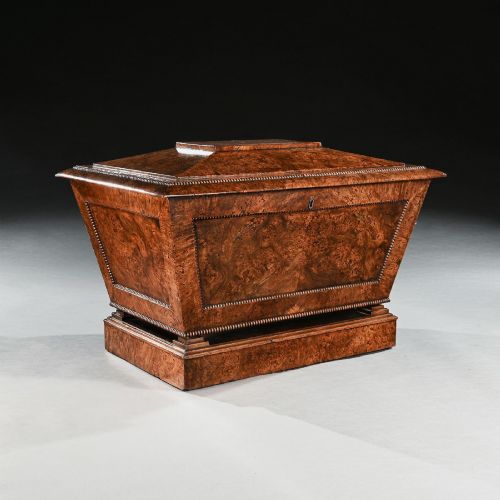
The distinction between standard and superior pieces rests in the selection of timber and the sophistication of the carving. Exemplary examples exhibit carefully matched mahogany veneers, precise fluting, and sculptural forms akin to Regency neoclassical design.
Hardware quality further separates the tiers of production. Heavy cast brass mounts and integrated locks indicate higher workshop standards than simpler utilitarian fittings found on more basic provincial items.
The Antique Bottle Chest Glossary
- Cellarette
- A lockable container used for storing wine bottles near the dining table. They frequently double as wine coolers.
- Sarcophagus style
- A heavy, tapering form with a domed lid popular during the Regency period. This design mimics ancient stone coffins.
- Padouk
- A durable tropical hardwood with a reddish brown colour used in Anglo-Indian colonial furniture. It offers exceptional stability and grain.
Frequently Asked Questions
What is an antique bottle chest used for?
These pieces were originally built to store wine bottles and keep them chilled with ice during formal dining occasions. Today, collectors utilise them as striking decorative containers or side tables in living spaces.
Their substantial internal depth and compartmentalised layouts make them practical for storing various household items while displaying period craftsmanship.
How do I date an antique bottle chest?
Dating relies on examining the timber species, construction methods, and stylistic cues present in the design. Georgian and Regency pieces often feature distinct architectural motifs and specific wood selections.
Hardware styles and internal metal linings also offer clues to the era of manufacture, distinguishing eighteenth-century work from nineteenth-century production.
What woods were used for these chests?
Makers predominantly relied on dense hardwoods like mahogany due to its strength and attractive dark grain. Oak and exotic woods like padouk also appear in specific regional styles.
These timbers were chosen to endure heavy daily use and support the considerable weight of glass bottles and metal linings.
Where were cellarettes placed in a home?
They traditionally stood on the floor beneath a sideboard or adjacent to the dining table for easy access by servants. Their placement allowed wine to be served directly without frequent trips to the cellar.
Modern interiors often place them as freestanding focal points in dining rooms or entrance halls.