


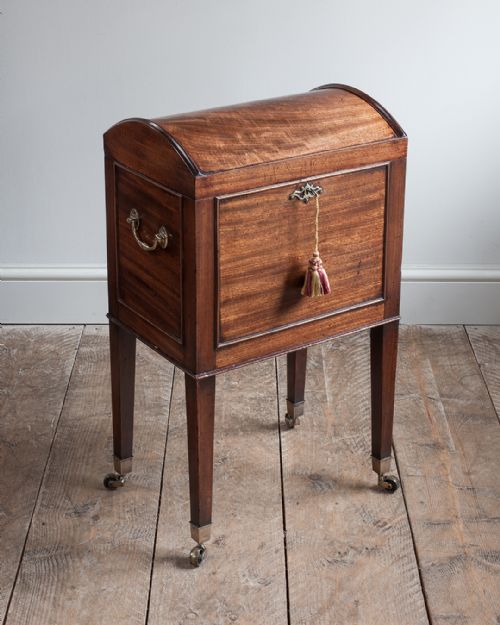

Antique Bottle Caddy
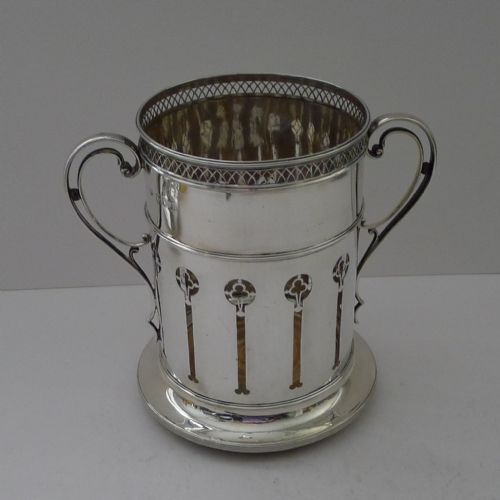
An antique bottle caddy organises your decanters and bottles with the robust elegance of Georgian and Victorian dining rooms.
Antique Bottle Caddy
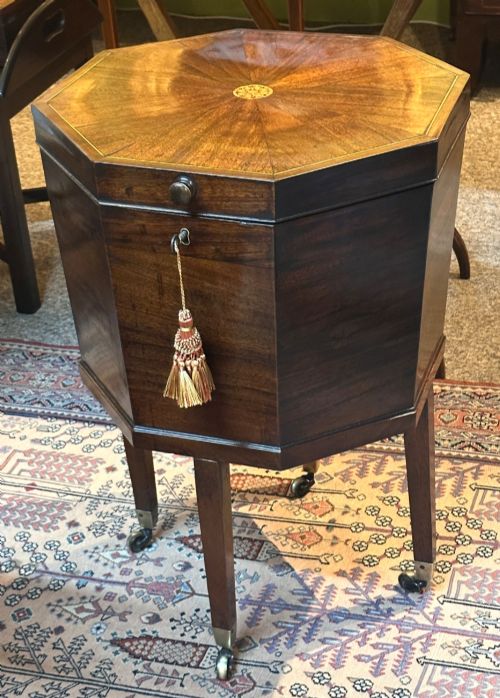
When you search for an antique bottle caddy, you are looking at items designed to hold, carry, or lock away glass vessels of wine, spirits, and condiments. The evidence shows these pieces span cruet sets, cellarettes, wine coolers, tantalus frames, and individual bottle holders.
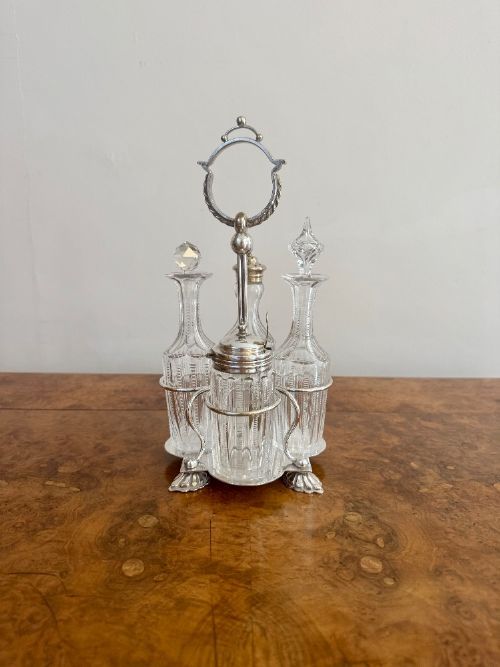
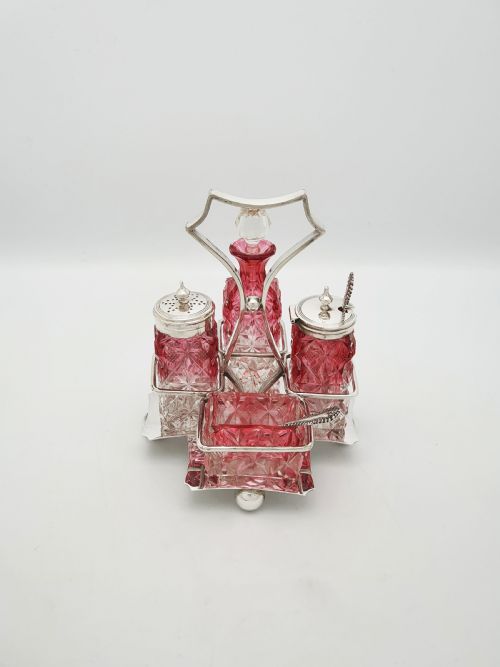
The version you are most likely to meet on this page is the Edwardian silver plated cruet set or the Georgian mahogany cellarette. These forms reflect the changing domestic habits of dining and entertaining across the eighteenth, nineteenth, and early twentieth centuries.
Pieces originating from the Georgian, Victorian, and Edwardian periods dominate the selection, alongside specific regional variations like Anglo-Indian examples. Each form served a distinct purpose at the dining table, sideboard, or travelling case.
How they were made
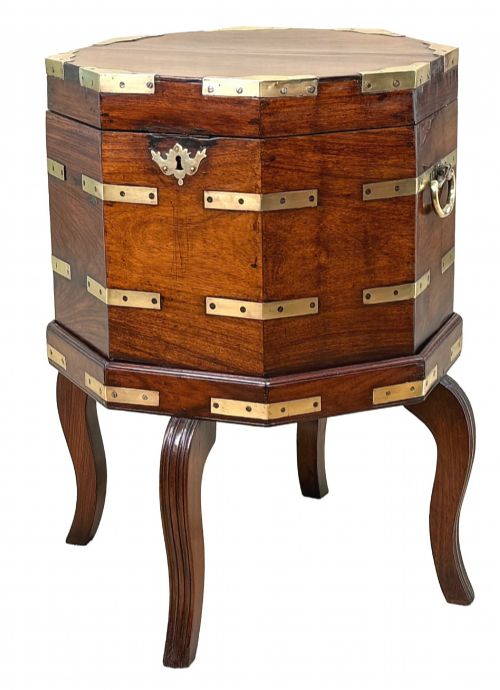
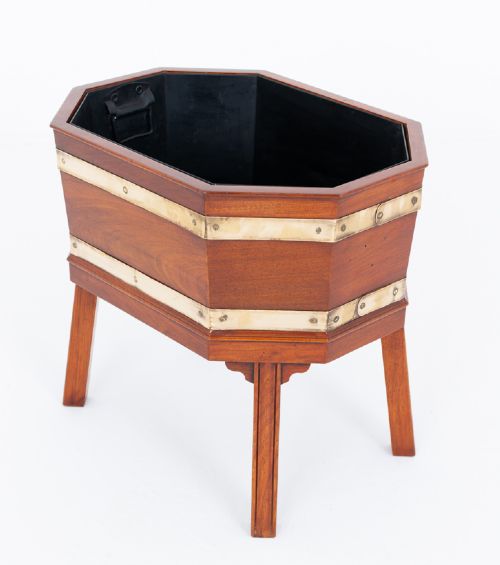
Makers utilised dense timbers such as mahogany and oak, often mounting them with brass handles, bindings, and feet for structural strength. These woods were shaped into octagonal, oval, or box forms, sometimes featuring inlaid details.
Metalwork played a central role, combining sterling silver, silver plate, and brass for frames, handles, and bottle mounts. Glass components were frequently cut, flashed, or moulded to create matching decanters, cruet bottles, and scent containers.
Mountain climbers took whisky bottles in leather cases.
What varies in quality
The standard of timber selection and cabinetmaking dictates the upper tier of wooden pieces. Finely figured mahogany, tight joinery, and substantial brass mounts distinguish superior cellarettes and bottle carriers from simpler utility boxes.
In metalwork and glass, quality rests on the crispness of the cutting, the weight of the silver plating or solid silver, and the completeness of matching bottle sets. Retaining the original fitted interiors and matching glassware elevates a piece considerably.
Gillows·James Dixon
The Antique Bottle Caddy Glossary
- Cellarette
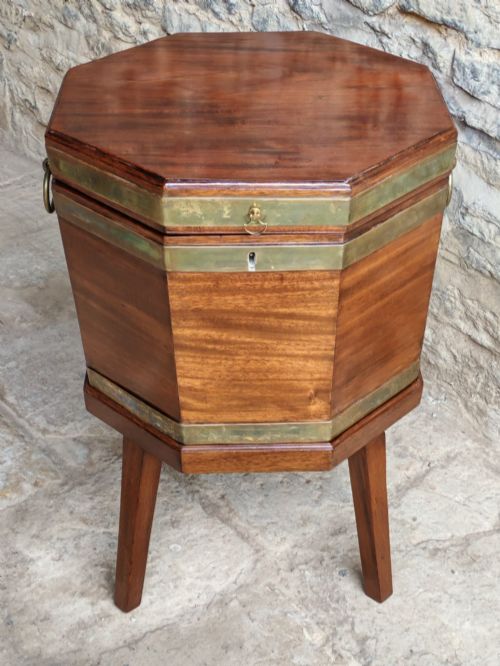
- A lockable cabinet or container used for holding wine bottles near the dining table. They frequently appeared in mahogany during the Georgian period.
- Cruet set
- A matched collection of glass bottles for holding condiments like oil, vinegar, salt, and mustard, held within a silver plated or metal frame.
- Tantalus
- A locking wooden frame holding decanters with their stoppers secured in place, designed to prevent servants or guests from helping themselves to the spirits.
- Padouk
- A heavy, durable tropical hardwood with a reddish hue, utilised in furniture making such as Anglo-Indian colonial pieces.
- Cut glass
- Glassware decorated by grinding facets or patterns into the surface using a wheel, common in Edwardian cruets and decanters.
Antique Bottle Caddy: Frequently Asked Questions
What is an antique bottle caddy used for?
These pieces served to transport, present, or store glass bottles containing wine, spirits, or table condiments. They kept glassware organised and accessible during formal dining.
Depending on the specific form, they sat on the sideboard, the floor beneath, or travelled with the owner in fitted cases.
How do I identify a Georgian cellarette?
Georgian cellarettes typically feature solid mahogany construction, often with brass carrying handles, decorative banding, or brass binding. They date from the eighteenth or early nineteenth century.
Inside, you will often find wooden dividers sized specifically to hold wine bottles securely.
What is the difference between a tantalus and a cruet set?
A tantalus is a locking frame designed specifically to hold spirit decanters securely without pouring access. They usually date from the Victorian and Edwardian eras.
A cruet set, by contrast, holds smaller condiment bottles in an open metal frame for table service rather than securing spirits under lock.
Are the glass bottles usually original?
Many pieces retain their original matching cut glass or moulded bottles, though some have replacement glassware assembled later. Matching sets significantly enhance the integrity of the piece.
Examining the wear on the bases and the fit within the frame helps determine if the bottles belong to the original manufacture.