

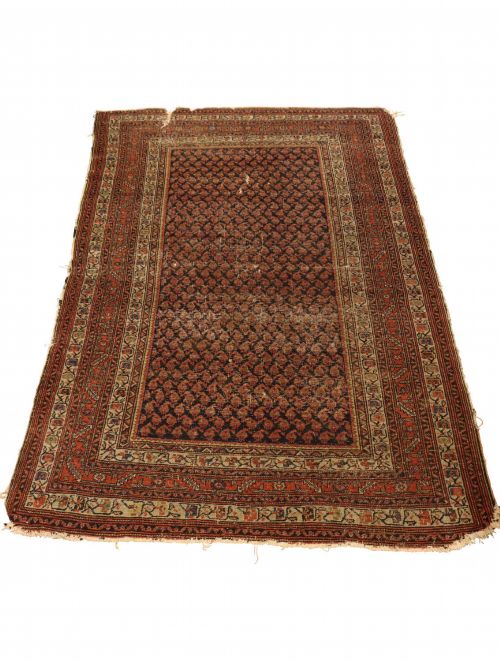


Antique Boteh Rug
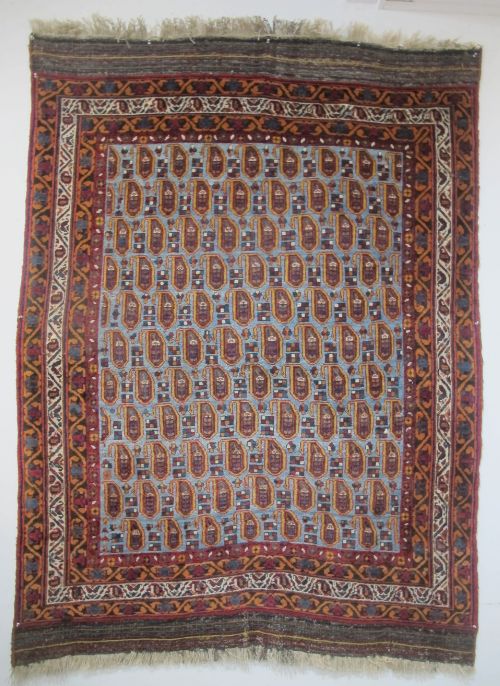
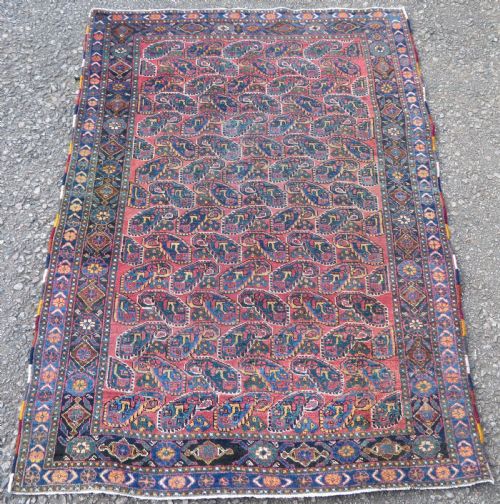
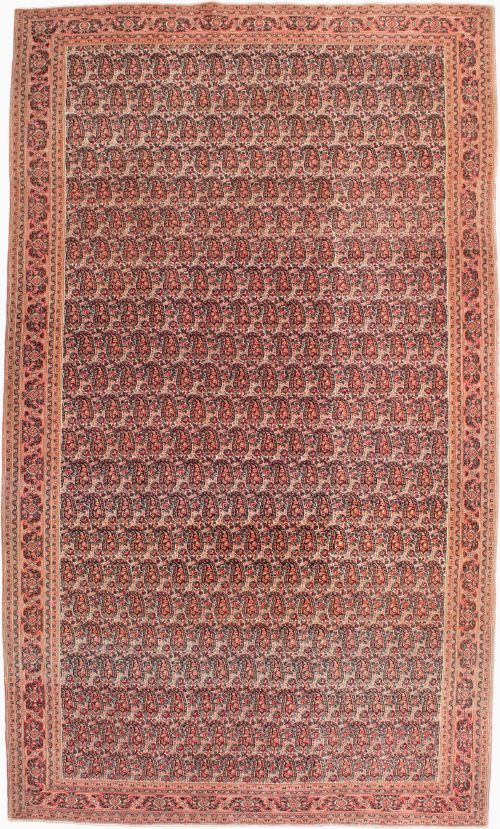
An antique boteh rug displays the enduring palm-leaf motif, woven by tribal and village makers to bring symbolic fertility and grace into domestic spaces.
Antique Boteh Rug
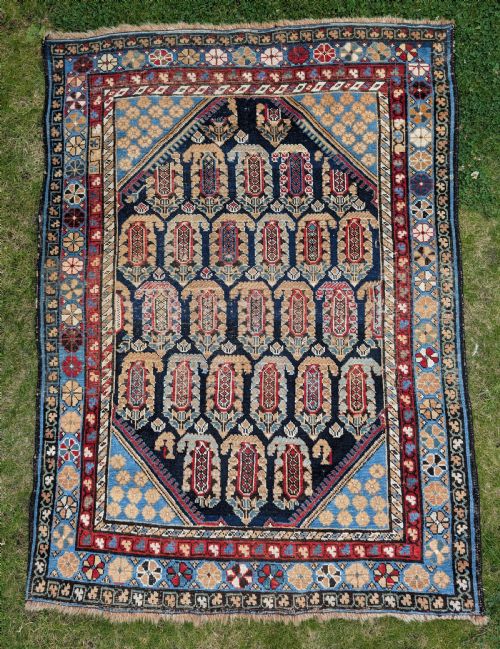
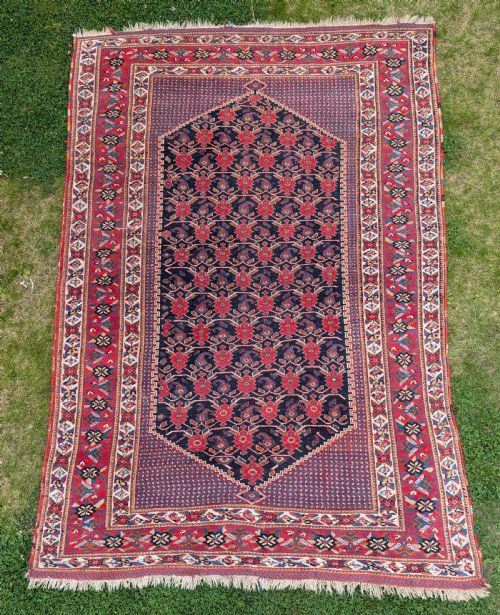
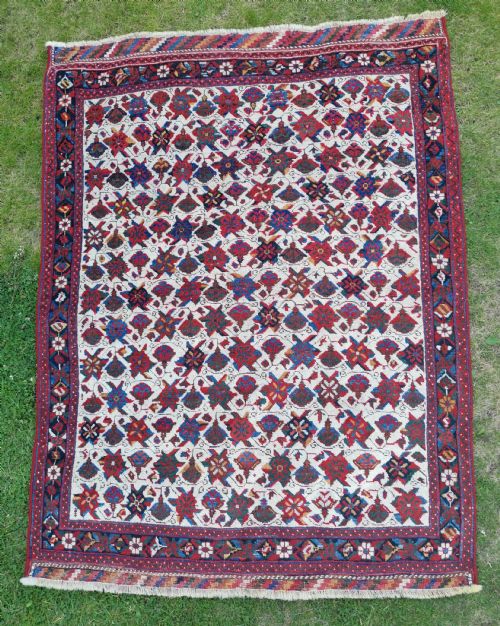
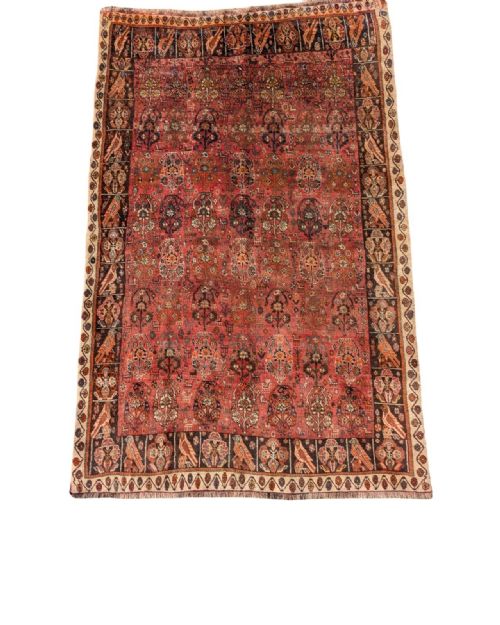
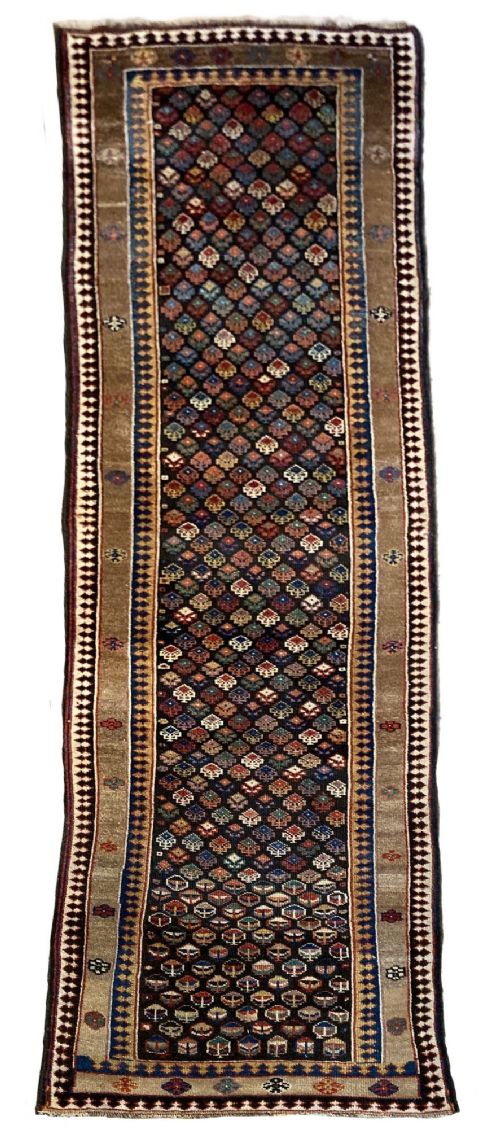
The formations range from compact village room-sized carpets to smaller nomadic rugs and saddle bag faces. Buyers encounter regional expressions from weavers in Afshar, Khamseh, Qashqai, and various Caucasian districts.
Makers frequently deploy the motif to fill entire fields with dense patterns or anchor them within structured medallions and striking guard borders.
How they were made
Weavers utilised hand-spun wool for the foundation pile, combining it with cotton warps and occasional silk highlights to structure the flat or knotted textile. Artisans dyed these fibres using natural colorants derived from plants and minerals, achieving deep indigo blues, madder reds, and warm ivories.
Nomadic and village hands tied hand-knotted piles onto vertical looms, integrating supplementary embroidery, metallic thread, and felt applique work in specific regional formats.
Antique Boteh Rug Retail Price Guide 2026
Typical asking prices for boteh rug among the pieces listed under this phrase on Sellingantiques today, from the lower quarter to the upper quarter. They describe what is for sale here now, not the wider market.
Some weavers hid a lone human figure amongst the rows of botanical shapes just to test attention.
What varies in quality
The caliber of an antique boteh rug depends on the density of the knotting and the crispness of the individual motifs. Finer examples display meticulous control over the curved outlines of the pine-cone figures.
Depth and saturation of the natural dyes separate standard village production from master weaver output. Pieces preserving healthy pile heights alongside intact original borders achieve greater visual harmony.
The Antique Boteh Rug Glossary
- Boteh
- A recurring Persian motif resembling a twisted almond, sprout, or flame. This ancient symbol represents life and fertility across numerous regional weaving traditions.
- Field
- The central background area of a rug enclosed by the borders. In these pieces, the field typically hosts the repeating pattern.
- Medallion
- A central ornamental design element set into the middle of the rug. Certain regional types place the motif inside this geometric focal point.
- Natural Dyes
- Organic colouring agents extracted from roots, insects, and plants prior to synthetic introductions. These dyes yield subtle variations and mature gracefully over time.
- Warp
- The vertical threads stretched tightly on the loom that form the structural skeleton of the textile. Weavers knot the pile directly around these stationary cords.
Antique Boteh Rug: Frequently Asked Questions
Where were antique boteh rugs made?
These textiles originate primarily from Persian tribal territories, including areas settled by the Afshar, Qashqai, and Khamseh confederacies. Additional examples stem from Caucasian weaving centres such as Gendje, Kazak, and Karabagh.
Production also extends to village workshops across north-west and south-east Persia, where local weavers adapted the recurring seed motif into distinctive regional layouts.
What does the boteh motif symbolize?
The shape represents a sprouting seed, a cypress tree, or a sacred flame depending on the specific cultural interpretation of the weaver. Across many tribal traditions, it serves as an emblem of life, eternity, and fertility.
Weavers arranged these symbols in opposing rows or scattered them freely across the foundation to invoke protection and prosperity.
How do I care for an antique rug?
Protect the textile by placing it in low-traffic areas away from direct, harsh sunlight to preserve the organic dyes. Vacuum gently using suction only without a rotating brush bar to avoid pulling the historic wool pile.
Rotate the floor covering periodically to ensure even wear patterns and consult a specialist in historic textiles for professional cleaning.
How do I distinguish regional styles?
Examine the colour palette, border construction, and structural knotting characteristics to determine geographic origin. Caucasian pieces often display brighter, saturated hues with stark geometric framing, whereas Persian village types tend toward softer, muted tones and intricate floral details.
Nomadic pieces like those from the Afshar or Qashqai tribes frequently incorporate idiosyncratic irregularities and rich indigo grounds.