




Antique Botanical Tapestry
These pieces of antique botanical tapestry bring historic plant and floral motifs into interiors through woven wool, silk, and needlework.

Antique Botanical Tapestry
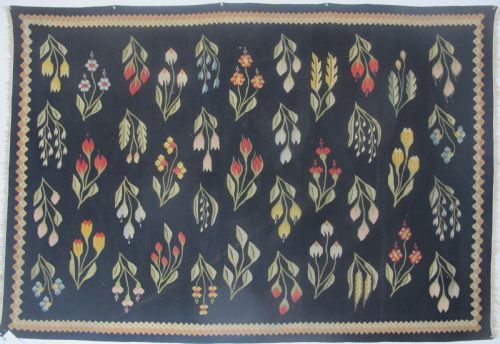
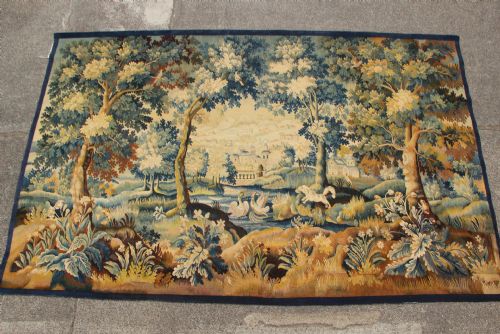
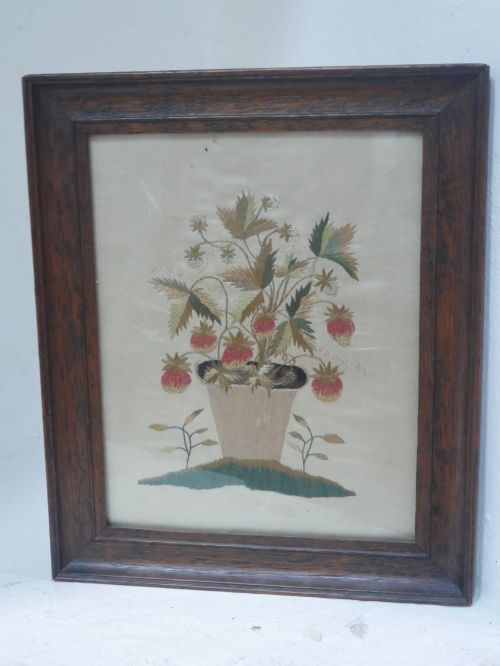
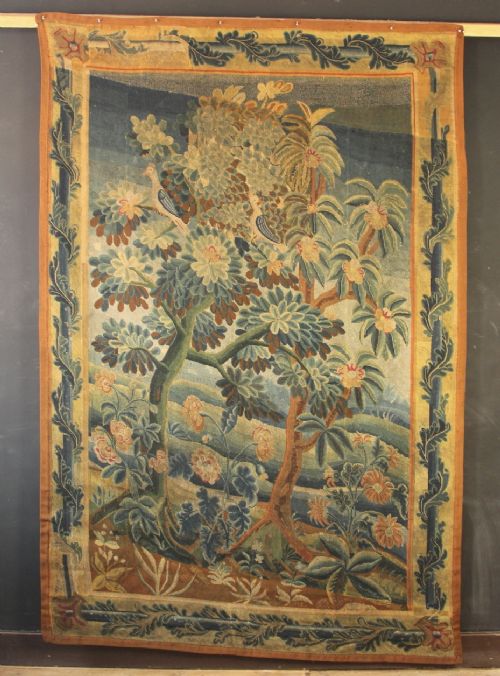
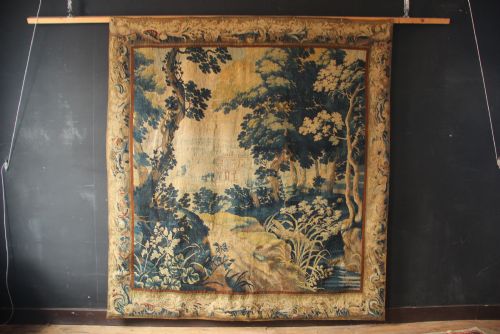
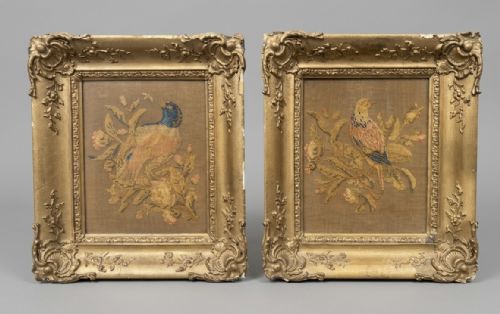
When you search for an antique botanical tapestry, you encounter a range of woven and embroidered textiles spanning the seventeenth to the twentieth centuries. The selection includes French verdure wall hangings, Eastern European flatweaves, and framed English needlework pictures depicting floral scenes.
You are most likely to meet large French verdure tapestries alongside smaller Central Asian and Eastern European embroidered pieces. Forms vary from monumental wall hangings to cushion covers, window seats, and framed botanical panels.
The materials and styles cross several regions, incorporating Georgian, Victorian, Flemish Baroque, and folk art traditions. Each piece reflects the decorative priorities of its period, prioritising plant forms, foliage, and natural subjects.
Materials and construction
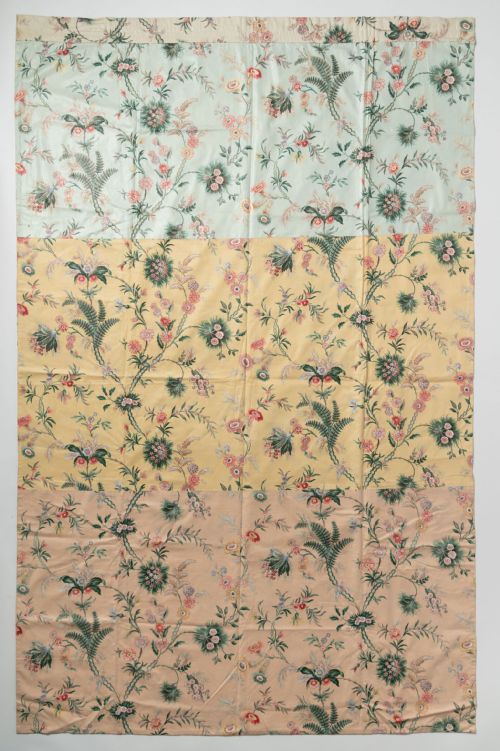
The pieces on this page are constructed primarily from wool, silk, linen, and cotton threads worked onto canvas or woven on looms. Artisans utilised these durable fibres to build up dense foliage, floral subjects, and patterned grounds.
Techniques range from traditional tapestry weaving to intricate needlework, embroidery, and flatweave construction. Structural support often includes wood frames, glass glazing for smaller pictures, and occasional gilt wood surrounds.
Listings span the eighteenth to twentieth centuries, featuring wool, silk, linen, and cotton across Flemish, French, and Eastern European styles.
Assessing quality
Quality rests in the density of the weave, the complexity of the botanical design, and the survival of the original fibres. Finer pieces demonstrate precise needlework or weaving control that renders leaves and petals with distinct depth.
The handling of colour and dye retention marks the upper tier of the range. Gradations within wool and silk threads create naturalistic light and shadow across foliage, whereas lesser examples show flat or simplified tonal transitions.
The Antique Botanical Tapestry Glossary
- Verdure tapestry
- A woven textile depicting lush green foliage, trees, and plant life, often featuring stylized botanical elements. These scenes dominated European wall hangings from the seventeenth century onwards.
- Suzani
- An embroidered silk or cotton wall hanging or textile originating from Central Asia, traditionally featuring bold floral and botanical motifs. Makers worked these pieces in vibrant needlework on pale grounds.
- Kilim
- A flatwoven textile produced across Eastern Europe and parts of Asia, frequently utilising geometric and stylized floral patterns. These pieces function as rugs or wall art.
- Needlework
- A piece created by stitching yarn or thread onto a foundation fabric such as canvas or linen to form an image. Eighteenth-century examples often portray framed pictures of fruit and flowers.
- Aubusson
- A town in France renowned for producing woven tapestries and furnishings without pile. Workshops there specialised in Verdure scenes and floral compositions.
Antique Botanical Tapestry: Frequently Asked Questions
How do I hang a heavy tapestry?
Large wall hangings require even distribution of weight across a wooden batten or metal rod.
Sewing a heavy linen sleeve along the top reverse edge allows a concealed mounting bar to support the textile safely without damaging the weave.
Where should I place these textiles?
These pieces suit principal reception rooms, hallways, or libraries where temperature and humidity remain relatively stable.
Keep them away from direct sunlight to protect silk and wool fibres from fading over time.
How do I clean an antique textile?
Gentle surface dust removal with a soft brush or low-suction vacuum through a protective mesh screen maintains the fabric.
Avoid wet cleaning or immersion unless handled by a professional textile conservator.
How can I tell the period?
Dating relies on material analysis, dye types, stitching techniques, and stylistic conventions associated with eighteenth, nineteenth, or early twentieth-century workshops.
Backings, frame types, and edge finishes also provide reliable clues to the decade of manufacture.