




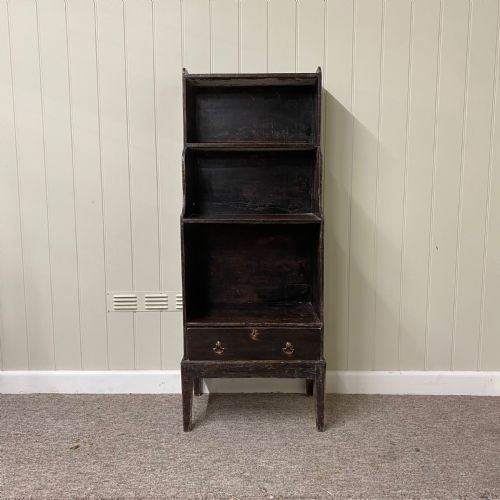
Antique Bookcase Unit
An antique bookcase unit provides essential storage for libraries and studies, combining functional shelving with period cabinetry.
Antique Bookcase Unit
When you search for an antique bookcase unit, you encounter pieces designed to house volumes and display collections across several centuries of British and European cabinet making. These items range from open shelving arrangements to glazed display cabinets and corner cupboards.
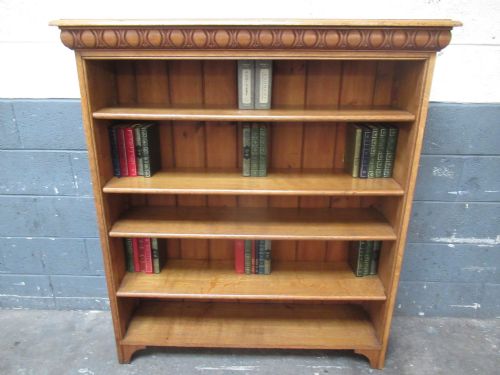
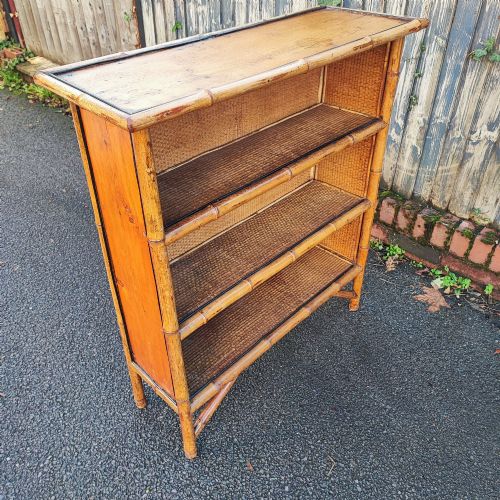
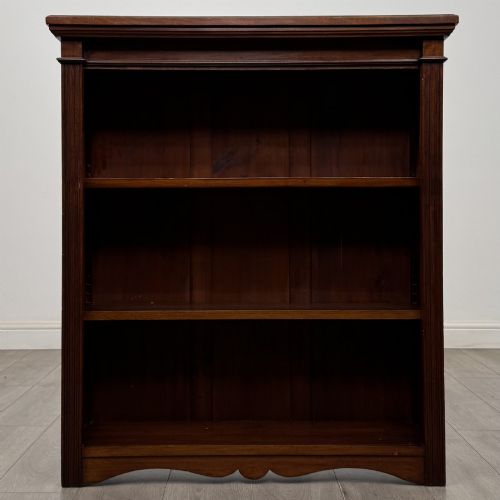
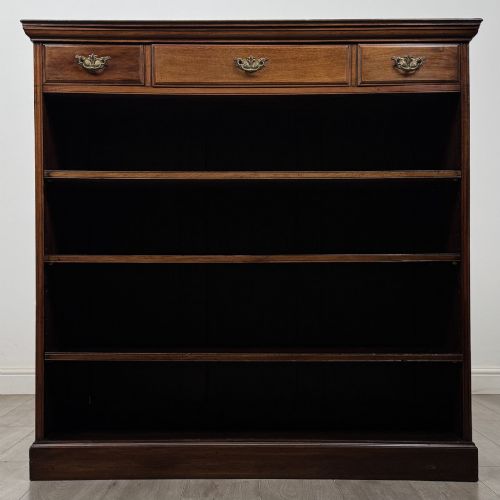
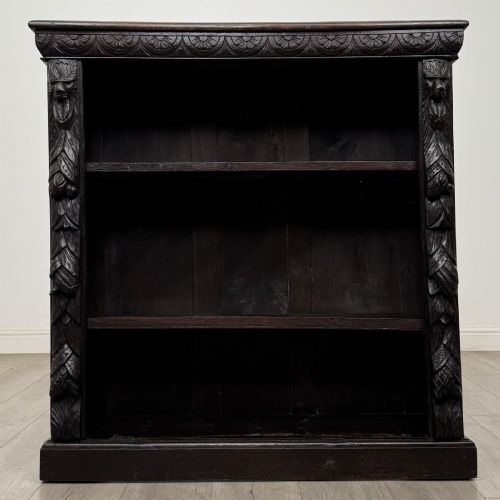
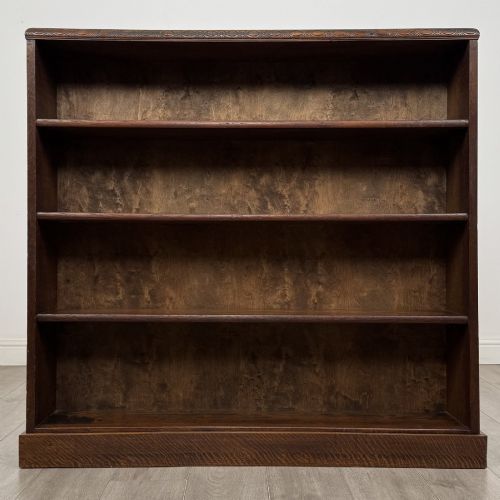
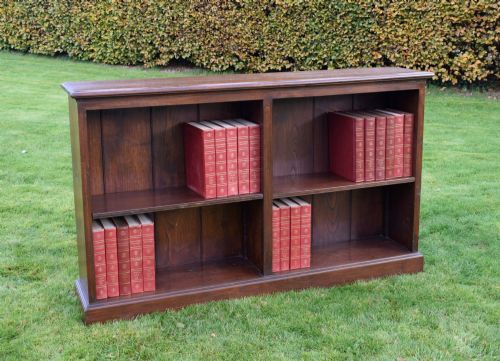
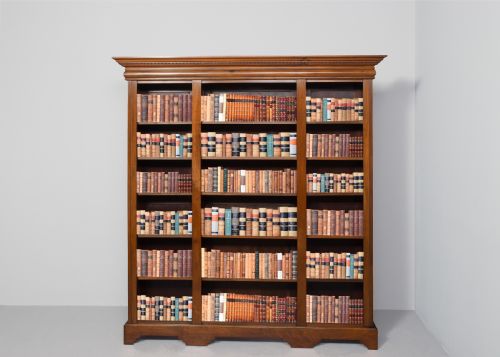
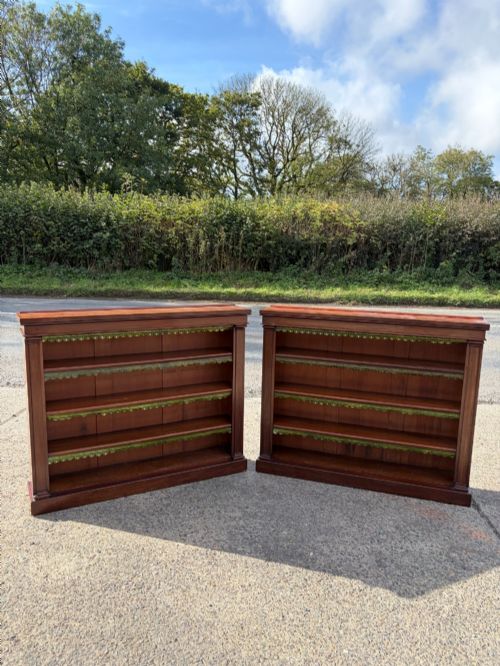
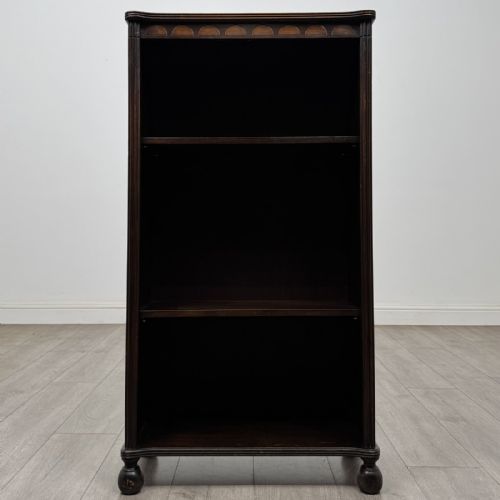
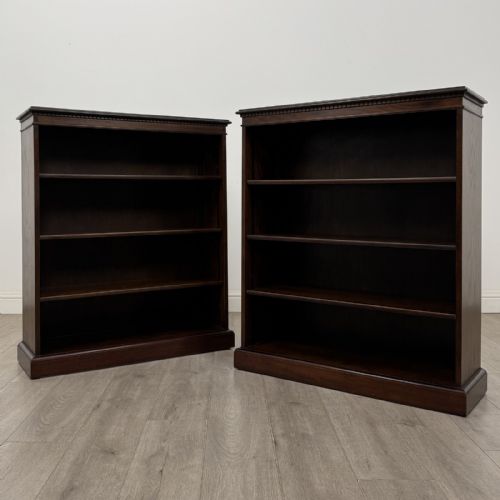
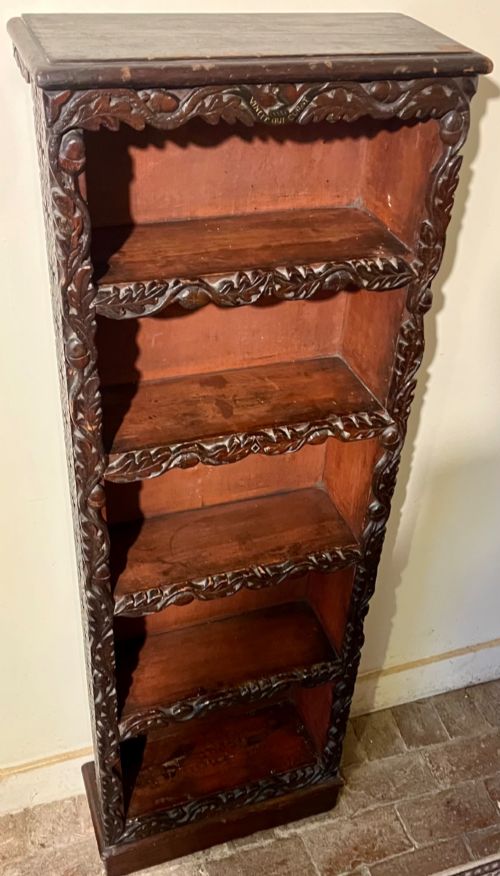
The versions met most frequently on this page span the Victorian and Edwardian eras, alongside pieces from the Regency period and the early twentieth century. Common forms include open bookcases, waterfall configurations, whatnots, and wall shelves built from timber.
Makers utilised various woods such as oak, mahogany, rosewood, and walnut to construct these units. Styles vary from simple rustic country designs to ornate Arts and Crafts, Neoclassical, and revival pieces.
Materials and Construction
Cabinet makers built these units predominantly using solid timbers and veneered panels of oak, mahogany, rosewood, and walnut. Selecting these dense woods ensured the structural integrity required to support heavy rows of books.
Joinery techniques involved traditional methods such as dovetailing for drawers and mortise and tenon joints for frames. Hardware additions typically featured brass for hinges, handles, and fittings, whilst glass was cut for glazed display doors.
Antique Bookcase Unit Retail Price Guide 2026
Typical asking prices for bookcase unit among the pieces listed under this phrase on Sellingantiques today, from the lower quarter to the upper quarter. They describe what is for sale here now, not the wider market.
Listings feature oak, mahogany, rosewood, walnut, and pine, spanning the Victorian, Edwardian, and Regency eras.
Judging Quality and Execution
Superior examples distinguish themselves through the selection of figured timbers, such as burr walnut or heavily grained mahogany, matched across the visible surfaces. Finer pieces often incorporate subtle decorative elements like marquetry inlay, carved mouldings, or brass details.
Construction standards separate standard workshop output from exceptional cabinet work, seen in the precision of the joinery and the integration of adjustable shelving systems. The weight and thickness of the timber utilised for shelves and uprights also indicate the standard of production.
Heals
The Antique Bookcase Unit Glossary
- Waterfall bookcase
- A set of open shelves diminishing in depth from bottom to top, often arranged in stepped tiers. This form gained popularity during the Regency and later periods.
- Open bookcase
- A shelving unit without doors, designed for easy access to volumes. These frequently feature adjustable wooden shelves supported by rackwork or brass pins.
- Whatnot
- A multi-tiered piece of freestanding furniture used for displaying ornaments or holding books. It typically consists of several open shelves supported by slender pillars.
- Corner cabinet
- A storage unit constructed with a triangular footprint to fit snugly into a room angle. They appear in both glazed display formats and enclosed cupboard variants.
- Arts and Crafts
- A design movement favouring honest construction, simple lines, and visible craftsmanship. Pieces from this style often display plain oak surfaces with minimal ornamentation.
Antique Bookcase Unit: Frequently Asked Questions
What defines an antique bookcase unit?
An antique bookcase unit is a piece of wooden furniture created to hold books, featuring open shelves, glazed doors, or compartmentalised storage. These items date from past eras including the Victorian and Edwardian periods.
Such units serve as practical room additions while displaying period joinery methods and timber selections like oak and mahogany.
How do I choose between open and glazed units?
Open shelving units provide immediate access to volumes and work well for everyday reading collections. Glazed display cabinets offer protection from dust for delicate bindings and decorative objects.
Your choice depends on whether you prioritise accessibility or the preservation of enclosed items.
Where were these bookcases placed?
These units traditionally stood in studies, libraries, and parlours to organise growing collections of literature. Corner cabinets and wall shelves utilised awkward spaces where standard furniture could not fit.
They anchor the walls of domestic interiors, functioning as both storage and architectural focal points.