

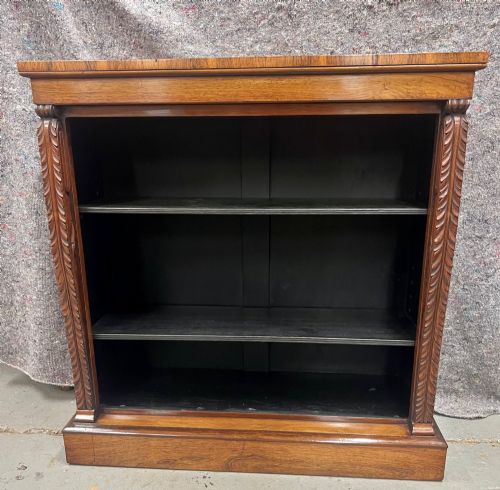


William IV Shelving
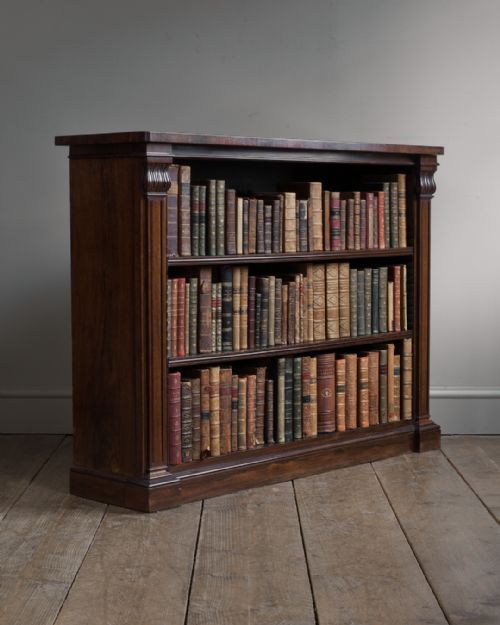
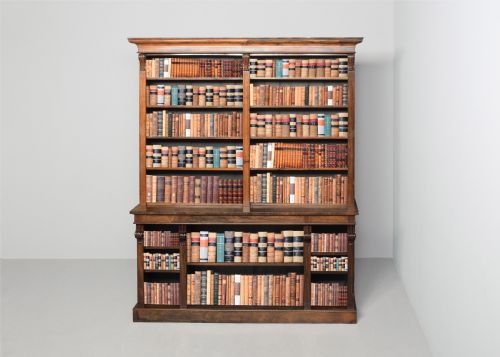
William IV shelving brings structured timber architecture into a room, offering sturdy tiers for books and display.
William IV Shelving
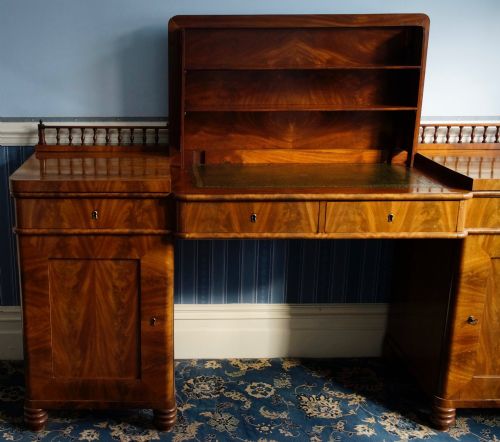
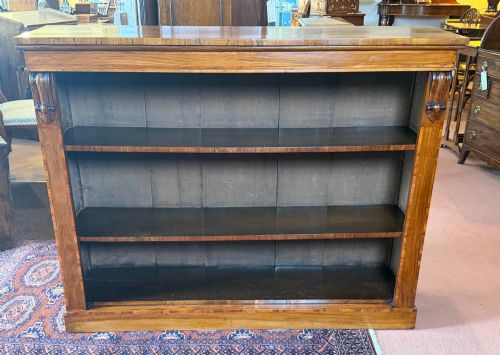
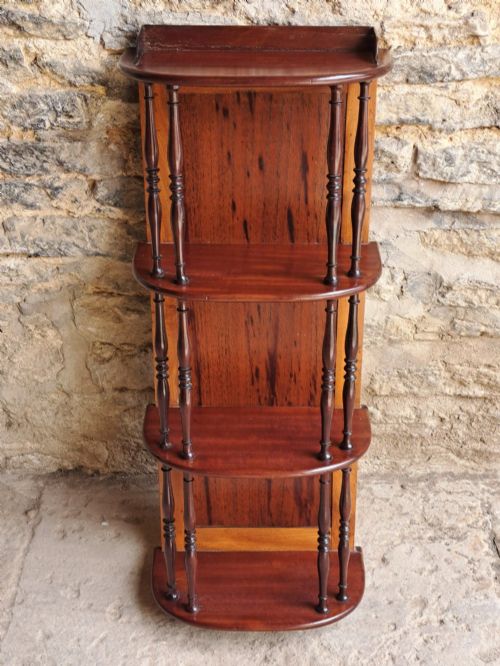
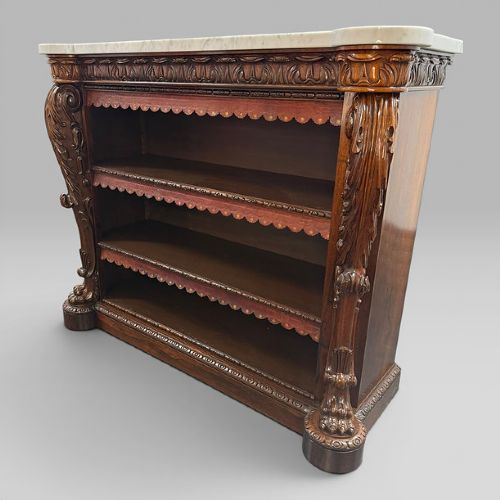
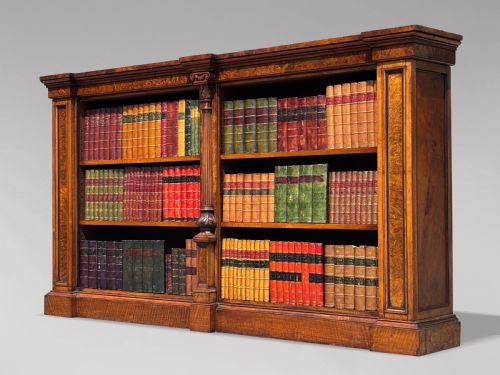
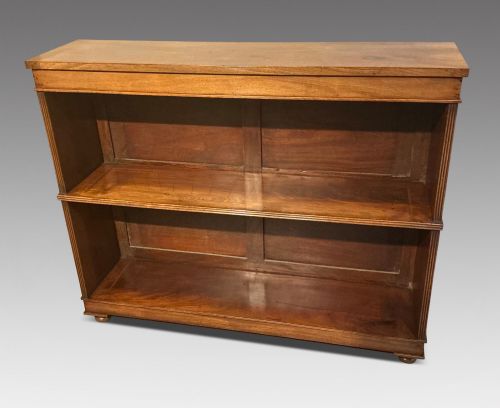
William IV shelving spans open bookcases, wall shelves, and multi-tiered whatnots originating primarily from the nineteenth century. These forms centre on practical storage, often featuring adjustable shelves designed to accommodate varying book heights or display items. Buyers encounter open bookcases and tiered wall shelves most frequently in this selection.
Makers of this era favoured sturdy timber frameworks that could support heavy libraries or decorative collections without sagging. The pieces bridge late Regency severity and early Victorian elaboration, displaying solid structural integrity alongside restrained decorative turns.
Assessing quality
Quality rests in the selection of timber figures and the crispness of any applied carving or reeded moulding. Pieces featuring matched grain patterns across wide breakfront expanses or tiered structures sit firmly at the upper end of the scale.
The integration of functional elements, such as smoothly operating adjustable shelf mechanisms or integrated marble surfaces, distinguishes superior workshop production from simpler utilitarian items.
William IV Shelving Retail Price Guide 2026
Typical asking prices for william iv shelving among the pieces listed under this phrase on Sellingantiques today, from the lower quarter to the upper quarter. They describe what is for sale here now, not the wider market.
Several pieces arrive with pink marble tops ready to host your afternoon tea service.
Gillows·Richard Bridgens
The William IV Shelving Glossary
- Open bookcase
- A shelving unit without doors that exposes the book spines and interior backboards directly to the room. These pieces provide immediate access to large library collections.
- Whatnot
- A multi-tiered stand used for displaying ornaments, books, or small objects on successive horizontal platforms. This form typically stands on slender upright supports.
- Breakfront
- A piece of furniture whose central section projects forward from the flanking wings. This architectural arrangement creates depth and visual rhythm across the facade.
- Waterfall bookcase
- A shelving unit where each successive tier is slightly narrower or shallower than the one below, creating a stepped profile. The sides often curve downwards in a continuous cascade.
- Chiffonier
- A low cabinet equipped with shelving or drawers, traditionally used for storing tableware or linens in the dining room or parlour.
William IV Shelving: Frequently Asked Questions
How do I use a whatnot?
A whatnot serves as a vertical display stand for ceramics, books, or small decorative objects in a drawing room. Its multiple tiers maximise floor space while keeping collections visible from various angles.
Position the unit against a sturdy wall or use a freestanding version to divide large spaces gently without blocking light.
Are these shelves suitable for heavy books?
Most pieces were built by nineteenth-century cabinet makers to hold dense libraries of bound volumes. Solid timber construction and sturdy uprights provide the necessary load-bearing strength.
Check whether the shelves are adjustable, which allows you to customise vertical clearances for taller folios.
How do I tell William IV from Regency?
William IV furniture tends to feature slightly heavier proportions and bolder, less austere ornamentation than earlier Regency pieces. Carved details often incorporate scrolling foliage and robust architectural motifs.
Subtle shifts in leg turning and moulding thickness help differentiate the two overlapping periods.
Where should I place a wall shelf?
Hanging wall shelves require solid fixings into masonry or timber studs to support the weight of mounted timber and displayed items. They work well above sideboards or desks to extend storage upward.
Keep them away from direct heat sources to prevent the timber veneers from drying out.