
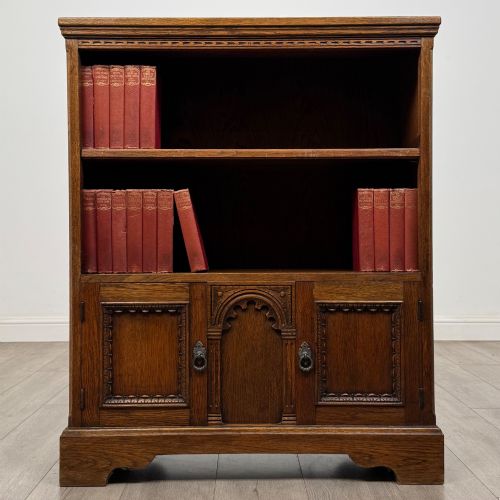
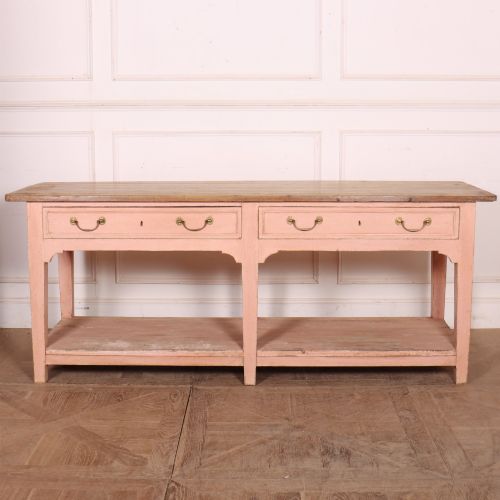
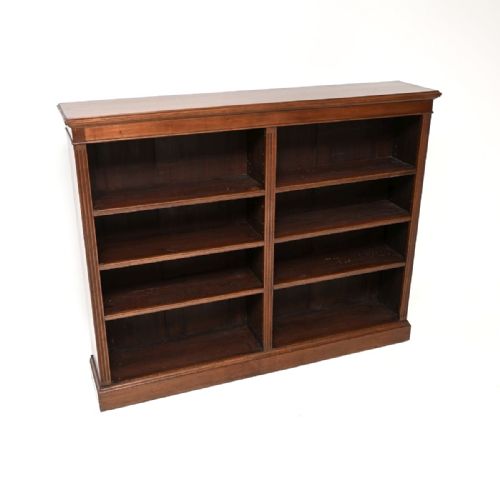

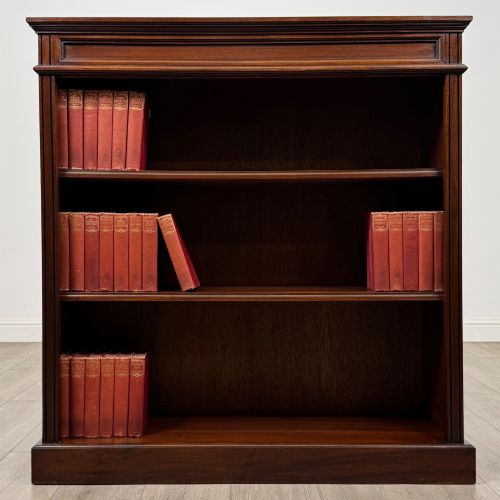
Traditional Open Shelves
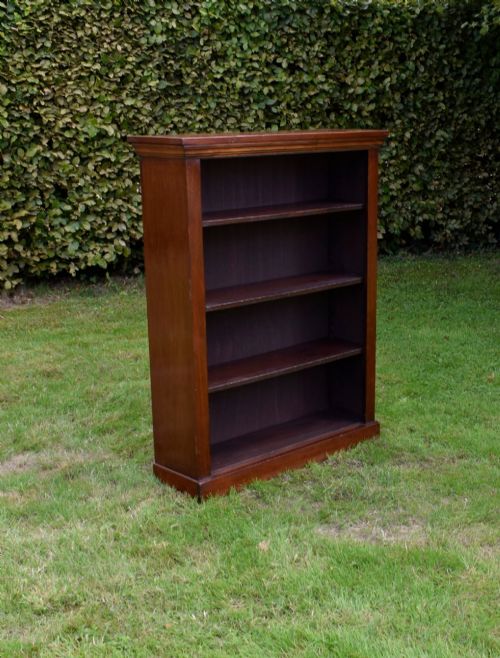
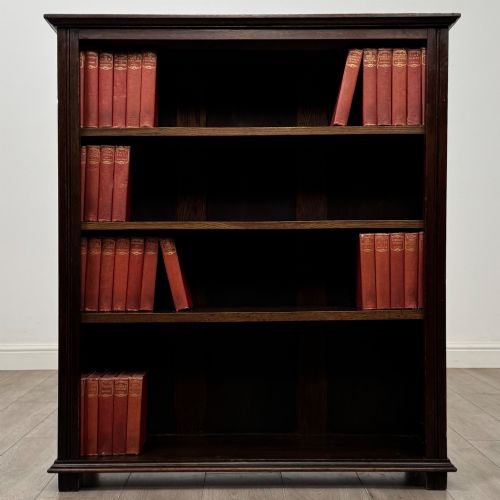
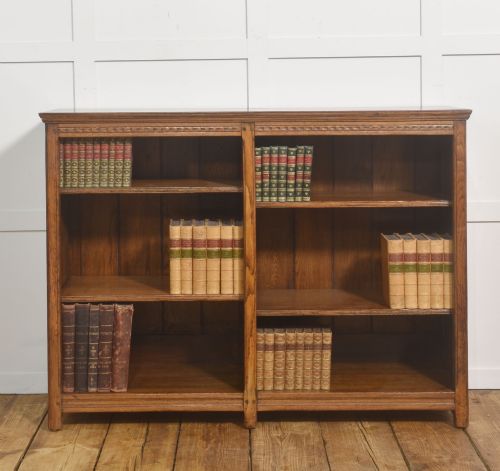
Traditional open shelves offer practical display and storage, bringing timber character into a room through bookcases, dressers, and shelving units.
Traditional Open Shelves
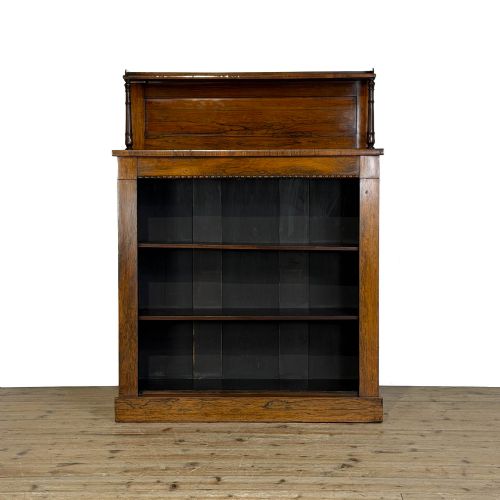
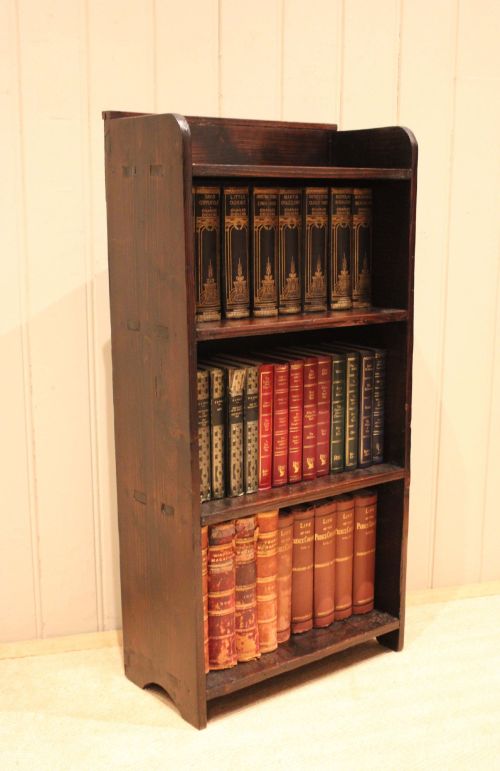
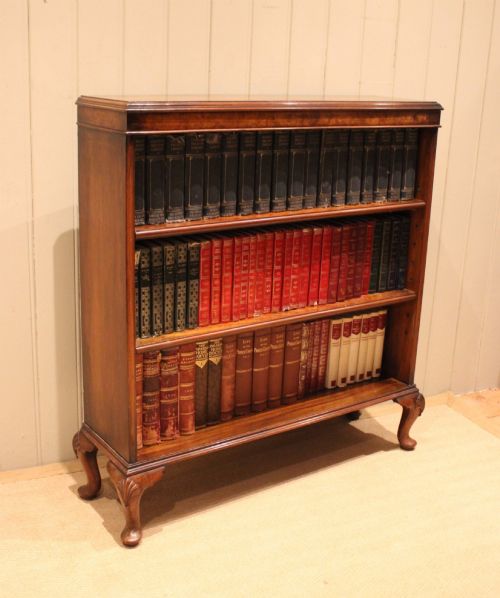
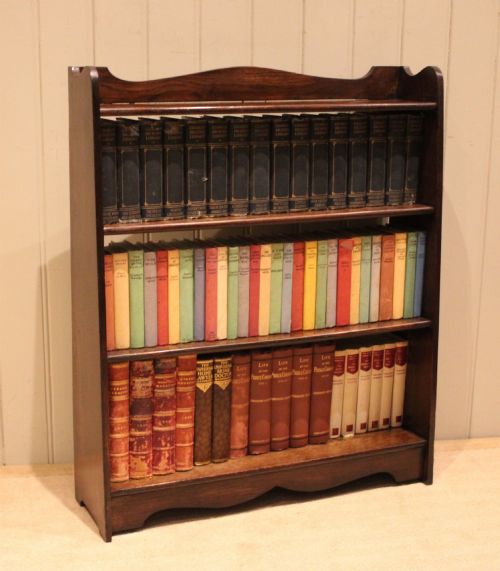
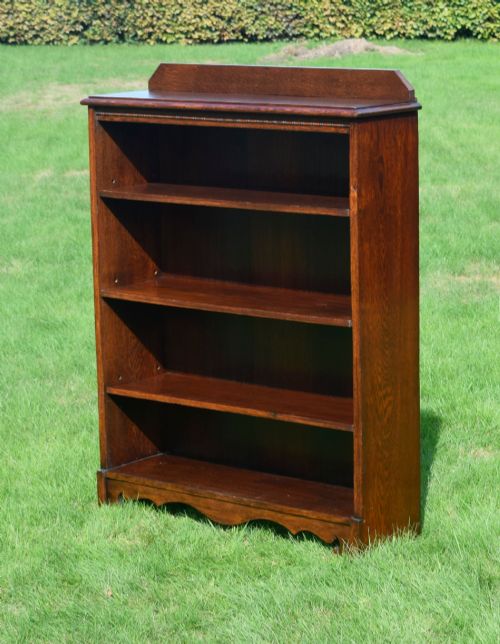
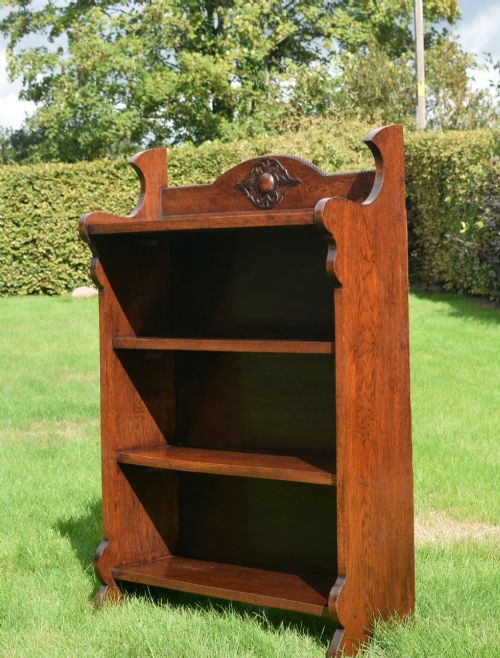
Traditional open shelves encompass practical storage forms designed to display books, ceramics, and household objects without enclosing doors. These pieces appear primarily as bookcases, dressers, and dresser bases spanning periods from the nineteenth century through the early twentieth century.
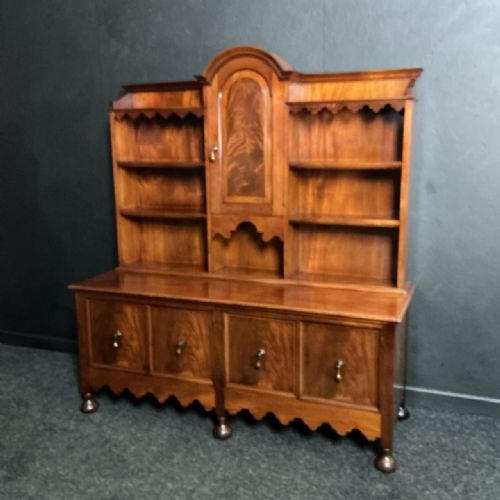
The selection on this page relies heavily on oak, mahogany, and pine, reflecting the dominant timber choices of Victorian and Edwardian makers. Forms range from compact bedside tables and slim variants to large library bookcases and Welsh dressers featuring plate racks.
Buyers encountering this search phrase find both formal mahogany designs influenced by Regency styles and robust country pieces in rustic pine or oak. Many examples incorporate adjustable shelves, while others offer stepped or angled configurations suited to specific domestic spaces.
How they were made
Cabinet makers constructed these pieces predominantly from solid hardwoods and softwoods, utilising oak, mahogany, walnut, and pine. Finer pieces occasionally incorporate burr walnut veneers or rosewood to create striking grain patterns on visible surfaces.
Construction methods focus on durability and support for heavy volumes, employing adjustable shelf mechanisms and sturdy frames. Details such as beaded edges and brass fittings appear on selected pieces to finish the design.
Current listings span the Victorian and Edwardian eras, featuring oak, mahogany, walnut, and pine across bookcases and dressers.
What varies in quality
Quality in these pieces rests upon the selection of timber and the proportion of the overall form. Dense grains in oak and mahogany and careful matching of burr walnut distinguish more ambitious pieces from utilitarian workshop output.
The Traditional Open Shelves Glossary
- Waterfall bookcase
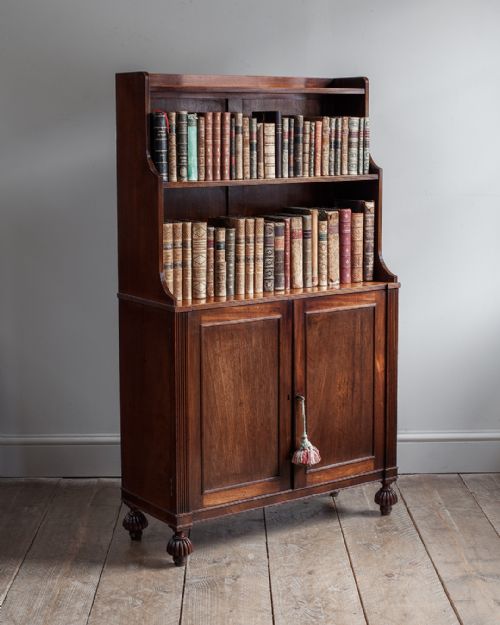
- A shelving unit where the sides step back progressively from bottom to top, creating a cascading profile often seen in Regency designs.
- Dresser base
- The lower portion of a Welsh dresser featuring cupboards and drawers, lacking the upper plate rack.
- Welsh dresser
- A traditional combination of lower storage cabinets and an upper open rack designed for displaying plates and crockery.
- Adjustable shelves
- Shelving supported by pegs, racks, or teeth that allow the vertical intervals to be altered.
- Potboard
- A lower open shelf within a dresser base traditionally used for storing pots and pans.
Traditional Open Shelves: Frequently Asked Questions
Where should I place an open bookcase?
These pieces suit living rooms, studies, and hallways where books and display objects remain accessible.
Keep solid timber shelves away from direct heat sources and strong sunlight to protect the wood finish.
How do I adjust wooden shelves?
Most period adjustable shelves rest upon wooden pegs, metal pins, or within notched vertical strips inside the cabinet walls.
Lift the board carefully from its supports and reposition the pins into adjacent holes to alter the height.
What is the difference between a dresser and a bookcase?
A bookcase consists primarily of open shelving intended for books, whereas a traditional dresser pairs lower cupboards or drawers with an upper plate rack.
Dressers generally offer enclosed storage space beneath the display surface.
How do I clean antique timber shelves?
Dust the surfaces regularly with a dry, soft cloth along the grain of the wood.
Avoid modern liquid polishes and silicone sprays, applying traditional beeswax sparingly when the timber appears dry.