
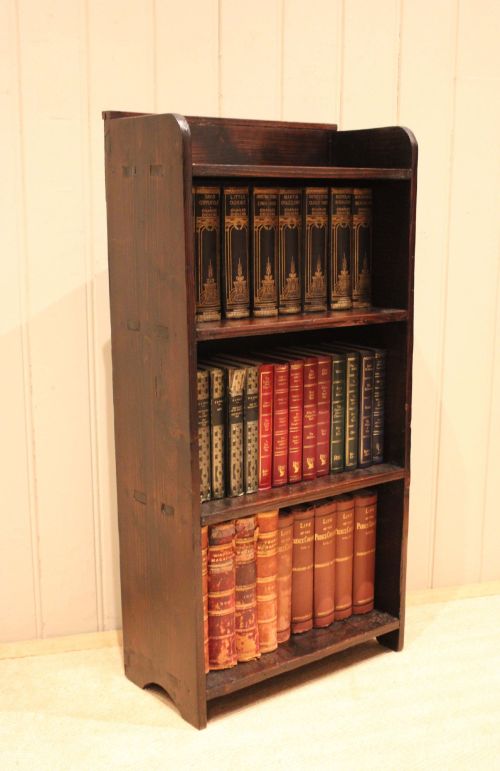
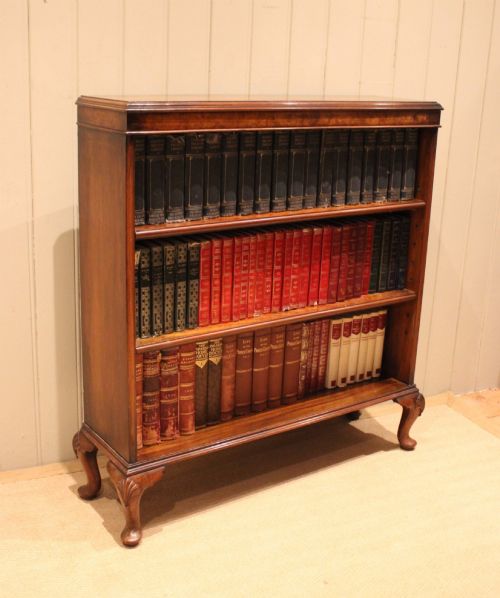
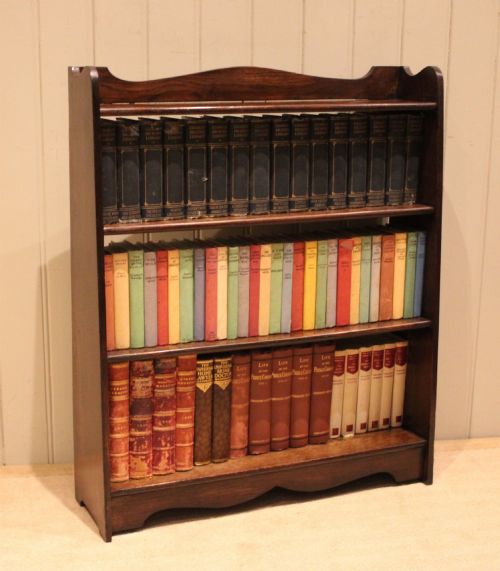
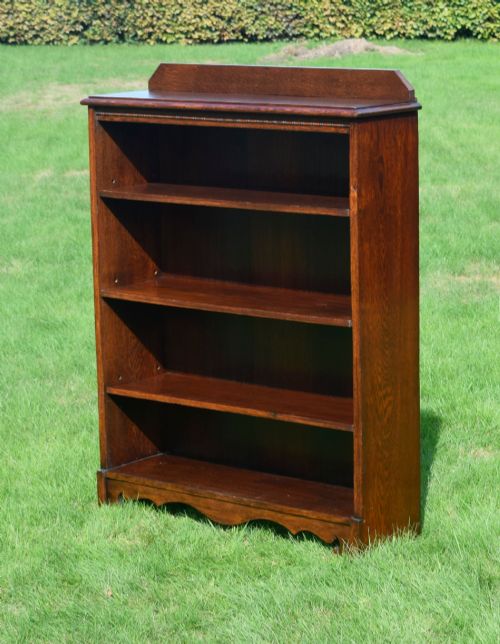

Antique Book Shelving
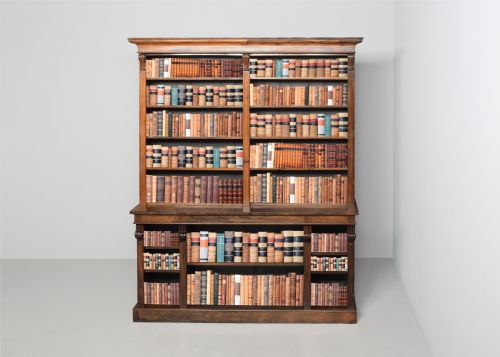
Antique book shelving brings order to a room, offering sturdy timber frameworks designed to display and hold volumes.
Antique Book Shelving
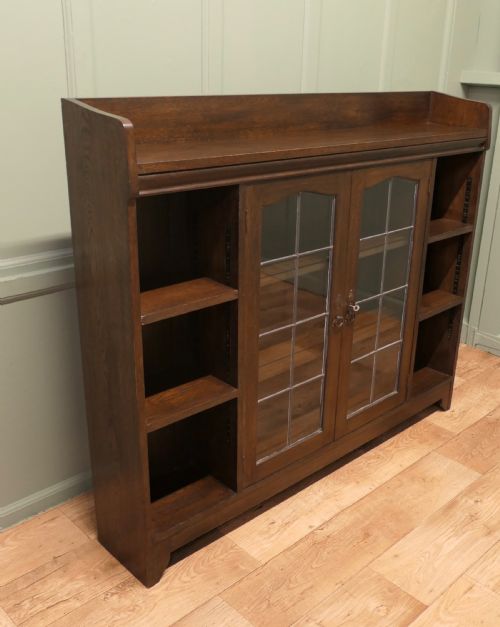
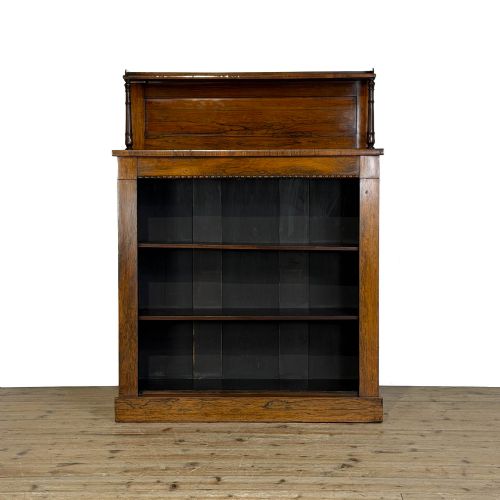
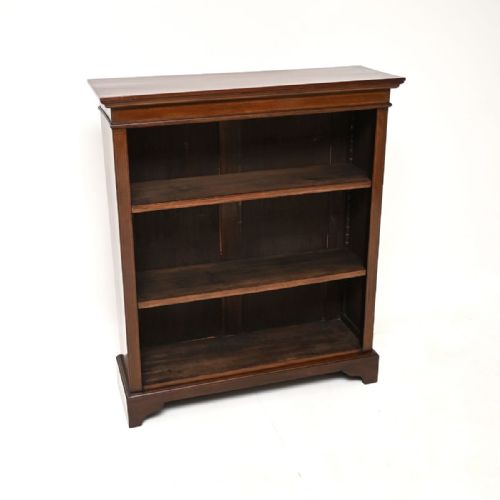
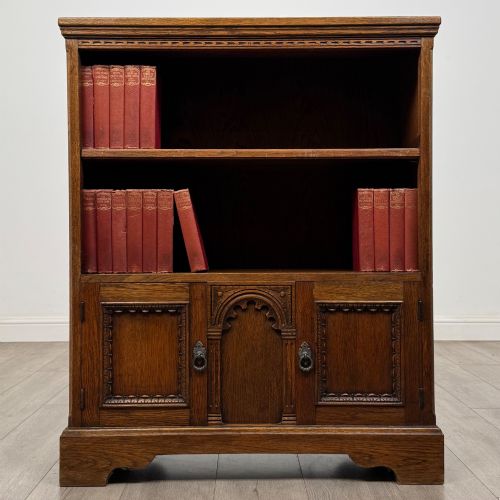
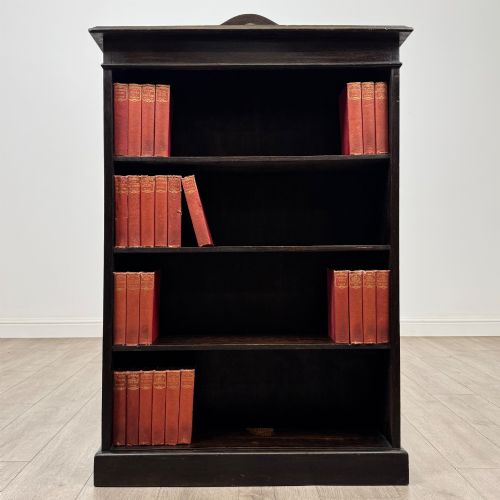
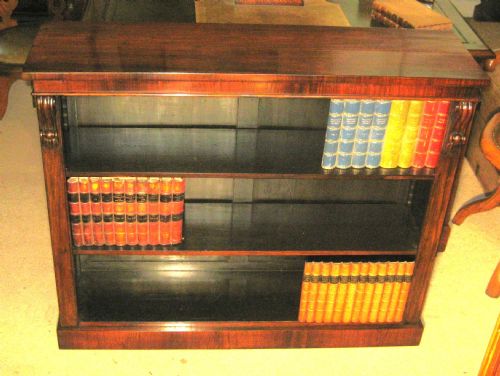
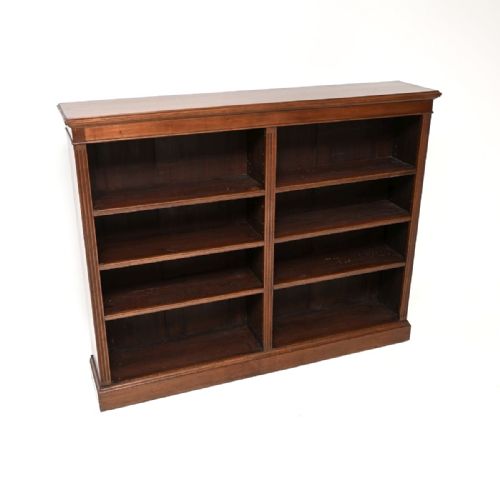
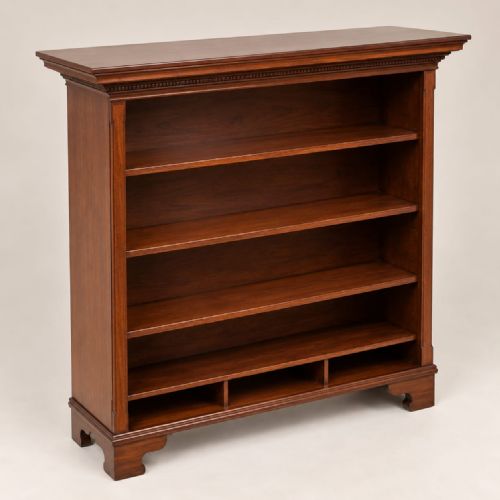
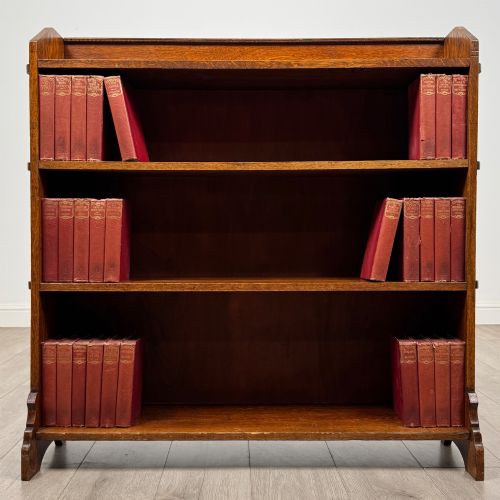
When searching for antique book shelving, buyers encounter a variety of freestanding and open timber storage forms designed to hold collections of volumes. The selection ranges from compact oak pieces to larger mahogany and rosewood variants spanning the Victorian, Edwardian, and Regency periods.
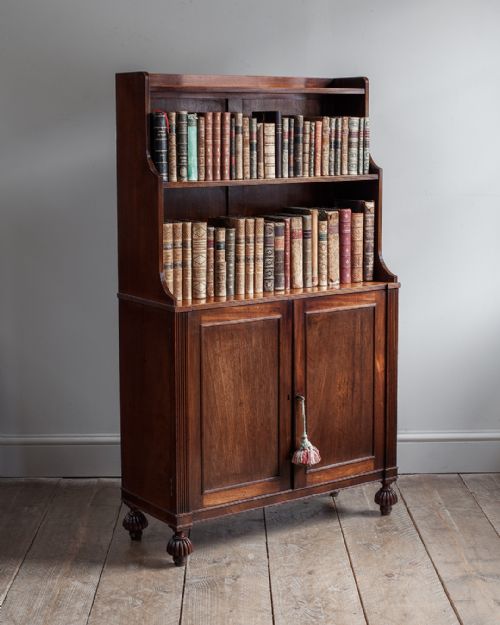
Open bookcases and waterfall configurations dominate the available items, alongside tiered stands, whatnots, and wall shelves. These items served primarily in libraries, studies, and parlours to keep frequently read texts within easy reach.
Solid woods such as oak and mahogany form the foundation of most pieces, supplemented by walnut, pine, and rosewood. The structural designs reflect utilitarian needs of nineteenth and early twentieth-century domestic spaces.
How they were made
Cabinet makers utilised dense hardwoods like mahogany, oak, and walnut, frequently selecting rosewood for finer decorative forms. Timbers were chosen for their grain patterns and structural resilience under heavy loads of books.
Construction techniques include jointed frames, inlaid woodwork, and carved detailing seen in Victorian and Arts and Crafts examples. Many pieces incorporate adjustable shelving mechanisms supported by wooden or brass fittings.
Listings span multiple eras, including Victorian, Edwardian, Regency, and 1920s examples constructed from oak, mahogany, walnut, pine, and rosewood.
What varies in quality
Quality rests primarily on the selection of timber and the precision of the joinery rather than surface ornamentation alone. Dense, finely figured mahogany or quarter-sawn oak distinguish superior items from standard utilitarian storage.
The sophistication of the design dictates the upper tier of the range, such as graduated waterfall tiers or refined rosewood graining. Simpler pine or rustic oak versions represent more functional, domestic grades.
The Antique Book Shelving Glossary
- Waterfall bookcase
- A tiered shelving unit where each successive shelf steps back from the one below it, creating a descending profile.
- Open bookcase
- A piece of furniture designed for book storage featuring unglazed, open fronts rather than enclosed glass doors.
- Whatnot
- A multi-tiered piece of furniture used for displaying books and small ornamental objects, popular during the nineteenth century.
- Barristers stacking bookcase
- A modular cabinet system comprising independent glazed or unglazed sections that stack vertically.
- Quarter-sawn oak
- Timber cut radially from the growth rings, producing a distinct medullary ray pattern prized for stability and appearance.
Antique Book Shelving: Frequently Asked Questions
How do I clean antique wooden shelving?
Dust surfaces regularly with a soft, dry cloth to prevent particulate accumulation in the wood grain.
Apply a traditional beeswax polish sparingly to maintain the natural moisture and finish of the timber.
Were these shelves made for heavy books?
Many nineteenth and early twentieth-century bookcases were engineered to support substantial libraries of heavy bound volumes.
Adjustable shelving systems allowed owners to alter shelf heights to accommodate folio-sized texts and smaller octavos alike.
How do I identify a Regency period piece?
Regency items often display restrained classical proportions, clean architectural lines, and dark tropical hardwoods such as mahogany.
Look for waterfall designs and understated brass accents characteristic of the early nineteenth century.
Where should I place an open bookcase?
Position wooden shelving away from direct sunlight and strong heat sources to prevent the timber from drying and splitting.
Allow adequate air circulation around the back of freestanding pieces to protect both the furniture and the books stored within.