

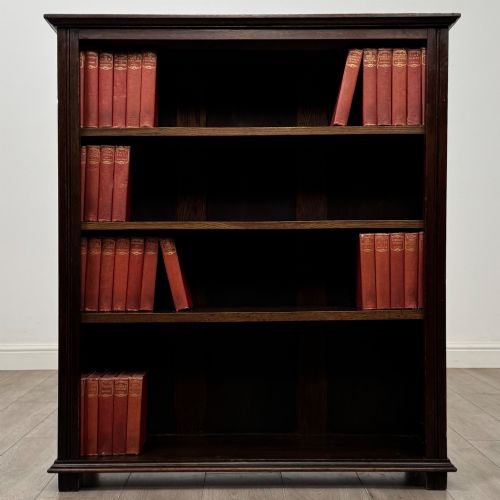
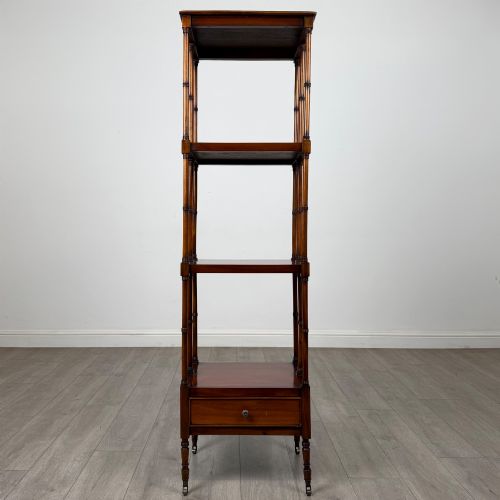
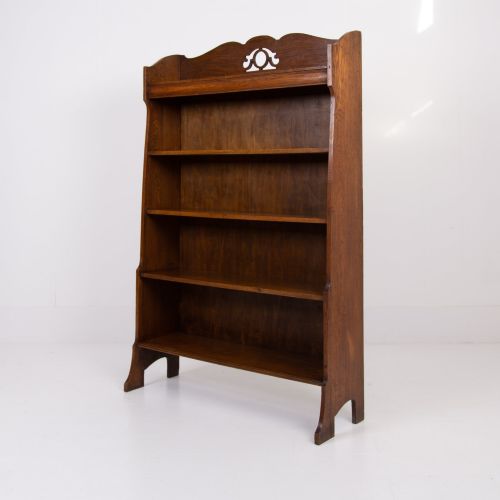
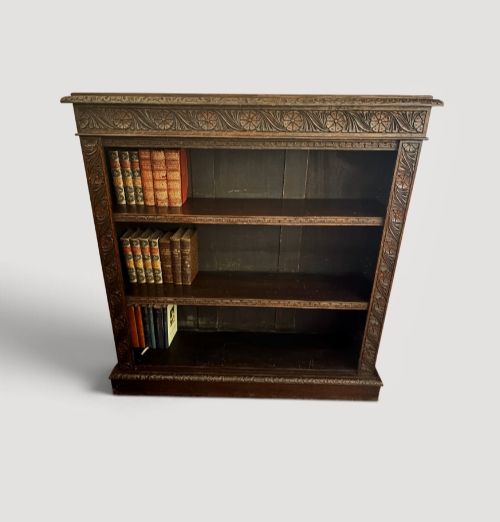
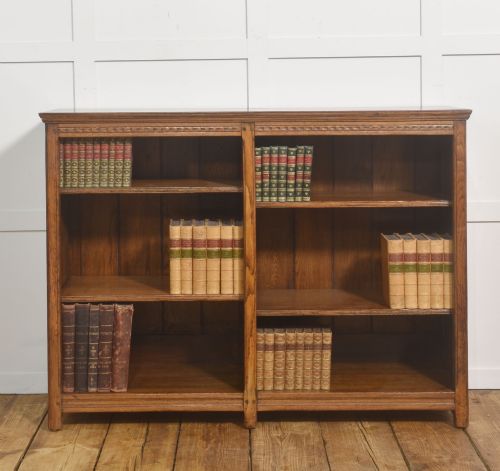
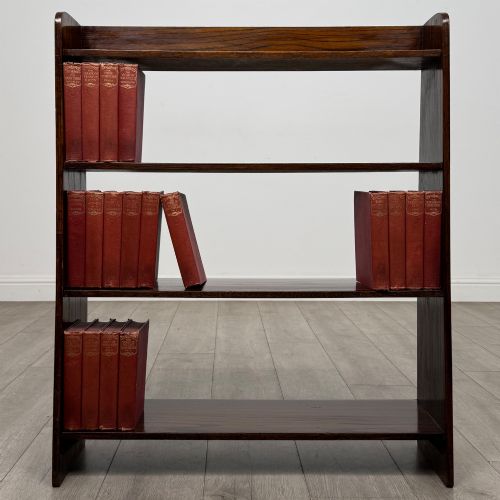
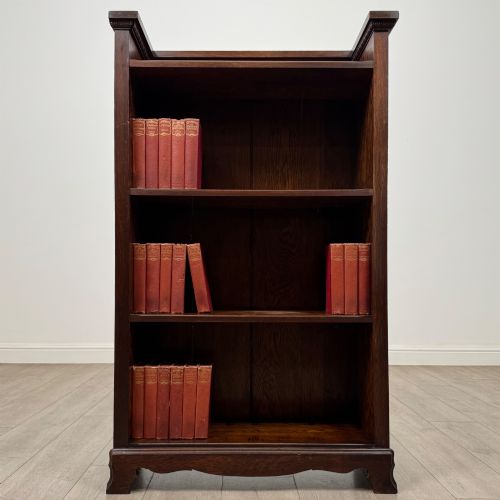
Antique Book Display Stand
An antique book display stand brings open volumes and treasured shelf pieces together, offering a practical stage for library volumes in any room.
How they were made
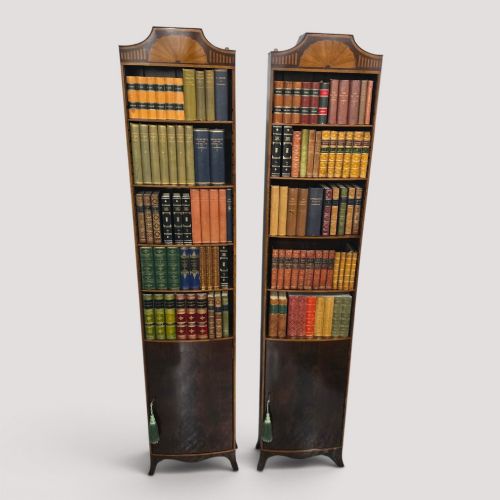
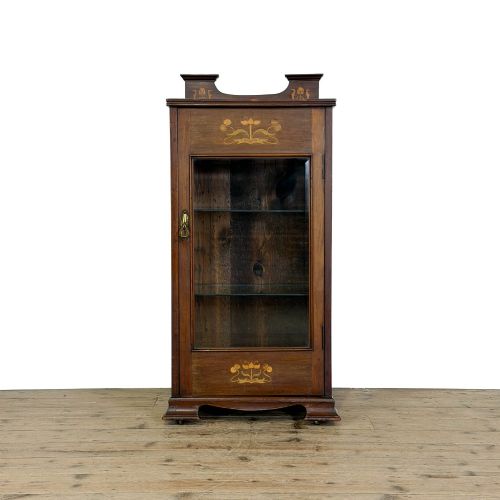
Cabinet makers constructed these stands primarily from solid timbers like mahogany, oak, and rosewood, frequently employing satinwood and glass for decorative contrast. Surfaces often feature rich grain patterns, sometimes enhanced by marquetry inlay or brass mounts.
Construction techniques evolved from Georgian cabinet work to Edwardian mass production, incorporating adjustable shelving systems and occasionally revolving mechanisms. Joinery relied on traditional methods suited to each timber, ensuring structural stability for heavy collections of books.
What varies in quality
The distinction between ordinary utility items and superior examples lies in the choice of timber and the crispness of carved or inlaid details. Dense mahogany, figured rosewood, and golden oak indicate a higher grade of material selection.
Proportion and utility also separate the ranges, seen in the inclusion of adjustable shelves, fine brass hardware, and balanced proportions on neat or small-scale frames. Refined execution in the joinery elevates an everyday bookshelf into a distinguished piece of library furniture.
Some revolving bookcases turn so smoothly that choosing your evening reading feels like spinning a library roulette wheel.
Gillows
The Antique Book Display Stand Glossary
- Whatnot
- An open, multi-tiered piece of furniture with shelves supported by columns or pillars, used for displaying books and ornaments. These stands frequently appear in nineteenth-century settings.
- Waterfall bookcase
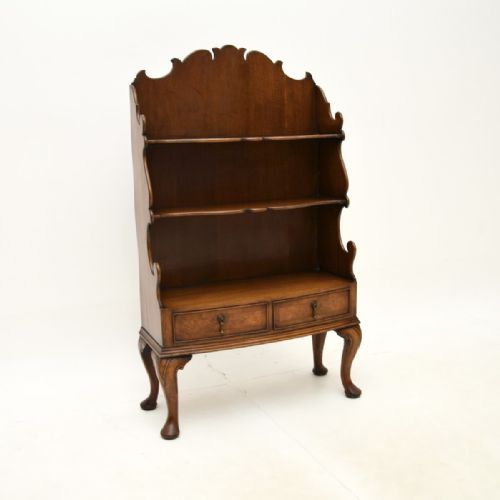
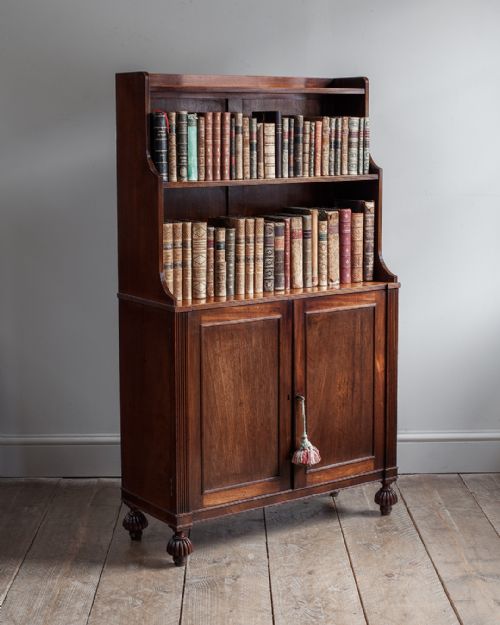
- A set of open shelves that diminishes in depth from bottom to top, creating a stepped profile. This form gained popularity during the Regency and Edwardian periods.
- Étagère
- A piece of furniture consisting of a set of open shelves for displaying small objects or books. They are typically lighter in construction than standard bookcases.
- Revolving bookcase
- A compact bookcase designed to rotate on a fixed base, allowing easy access to books from any angle. Edwardian examples often feature inlaid mahogany tops.
- Open bookcase
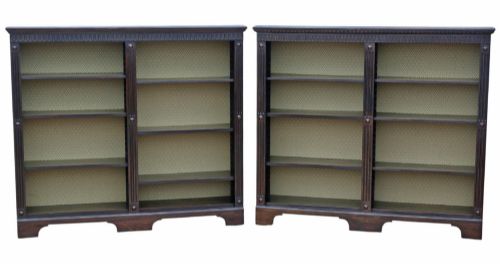
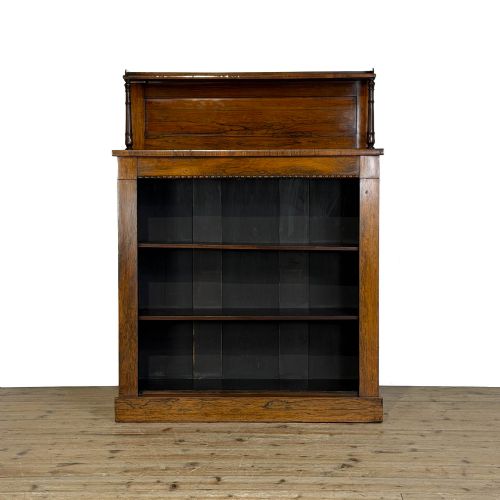
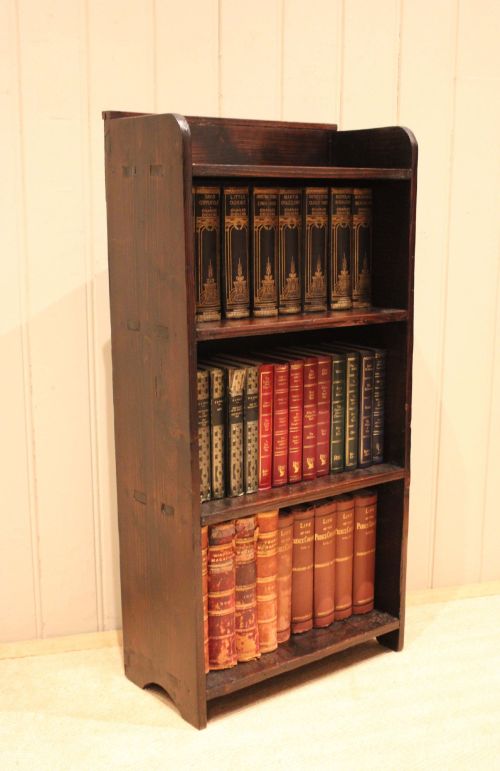
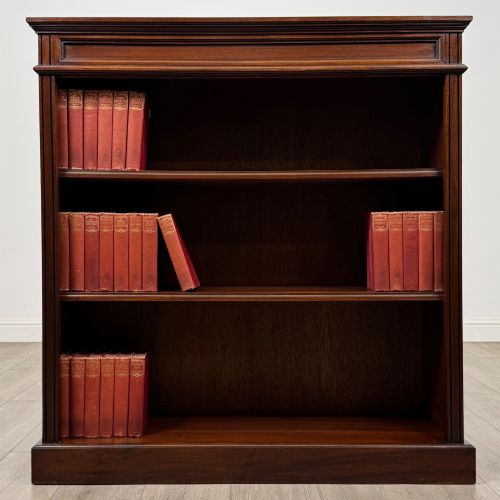
- A bookcase lacking doors, designed for immediate access to volumes. These range from rustic early twentieth-century oak units to fine Victorian library pieces.
Antique Book Display Stand: Frequently Asked Questions
Where should I place a book stand?
These compact stands suit studies, hallways, and living rooms where floor space is limited. Their open shelves allow easy access to frequently read volumes.
Positioning them away from direct heat sources protects the antique timber and bindings from drying out over time.
How do I adjust the shelves?
Many period bookcases feature wooden ratchets or metal shelf supports that allow boards to be moved. You simply lift the shelf and reposition the supports into the desired slots.
Take care when adjusting older oak or mahogany interiors to avoid marring the aged wood surfaces.
Can these hold heavy books?
Solid mahogany and oak pieces are structurally robust and easily support standard library volumes. Adjustable shelving systems distribute weight securely across the frame.
Heavier folio volumes sit best on the deeper lower shelves of waterfall or open bookcase designs.
How do I date an antique stand?
Dating relies on observing timber choices, construction methods, and stylistic cues like Edwardian inlay or Regency waterfalls. Oak and walnut point toward specific revival periods or earlier centuries.
Comparing the hardware, shelf adjustment mechanisms, and overall proportion helps narrow down the decade of manufacture.