




Antique Bohemian Ceramics
These antique bohemian ceramics bring together moulded terracotta, hand-painted porcelain, and sweeping Art Nouveau lines from the nineteenth and early twentieth centuries.
Antique Bohemian Ceramics
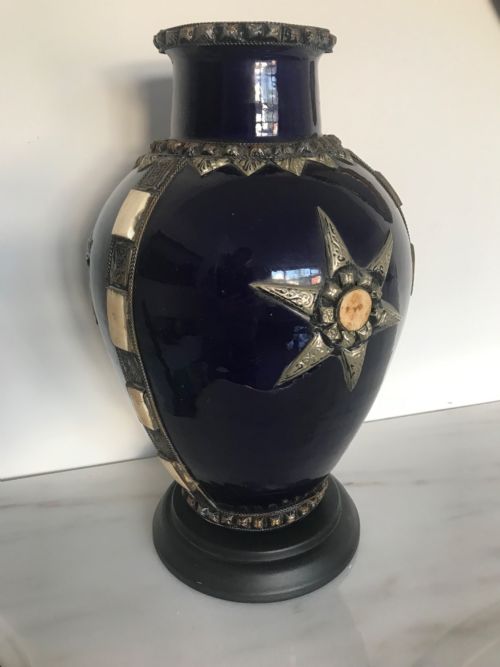
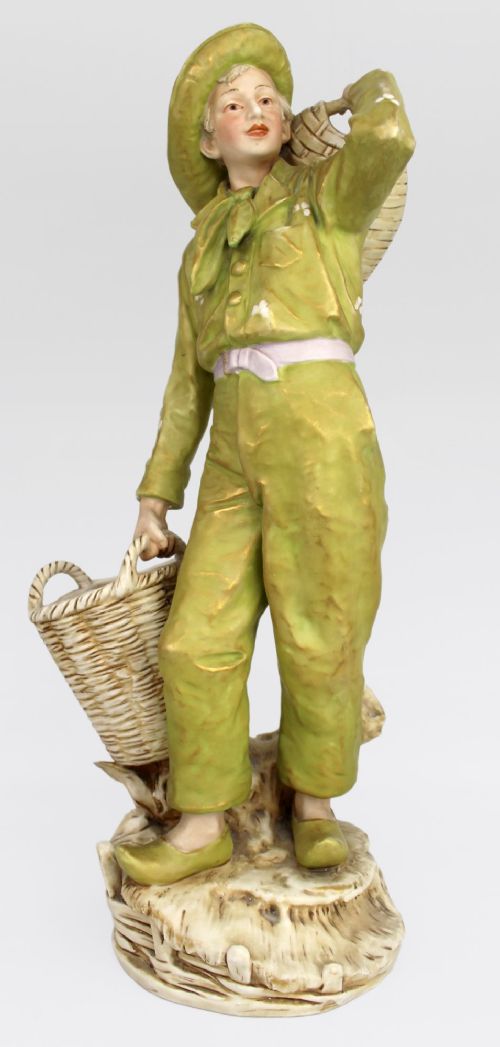
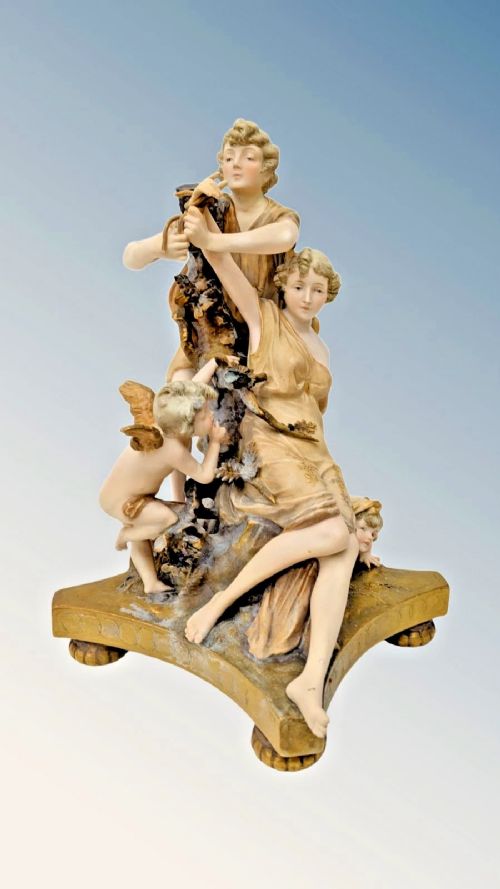
When you search for antique bohemian ceramics, you find a distinct grouping of nineteenth- and early-twentieth-century decorative objects originating from Bohemia and neighbouring Austrian workshops. The selection on this page centres heavily on figural porcelain groups, large earthenware vases, and glazed terracotta centrepieces spanning the Victorian, Edwardian, and Art Deco periods.
Figurines and monumental vases dominate the offerings, often depicting maidens, water nymphs, fisher folk, and animal subjects rendered in sweeping, organic forms. These pieces reflect the industrial and artistic output of major regional potteries operating around nineteen hundred and the preceding decades.
How they were made
Makers utilised porcelain, earthenware, and terracotta as the primary bodies, shaped through casting and moulding techniques before firing. Artisans then applied intricate hand-painting, coloured glazes, and metallic highlights such as gold leaf and silver mounts.
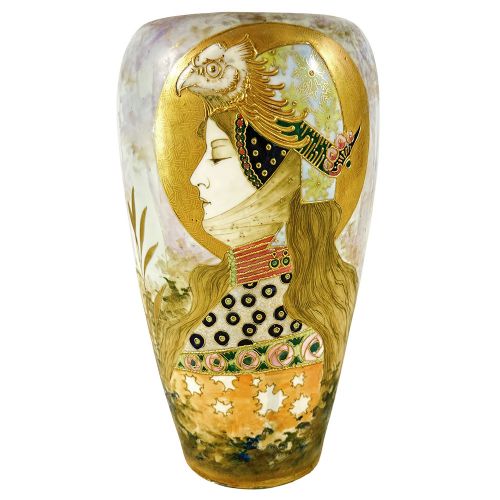
Surface decoration frequently incorporated thick enamel work and meticulous hand-gilding, particularly on cabinet vases and tea sets. Sculptural pieces combined fine porcelain with applied botanical or figurative motifs characteristic of the period.
Periods range from the nineteenth century through the Edwardian era to the nineteen thirties.
What varies in quality
The sophistication of the palette and the restraint used in gilding and enamel work also distinguish finer output from standard commercial production. Works bearing recognised modeller signatures or specific factory designations demonstrate higher levels of studio execution.
Royal Dux Bohemia·Nicholas Kannhauser·Reissner Stellmacher and Kessel·H Schubert·Ernst Wahliss·Bernard Bloch·Alois Hampel·Julius Dressler·Moser·Paul Dachsel
The Antique Bohemian Ceramics Glossary
- Art Nouveau
- A decorative style characterised by flowing, organic lines and floral motifs that strongly influenced bohemian ceramic design around nineteen hundred. This aesthetic appears frequently in the sweeping curves of vases and figural sculptures.
- Terracotta
- A porous, unglazed or glazed fired clay body used extensively for large figures, busts, and ewers. It provides a heavy, durable base for coloured glazes and metallic cabochons.
- Earthenware
- A lower-fired ceramic material utilised for domestic wares, spill vases, and decorative vessels. It requires an applied glaze to become impervious to liquids.
- Gilt
- A thin layer of gold applied to the surface of porcelain or metal mounts to provide decorative highlights. Hand-gilding is typical of finer bohemian tea sets and cabinet pieces.
- Vide Poche
- A small decorative tray or dish intended for emptying pockets, often modelled as a maiden leaning over a shell. These functional objects combine figural sculpture with shallow vessel forms.
Antique Bohemian Ceramics: Frequently Asked Questions
What periods do these ceramics come from?
The pieces span the late nineteenth century through to the Art Deco era of the nineteen thirties. Most examples cluster around the Victorian, Edwardian, and nineteen-hundreds periods when bohemian pottery production reached its industrial peak.
Earlier nineteenth-century works share shelf space with later Edwardian figural groups and nineteen-twenties earthenware. Each era carries distinct stylistic traits, moving from ornate Victorian orientalism towards flowing Art Nouveau and geometric Art Deco forms.
How were these decorative figures used originally?
Many of the large figural groups and monumental vases served as dramatic centrepieces for affluent drawing rooms and dining tables. Smaller pieces functioned as spill vases on mantelpieces or decorative vide poche dishes in hallways.
Sculptural figures of maidens, animals, and water nymphs were strictly ornamental displays of wealth and taste. They occupied prominent positions on pedestals and sideboards within Edwardian homes.
How do I identify a Royal Dux piece?
Many factories used impressed or applied marks on the base, often including pink triangular seals or numeric model designations. The modelling itself often follows distinct monumental or figural styles associated with bohemian workshops.
Form numbers and artist signatures provide further clues to origin, though condition and glaze type also help confirm the workshop of origin. The presence of characteristic earthenware or porcelain bodies aids in period attribution.
How should I care for antique bohemian ceramics?
Display these fragile pieces away from direct sunlight to protect delicate enamels, hand-painted details, and gold leaf highlights. Dust gently with a soft, dry brush rather than using wet cloths or chemical cleaners.
Avoid placing glazed earthenware or terracotta items in damp environments because moisture can infiltrate porous unglazed areas. Secure large figural groups on stable surfaces to prevent accidental tipping.