




Antique Board Chest Coffer
These heavy timber boxes solve storage with stark utility, spanning centuries of vernacular craftsmanship.
Antique Board Chest Coffer
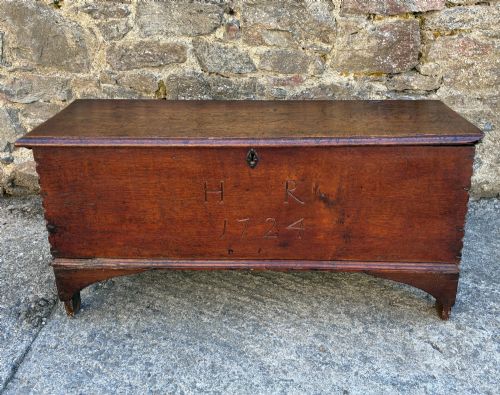
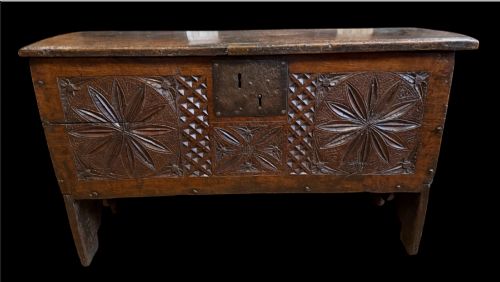
An antique board chest coffer is a robust storage container constructed from thick wooden planks pinned together at the edges, serving households since the sixteenth century for garments, swords and household goods. Collectors encounter examples spanning from Elizabethan and Jacobean periods through the Georgian era and up to nineteen hundred, reflecting utilitarian domestic origins.
These items function equally well as blanket boxes, window seats or low sideboards within contemporary interiors, retaining the utilitarian character of early domestic spaces. The heavy timber construction ensures lasting stability across centuries of continuous household use.
How they were made
Makers fashioned these pieces primarily from solid oak and elm, utilising durable native timbers capable of enduring heavy daily use. Spanish pitch pine also appears among later nineteenth-century trunk variants.
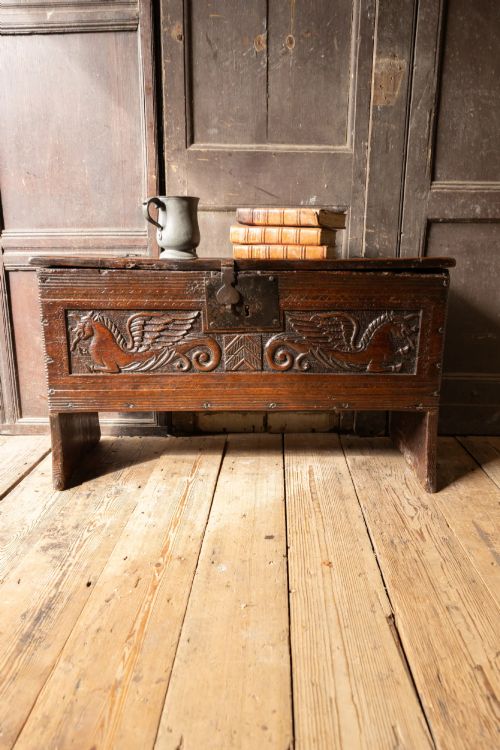
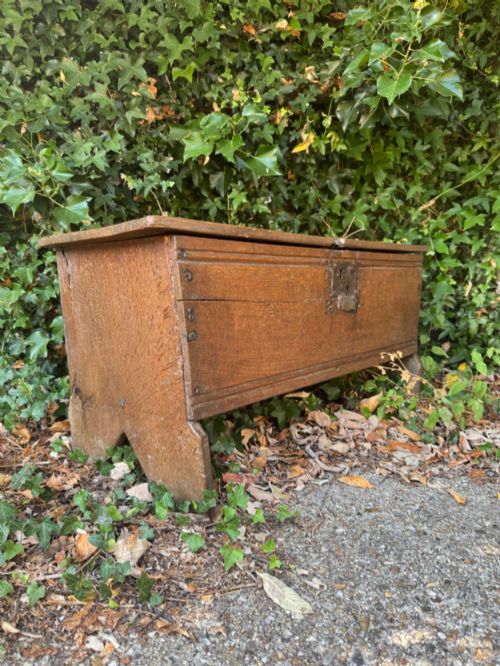
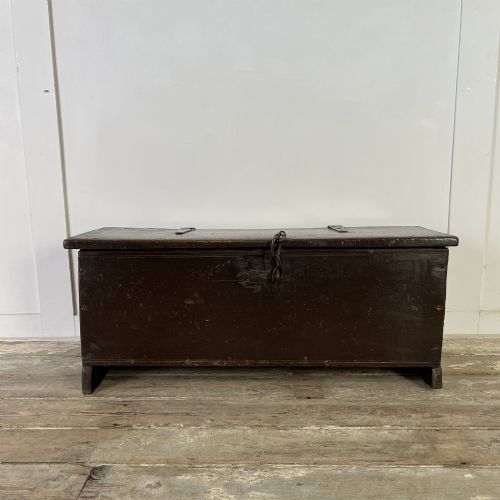
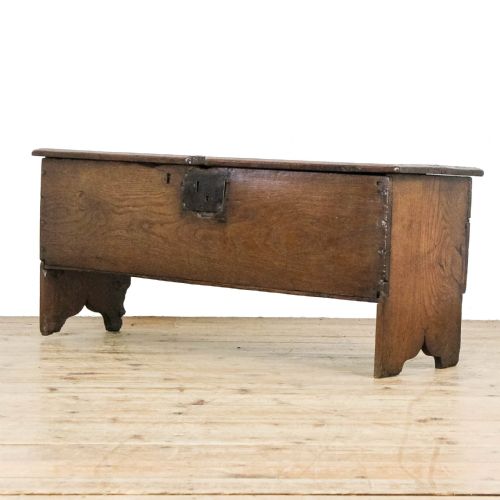
Joinery relied heavily on wrought iron hardware, including strap hinges and locks, alongside wooden pegs to secure the thick boards together. Some pieces display carved surface decoration, while others maintain a plain boarded finish characteristic of primitive country workshops.
Listings feature sixteenth-century Elizabethan and seventeenth-century Jacobean oak examples alongside eighteenth-century pieces in oak and elm.
What varies in quality
The distinction between ordinary and superior pieces rests upon the integrity of the original timber boards and the survival of early wrought iron hardware. Thick, uncompromised oak planks retain greater structural honesty than heavily restored equivalents.
Proportion and scale dictate desirability, with long sword chests and small primitive boxes holding particular appeal for their specific historical functions. Surface patination acquired through centuries of handling separates untouched examples from those stripped or over-polished in later periods.
The Antique Board Chest Coffer Glossary
- Six-plank coffer
- A simple chest constructed from six individual boards joined directly at the edges to form the base, sides, ends and lid. This method represents the earliest and most direct form of box construction.
- Sword chest
- A long, narrow variant designed specifically to accommodate long arms and blades securely. These pieces frequently feature extended proportions compared to standard blanket boxes.
- Vernacular furniture
- Domestic items built by local craftsmen using regional traditions and readily available native woods rather than following metropolitan academic designs. These pieces display honest, practical construction methods.
- Wrought iron
- Iron beaten and shaped by hand into hinges, straps and locks by a blacksmith. This material provides essential structural reinforcement for early boarded timber chests.
- Boarded construction
- A method where flat planks form the primary structure of a piece without an internal frame. This technique produces clean, architectural lines.
Antique Board Chest Coffer: Frequently Asked Questions
How were board coffers used?
Households utilised these heavy timber boxes to secure valuable textiles, documents, weapons and personal belongings against theft and dampness. Their flat lids also allowed them to serve double duty as tables, benches or window seats within early domestic spaces.
Over subsequent centuries, their robust nature made them reliable repositories for household linens and winter blankets. Today, they transition easily into living spaces as coffee tables or hall storage.
What is a sword chest?
A sword chest is a specialised, elongated variant of the standard coffer built with extended dimensions to store long blades and military equipment safely. These pieces are typically narrower and longer than traditional blanket boxes.
Their distinct proportions reflect the practical military and domestic requirements of seventeenth-century households. Surviving examples offer direct insight into early arms storage.
How do you date an oak coffer?
Dating relies on observing construction techniques, such as the transition from plain boarded six-plank methods to framed paneling, alongside tool marks and hardware types. Wrought iron strap hinges and hand-forged nails provide strong chronological indicators.
Style markers like Elizabethan or Jacobean carving patterns help narrow the period of origin. Wood shrinkage and natural oxidation also offer reliable clues to age.
Are these chests heavy?
Solid oak and elm construction combined with thick planks and wrought iron hardware makes these coffers exceptionally heavy and solid. Moving them requires care and often multiple pairs of hands to protect both the piece and the flooring.
This substantial weight contributes directly to their survival over four centuries of domestic use. Once placed, they remain exceptionally stable.