
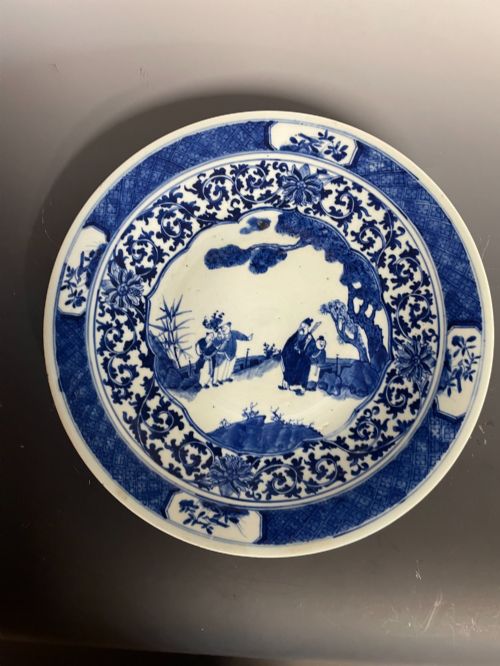
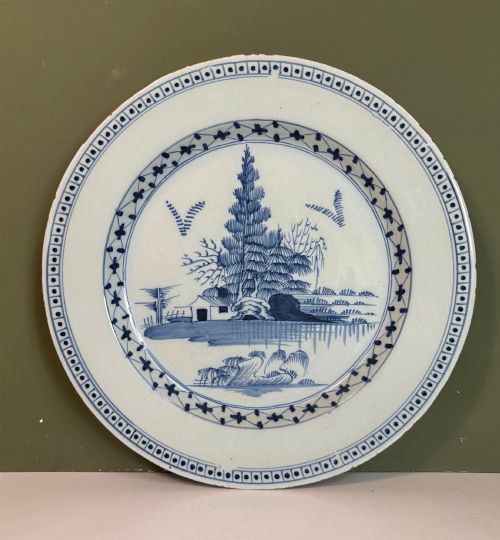

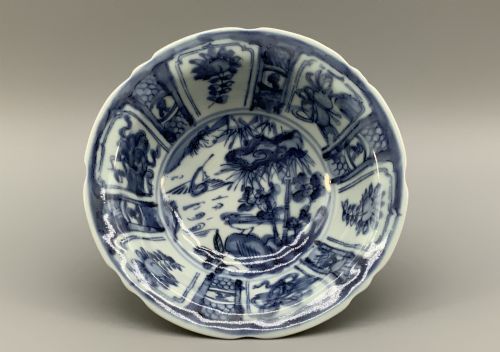
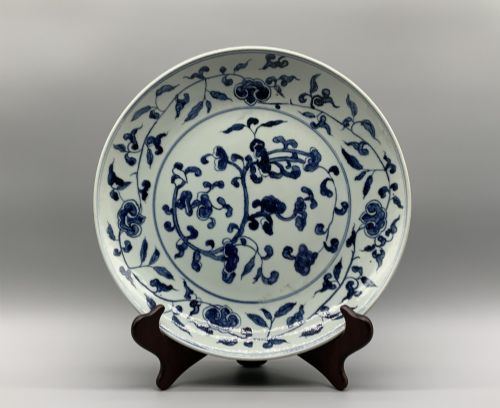


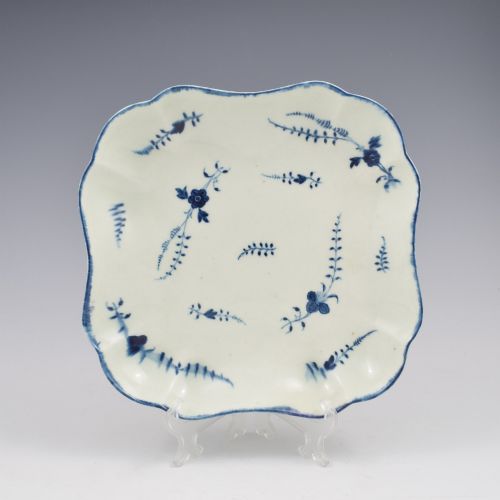
Antique Blue White Plate
An antique blue white plate brings cobalt pigment and ceramic form together in domestic service.
The Types of Plate Available
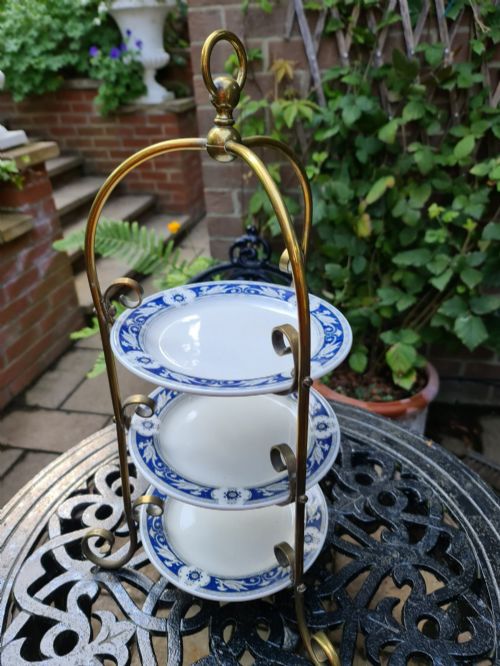
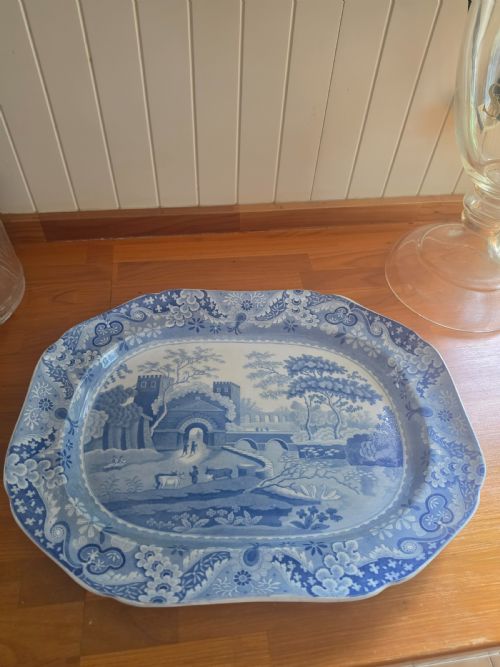
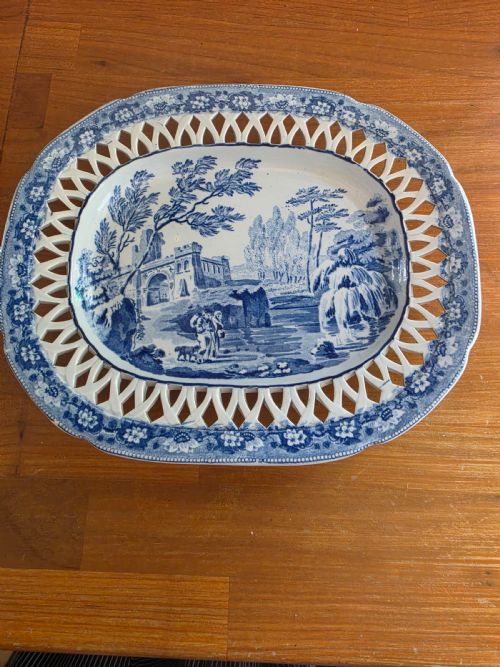
When searching for an antique blue white plate, collectors encounter a range of forms spanning earthenware, pearlware, and porcelain. These pieces serve various functions, from small dining dishes to large charger plates and meat platters.
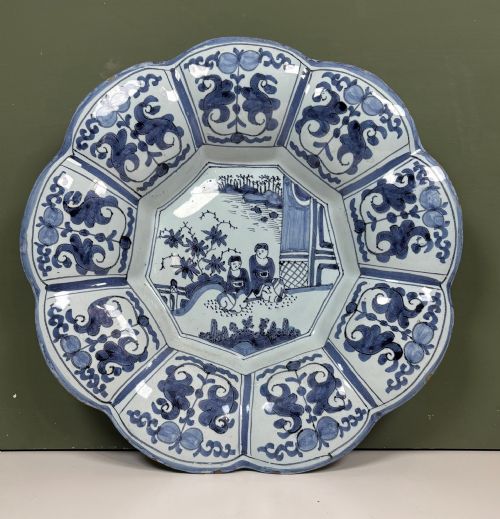
The aesthetic draws heavily from Georgian transfer-printed landscapes, Oriental scenes, and Dutch delftware traditions. English factories and continental makers both contributed significantly to the surviving examples.
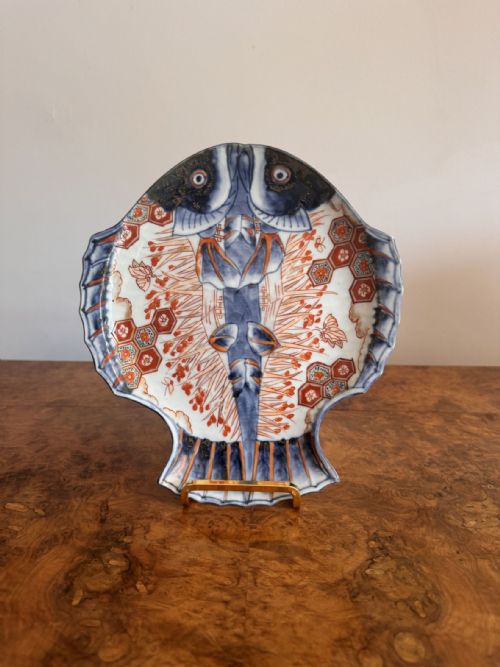
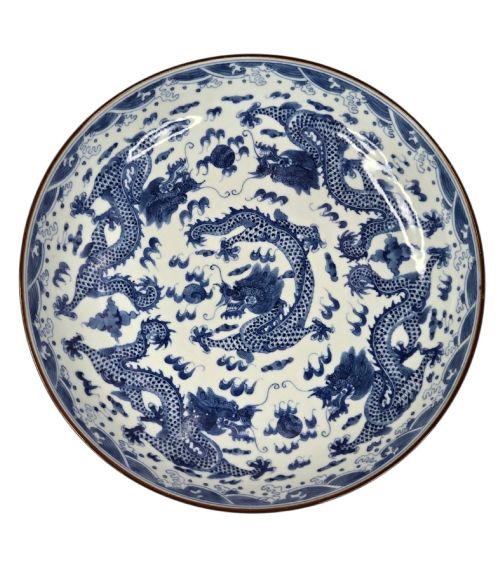
Examples on this page include Yorkshire pearlware, late Victorian chargers, and Minton Chinese marine designs. The variety extends across centuries of ceramic production and domestic use.
Materials and Methods
Potters shaped these vessels using earthenware, ceramic, and porcelain bodies, applying cobalt glaze for the distinct blue coloration. Many pieces utilise transfer printing to transfer detailed copperplate engravings onto the clay surface.
Early items such as delftware and pearlware rely on tin or lead glazes over soft paste bodies. Later Victorian pieces employ harder ceramic compositions fired at higher temperatures.
Dr. Syntax makes unexpected appearances on plates, galloping through satirical adventures frozen in blue cobalt.
Judging Quality
Quality rests in the crispness of the cobalt transfer and the balance of the glaze. A clear, sharp application without blurring separates superior output from standard commercial production.
The weight, throwing of the clay, and depth of the footrim indicate the care taken by the potter. Early pearlware and fine porcelain show finer body preparation than mass-produced utilitarian wares.
Minton·John Davenport·James and Ralph Clews·John Rogers and Son·Zacharia Boyle
The Antique Blue White Plate Glossary
- Pearlware
- A refined earthenware developed in the late eighteenth century featuring a subtle bluish glaze that masked the cream colour of the body.
- Transfer printing
- A method of decorating ceramics by engraving a design on a copper plate, pulling it on tissue paper, and pressing it onto the biscuit ware.
- Charger
- A large decorative plate, often displayed on walls or sideboards rather than used for dining.
- Delftware
- Tin-glazed earthenware produced in England, Holland, and elsewhere, known for an opaque white surface painted in cobalt blue.
- Biscuit
- Unglazed ceramic fired once in the kiln before glaze application and a second firing.
Frequently Asked Questions
How do I date an antique blue white plate?
Dating relies on body composition, glaze characteristics, and the style of the printed or painted motifs. Early pieces show softer earthenware fabrics while later Victorian items use harder ceramic bodies.
Maker marks and impressed registry numbers on the reverse provide further clues for precise chronological placement.
Were these plates meant for daily dining?
Many smaller plates saw active use on dining tables for meals and serving. Larger chargers and meat platters were reserved for special dinners or sideboard display.
Graduated meat plates formed parts of extensive dinner services used in substantial households.
What is transfer printing on ceramics?
Transfer printing involved etching a detailed pictorial scene onto a copper plate, inking it with cobalt, and pressing it onto the ceramic surface. This technique allowed intricate topographical and oriental views to be replicated efficiently.
It replaced hand painting for many factories during the Georgian period.
How should I display a charger plate?
Large charger plates suit plate hangers designed for wall display or sturdy plate stands placed on sideboards and mantels. Ensure the support secures the rim firmly without putting pressure on the glaze.
Keep pieces away from direct sunlight to protect the cobalt decoration.