


Antique Blue White Gilded
Antique blue white gilded items combine cobalt painting with metallic highlights across centuries of ceramic production.
Antique Blue White Gilded
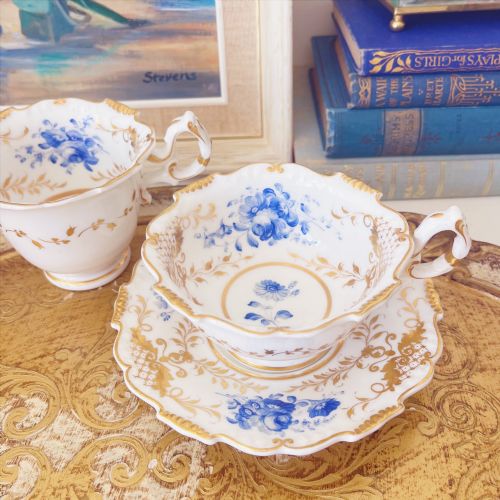
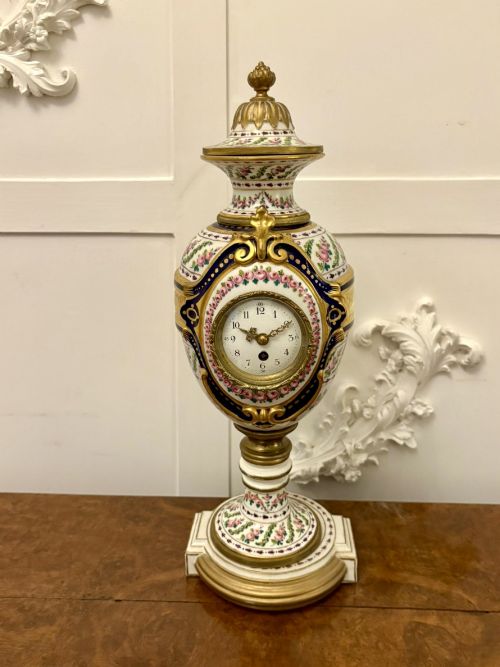
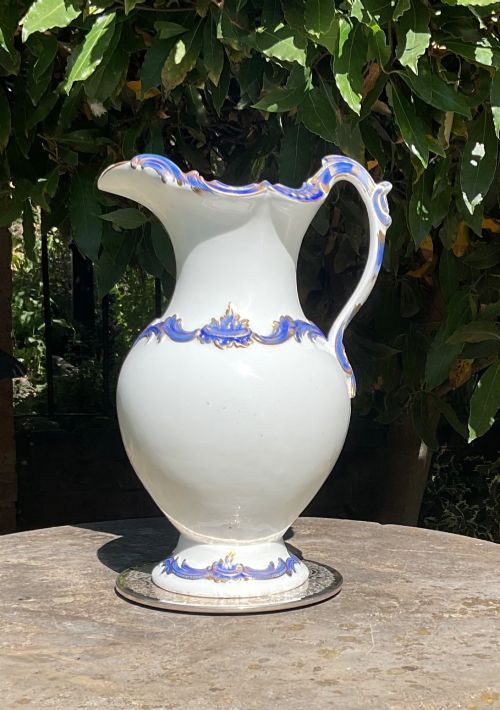
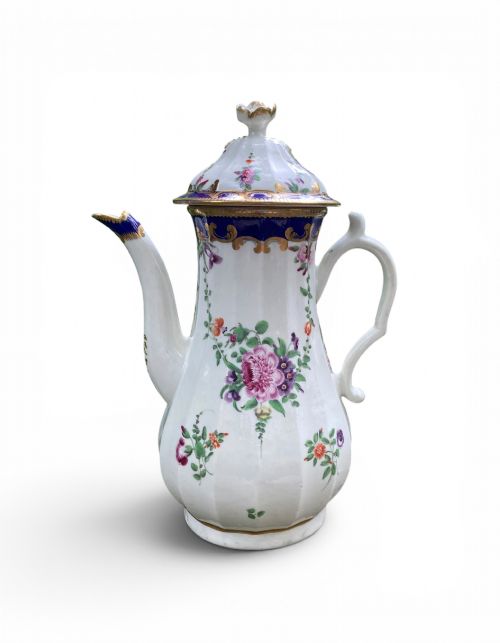
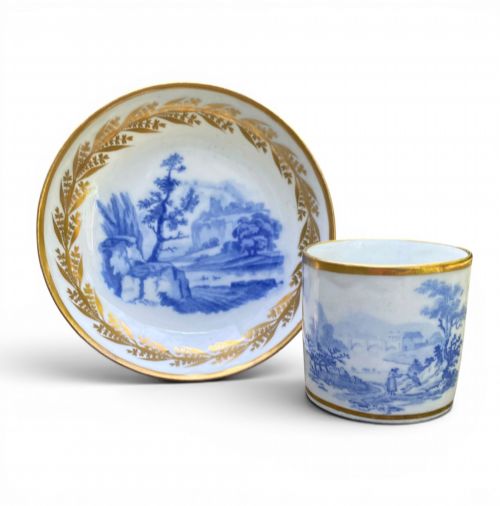
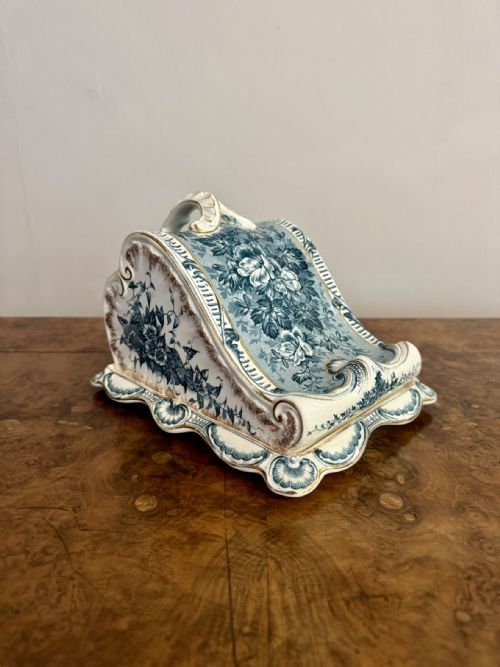
When searching for antique blue white gilded items, buyers encounter a diverse range of ceramics including tea wares, decorative bowls, vases, and mantel clocks spanning the eighteenth to the early twentieth century. English factories such as Worcester, Minton, and Coalport sit alongside French porcelain and Japanese Imari wares on this page. Domestic utility items like jugs, cheese dishes, and biscuit barrels appear alongside purely decorative mantel clocks and portrait miniatures.
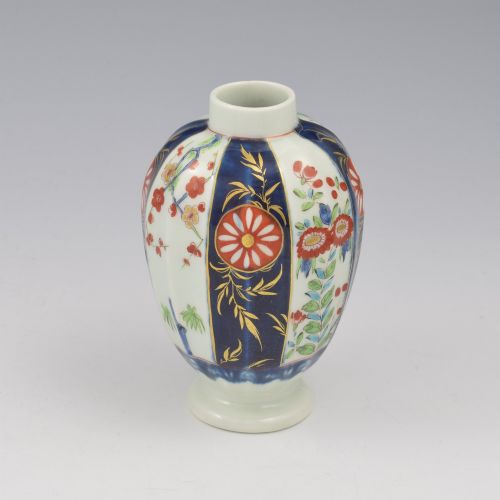
The aesthetic bridges traditional cobalt underglaze painting with surface metallic enrichment, reflecting tastes from Georgian and Regency periods through to Victorian and Edwardian revivals. Japanese porcelain from the Edo and Meiji periods brings distinct regional interpretations of blue and white designs augmented with gilding. These pieces range from functional dining service components to monumental decorative urns and vases.
Materials and technique
Potters and porcelain manufacturers shaped ceramic bodies from earthenware, ironstone, and fine paste porcelain, applying cobalt oxide pigments beneath transparent glazes to achieve deep blue tones. Kiln firing fixed the cobalt before artisans applied gold leaf, gilt, or enamel details over the glaze in subsequent low-temperature firings.
Finer items received handpainted decoration from skilled decorators working in factories across England, France, and Japan. Ormolu mounts and gilded metal fittings were occasionally combined with ceramic bodies to create structured clock sets and wall brackets.
Listings feature ceramics spanning the eighteenth to the early twentieth century, including porcelain, earthenware, and gilt metal mounts.
Assessing quality
Quality reveals itself in the precision of the handpainted cobalt details and the crisp application of gilding over the ceramic surface. Superior examples demonstrate careful potting with well-balanced forms and refined painting that remains clear and sharp.
The reputation of the producing factory, whether historic English porcelain works or Japanese export kilns, influences the standing of individual items. Preservation of the fragile gold leaf and enamel decoration over decades of use separates well-kept pieces from those showing heavy wear.
Dr Wall Worcester·New Hall·Minton·Coalport·Doulton Burslem·Moorcroft Macintyre
The Antique Blue White Gilded Glossary
- Underglaze blue
- A decorative technique where cobalt pigment is applied directly to the unfired ceramic body before glazing and firing at high temperatures. This method protects the blue pigment beneath a glassy surface layer.
- Gilding
- The application of gold leaf or powdered gold paint to the surface of porcelain or pottery. It provides metallic contrast against the white ceramic and blue painted elements.
- Imari
- A traditional Japanese style of porcelain featuring a distinct palette of underglaze cobalt blue and iron red, frequently enriched with gold. These wares were widely exported to Europe from the seventeenth century onward.
- Biscuit
- Fired unglazed ceramic pottery or porcelain that possesses a matte texture. It is often utilised for sculptural figures and decorative relief work.
- Sucrier
- A small covered vessel designed to hold sugar for tea service. They frequently match tea bowls, cups, and saucers within larger ceramic sets.
Antique Blue White Gilded: Frequently Asked Questions
How do I clean gilded ceramics?
Dust these items gently with a dry, soft brush to protect the delicate gold leaf and enamel decorations from abrasion. Avoid submerging antique gilded pieces in water or using harsh chemical cleaning agents.
Moisture can weaken fragile overglaze gilding and compromise historic ceramic bodies. A damp cloth should only be used with extreme caution on glazed interior surfaces away from gold trim.
Are these items safe for food use?
Most antique ceramic pieces are best reserved for display rather than daily dining due to the fragility of overglaze gilding and historic glaze compositions. Regular washing and acidic foods can cause the metallic highlights and painted details to fade over time.
Tea wares and serving platters from earlier centuries frequently display craquelure or wear that makes them unsuitable for modern culinary use. Enjoying them as decorative objects preserves their condition for the future.
How do I date antique porcelain?
Factory marks stamped, painted, or impressed on the underside of ceramics provide the primary clue for identifying manufacturing dates and origins. Stylistic shifts, such as the transition from Georgian handpainted motifs to Victorian transfer printing, help narrow down the period.
Comparing potting techniques, paste consistency, and glaze characteristics against established reference guides assists in confirming age. Unmarked pieces require careful stylistic analysis to determine their likely era.
What is Japanese Imari porcelain?
Japanese Imari porcelain refers to wares produced in the town of Arita and exported through the port of Imari from the Edo period onward. These pieces are recognised by their striking combination of deep cobalt blue underglaze and iron red overglaze, frequently framed with detailed gilding.
European factories subsequently imitated these vibrant palettes throughout the eighteenth and nineteenth centuries. Authentic early examples feature distinct body textures and firing spurs characteristic of Japanese kilns.