
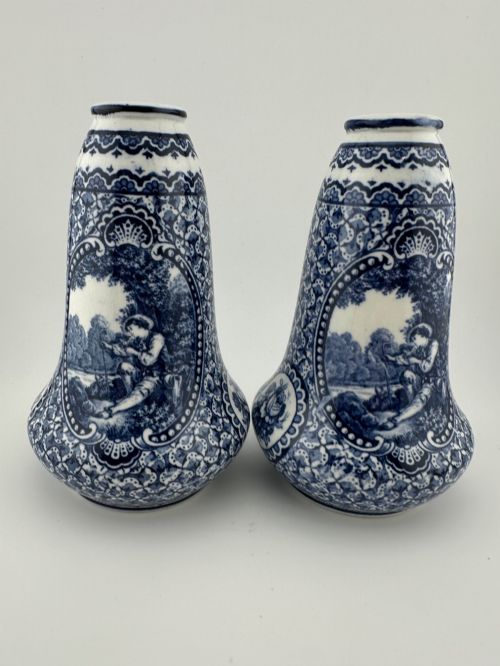
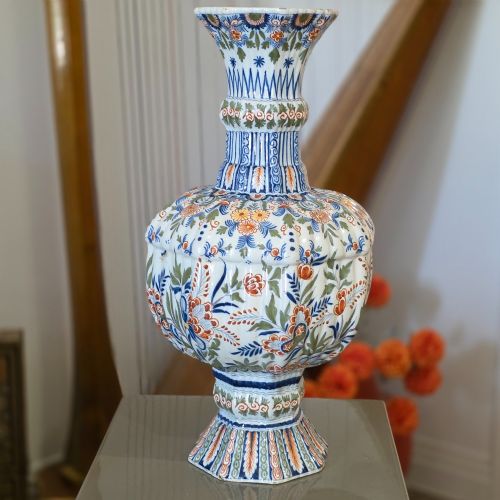
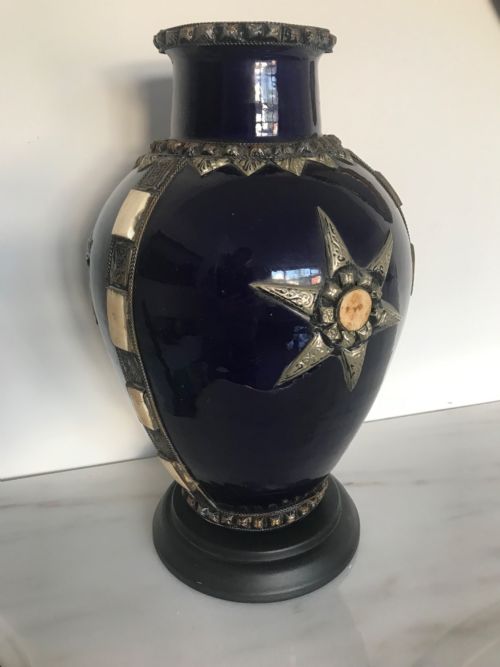
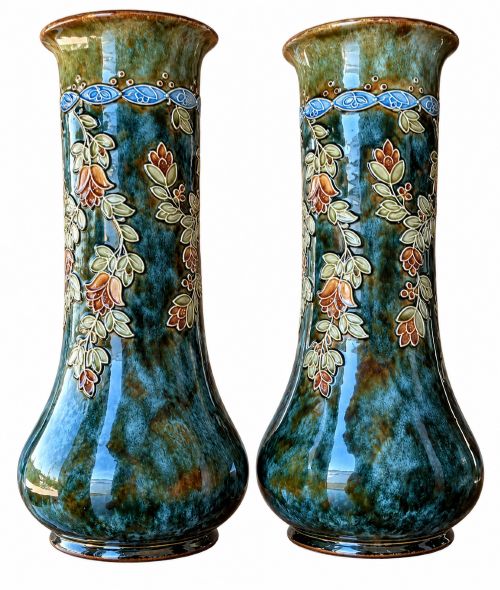
Antique Blue Pottery Vase
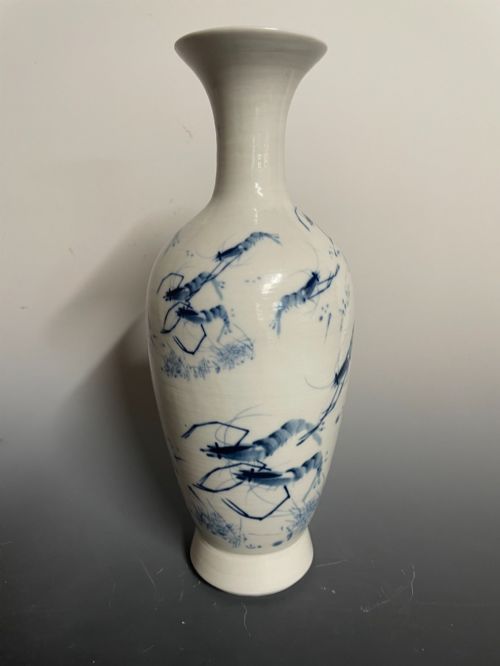
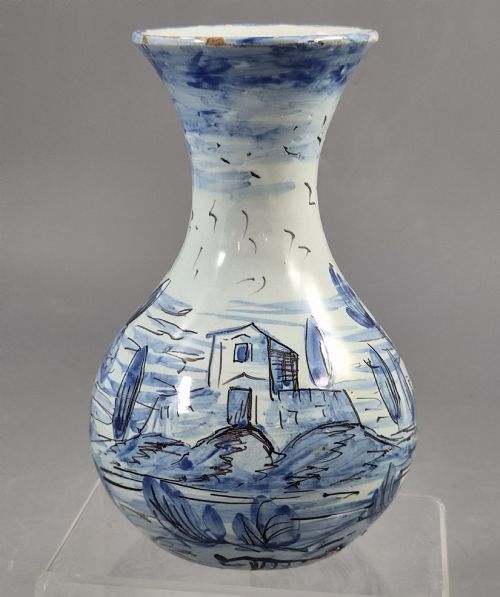
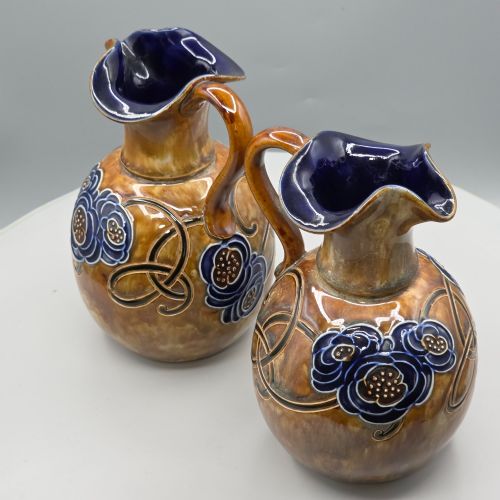
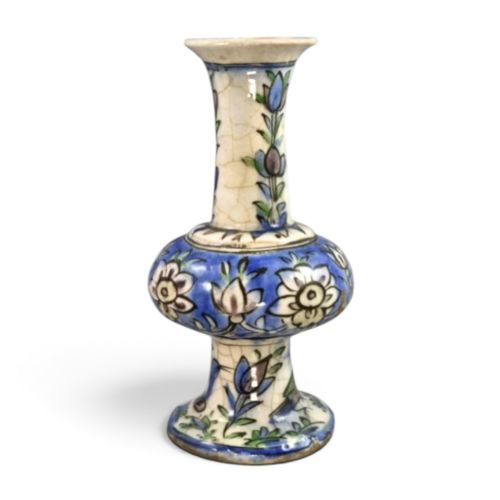
When you handle an antique blue pottery vase, you hold centuries of global ceramic craft shaped in earthenware, stoneware, and porcelain.
Antique Blue Pottery Vase
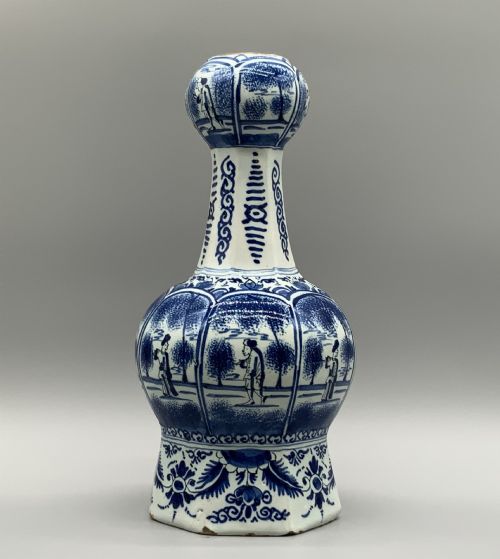
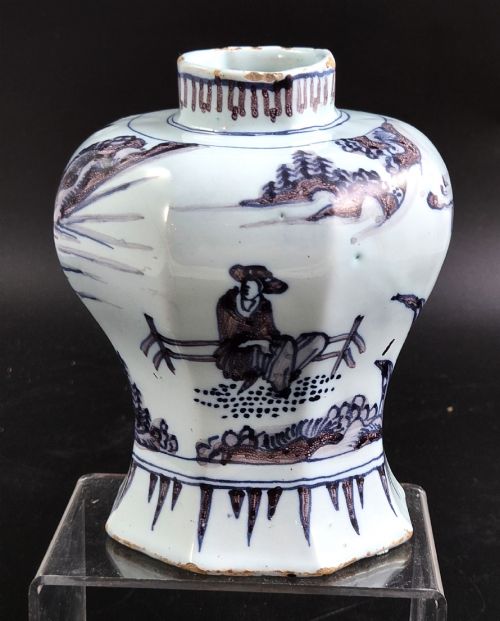
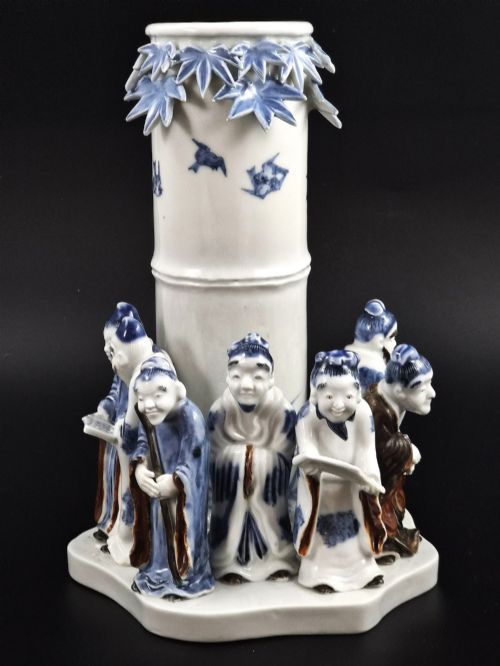
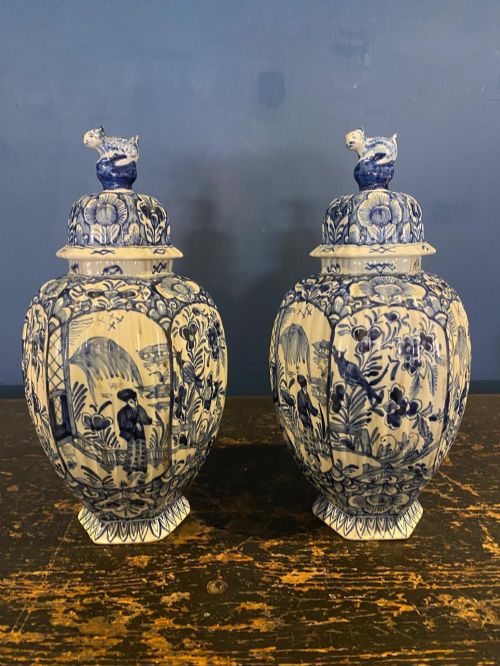
An antique blue pottery vase encompasses a wide variety of ceramic forms, from 18th-century Delftware and Dutch Baroque pieces to Victorian stoneware and 20th-century art pottery. Buyers searching this phrase meet domestic European tin-glazed vessels alongside Asian porcelain and earthenware imports.
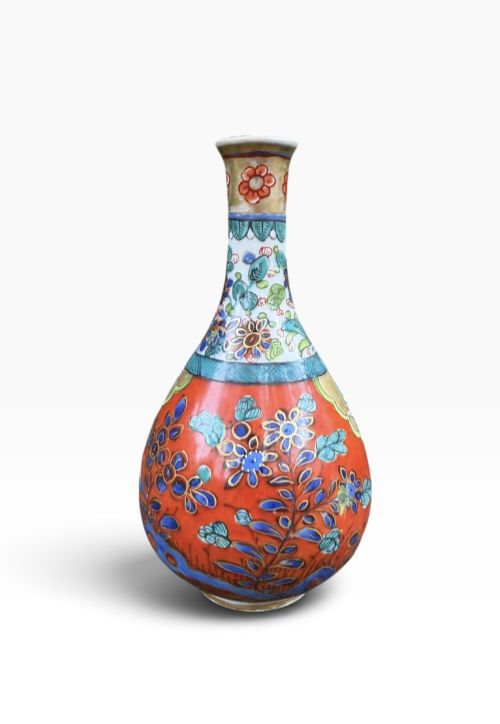
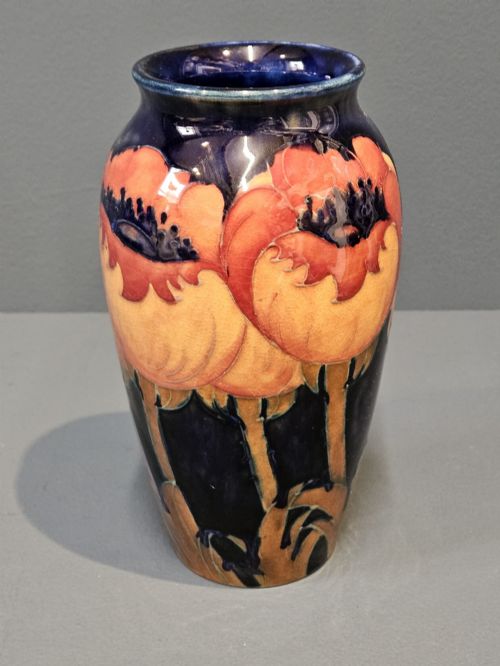
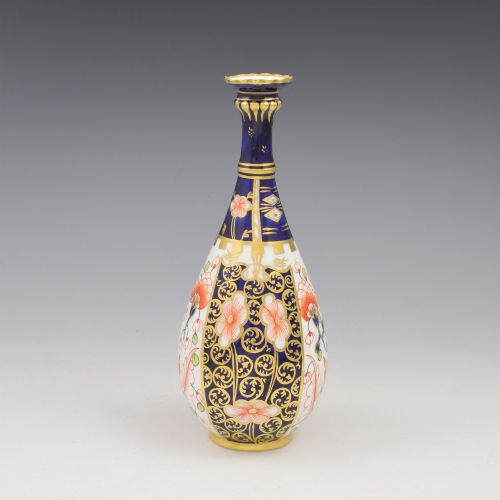
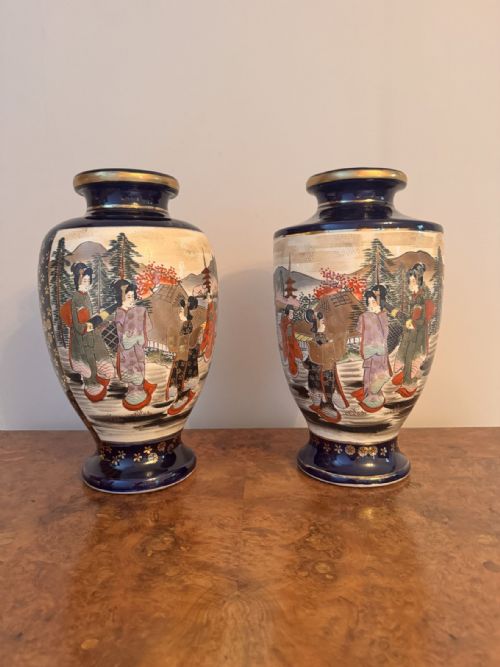
The most common examples on this page span the 19th and early 20th centuries, heavily represented by British studio workshops like Royal Doulton and Moorcroft, as well as continental faience and Japanese imari. These vessels take the form of baluster vases, lidded jars, garnitures, and cabinet pieces decorated predominantly in cobalt blue.
Origins range widely across Staffordshire, Lambeth, France, Italy, Persia, China, and Japan, reflecting international trade and stylistic revivals from Renaissance to Art Nouveau. Each piece combines functional vessel shapes with regional glaze traditions, utilising tin-glaze, enamel, and underglaze blue pigments.
Materials and production methods
Potters formed these vessels using foundational ceramic materials including earthenware, stoneware, and porcelain, often shaping them on the wheel or moulding them into specific baluster and bottle silhouettes. Earthenware and tin-glazed bodies provided a porous base for opaque white glazes, whilst denser stonewares offered greater durability and texture.
Decoration relied heavily on cobalt blue pigments, applied directly onto raw clay or unfired tin-glazes before high-temperature firing. Additional detailing occasionally incorporated enamel, gold leaf, and bronze mounts to frame the ceramic body.
Specialised techniques such as salt-glazing in stoneware production or the intricate hand-painting seen on Dutch Delftware and Japanese imari porcelain required immense kiln control. Workshops employed specialised glazes, including lustre and flambé finishes, to achieve distinctive surface depths and tonal variations.
The inventory includes British studio pottery, Dutch Delftware, French faience, and Japanese imari wares.
Factors of craftsmanship and distinction
Quality in these ceramics rests on the precision of the throwing and the clarity of the painted decoration. Superior examples display confident, fluid brushwork in the cobalt pigment rather than mechanical transfer printing, showing the direct hand of the artist.
The sophistication of the glaze chemistry and kiln firing dictates the depth of the blue colour and the uniformity of the surface finish. Pieces by recognised designers or major potteries often exhibit crisper moulded details, balanced proportions, and integrated metal mounts or covers that survive intact.
Royal Doulton·Moorcroft·Fourmaintraux-Courquin·Cantagalli·Minton
The Antique Blue Pottery Vase Glossary
- Tin-Glazed Earthenware
- Earthenware pottery covered with a lead glaze made opaque by the addition of tin oxide. This white surface served as a canvas for painting in cobalt blue before a final firing.
- Baluster
- A tall ceramic form shaped with a rounded lower body that tapers towards a narrow neck. It is one of the most frequent silhouettes found among historic vases.
- Imari
- A style of Japanese porcelain exported from the port of Imari, traditionally decorated in underglaze blue, iron red, and gold. These colourful patterns heavily influenced European ceramic design.
- Stoneware
- A robust, vitrified pottery body fired at high temperatures until non-porous. It accepts salt glazes and deep cobalt decorations characteristic of later 19th-century studio work.
Antique Blue Pottery Vase: Frequently Asked Questions
How were these blue pottery vases used?
Historically, these vessels served practical functions as containers for cut flowers, decorative garnitures on mantelpieces, or storage jars for dry goods and liquids. Many larger lidded examples also functioned as display pieces intended to showcase wealth and taste in formal rooms.
Over time, their roles shifted towards purely decorative cabinet pieces, while smaller jugs and bottles were adapted for domestic display or fitted as table lamps during the late Victorian and Edwardian periods.
How do I distinguish 18th century Delft from later revivals?
Eighteenth-century Delftware typically exhibits a softer, more porous earthenware body with slight glaze imperfections and subtle variations in the cobalt blue pigment. The tin-glaze often shows fine crazing and minor edge chipping due to age.
Later 19th-century revival pieces tend to have heavier, more uniform bodies, harder glazes, and often bear specific factory stamps or registry marks that distinguish them from earlier unbranded domestic wares.
Can I use an antique ceramic vase for fresh flowers?
Many of these vessels are porous earthenware or historic tin-glazed pieces that can be susceptible to moisture seeping through hairline cracks or unglazed bases. Using them directly with water risks damaging the historic body and the interior glaze.
It is safer to place a small, hidden glass or plastic liner inside the vase if you wish to display fresh stems, thereby protecting the antique fabric from mineral deposits and dampness.