
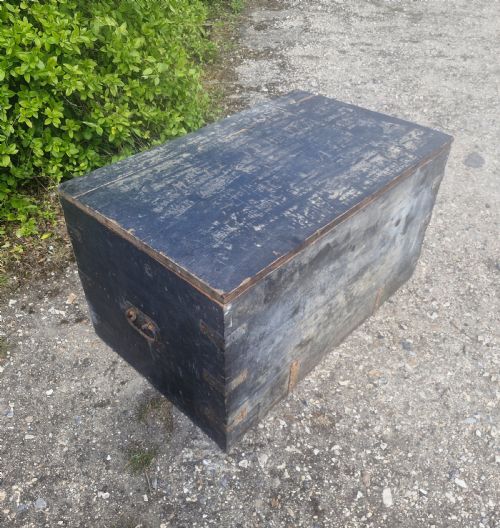


Antique Blue Coffer Chest
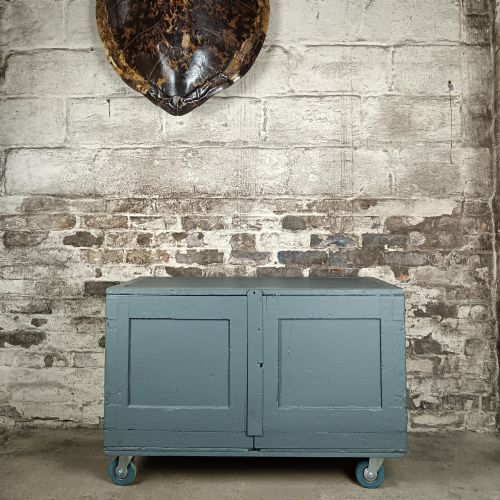
An antique blue coffer chest provides sturdy storage with painted folk art character, bringing historic provincial craftsmanship directly into a room.
Antique Blue Coffer Chest
An antique blue coffer chest is a utilitarian storage box built for domestic belongings, blankets, or travel, frequently taking the form of a blanket box, trunk, or marriage chest. These pieces arrive from various origins including Scandinavian folk art traditions, Italian workshops, and English domestic settings.
The version most commonly encountered on this page is the nineteenth-century Swedish painted pine coffer or dome-top chest. These regional items often display hand-painted surfaces, metal binding, and robust wooden construction intended for rural households.
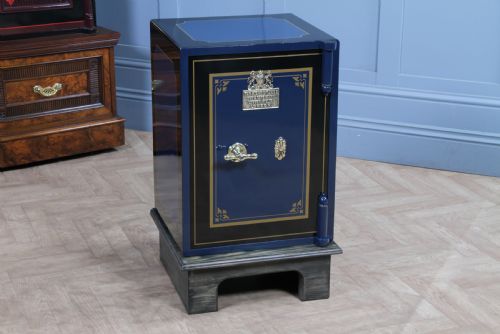
Buyers also encounter related forms such as mule chests, campaign trunks, and strong boxes from the Georgian and Victorian eras. These items share the primary function of secure storage while displaying distinctive regional or military characteristics.
How they were made
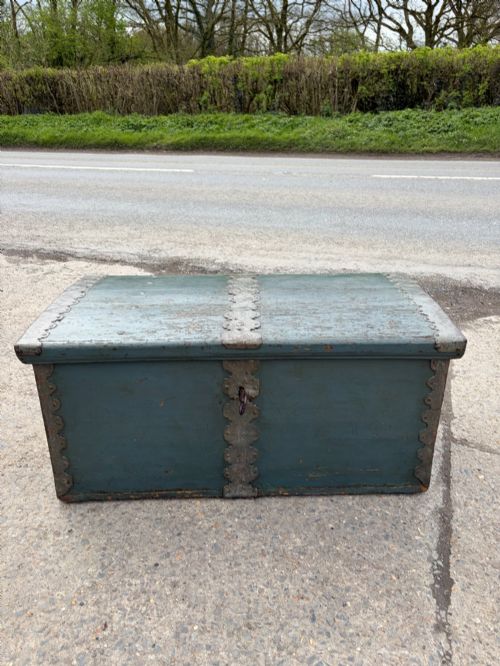
Makers constructed these storage boxes predominantly from solid pine and oak, relying on plank and panel assembly to form sturdy carcass structures. Blacksmiths provided essential reinforcement through wrought iron, cast iron, brass, and steel hinges, straps, and locks.
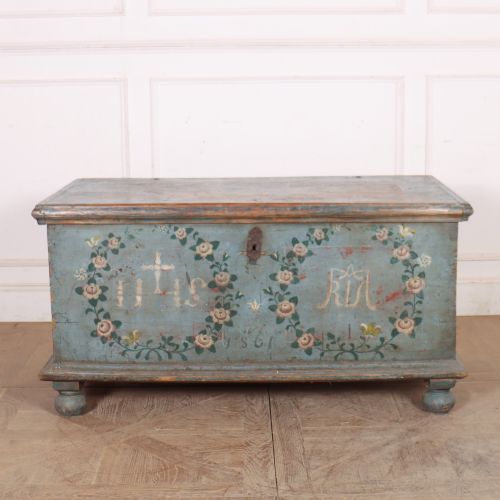
Surface decoration involved hand-applied paint, creating distinctive teal, blue, and polychrome finishes characteristic of Scandinavian country and folk art pieces. Dome-top lids and flat-topped cases were shaped using traditional hand woodworking techniques before receiving their protective and decorative coats of paint.
Listings feature eighteenth and nineteenth-century pine, oak, and iron storage pieces reflecting Scandinavian folk art and Victorian industrial styles.
What varies in quality
The distinction between ordinary utility boxes and superior examples rests largely in the survival of original painted surfaces and decorative folk art motifs. Pieces retaining their early hand-painted finishes command greater appreciation than those stripped or repainted over time.
Structural integrity and the retention of original hardware, such as wrought iron hinges, brass fittings, and working iron locks, set finer regional chests apart from lesser examples. The crispness of the carpentry and the balanced proportions of dome-top lids further distinguish master regional work from basic joinery.
Tanns Defiance London
The Antique Blue Coffer Chest Glossary
- Coffer
- A heavy wooden chest traditionally used for storing valuables, documents, or clothes. These boxes often feature hinged lids and robust iron reinforcement.
- Mule chest
- A traditional storage chest featuring one or more drawers beneath the main compartment. This form bridges the design gap between a simple coffer and a chest of drawers.
- Cassone
- A large Italian marriage chest used historically to hold a bride's trousseau. These pieces frequently showcase elaborate painted or carved decoration.
- Strong box
- A heavily reinforced metal or iron-bound storage container designed for secure transport and protection of money or documents. They often feature complex internal locking mechanisms.
- Dome top
- A rounded lid profile commonly found on nineteenth-century Scandinavian coffers and trunks. This shape helped shed moisture and provided additional internal headroom.
Antique Blue Coffer Chest: Frequently Asked Questions
What are antique coffer chests?
Antique coffer chests are large, robust wooden storage boxes designed to hold blankets, personal belongings, or valuables. They date across the eighteenth, nineteenth, and early twentieth centuries from various European regions.
Many examples feature hinged lids, painted folk art decoration, and iron hardware. They served practical household purposes before becoming decorative antique furnishings.
How were these chests used historically?
Historically, households utilised these heavy wooden boxes for storing textiles, winter blankets, and household goods. Marriage chests were commissioned to hold a bride's personal possessions and linens.
Travellers and military officers also used specialised campaign trunks for transporting gear during transit. Strong boxes functioned primarily to secure money and important documents.
How do I date a painted chest?
Dating a painted chest involves examining the construction materials, joinery methods, and the chemistry or wear of the paint layer. Nineteenth-century Swedish pieces often exhibit hand-mixed pigments on pine structures.
Ironwork style and lock mechanisms also provide chronological clues. Georgian and Victorian examples display distinct regional carpentry traits characteristic of their respective periods.
Where do painted marriage chests originate?
Painted marriage chests frequently originate from Scandinavian rural communities, particularly Sweden and the wider Alpine region. Local folk artists decorated these pine and oak boxes for weddings and celebrations.
Other notable origins include Italy, where large cassoni served similar ceremonial and domestic functions. Each region developed distinct colour palettes and ornamentation.