
Antique Blue China Plate
These pieces of antique blue china plate offer enduring service and deep colour, bringing centuries of ceramic history straight to the table.
Antique Blue China Plate
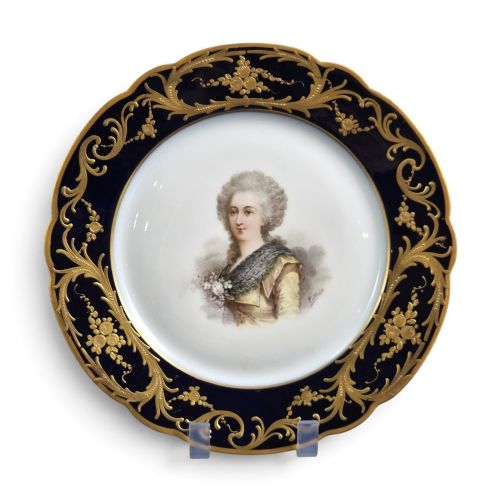
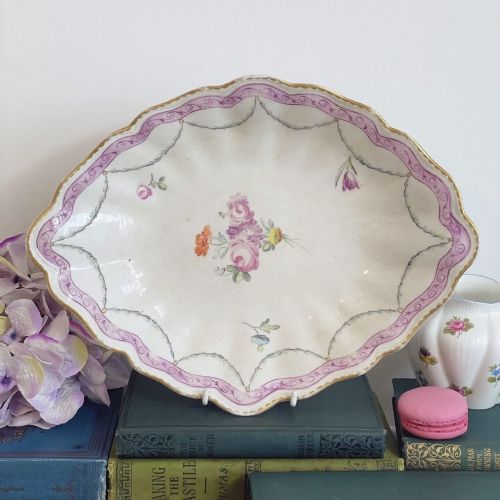
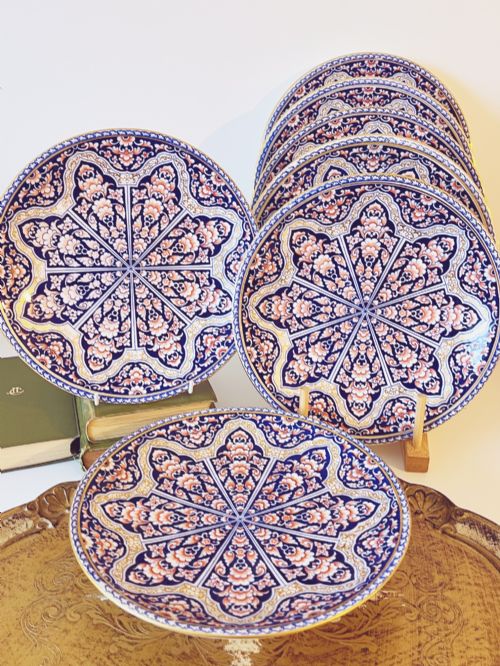
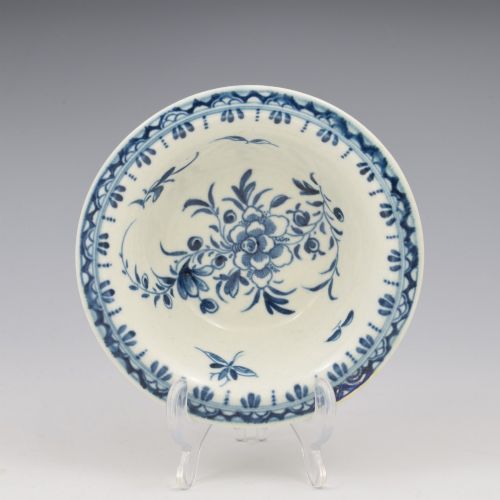
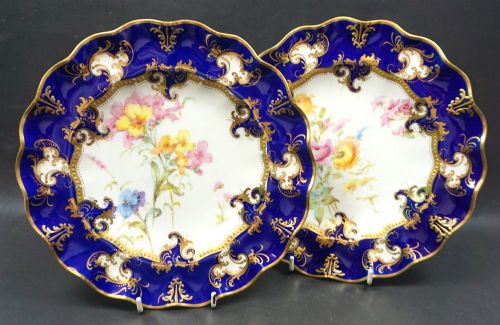
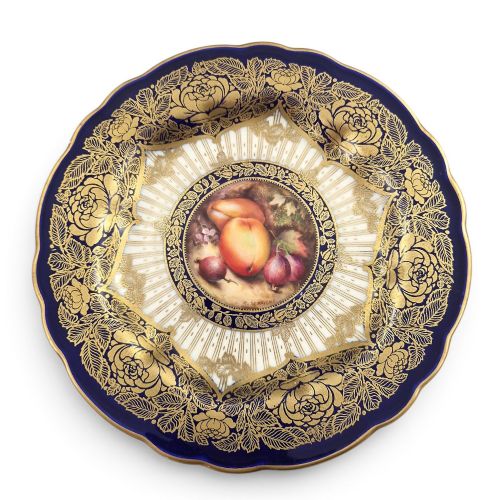
When you search for an antique blue china plate, you encounter a range of functional and decorative ceramics spanning the eighteenth, nineteenth and twentieth centuries. The selection includes cabinet plates, dessert services, serving platters and transfer-printed earthenware designed for both display and everyday dining.
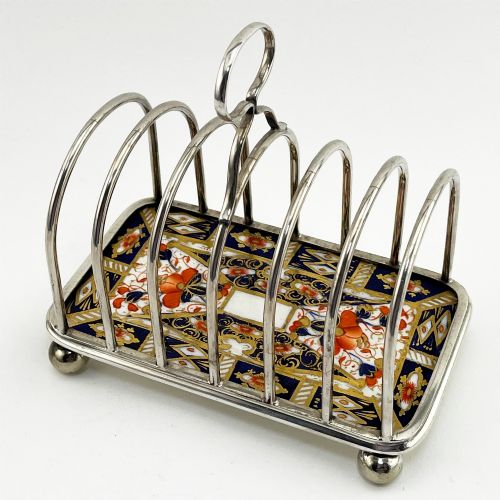
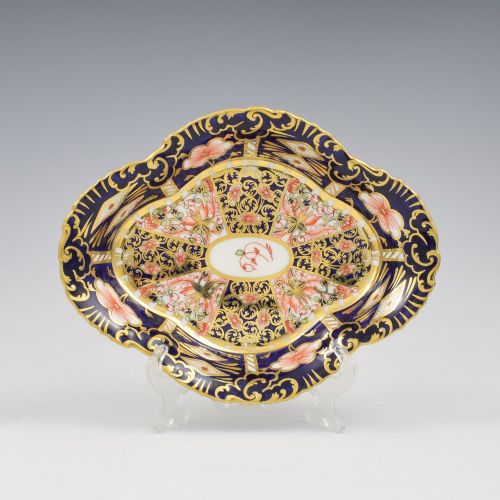
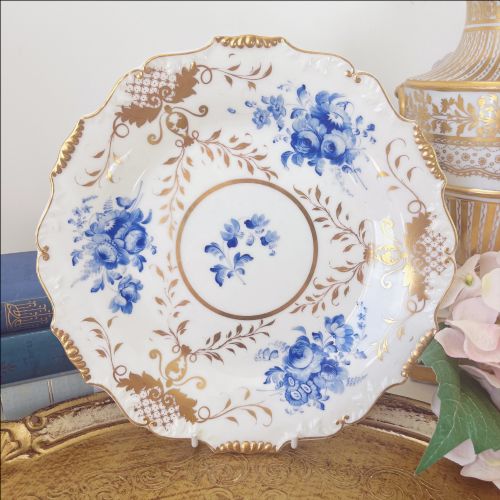
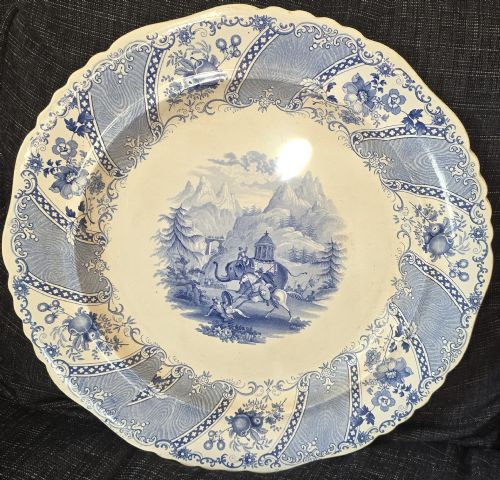
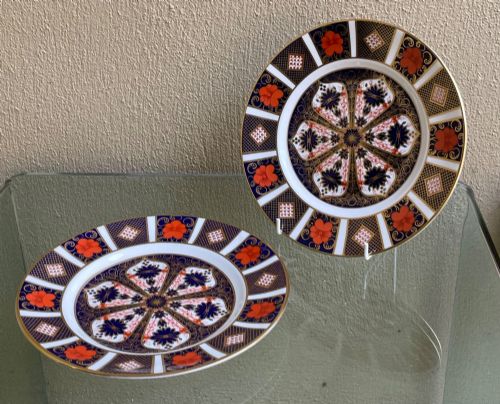
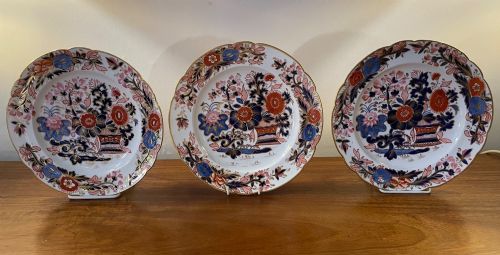
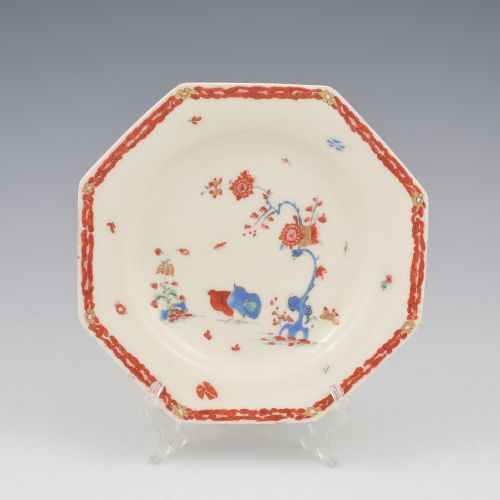
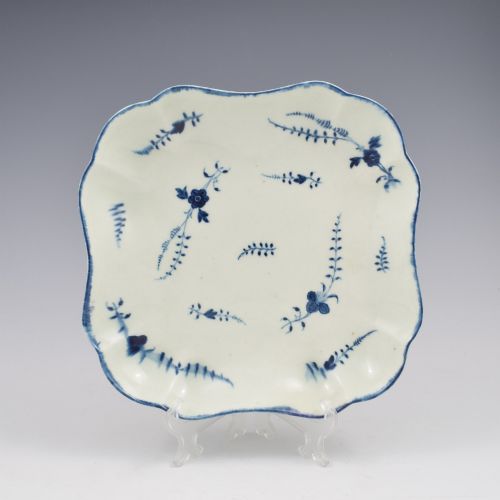
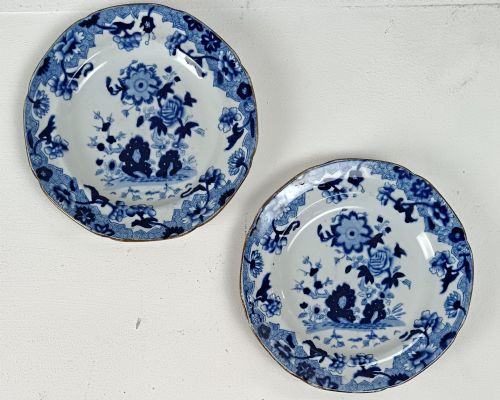
The version you are most likely to meet on this page is an English earthenware or porcelain dish, often bearing blue and white transfer prints, Japanese Imari palettes or cobalt details. These pieces derive from traditional factories and regional potteries active during the Georgian and Victorian eras.
How they were made
Makers shaped these items from porcelain, bone china, earthenware and ironstone, applying glazes to seal the ceramic body before firing. Many vessels received handpainted cobalt designs or detailed transfer prints applied directly onto the clay body.
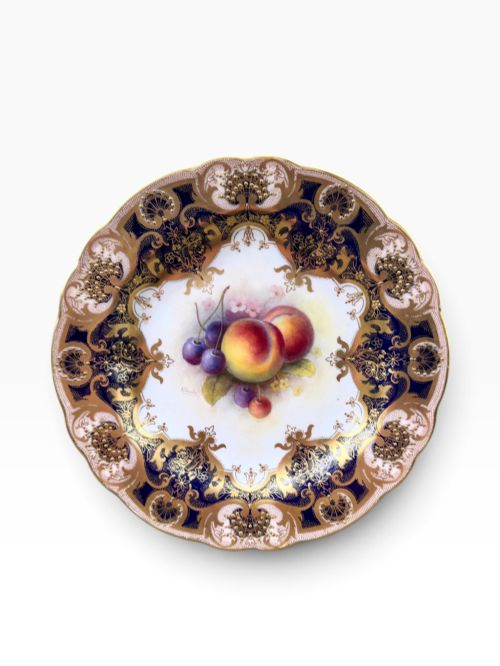
Finishing touches often included gilding with gold leaf, enamel highlights and intricate border patterns. Firing techniques evolved across the periods, shifting from early coal-fired kilns to more controlled industrial production.
The listings span earthenware, porcelain and bone china across the 18th, 19th and 20th centuries.
What varies in quality
The standard of a piece rests upon the crispness of the transfer print, the precision of the handpainted brushwork and the clarity of the underlying glaze. Superior examples display balanced proportions, clean foot rims and minimal firing distortions in the ceramic paste.
Artist signatures, factory marks and armorial crests elevate specific items, particularly where hand-applied polychrome enamels and gilding remain intact and vibrant. Pieces produced by recognised porcelain works demonstrate finer paste composition and more deliberate detailing.
Royal Crown Derby·Royal Worcester·Spode·John Davenport·Chamberlain's Worcester
The Antique Blue China Plate Glossary
- Transfer printing
- A method of applying engraved decorative patterns to ceramics using paper or tissue pulled from a copperplate. This technique allowed factories to produce intricate blue and white scenes consistently across large services.
- Imari
- A decorative style inspired by Japanese export wares, typically featuring a distinctive palette of underglaze blue combined with iron red and gilt highlights. English potteries frequently adopted this scheme during the Georgian and Victorian periods.
- Bone china
- A type of soft-paste porcelain incorporating animal bone ash, which yields a strong, translucent ceramic body. It became a staple material for fine cabinet plates and dessert services.
- Ironstone
- A heavy, durable type of earthenware patented in the nineteenth century to imitate porcelain. It resists chipping and provided a sturdy base for printed and painted table services.
- Comport
- A raised dish or pedestal bowl used for serving fruit or sweets as part of a formal dessert service. These pieces frequently match the plates and platters within a larger set.
Antique Blue China Plate: Frequently Asked Questions
How were these plates used?
These dishes served multiple purposes ranging from formal dining and dessert courses to decorative display in cabinets. Serving platters and meat dishes held food at the table, whilst cabinet plates were often reserved for visual appreciation.
Smaller plates functioned as tea plates or tart pans within larger matched services. Their deployment depended entirely on the scale of the service and the dining customs of the period.
How do I care for antique plates?
Wash these ceramics gently by hand in warm water using mild soap, avoiding modern dishwashers and harsh abrasive sponges. Sudden temperature changes can cause old glaze to craze, so avoid soaking them for extended periods.
Store them securely with felt or cloth dividers if stacking to protect the delicate painted rims and gilded edges from scratching.
How do I identify the period?
Look beneath the base for factory marks, impressed stamps, painted pattern numbers and registration ciphers that reveal the date of manufacture. Different periods favoured distinct paste compositions, weight and decorative palettes.
Transfer-printed blue and white patterns often reflect prevailing design trends, shifting from classical landscapes to ornate Victorian motifs as the decades progressed.
What is an Imari pattern?
An Imari pattern copies the aesthetic of Japanese export porcelain characterised by a strong underglaze blue combined with rust red and gold leaf. English factories adopted this colourful style extensively during the Georgian and Victorian eras.
These designs often feature floral motifs, panels and birds rendered in a rich, contrasting palette.