

Antique Blue Bowl
An antique blue bowl brings centuries of cobalt pigment and fired clay into domestic spaces, prized for rich colour and enduring form.
Antique Blue Bowl
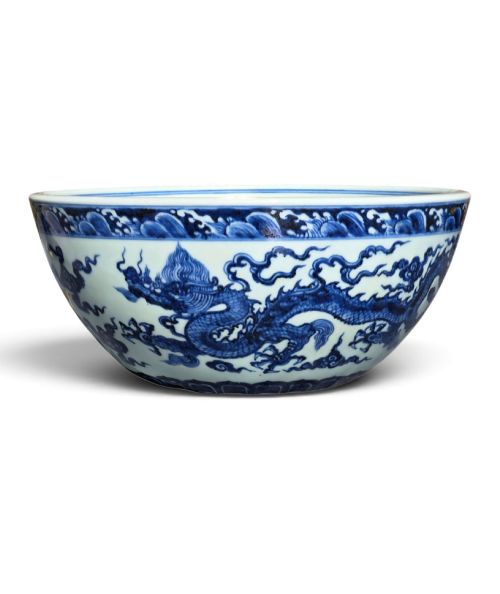
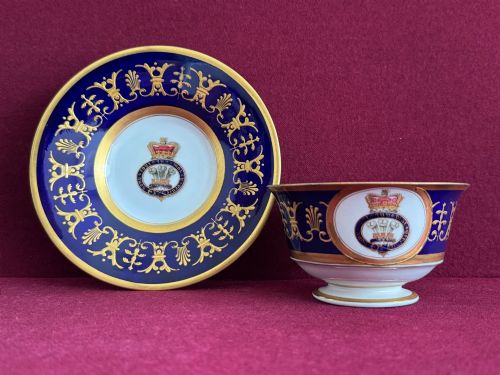
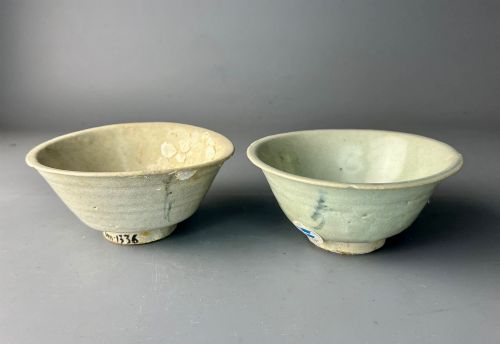
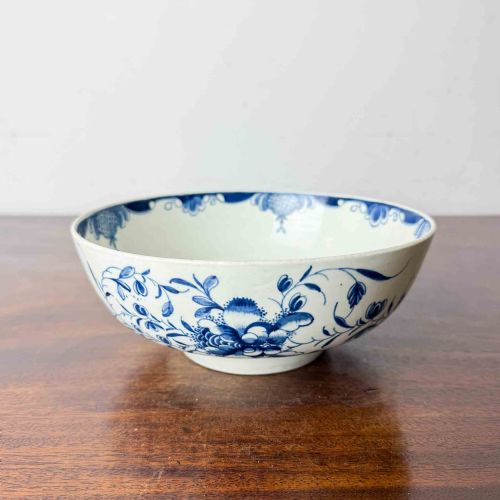
When you search for an antique blue bowl, you encounter pieces spanning domestic earthenware, porcelain, and ironstone produced across British and East Asian kilns. The selection here ranges from small tea wares and sugar basins to large wash basins and punch bowls.
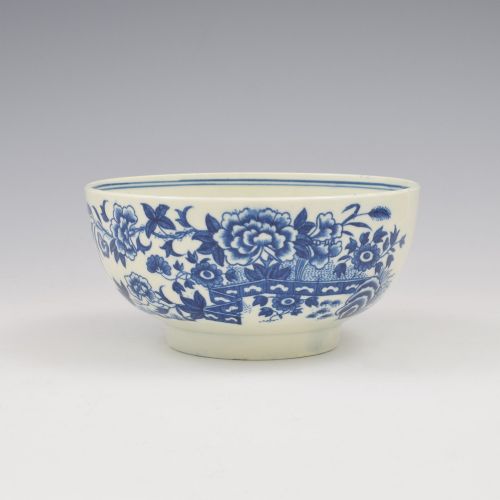
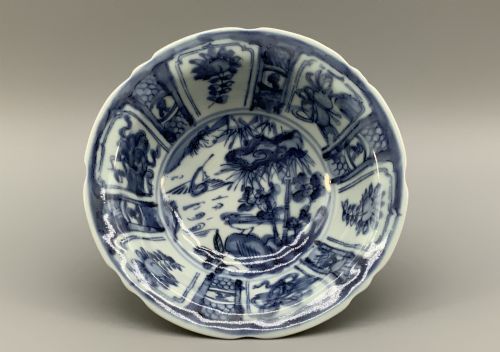
You are most likely to meet Chinese export porcelain from the Kangxi period, alongside 18th-century English porcelain from Worcester and Derby, and 19th-century ironstone or transfer-printed earthenware.
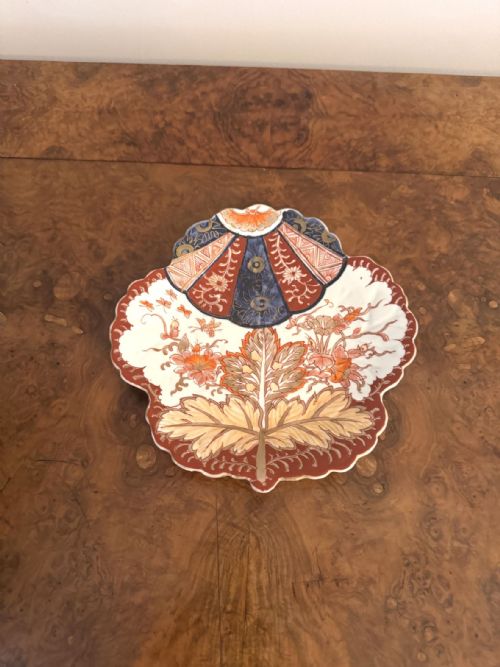
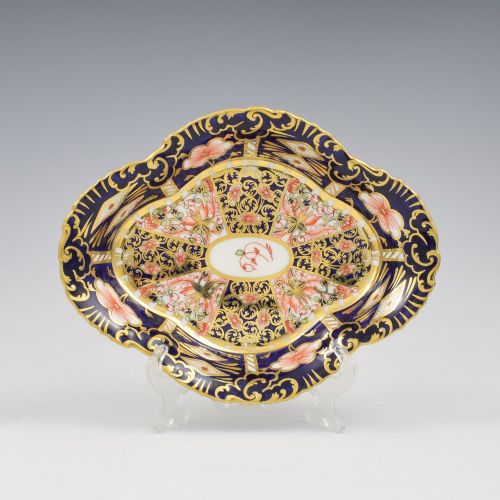
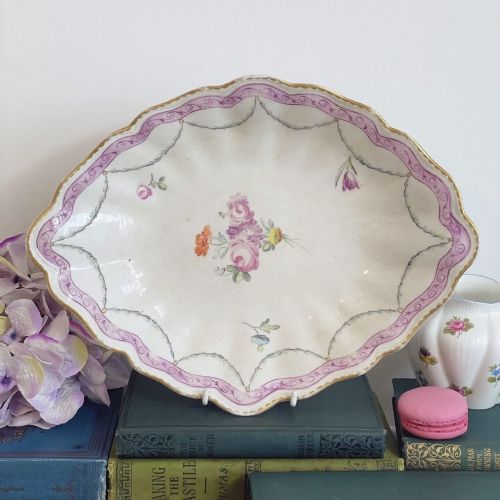
Forms vary from scalloped edge dishes and lobed vessels to deep punch bowls and large jardinieres, reflecting both utilitarian domestic tasks and decorative display.
Materials and production methods
Makers utilised cobalt glaze to achieve deep blue pigments under high-temperature firing, often applying it beneath a clear glaze on porcelain body pastes or heavy earthenware.
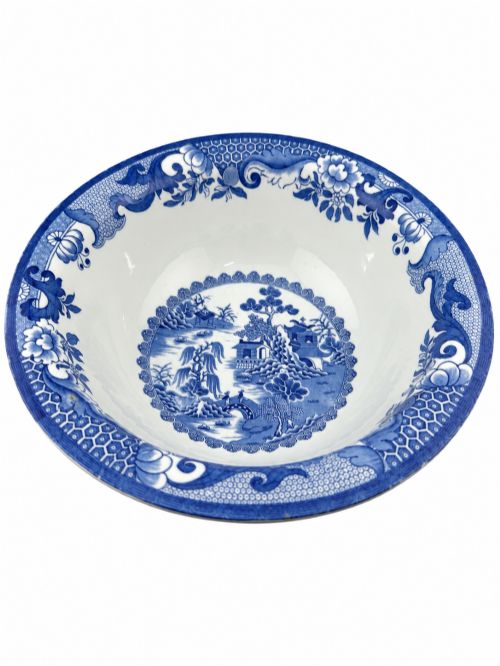
Transfer printing and hand-painting techniques appear across the pieces, allowing for both intricate Chinoiserie scenes and fluid flow blue patterns on ironstone and pottery.
Listings feature porcelain, ironstone, and earthenware spanning the 17th century through the Art Deco era.
Distinctions in quality
Quality rests upon the crispness of the cobalt decoration, the purity of the porcelain or ironstone body, and the precision of the hand-painted or transfer-printed brushwork.
Earlier pieces from periods such as the 18th century show finer potting and more deliberate pigment control than later mass-produced wares, marking the divide between utilitarian items and cabinet pieces.
Dr Wall Worcester·Mason’s Ironstone·Royal Crown Derby·Barr and Barr·Minton·Spode·Rene Lalique
The Antique Blue Bowl Glossary
- Cobalt Glaze
- A metallic oxide pigment applied to ceramics before firing to produce a durable blue decoration that withstands high temperatures.
- Ironstone
- A heavy, durable type of earthenware patented in the 19th century as a robust alternative to porcelain.
- Chinoiserie
- European decorative designs inspired by Chinese artistic traditions, frequently rendered in blue and white on ceramics.
- Flow Blue
- A Staffordshire pottery technique where cobalt pigment intentionally blurred during the kiln firing to create a hazy, atmospheric effect.
Antique Blue Bowl: Frequently Asked Questions
How do I care for an antique blue bowl?
Wash ceramic and porcelain vessels gently by hand using warm water and mild soap, avoiding abrasive sponges that might scratch the glaze.
Keep pieces away from sudden temperature shifts and do not place them in modern dishwashers.
Were these bowls used daily?
Many items, such as punch bowls, wash basins, and sugar basins, served practical functions in households for dining, hygiene, or food preparation.
Others were created primarily for decorative display within period interiors.
How do I distinguish 18th-century porcelain?
Examine the weight, foot ring, and underglaze blue painting under good light to assess the fineness of the body paste.
Earlier pieces often display minor firing imperfections and hand-brushed cobalt tones distinct from later transfer-printed wares.
What is flow blue pottery?
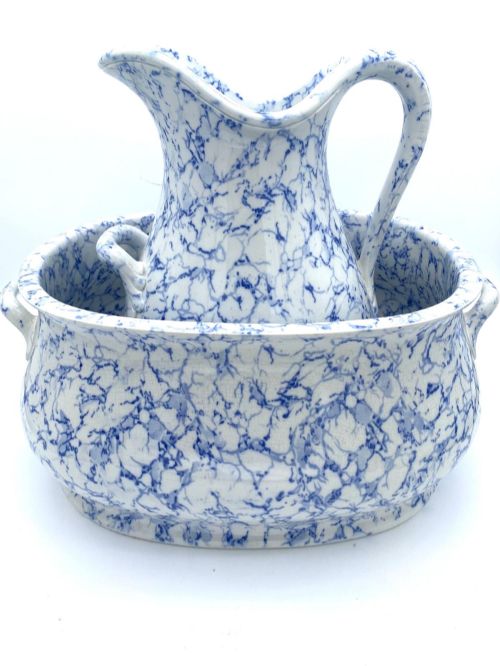
Flow blue refers to 19th-century earthenware where the cobalt colour bled into the white glaze during firing, producing a soft, diffused pattern.
This technique was particularly popular on large basins and jugs.