

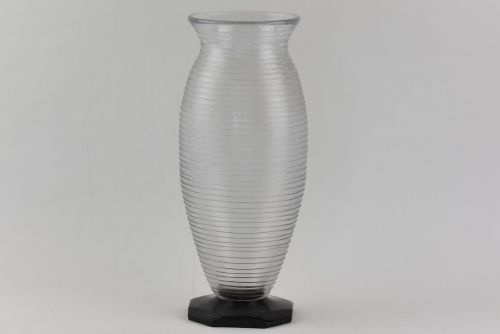


Antique Blown Glass Vessel
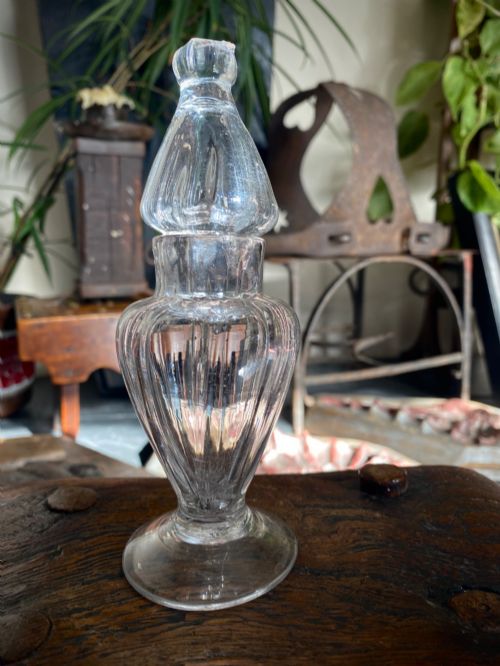
An antique blown glass vessel brings tactile weight and historic light to a room, ranging from utilitarian pharmacy carboys to delicate Georgian dram glasses.
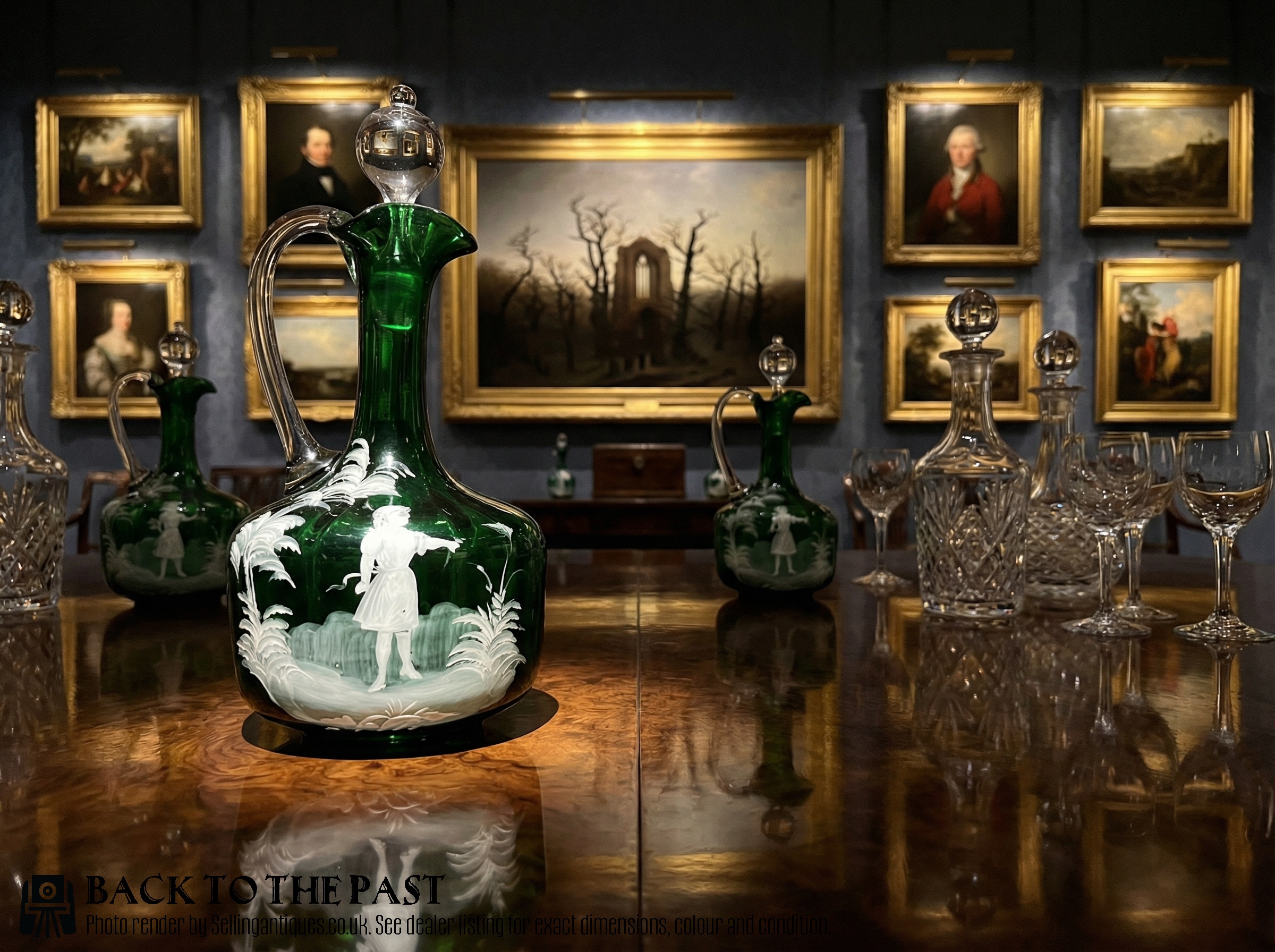
Antique Blown Glass Vessel
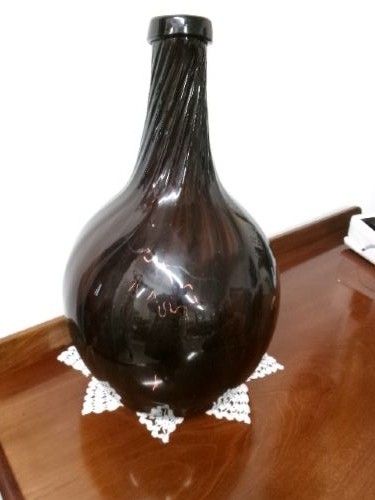
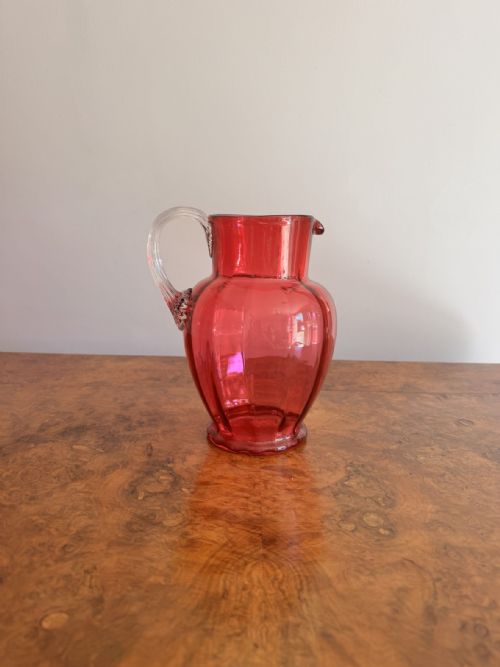
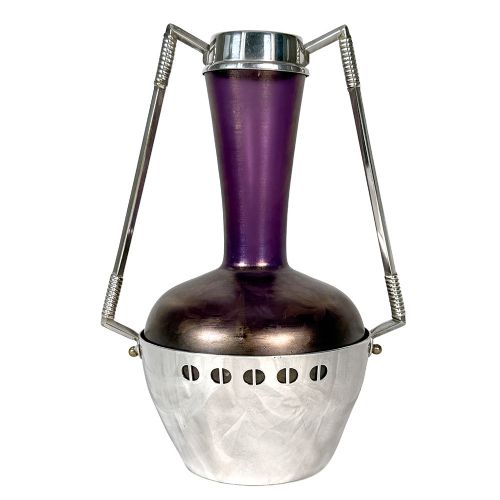
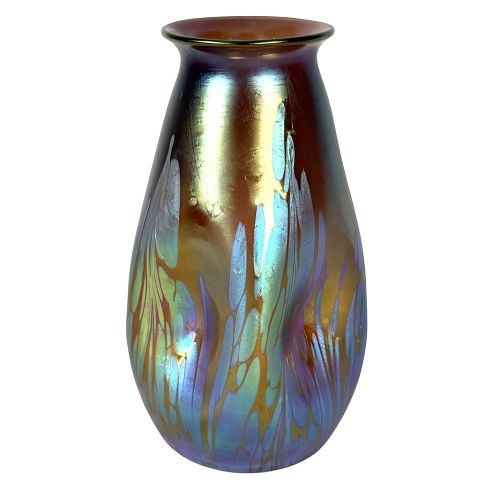
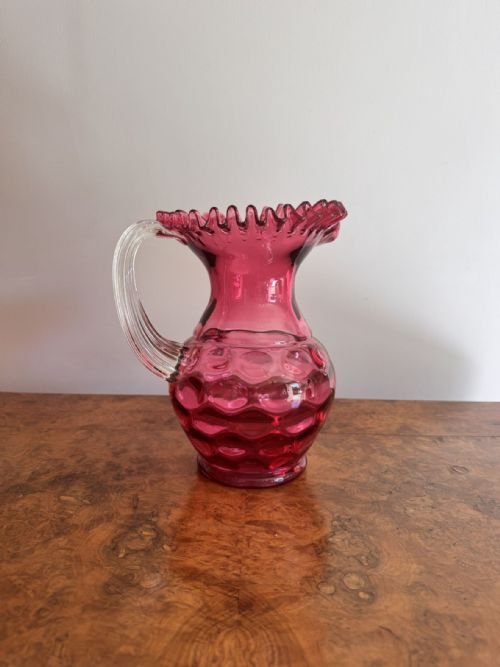
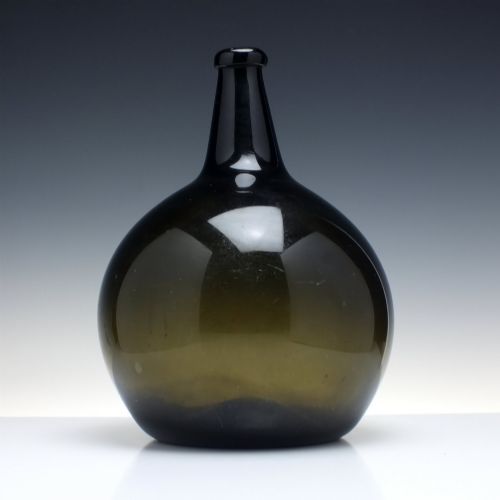
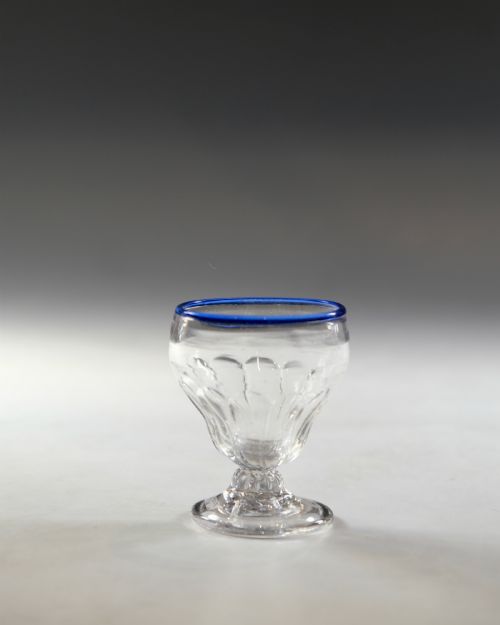
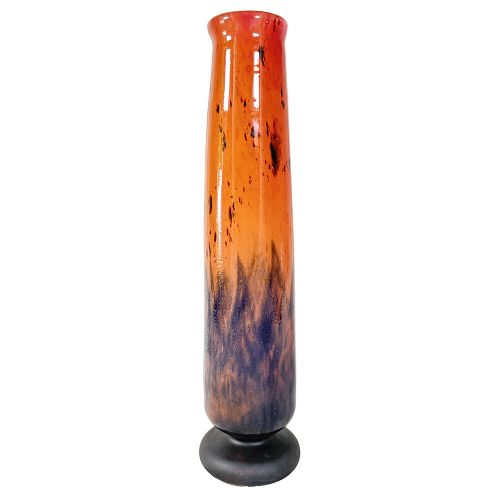
An antique blown glass vessel encompasses a diverse group of domestic, decorative, and utilitarian objects formed by mouth-blowing and free-forming molten metal. Collectors searching this phrase encounter everything from robust 18th-century wine bottles and massive French carboys to refined Victorian cranberry glassware and Art Deco vases.
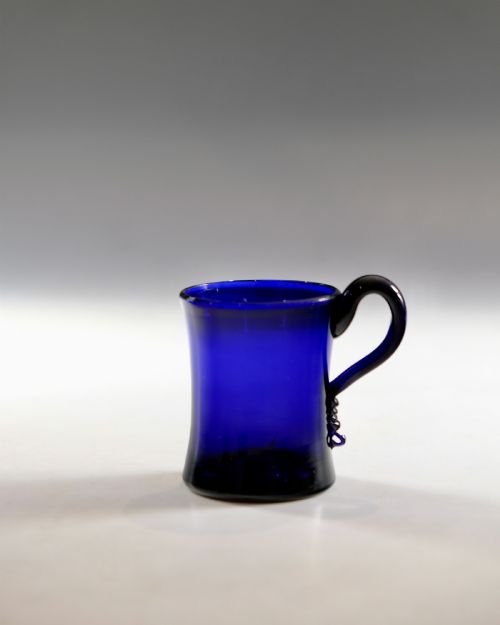
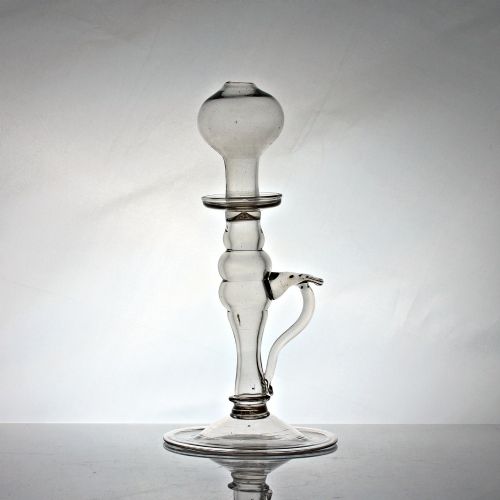
The material takes many forms across the inventory, including clear lead glass, opaque black glass, cobalt blue, turquoise, amber, and vibrant green hues. Functional vessels such as apothecary jars, decanters, tavern rummers, and oil lamps sit alongside ornamental pieces decorated with enamel, latticinio bands, or aventurine inclusions.
Georgian and Victorian examples dominate the earlier periods, while pieces from the 1920s introduce stylistic influences from Art Deco, Arts and Crafts, and European glasshouses. Forms span small cordial glasses and jelly jars to large floor-standing vessels and handled ewers.
Materials and production methods
Makers utilised free-blowing, mould-blowing, and optical blowing techniques to shape molten glass into heavy storage jars, delicate drinking vessels, and decorative vases. Workers gathered metal on a blowpipe and manipulated it with hand tools, adding applied handles, folded feet, and complex air-teared stems while the material remained pliable.
Specialised decorative treatments required precise chemical additions and surface applications. Artisans achieved distinctive appearances using lead glass formulations, flashing techniques, hand-painted enamel scenes, and multi-layered cameo carving.
Antique Blown Glass Vessel Retail Price Guide 2026
Typical asking prices for blown glass vessel among the pieces listed under this phrase on Sellingantiques today, from the lower quarter to the upper quarter. They describe what is for sale here now, not the wider market.
Some glass decanters take the literal form of a dog, proving that historical artisans enjoyed a sense of humour.
Distinctions in quality and execution
The standard of a blown vessel depends on the purity of the metal, the balance of the proportions, and the skill demonstrated in handling the hot glass. Superior pieces display even wall thickness, clean pontil marks, and confident tool work on applied elements like handles and feet.
Artistic ambition and decorative execution separate standard utilitarian ware from exceptional studio and factory output. Finely detailed hand-painted enamelling, crisp cameo cutting, and deliberate optical effects elevate the visual depth of the finished object.
Daum·Stevens and Williams·Pauly and Co.·James Powell·Galle
The Antique Blown Glass Vessel Glossary
- Pontil mark
- The rough scar left on the base of a blown glass vessel where the punty rod was detached after shaping. This mark indicates traditional hand-blown manufacture.
- Lead glass
- A heavy, brilliant glass containing lead oxide that increases refractive index and workability. It was widely used for Georgian decanters and drinking vessels.
- Carboy
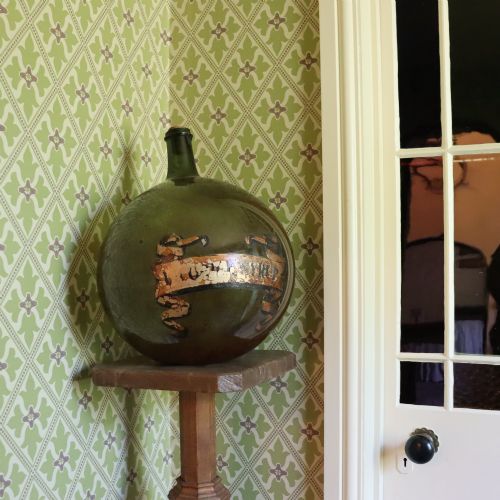
- A large, bulbous glass bottle traditionally used for storing liquids or chemicals. Large pharmaceutical examples often feature thick, bubbled walls.
- Latticinio
- A decorative technique utilising fine opaque white or coloured glass threads embedded within clear glass. It creates delicate network patterns across the vessel.
- Cranberry glass
- Transparent pink-red glass produced by adding gold chloride to the molten batch. It became popular during the Victorian period for tableware and vases.
Antique Blown Glass Vessel: Frequently Asked Questions
What is the difference between a carboy and a decanter?
A carboy is a large, heavy-duty storage vessel designed for holding liquids, chemicals, or wine in bulk. They frequently feature rounded bodies and short necks intended for secure sealing.
A decanter is a smaller, refined serving vessel meant for the table, usually accompanied by a matching stopper. Decanters emphasise decorative form and clarity of metal.
Were apothecary jars used in homes?
Large apothecary carboys and jars originated in chemist shops and dispensaries to store liquid medicines, herbs, and ingredients. Their distinctive size and heavy walls protected contents from light and contamination.
Today, these vessels find a second life in domestic interiors as decorative floor items or large flower vases. Their utilitarian history gives them a robust, industrial character.
What makes Venetian glass vessels distinct?
Venetian glassmakers excelled in complex decorative techniques like latticinio striping, aventurine inclusions, and vibrant colour integration. Workshops on Murano produced avant-garde forms that pushed the technical limits of hot glass manipulation.
These pieces combine technical virtuosity with refined Italian design sensibilities. They represent a distinct tradition separate from standard English or Bohemian tableware.