





Antique Blanc De Chine
Antique blanc de chine pieces are white-glazed ceramic figures and vessels offering a pure monochrome surface that collectors prize.
Antique Blanc De Chine
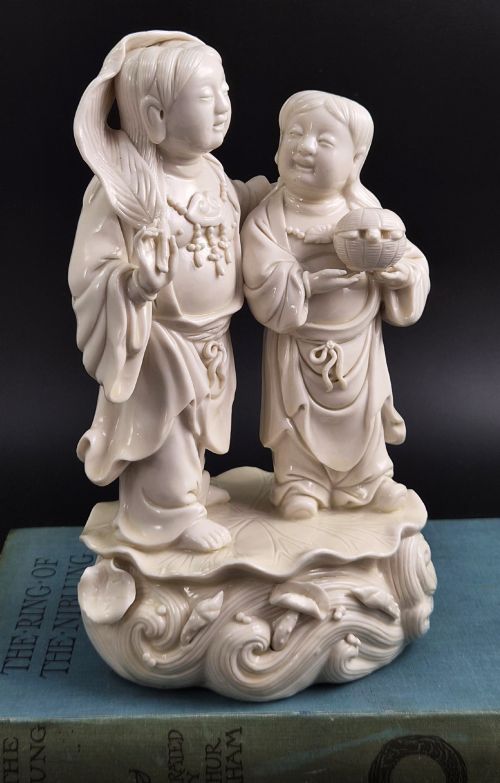
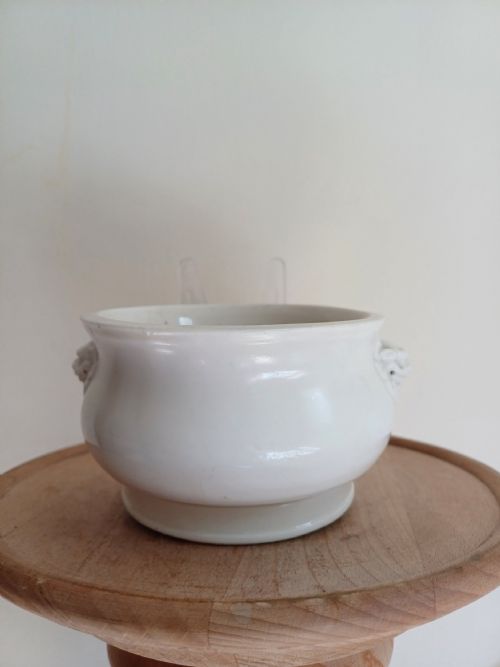
When you search for antique blanc de chine, you encounter a specialised range of white-glazed ceramics spanning figurines, censers, and candlesticks. These items originate primarily from Chinese kilns in Dehua, alongside later European interpretations from factories such as Derby, Meissen, Minton, KPM, and Sitzendorf.
The form varies from traditional Chinese deities like Guanyin and Hehe Erxian to European figures, animal models, and tripod censers. Many pieces incorporate subtle moulded details such as bamboo or floral motifs beneath the pale glaze.
Dating ranges from the seventeenth century through the Qing Dynasty and into the early twentieth century, including Edwardian and Art Deco examples. The diversity of origins means you find both traditional export wares and nineteenth-century European revival pieces on this page.
How they were made
The foundational material is porcelain or hard-paste porcelain, shaped either by throwing on a wheel or by pressing into moulds. Chinese Dehua kilns used a specific body that fused closely with the lime-alkali glaze during high-temperature firing, creating a unified creamy-white appearance.
European makers adapted this white-glazed technique using their own hard-paste porcelain recipes, sometimes pairing the ceramic body with brass mounts, fabric shades, or painted highlights such as cobalt blue glaze and gilding. Artisans applied carved hardwood bases to certain figures to complete the display.
Antique Blanc De Chine Retail Price Guide 2026
Typical asking prices for blanc de chine among the pieces listed under this phrase on Sellingantiques today, from the lower quarter to the upper quarter. They describe what is for sale here now, not the wider market.
Even fierce guardian lion dogs look remarkably gentle when rendered in smooth, creamy white porcelain.
What varies in quality
Quality in antique blanc de chine rests upon the crispness of the modelling and the purity of the glaze. Superior examples display sharp facial expressions and clean relief work without blurring across the moulded details.
The tactile quality of the glaze sets finer pieces apart, showing an even, milk-white or ivory tone that pools softly in the recesses of the sculpture. The prestige of the workshop, whether a historic Chinese Dehua kiln or a documented European porcelain factory, also governs the standing of the piece.
Paul Scheurich·Minton·Sitzendorf
The Antique Blanc De Chine Glossary
- Blanc de chine
- Literally translated from French as white of China, this term describes white-glazed porcelain originating from Dehua in Fujian province, as well as European wares inspired by it.
- Censer
- A vessel used for burning incense. Tripod examples feature three feet and often draw inspiration from ancient bronzes.
- Dehua
- The Chinese town in Fujian province renowned since the Ming dynasty for producing fine white porcelain with a distinctive glaze.
- Hard-paste porcelain
- A dense, vitrified ceramic composed of kaolin and petuntse fired at very high temperatures. It resists scratching and yields a ringing tone when struck.
- Foo dog
- A traditional guardian lion sculpture common in Chinese art. They often appear in pairs guarding entrances or supporting lamps.
Antique Blanc De Chine: Frequently Asked Questions
How do I clean antique blanc de chine?
Use a soft, dry brush to remove dust from the crevices of figures and censers. Avoid soaking pieces that incorporate wooden bases or added fabric components.
For stubborn marks on the glazed porcelain surface, apply a damp cloth with mild soap, then dry thoroughly with a lint-free cloth.
Are these pieces purely decorative?
Most antique blanc de chine items served functional or ritual roles originally, such as censers for burning incense or candlesticks for illumination. Figuring prominently in domestic shrines and studies, they also held symbolic value.
Today, collectors primarily display them as decorative objects, though items converted into table lamps integrate functional lighting with historic ceramic forms.
How do I distinguish Chinese from European blanc de chine?
Examine the paste and the potting style closely. Seventeenth and eighteenth-century Chinese Dehua pieces typically show a warm, ivory-toned body that merges seamlessly with a translucent glaze.
European factories like Derby, Minton, and Sitzendorf often produce a crisper, whiter hard-paste porcelain with more pronounced nineteenth-century revival or Art Deco styling.
Where should I place a blanc de chine figure?
Position your piece in a well-lit space where natural light highlights the subtle contours of the white glaze. Avoid placing delicate figures in areas prone to heavy foot traffic or vibrations.
Pairing a Chinese Guanyin or a pair of censers on a stable surface allows the monochrome sculpture to stand out against darker backgrounds.