



Antique Black Vases
These antique black vases bring deep enamel, lacquer, and patinated bronze to a room, offering a distinct dark ground for intricate gilt or painted detail.
Antique Black Vases
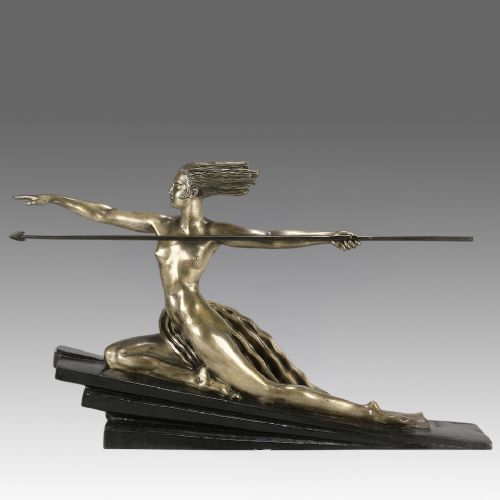
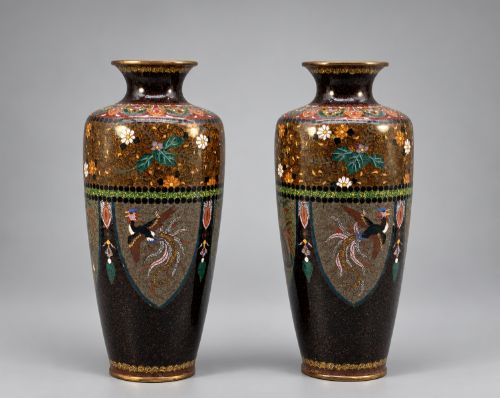
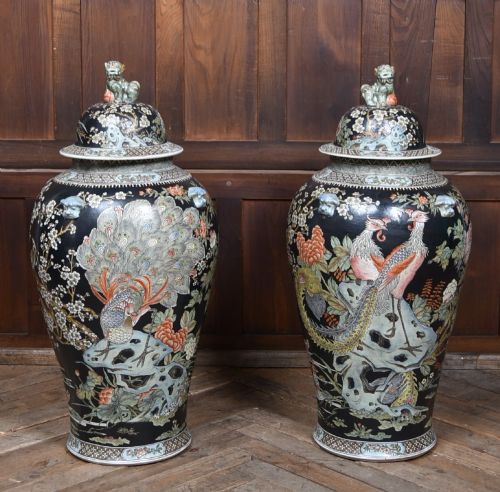
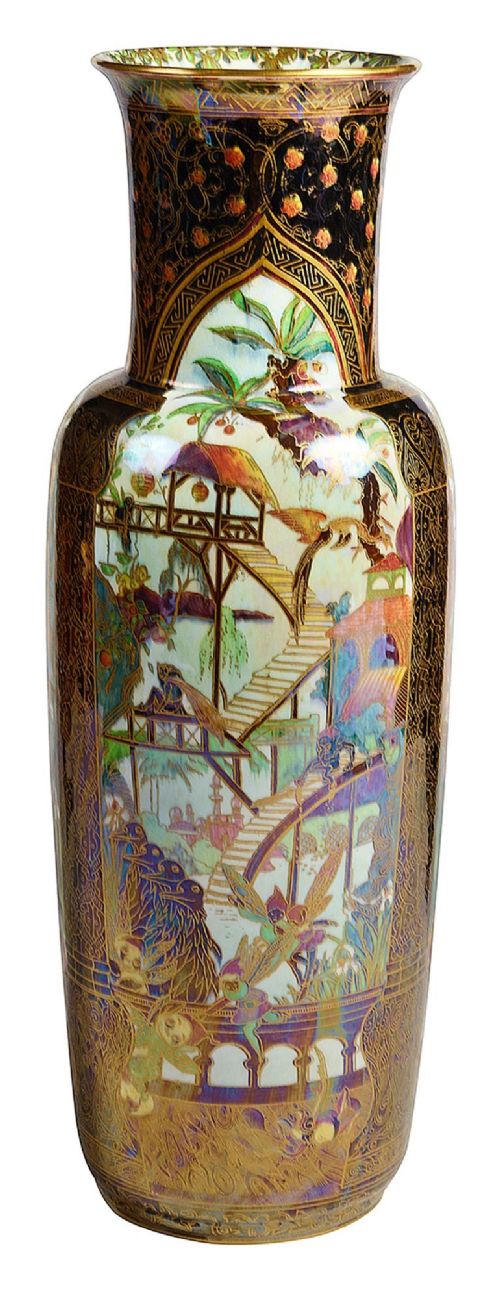
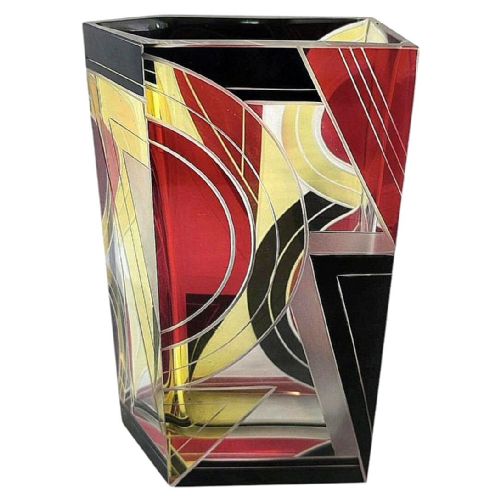
When searching for antique black vases, a buyer looks at pieces shaped by centuries of distinct ceramic, metalwork, and lacquer traditions. The pieces appearing here span the seventeenth to the twentieth centuries, crossing Japanese Satsuma and Cloisonné, Chinese Qing export work, French bronze, and Art Deco glass.
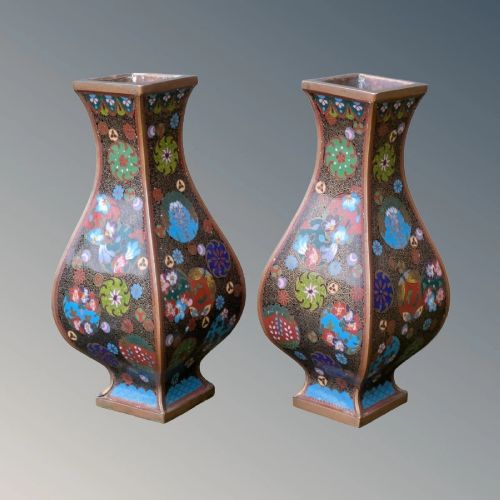
The most frequent version of antique black vases met on this page uses Japanese porcelain finished with lacquer over black paint, often featuring koi or botanical scenes. Alongside these, buyers encounter Chinese enamel and cloisonné pieces, alongside nineteenth-century European bronze and cast iron urns.
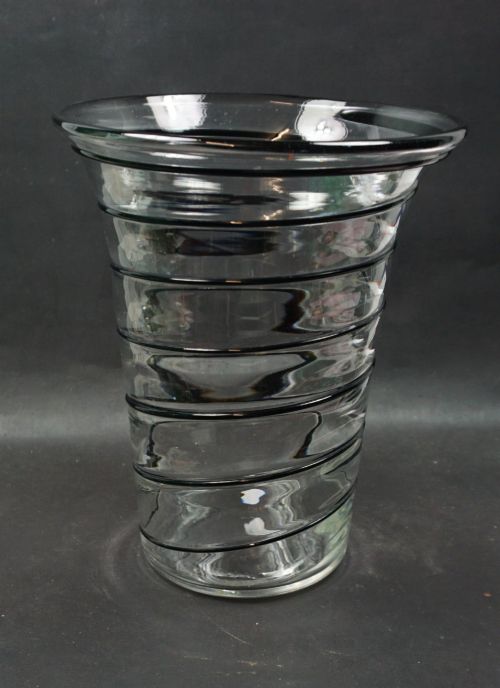
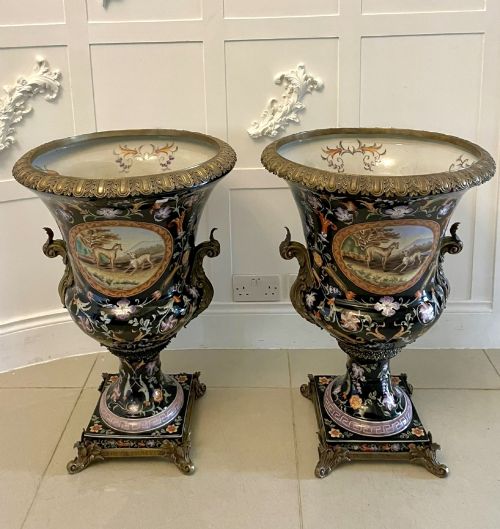
Forms range from miniature cloisonné vessels to monumental temple vases and flared porcelain shapes. Each item serves as a decorative focal point, drawing the eye through dark surfaces contrasted with gold, silver wire, or polychrome enamel.
How they were made
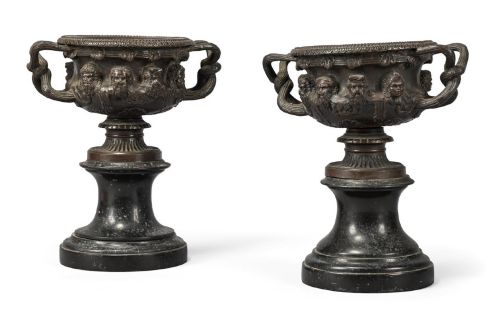
Makers built these pieces using varied foundational materials, applying lacquer over black paint on Japanese porcelain, or shaping cloisonné enamel with fine wire partitions. Bronze and cast iron urns relied on traditional casting methods, often finished with patination, or mounted on marble bases with orrmolu.
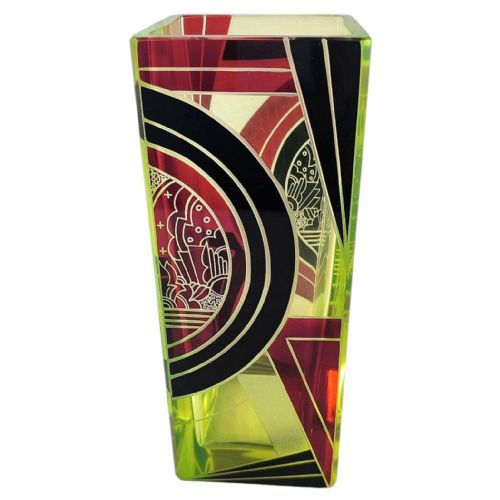
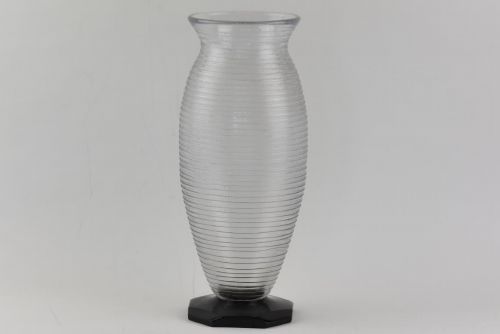
Art Deco examples utilise geometric enamel decoration on tall glass, while others combine hand-painted pottery with metallic leaf. Skilled hands executed detailed hand-painting, etching, and silver wire inlay to achieve lasting contrast against the dark background.
Antique Black Vases Retail Price Guide 2026
Typical asking prices for black vases among the pieces listed under this phrase on Sellingantiques today, from the lower quarter to the upper quarter. They describe what is for sale here now, not the wider market.
Several pieces feature startled koi fish swimming bravely across dark lacquer seas.
What varies in quality
Quality rests in the precision of the surface execution, from the evenness of the lacquer over black paint to the crispness of cloisonné wirework. Superior pieces display meticulous hand-painted detail in the birds, flowers, or figures, showing careful alignment and proportion.
The choice of supporting materials, such as solid bronze mounts, genuine marble bases, and substantial glass weight, separates standard vessels from finer works. Condition of the delicate enamel, gilding, and lacquer layers further dictates the standing of each piece.
Daisy Makeig Jones·Karl Palda·Selim Bright·Ando Jubei·Bernhard Bloch
The Antique Black Vases Glossary
- Cloisonné
- Enamelwork in which thin metal wire creates compartments on a metal base before firing. This technique produces distinct raised borders around coloured designs.
- Satsuma
- Japanese earthenware decorated with delicate polychrome enamels and rich gilding. These pieces typically feature crackle-glazed surfaces.
- Urn
- A rounded vessel on a stem or plinth, traditionally used for ornamental display rather than holding cut stems. Grand tour examples often mimic classical antiquity.
- Lacquer
- A durable resin finish applied in multiple layers over wood or paint. It provides a deep, polished dark ground for decorative panels.
- Patination
- The natural or induced surface change on metal over time. It adds depth and character to bronze and brass works.
Antique Black Vases: Frequently Asked Questions
How do I clean antique black vases?
Dust gently with a dry, soft microfibre cloth to protect delicate lacquer and enamel surfaces. Avoid harsh chemical cleaners or immersion in water.
For bronze or brass vessels, use only a soft brush to clear crevices. Moisture can damage older finishes, particularly where lacquer or gilt is present.
Where should I display large floor vases?
Place monumental temple vases or tall flared vessels directly on the floor in corners or entrance halls. Ensure they sit away from heavy foot traffic to prevent accidental knocks.
Pair matching pairs symmetrically on low plinths or hearths to highlight their height and decorative dark profiles.
Are these vases meant for fresh flowers?
Most antique metal, lacquer, and cloisonné pieces serve purely as decorative ornaments. Introducing water can degrade interior linings and delicate base materials.
Use ceramic or glass variations cautiously with waterproof liners if holding stems. Dry botanicals offer a safer alternative for display.
How can I tell Japanese and Chinese pieces apart?
Examine the motifs and base materials, as Japanese works frequently employ Satsuma earthenware or detailed lacquer over black paint depicting local flora and fauna. Chinese pieces often showcase heavier cloisonné or famille noire style porcelain.
Look for signature marks or specific wirework patterns that point to Meiji or Qing production periods.