


Antique Black Sideboard
An antique black sideboard brings deep, dark tones and practical storage to a room, ranging from Victorian ebonised cabinets to Chinese lacquer cupboards.

Antique Black Sideboard
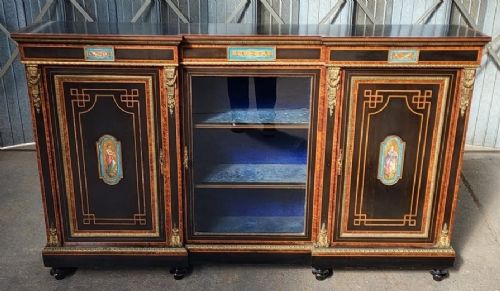
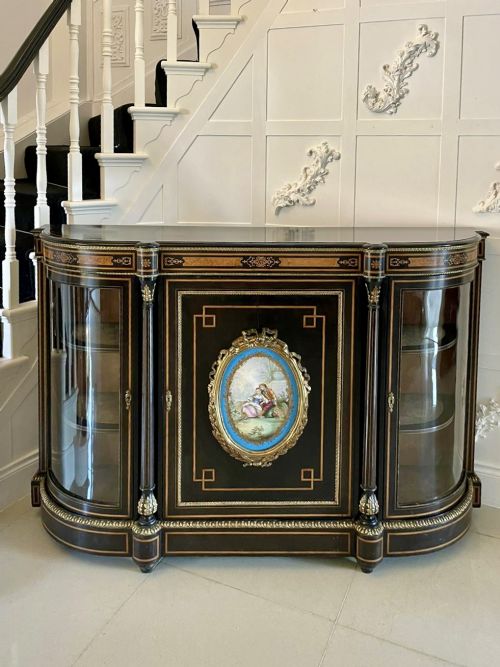
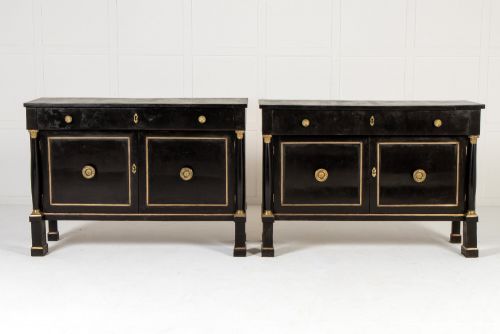
When you search for an antique black sideboard, you encounter a variety of dark-toned storage furniture including credenzas, side cabinets, commodes, and dresser bases. The Victorian period heavily contributes ebonised wood pieces, often embellished with marquetry, glass, and ormolu mounts.
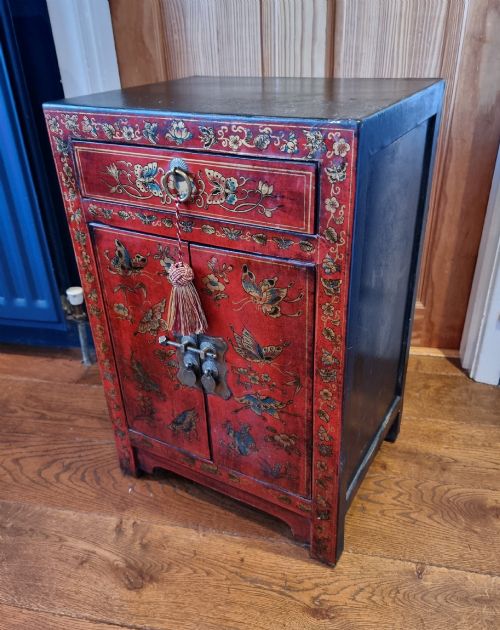
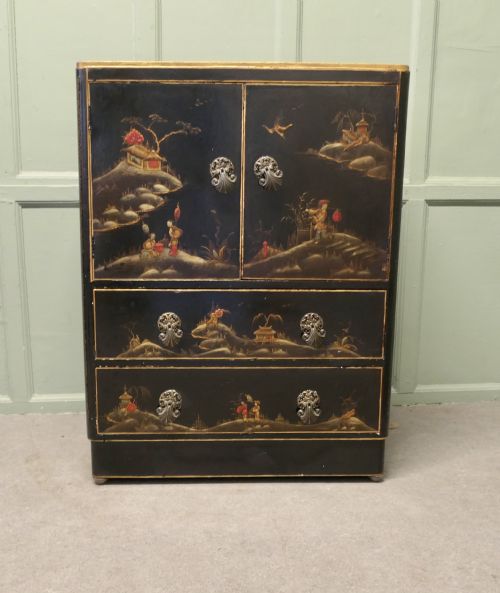
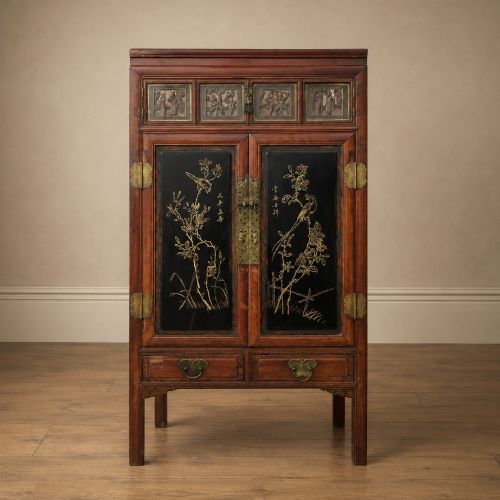
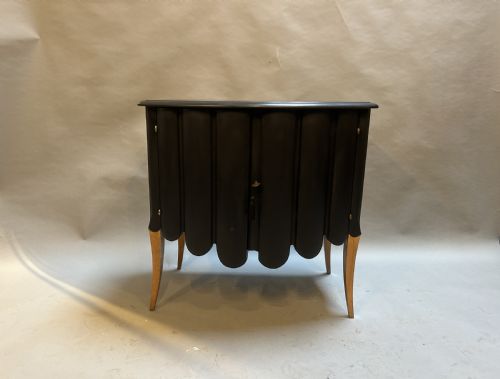
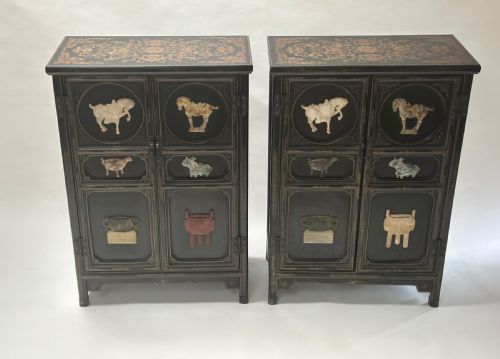
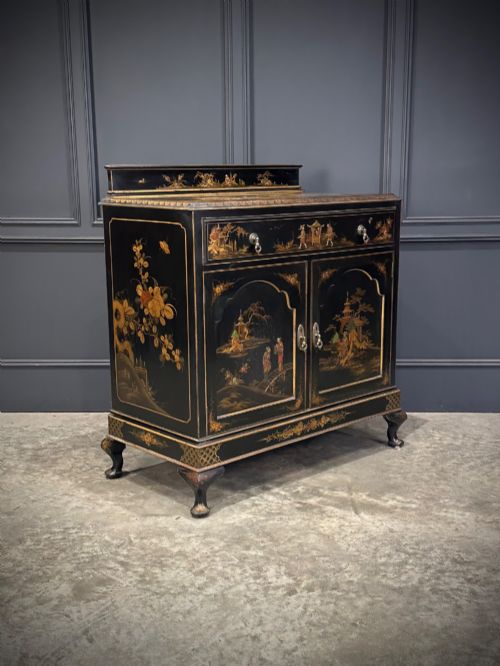
Alongside British and European Victorian works, you find French Napoleon III and Art Deco designs alongside 18th-century Italian and English painted pieces. Asian traditions appear through Chinese Qing Dynasty and later black lacquer and Chinoiserie cabinets decorated with birds and flowers.
The form functions primarily for storage and display, shifting from low credenzas with mirrored backs to tall cupboards on stands and breakfront bookcases. Sideboards and credenzas dominate the selection, offering versatile proportions for modern interiors.
How they were made
Craftsmen built these pieces using solid timbers like pine and oak, or applied ebonising techniques to woods to mimic expensive ebony. Surface decoration frequently involved layers of black lacquer, japanning, and intricate inlaid marquetry using contrasting materials such as amboyna.
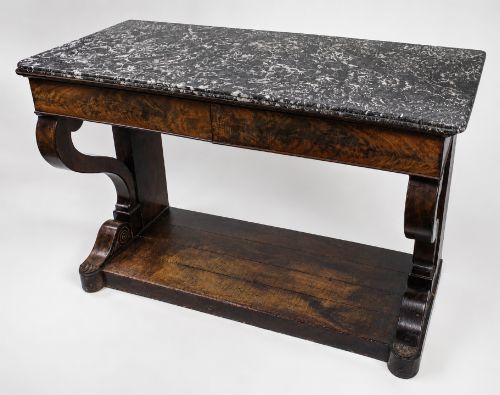
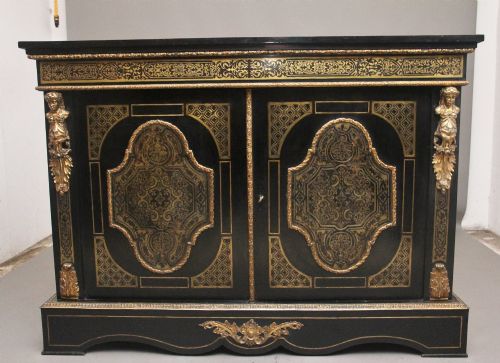
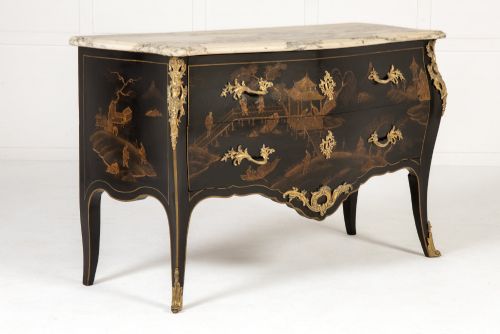
Metal and stone details elevate the construction through cast ormolu mounts, brass hardware, and polished marble tops. Boulle work incorporating tortoiseshell and brass also appears on French and English cabinets from the nineteenth century.
Listings span the 18th, 19th, and 20th centuries, featuring materials such as marble, ormolu, brass, lacquer, and ebonised wood.
What varies in quality
Quality reveals itself in the execution of the surface finish and decorative arts, from the depth of hand-applied black lacquer to the precision of brass marquetry and boulle work. Cabinetmaking standards show in the tight joinery of breakfront bookcases and the smooth integration of marble tops.
The provenance and origin also dictate distinction, separating standard regional painted pine dressers from signed French works by makers like Krieger or English pieces by Garnett and Sons. Finer examples retain intact original mounts, glass panels, and hand-painted Chinoiserie details without excessive restoration.
Garnett and Sons·Krieger of Paris
The Antique Black Sideboard Glossary
- Ebonised wood
- Timber treated with a dark stain or finish to imitate true ebony. This technique was popular in Victorian and Aesthetic Movement furniture.
- Credenza
- A low dining room cabinet or sideboard used for displaying serving dishes and silverware. Victorian versions often feature glass doors and marquetry.
- Chinoiserie
- European decorative style inspired by Chinese art and design. It typically employs black lacquer backgrounds painted with figures, birds, and landscapes.
- Boulle
- An elaborate form of marquetry using brass and tortoiseshell inlaid into wood. It is named after French cabinetmaker André-Charles Boulle.
- Breakfront
- A piece of furniture where the central section projects forward from the flanking outer sections. This architectural form adds depth to side cabinets and bookcases.
Antique Black Sideboard: Frequently Asked Questions
What is the difference between a credenza and a sideboard?
A credenza is traditionally a low-profile cabinet without legs, often featuring glass doors and decorative marquetry. Sideboards generally stand taller and include drawers or cupboards designed specifically for dining room storage.
Both categories overlap considerably in antique markets, and many ebonised Victorian pieces serve either function depending on their interior layout.
How do I care for antique lacquer furniture?
Antique black lacquer and Chinoiserie surfaces require gentle treatment to preserve the painted details and glossy finish. Keep them away from direct sunlight and extreme temperature changes.
Dust regularly with a soft, dry cloth and avoid chemical polishes or water, which can damage the aged lacquer and varnish.
Are black sideboards always Victorian?
While the nineteenth century produced many ebonised and Victorian pieces on this page, the style spans multiple eras. The selection includes 18th-century Italian and English painted commodes alongside early 20th-century Art Deco and Chinoiserie cabinets.
Chinese Qing Dynasty and later oriental lacquer pieces also provide alternative origins beyond British workshops.
Where should I place a black cabinet at home?
These dark statement pieces work well against neutral walls in dining rooms, living areas, or hallways where they provide both surface display space and concealed storage. Credenzas with mirrored backs or glass doors also help reflect light in darker rooms.
Ensure you measure the depth of breakfront or bow-end designs to guarantee they fit comfortably within your floor plan.