




Antique Bird Wall Dish
An antique bird wall dish brings centuries of painted avian grace and intricate metalwork directly into your interior scheme.
Antique Bird Wall Dish
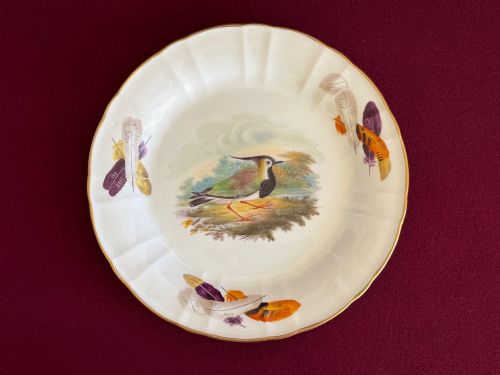
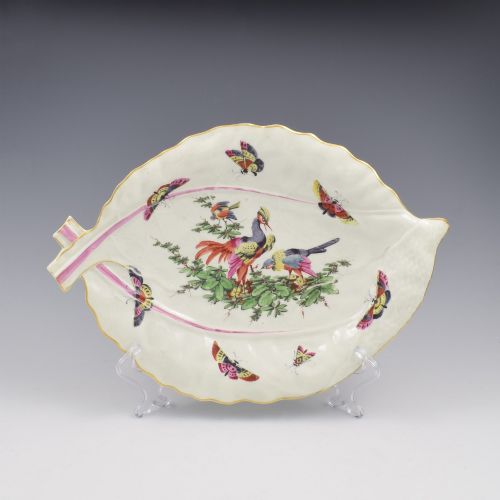
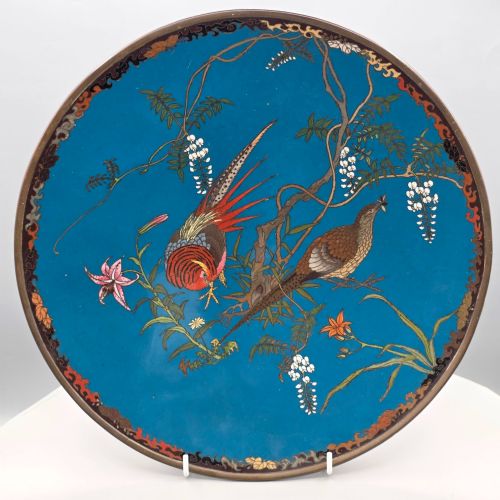
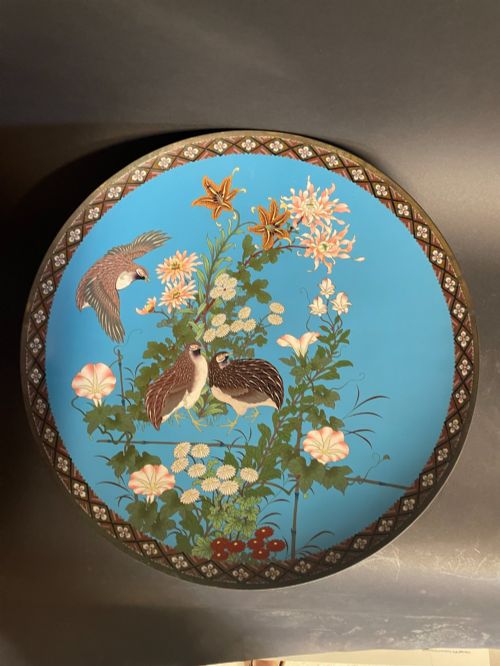
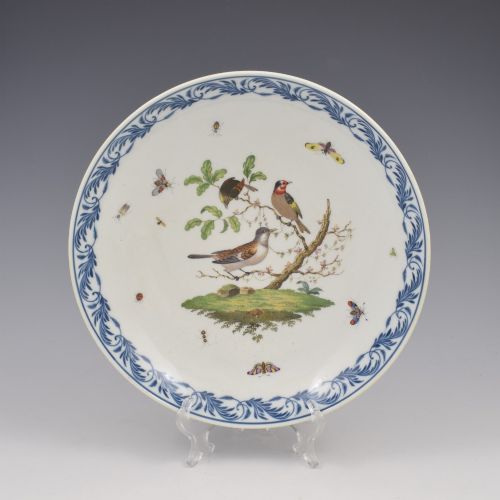
An antique bird wall dish encompasses decorative plates, chargers, and shallow platters featuring avian imagery across various cultures and periods. You will encounter English porcelain, Japanese cloisonne enamel, and continental earthenware designed primarily for display.
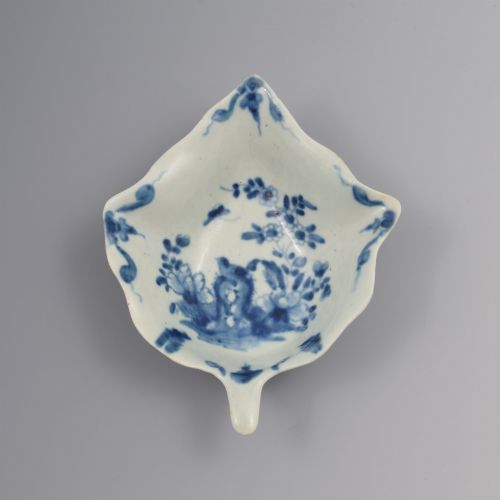
The selection ranges from eighteenth-century English soft-paste porcelain leaf dishes to large late nineteenth-century Japanese Meiji period chargers. Forms include scalloped shell centerpieces, cabinet plates, and heavy bronze or copper wall plaques.
How they were made
Ceramic pieces utilise soft-paste or bone china bodies painted with enamel or underglaze blue, often fired in eighteenth-century English potteries or Meiji period Japanese kilns. Makers applied detailed ornithological scenes depicting lapwings, peonies, and exotic birds.
Metal vessels employ copper, brass, or bronze foundations finished with cloisonne enamel, repousse work, or cinnabar lacquer. Thin wire cells create distinct compartments for coloured enamels on Japanese chargers, while repousse techniques shape heavy copper and bronze.
An inquisitive owl perched beside Mount Fuji stares down from a late nineteenth-century Japanese charger.
What varies in quality
Quality rests in the precision of the hand painting and the complexity of the enamel or glaze work. Finer examples show meticulous brushwork on feathers and flora, alongside well-fired surfaces free of distortion.
The depth and execution of the decorative technique determine distinction, whether in the tightness of cloisonne wirework or the crispness of moulded porcelain leaf and shell shapes.
Wedgwood·Meissen·Mason·Shozo
The Antique Bird Wall Dish Glossary
- Cloisonne
- Enamelling technique using thin metal wires soldered to a metal base to form compartments filled with vitreous paste. This method creates intricate patterns of birds and foliage.
- Charger
- A large decorative plate or platter intended for display on a wall or sideboard rather than daily dining. These substantial pieces often showcase elaborate avian motifs.
- Soft-Paste Porcelain
- Early European ceramic body composed of white clay and glassy frit fired at lower temperatures than hard paste. It provides a soft, warm background for painted bird scenes.
- Repousse
- Metalworking method where a malleable sheet of copper or bronze is hammered from the reverse side to form a raised design. This produces tactile relief on heavy wall dishes.
Antique Bird Wall Dish: Frequently Asked Questions
How do I hang an antique bird wall dish safely?
Heavy chargers and platters require professional brass spring hangers distributed securely across the rim to distribute weight evenly.
Lighter porcelain plates utilise coated wire grips designed to protect the fragile ceramic edges from abrasion.
What periods do these bird dishes come from?
The pieces span from the mid eighteenth century through the Regency era and into the late nineteenth-century Meiji period.
English porcelain examples often date to the seventeen-seventies, while Japanese cloisonne and Imari works largely reflect the eighteen-eighties and eighteen-nineties.
How do I clean an enamel or cloisonne dish?
Dust surfaces gently with a soft, dry brush to prevent accumulation in the wire cells of cloisonne pieces.
Avoid liquid cleaners, chemical solvents, or water immersion, particularly on antique metal and enamel surfaces.
What birds appear most frequently on these dishes?
English porcelain frequently depicts fancy birds, lapwings, and rock birds amongst peonies in the oriental style.
Japanese and Chinese pieces prominently feature phoenix birds, Ho-o birds, owls, and ibises against natural landscapes.