


Antique Bird Motif Plate
An antique bird motif plate brings feathered life to a wall or table through hand-painted plumage and delicate enamels.
Antique Bird Motif Plate
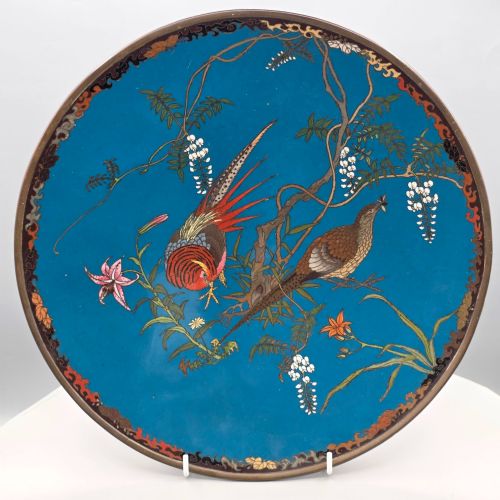
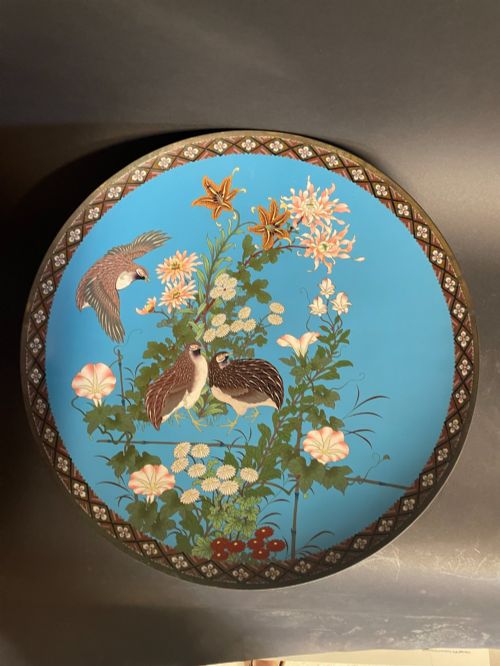
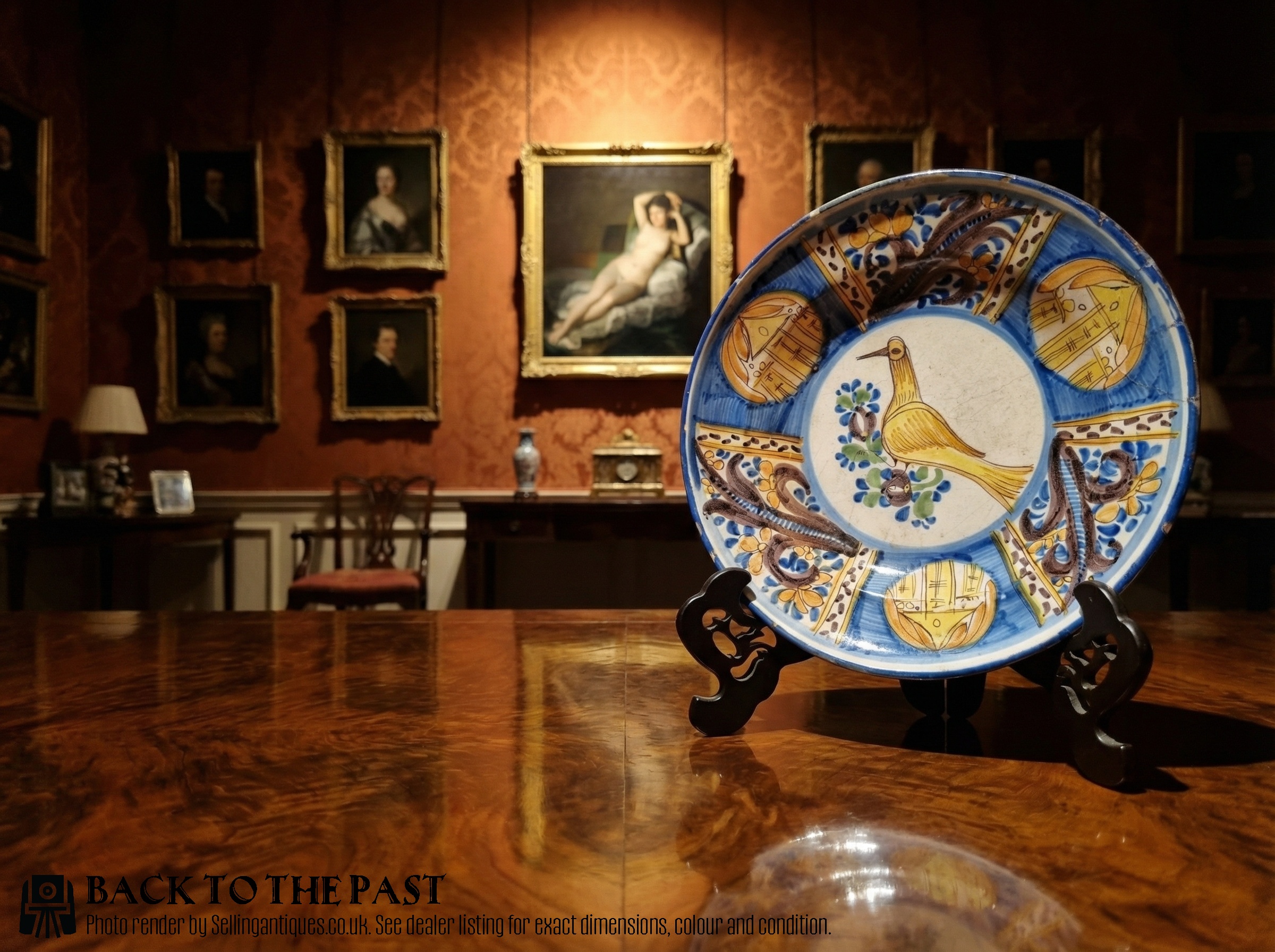
An antique bird motif plate captures avian subjects across diverse cultures, from Japanese Meiji cloisonne chargers to English pearlware and bone china. Buyers exploring this category encounter decorative plaques, shallow bowls, and cabinet plates that feature hand-painted lapwings, ibises, house sparrows, and peafowl.
The pieces span multiple centuries, with significant representation from the nineteenth century alongside eighteenth-century Edo Period Imari ware and early twentieth-century Austrian majolica. Forms range from domestic tea plates to heavy bronze and brass centrepieces and expansive Japanese chargers.
Origin dictates much of the character within this group, dividing cleanly between European earthenware and porcelain traditions and East Asian porcelain, cloisonne enamel, and lacquer work. Collectors often seek out specific regional styles such as Chinese Export, Japanese Kutani, and Regency ironstone.
How they were made
Makers utilised ceramic foundations of porcelain, earthenware, bone china, and ironstone, shaping plates and chargers to receive intricate hand-painted pigments and coloured glazes. English potteries applied blue feather edging and polychrome transfers, while European majolica works modelled dimensional birds and floral elements directly into the clay body.
Enamelling and cloisonne techniques defined many Asian imports, applying vitreous pastes within wire cells upon bronze, copper, or ceramic bases. Japanese lacquer plaques and cloisonne dishes required successive layers of firing and polishing to achieve deep colour saturation and lustrous surface finishes.
House sparrows, lapwings, and peafowl watch quietly from these surfaces, preserving Victorian feathered characters across the centuries.
What varies in quality
Execution of the painted or enamelled subject defines the upper tier of these pieces, separating hasty factory output from masterwork artistry. The precision of fine wirework in cloisonne and the nuanced brushstrokes depicting individual feathers mark the distinction.
Substance and material weight also signal grade, evident in heavy bronze centrepieces, robust stone china bodies, and fine translucent porcelain. Presence of artist signatures and well-documented kilns adds notable distinction to individual specimens.
Wedgwood·Mason's·Shozo·Davenport
The Antique Bird Motif Plate Glossary
- Cloisonne
- Enamelling technique where metal wire forms compartments on a base to hold coloured pastes before firing. This method creates distinct cellular patterns filled with vibrant glass enamels.
- Imari
- Japanese export porcelain style featuring characteristic blue, iron red, and gilt decorations. Pieces originate predominantly from the Arita kilns during the Edo period.
- Majolica
- Opaque tin-glazed earthenware known for vivid coloured lead glazes and relief decoration. Austrian workshops frequently utilised this method for naturalistic depictions.
- Pearlware
- Refined English earthenware with a bluish glaze resembling porcelain, developed in the late eighteenth century. It served as a popular canvas for transfer-printed and hand-painted avian designs.
Antique Bird Motif Plate: Frequently Asked Questions
How do I hang a heavy charger?
Large chargers and bronze centrepieces require robust wall-mounting hardware designed to support substantial weight without slipping. Brass-coated spring hangers distributed evenly around the rim secure the piece safely.
Ensure the wall fixing engages directly with a stud or utilises appropriate masonry plugs. Padding the contact points protects the antique glaze and metal edges from abrasion.
Can I use these plates for food?
Most antique plates featuring hand-painted enamels, ironstone, or delicate cloisonne are best reserved for display rather than daily dining. Historic glazes may contain materials unsuitable for acidic foods or modern dishwashers.
Gentle hand washing with mild soap suffices for occasional cleaning when necessary. Protecting the surface preserves the original pigments and delicate metallic details.
How do I date a Japanese cloisonne plate?
Meiji period pieces from the late nineteenth and early twentieth centuries often display refined wirework and specific aesthetic signatures. Earlier items tend to feature heavier brass wires and denser, more opaque colour palettes.
Examining the base and reverse for maker signatures or specific studio marks provides further chronological context. Comparing the subject matter to established Japanese art periods helps narrow the origin window.
What is the difference between ironstone and porcelain?
Ironstone is a heavy, durable type of earthenware patented in the nineteenth century to mimic true porcelain. It offers greater resilience for utility wares while retaining fine details.
Porcelain remains vitrified, translucent, and resonant when tapped, whereas ironstone is opaque and dense. Both materials provide stable grounds for painted bird motifs.