
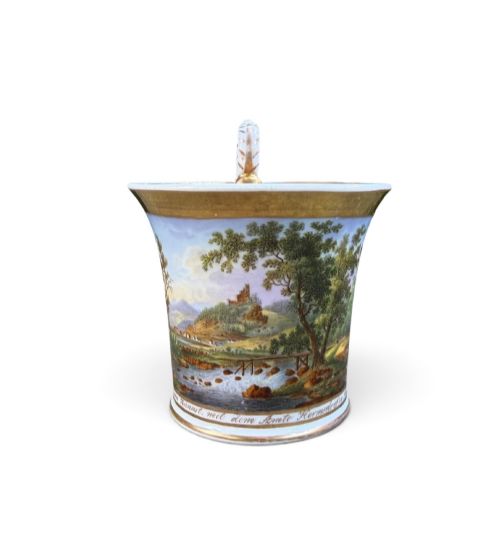


Antique Berlin Porcelain
Antique berlin porcelain brings together hand-painted topographical views, fine figures and detailed cabinet pieces from German workshops.
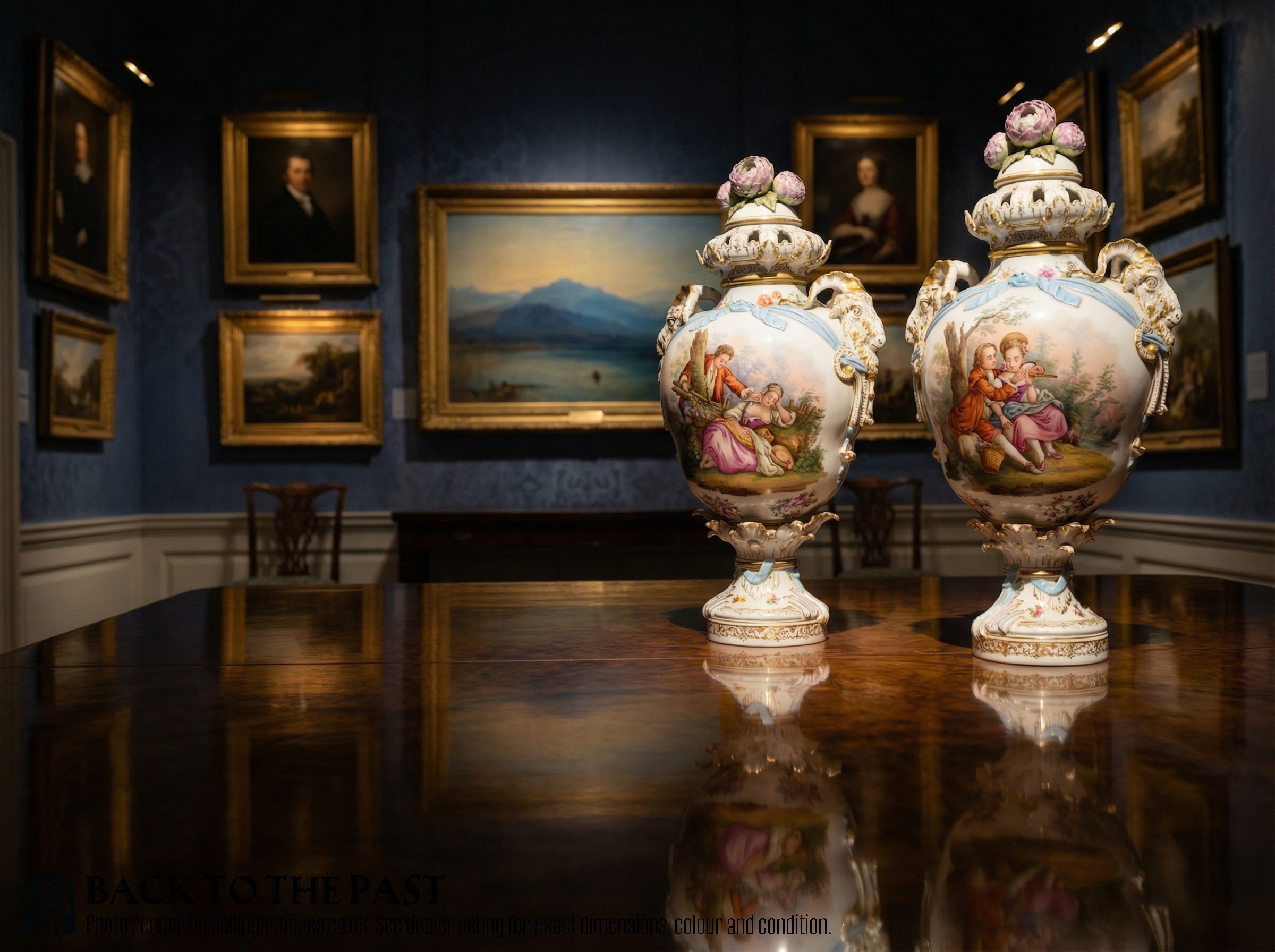
Antique Berlin Porcelain
Antique berlin porcelain encompasses items created by the royal factory and related makers across the nineteenth century, including the georgian and victorian eras. Buyers exploring this category encounter a diverse selection of decorative wares designed for display and daily use.
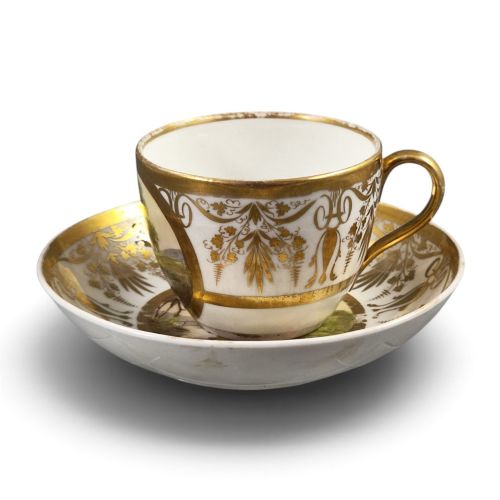
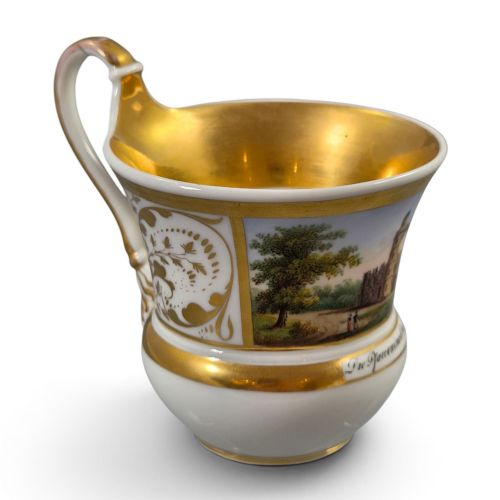
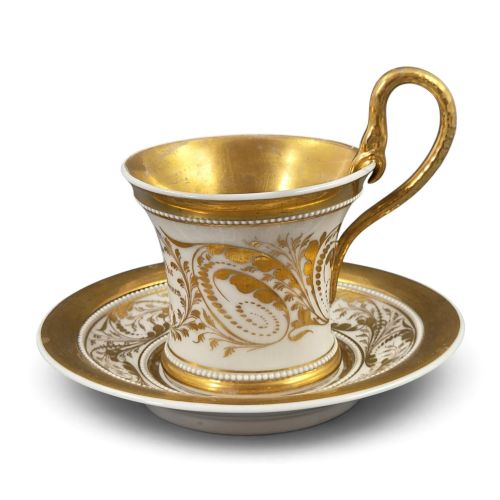
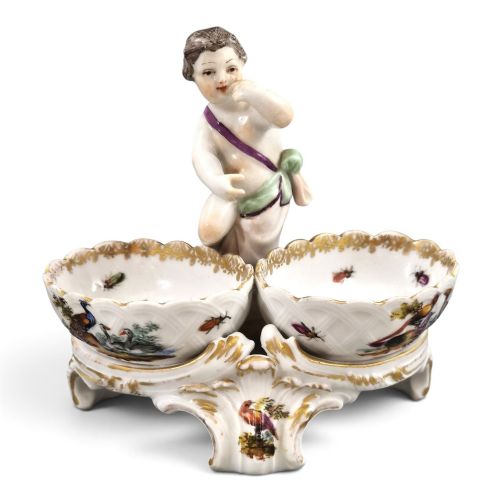
The most common forms on this page include cabinet cups and saucers, lidded vases, figural salt cellars and painted porcelain plaques. These pieces range from intimate demitasse cups to large paired urns and multi-piece clock sets.
Makers drew on established design vocabularies, producing objects in neoclassical, rococo revival and biedermeier styles. Every item reflects the shifting artistic preferences of nineteenth-century European interiors.
How they were made
Potters shaped these pieces using hard-paste porcelain, a durable ceramic body fired at high temperatures to achieve a smooth, dense surface. Artisans then applied enamel pigments by hand, capturing intricate landscape scenes, portraits and botanical subjects.
Decoration often involved the application of gold leaf and gilding to accentuate rims, handles and structural borders. Certain works incorporated additional materials such as gesso and giltwood frames to mount porcelain plaques securely.
Available forms range from figural salt cellars and sugar shakers to large lidded vases and framed pictorial plaques.
What varies in quality
Quality rests primarily on the finesse and detail of the hand-painted brushwork applied to the porcelain surface. Miniature landscapes, figural expressions and topographical accuracy demonstrate the skill of the individual painter.
The precision of the moulding, the weight of the hard-paste body and the execution of the gilding and gold leaf further distinguish standard production wares from masterworks. Intricate figural modelling and balanced proportions elevate the standing of a piece.
KPM Berlin
The Antique Berlin Porcelain Glossary
- Hard-paste porcelain
- A dense, vitrified ceramic composed of kaolin and petuntse fired at high temperatures. It provides a durable white canvas for enamel painting.
- Cabinet cup
- A decorative cup and saucer intended for display in a cabinet rather than functional tea service. These pieces typically feature detailed topographical or figural paintings.
- Porcelain plaque
- A flat or slightly curved ceramic panel painted with a pictorial scene, often mounted in a frame. They served as portable works of fine art.
- Gilding
- The application of gold leaf or powdered gold to the surface of porcelain. It highlights structural details and adds richness to the design.
- Neuzierat
- A specific moulded porcelain pattern featuring scrollwork and relief borders. It provides a formal architectural framework for painted decoration.
Antique Berlin Porcelain: Frequently Asked Questions
How do I identify KPM berlin marks?
Makers applied various underglaze blue sceptre marks and red orb stamps to the underside of their wares. These symbols changed slightly across different decades, helping to narrow down the production period.
Examining the crispness of the stamp alongside the style of the hand-painted decoration confirms the workshop origin.
Were porcelain plaques meant to be hung?
Larger painted plaques were fitted into giltwood or ormolu frames for wall display in nineteenth-century drawing rooms. They functioned much like oil paintings within domestic interiors.
Smaller panels remained in desk stands or cabinets to showcase the painter's miniature technique close up.
What is a topographical cabinet cup?
These cups feature miniature hand-painted views of specific parks, palaces or landscape vistas from Europe. Owners collected them to commemorate travels or notable geographical sites.
The reverse often bears a handwritten script naming the exact location depicted on the porcelain.
How should I clean antique porcelain?
Dust surfaces gently with a soft brush and avoid using harsh chemical cleaning agents on the enamel. Hand washing in lukewarm water with mild soap is suitable only for sturdy functional items without fragile gilding.
Framed plaques and gilded display pieces require dry maintenance to protect the delicate gold leaf and mounting materials.
Can I use these cups for tea?
Cabinet cups and demitasse items are primarily decorative antiques intended for display rather than daily beverage service. The thin hard-paste body and delicate hand-applied gilding are sensitive to thermal shock and regular use.
Preserving the integrity of the enamel and gold accents makes display the preferred choice for collectors.