
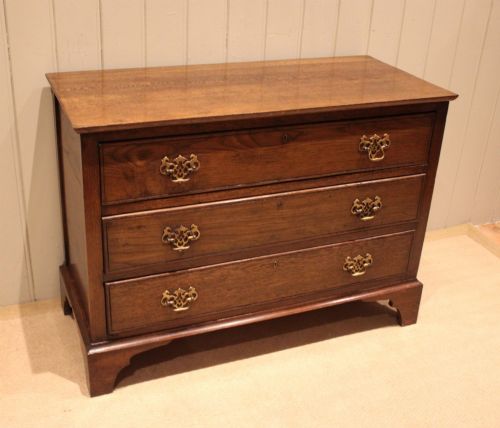
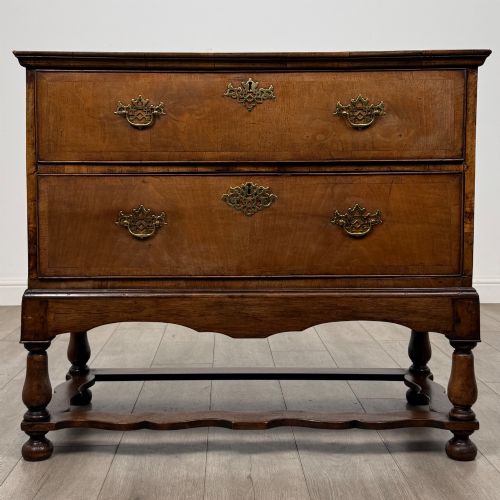
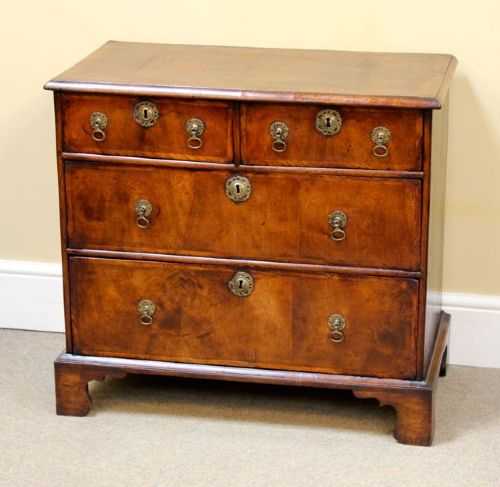
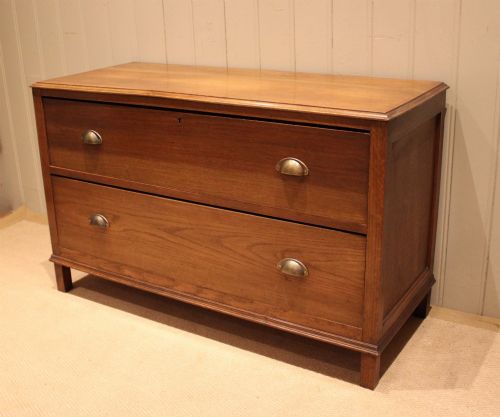


Antique Bedroom Lowboy
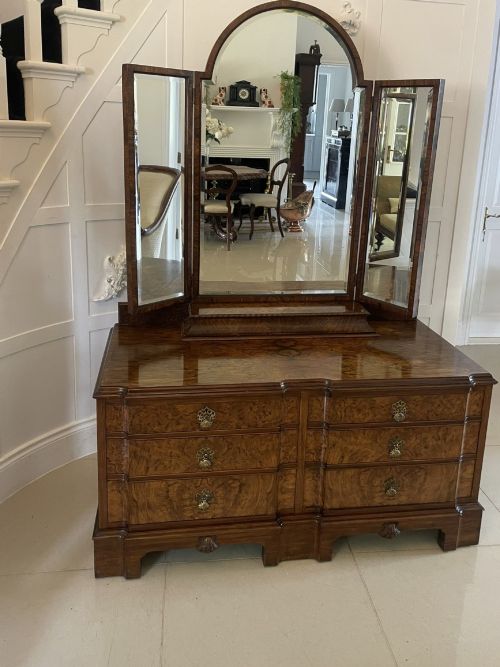
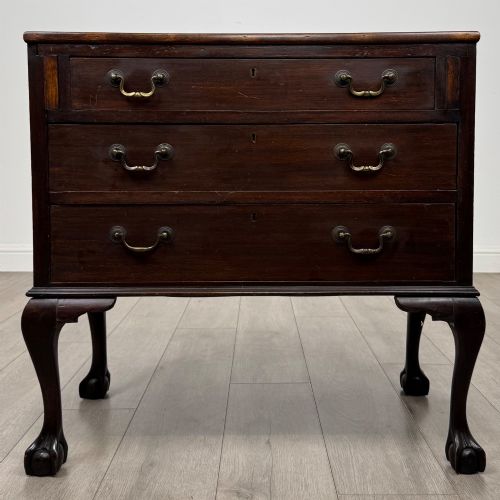
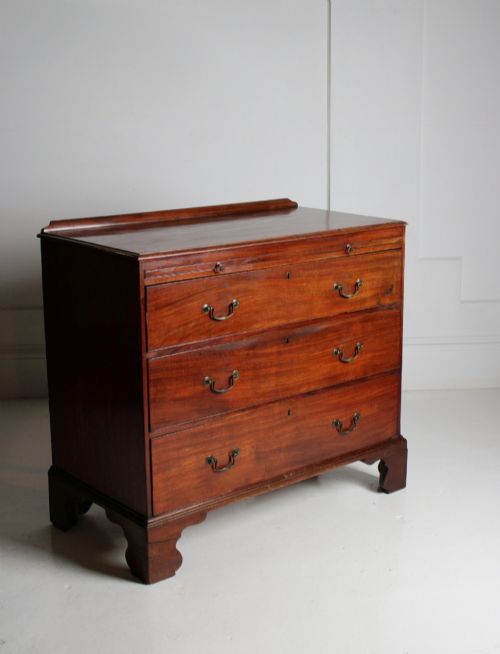
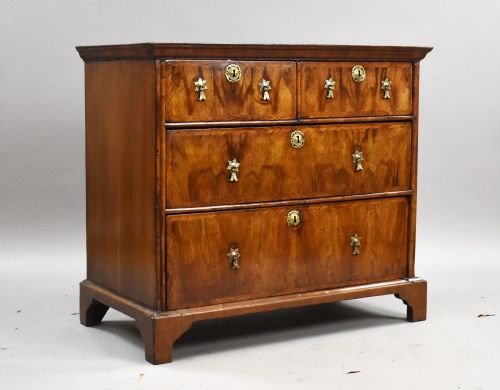
An antique bedroom lowboy brings compact eighteenth-century utility and refined walnut or mahogany grain into a modern sleeping space.
Antique Bedroom Lowboy
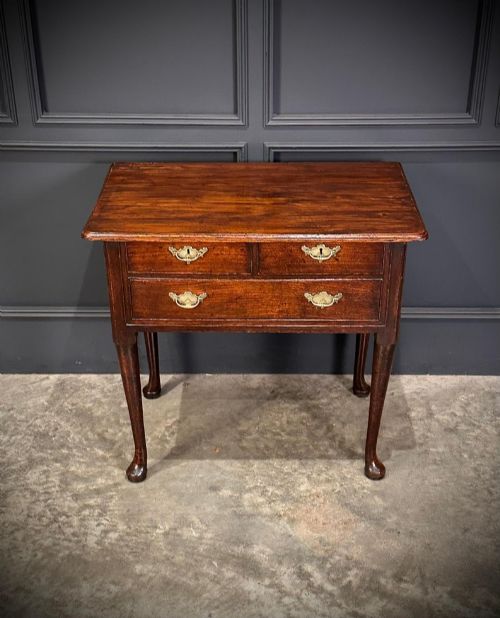
An antique bedroom lowboy is a low wooden table featuring drawers, historically used for personal grooming or storage in private chambers. The pieces gathered under this phrase cross multiple periods, notably the eighteenth century alongside later Georgian and Queen Anne revivals.
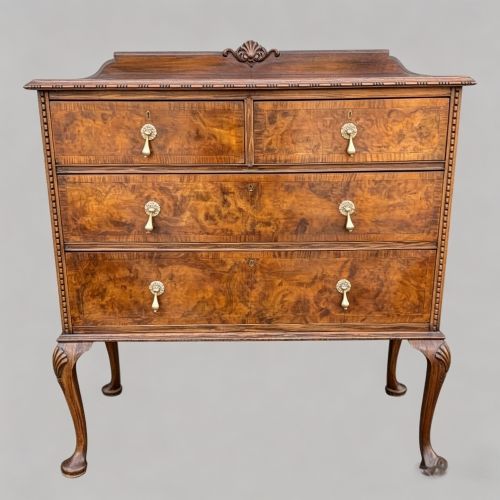
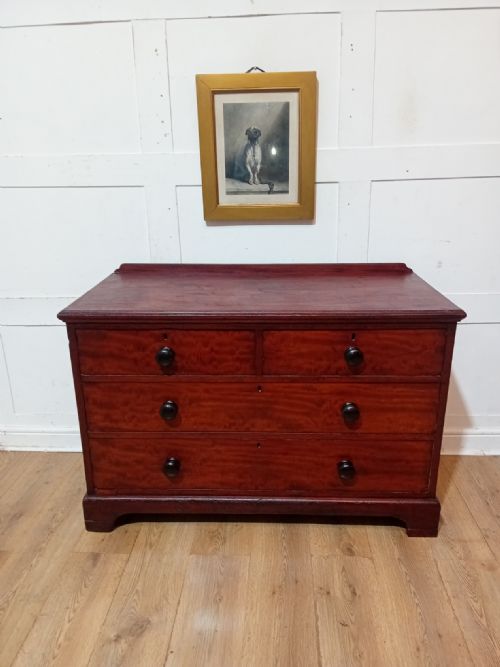
You will encounter walnut, burr walnut, and mahogany lowboys alongside related forms such as small chests of drawers and dressing tables. These objects combine small proportions with deep storage, fitting neatly against bedroom walls where larger wardrobes cannot go.
The origins span country oak examples to highly figured burr walnut revival pieces from the early twentieth century. Each version offers a distinct surface texture and drawer configuration suited to contemporary bedside use.
What varies in quality
The degree of figuration in the walnut veneer sets one piece apart from another, with rich burr patterns commanding attention. Finer lowboys display crisp edge moulding and careful timber selection that maintains grain continuity across the drawers.
Structural integrity depends on the original thickness of the secondary timbers inside the drawers and the crispness of the dovetail joints. Earlier eighteenth-century examples show hand-cut precision that differs from later machine-assisted revival pieces.
Listings feature oak, walnut, burr walnut, and mahogany pieces spanning from the early eighteenth century through to Art Deco revivals.
Shoolbred and Co·Maple's of London
The Antique Bedroom Lowboy Glossary
- Lowboy
- A small low table with one or more rows of drawers, standing on relatively tall legs. This form originated in the late seventeenth century for domestic chambers.
- Burr Walnut
- A specialised wood cut from the abnormal growth of a walnut tree, producing swirling, intricate grain patterns. Cabinet makers prized this material for high-status drawer fronts.
- Dovetail
- A joint formed by interlocking wedge-shaped fingers, securing drawer corners together with immense strength. Hand-cut dovetails indicate traditional craftsmanship.
- Escutcheon
- A protective plate surrounding a keyhole, usually made of brass. These small hardware details add metallic contrast to the timber drawer fronts.
- Queen Anne Style
- A design tradition characterised by cabriole legs and curved outlines, popular during the early eighteenth century and revived later in the Victorian and Edwardian eras.
Antique Bedroom Lowboy: Frequently Asked Questions
What is an antique lowboy used for today?
An antique lowboy serves wonderfully as a compact dressing table or a distinctive bedside chest in a modern bedroom. The surface holds a lamp or small objects while the drawers contain everyday accessories.
Its modest footprint allows it to fit into tight alcoves where standard chests of drawers fail to clear doorways or windows.
How do I tell an 18th-century lowboy from a revival piece?
Eighteenth-century examples display hand-sawn timber boards with irregular thickness in the drawer linings and back panels. Revival pieces from the Victorian or Edwardian periods often show more uniform machine-cut components and different internal secondary woods.
Examining the underside of the drawers and the cut of the dovetails reveals the working methods of the period in which the piece was constructed.
Are lowboys and dressing tables the same thing?
While similar in height and proportion, lowboys historically featured plain tables with drawers beneath, whereas dressing tables often incorporated attached mirrors or specialised compartments. Over time, makers used the terms interchangeably for small kneehole or drawer tables placed in bedrooms.
Both types share the same shallow depth designed to sit comfortably against bedroom walls without blocking circulation space.
How do I care for a walnut or mahogany lowboy?
Keep wooden lowboys away from direct heat sources and strong sunlight to prevent the timber veneers from drying out or splitting. Gentle dusting with a dry cloth preserves the polished finish without harming the historic surface.
Applying occasional appropriate wax feeds the antique wood and maintains the subtle sheen on the figured walnut or mahogany grain.