
Antique Bedroom Linen Storage
Antique bedroom linen storage offers substantial timber presses, wardrobes and tallboys designed to house household textiles with architectural presence.
Antique Bedroom Linen Storage
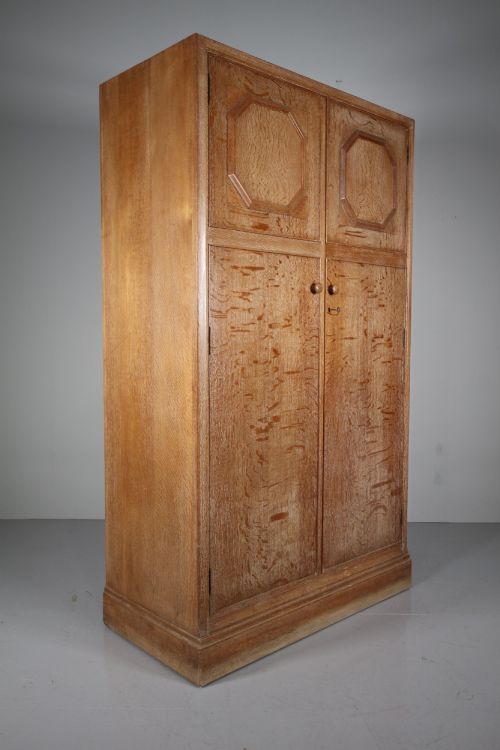
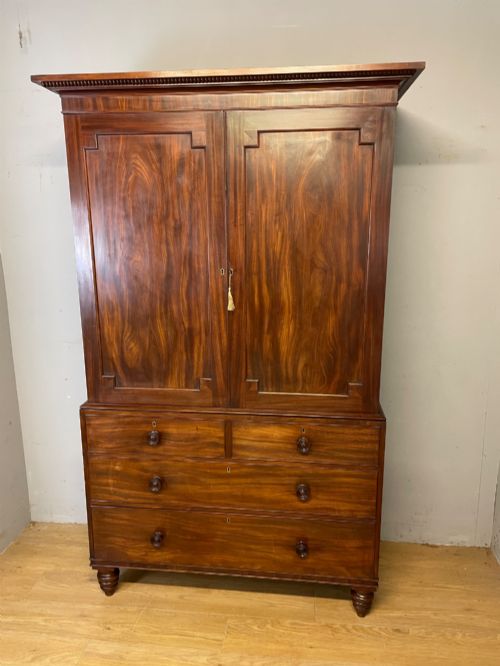
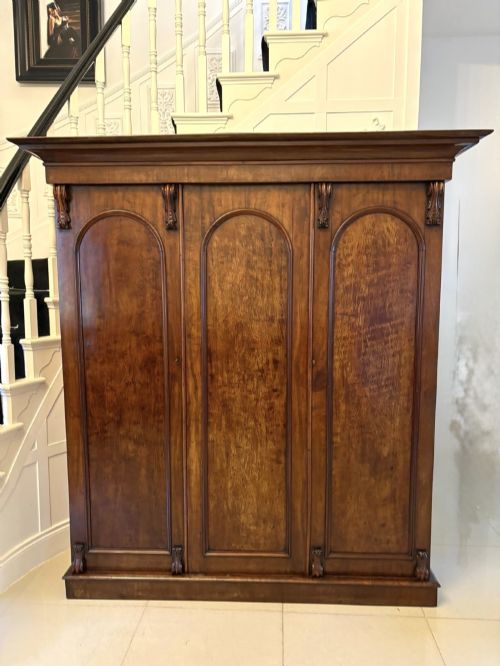
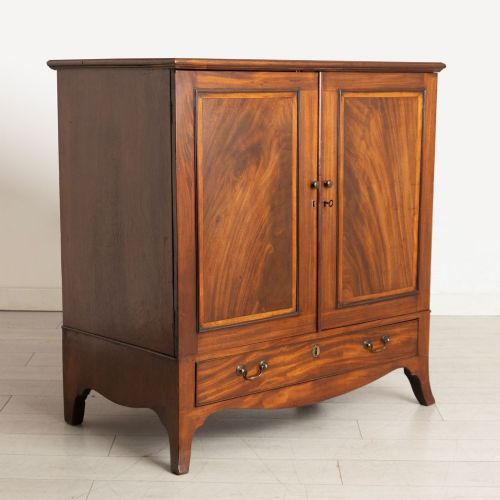
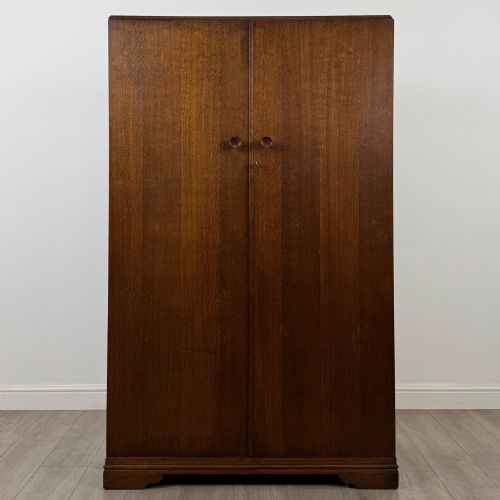
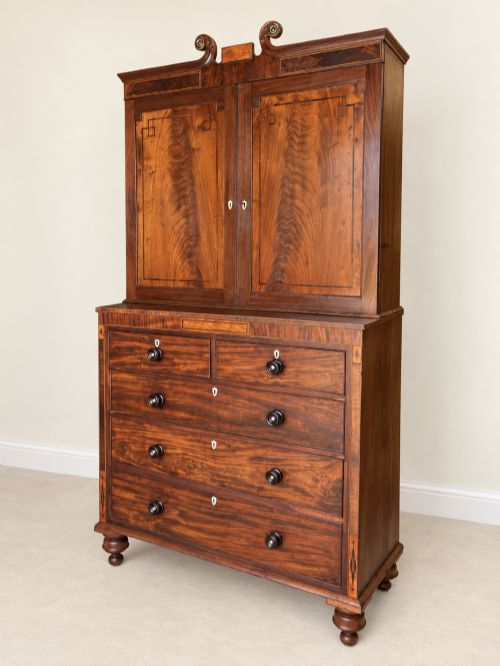
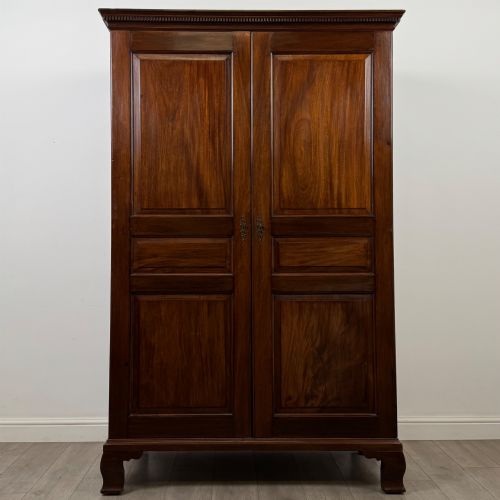
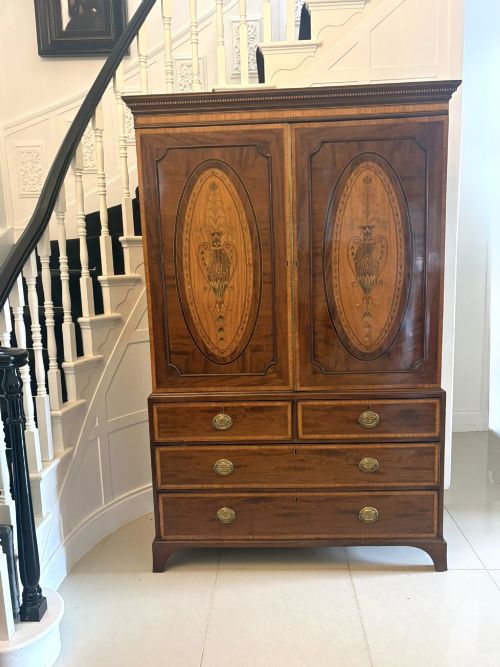
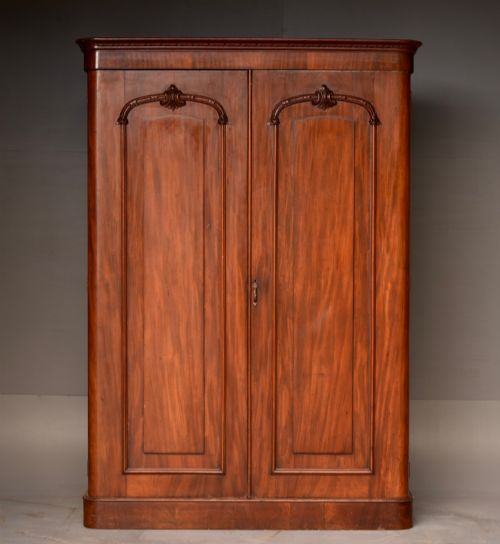
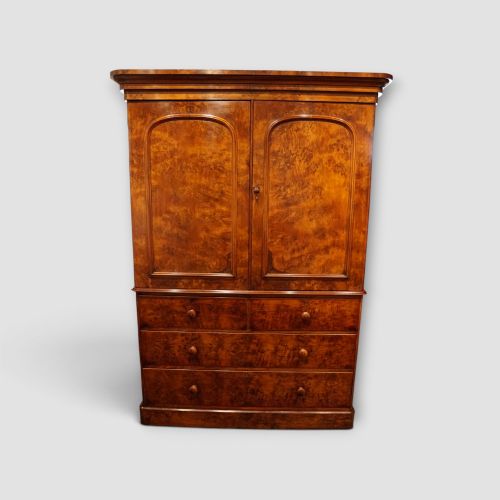
Antique bedroom linen storage primarily comprises tall case furniture designed to house folded textiles, with Georgian and Victorian linen presses, wardrobes and tallboys forming the core of the items seen here. These pieces range from substantial mahogany housekeeper cupboards with upper sliding trays and lower drawers to pine chifferobes and compactum wardrobes.
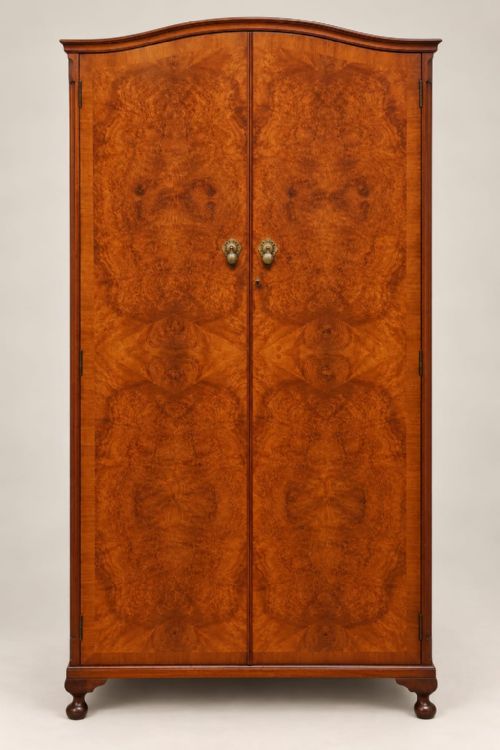
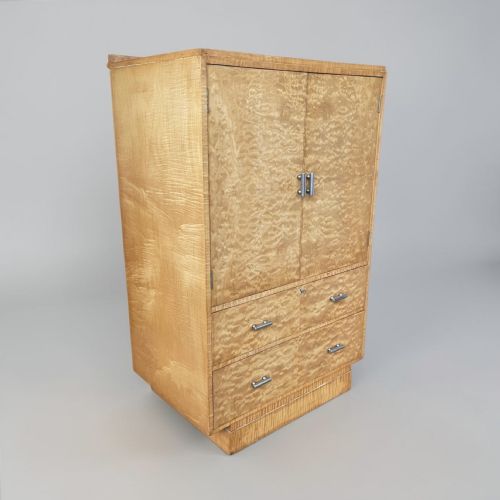
The selection draws heavily on pieces originating from the Georgian, Victorian and Edwardian eras, alongside occasional Regency, William IV and Art Deco examples. Buyers frequently encounter timber wardrobes and linen presses executed in mahogany, walnut and pine, reflecting the dominant storage requirements of bedrooms across the nineteenth and early twentieth centuries.
Materials and construction methods
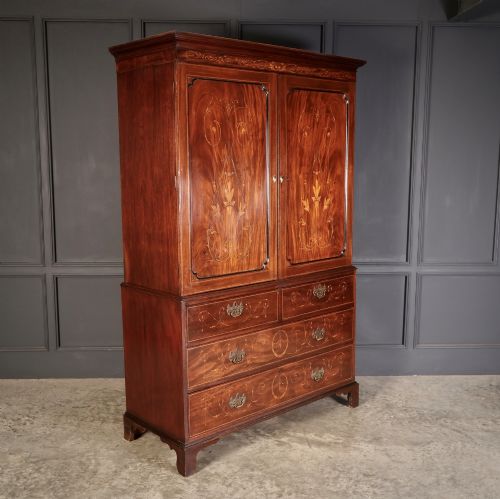
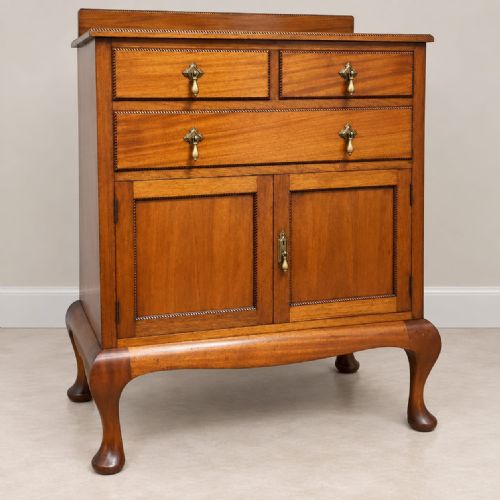
Cabinetmakers utilised dense hardwoods such as mahogany, walnut and satinwood for formal bedroom furniture, often featuring flame veneers, satinwood inlay and blind fretwork cornices. Carcase construction relied on robust timber framing, dovetailed drawer construction and panelled doors designed to endure daily domestic use.
Secondary timbers like pine and ash appear in utilitarian or regional pieces, which range from knockdown wardrobes to stripped pine dressers and storage cupboards. Surface treatments vary from polished French polish finishes on formal Georgian and Victorian pieces to wax or paint finishes on pine country storage.
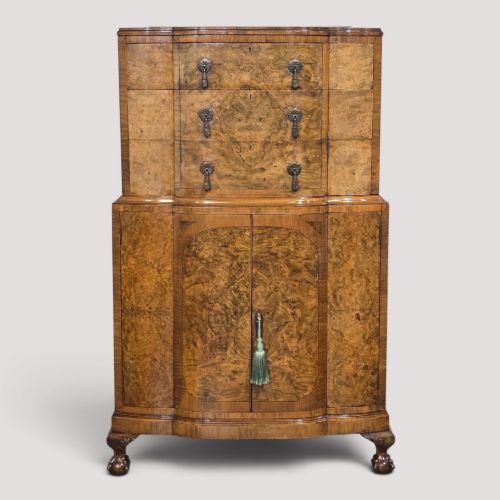
The listings demonstrate a wide span of antique bedroom linen storage, ranging from formal 18th-century Georgian mahogany presses to 1930s Art Deco walnut compactums.
Distinctions in craftsmanship and materials
Quality in antique bedroom linen storage rests on the selection of timber veneers, the precision of internal drawer dovetailing and the integrity of architectural details such as cornicing and panel work. Superior examples demonstrate figured mahogany or burr walnut surfaces paired with crisp proportions and original internal linen slides.
maples & co·Heals·Druce & Co.
The Antique Bedroom Linen Storage Glossary
- Linen press
- A tall piece of case furniture featuring upper cabinet doors enclosing sliding trays for folded textiles, placed above a base chest of drawers. This form evolved to protect household linen from dust and damp before dedicated fitted closets became standard.
- Tallboy
- A tall vertical chest of drawers, sometimes constructed in two stacked sections to maximise vertical storage capacity while occupying a minimal floor footprint. These cabinets frequently combine smaller top drawers with deeper lower drawers.
- Compactum
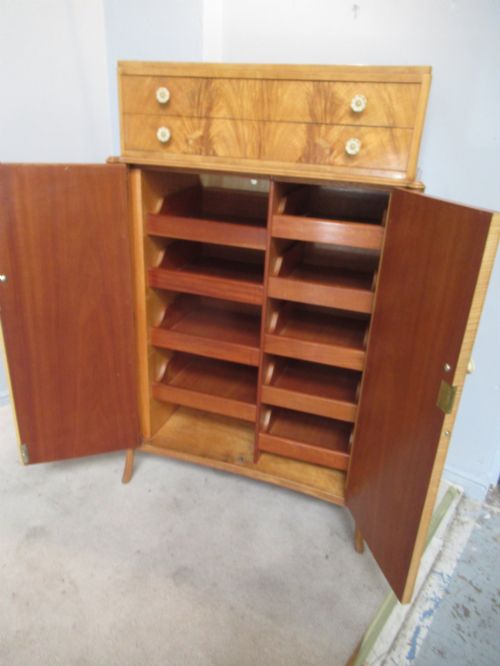
- A fitted multi-compartment wardrobe designed to consolidate various forms of clothing storage into a single unit, incorporating hanging space, shelves and drawers. These multi-purpose pieces gained particular popularity during the Art Deco and Edwardian periods.
- Chifferobe
- A hybrid storage cabinet combining elements of a wardrobe and a chest of drawers, offering both hanging space and vertical drawer capacity. This form appears frequently in practical Victorian pine and rustic country variations.
- Blind fretwork
- Carved decorative ornamentation applied to cornices or friezes in low relief, imitating open fretwork without piercing the underlying timber. This technique appears on formal Georgian mahogany presses to enrich the upper architectural moulding.
Antique Bedroom Linen Storage: Frequently Asked Questions
What is the difference between a linen press and a wardrobe?
A linen press specifically contains internal sliding trays or shelves behind its upper doors for storing folded textiles, traditionally paired with drawers beneath. Wardrobes are primarily designed for hanging garments with vertical space.
While some Georgian and Victorian pieces combine both functions, the presence of internal linen slides defines the classic press cupboard.
How do I distinguish a Georgian press from a Victorian one?
Georgian linen presses typically exhibit balanced architectural proportions, fine mahogany veneers, bracket feet and subtle details like stringing or blind fretwork cornices. They reflect eighteenth-century classical design principles.
Victorian examples tend to be heavier in scale, frequently utilising burr walnut, pitch pine or flame mahogany, and often feature more robust plinth bases or rounded moulded panel doors.
What are knock-down wardrobes?
Knock-down wardrobes are large case pieces engineered with sectional panels, bolts or interlocking joints so they could be dismantled for transport and reassembled in upstairs bedrooms. This construction method was especially common in substantial nineteenth-century pine furniture.
These pieces allowed heavy household storage to be moved through narrow staircases without permanent structural damage.
How do I care for antique timber bedroom storage?
Maintain antique wardrobes and presses in rooms with stable relative humidity and away from direct heat sources to prevent timber splitting or veneer lifting. Regular dusting with a dry, soft cloth preserves the polished surface.
Avoid silicone-based polishes and apply traditional beeswax sparingly to nourish unvarnished or wax-finished pine and hardwood surfaces.