


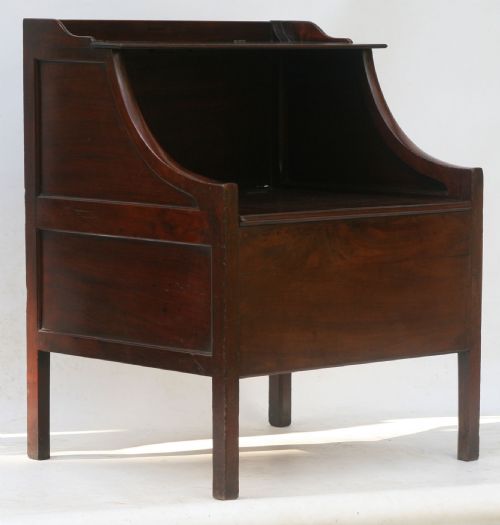
Antique Bed Side Cupboard
An antique bed side cupboard solves the bedside storage problem with timber craft that flatpack furniture simply cannot match.
Antique Bed Side Cupboard
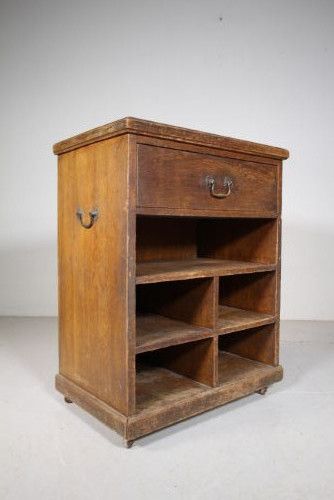
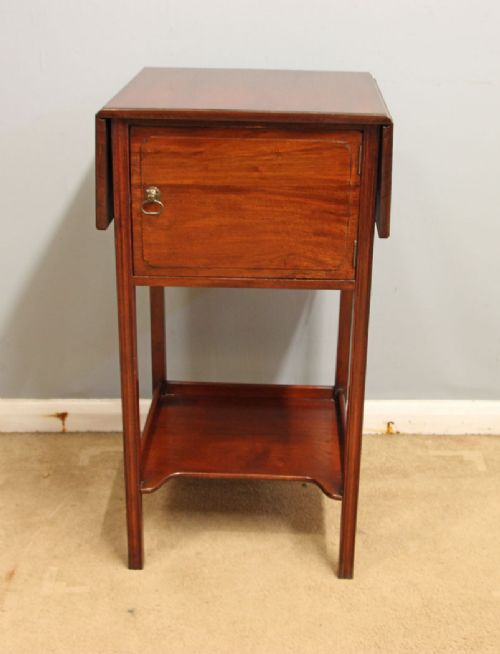
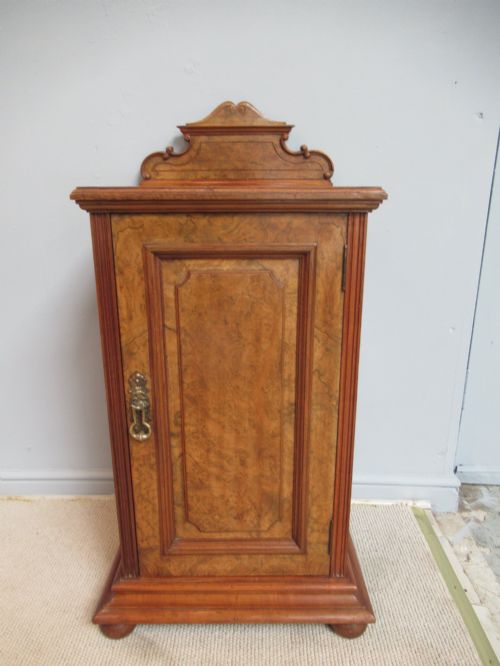
An antique bed side cupboard is a compact piece designed to sit beside a bed, holding chamber pots, books, and night-time essentials. You will frequently find Victorian and Georgian examples, alongside Edwardian and 1930s interpretations.
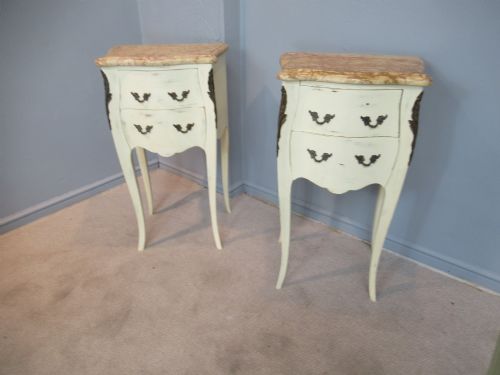
The form spans straightforward enclosed cupboards, bedside chests of drawers, and open tables. Many examples take the traditional form of a pot cupboard, while others feature cylindrical bodies or marble tops.
Materials and construction
Cabinetmakers utilised dense hardwoods such as mahogany, walnut, and oak for structural integrity and longevity. Burr walnut, satinwood, and birds eye maple veneers provided decorative surfaces with striking grain patterns.
Auxiliary materials like white marble tops offered durable, wipe-clean surfaces for water jugs and candle holders. Brass handles, hinges, and gallery rails completed the hardware on finer pieces.
Many a solid mahogany nightstand has spent its later years moonlighting as a very reluctant home for a modern smartphone.
Distinctions in craftsmanship
The division between standard utility pieces and superior examples lies in the selection of timber figures and the crispness of carved details. Plain secondary woods contrast with carefully matched burr veneers and finely turned legs.
Construction methods tell their own story, separating utilitarian workshop output from pieces designed by prominent cabinetmakers. Dovetailed drawer joints and heavy marble slabs indicate a higher tier of original manufacture.
Gillows·Trapnell and Gane
The Antique Bed Side Cupboard Glossary
- Pot cupboard
- A small bedside cabinet originally constructed to enclose a chamber pot behind a single door. These pieces evolved into general nightstands as domestic sanitation changed.
- Tray top
- A raised rim around the upper surface of a table designed to prevent items from rolling off. This feature appears frequently on Georgian and Victorian bedside pieces.
- Burr walnut
- Wood taken from a tree growth that produces intricate, swirling grain patterns. Cabinetmakers sliced this timber into thin veneers to ornament drawer fronts and cabinet doors.
- Ogee feet
- An S-shaped bracket foot curving outwards at the top and inwards at the base. This profile adds architectural weight to the lower section of a cabinet.
Antique Bed Side Cupboard: Frequently Asked Questions
What is a pot cupboard?
A pot cupboard is a small enclosed bedside cabinet originally designed to conceal a chamber pot.
Over time, these versatile pieces transitioned into general bedside storage for books, lamps, and personal items.
Are marble top tables practical?
Marble tops provide a cool, water-resistant surface that easily withstands damp jugs, glasses, and spilled liquids.
They add weight and stability to narrow bedside cabinets while introducing a contrasting texture to the timber body.
How do I date a cupboard?
Dating relies on identifying timber choices, construction techniques, and stylistic markers recorded across the Victorian, Georgian, and Edwardian eras.
Specific design traits like ogee feet, tray tops, and aesthetic movement decoration help narrow the period of origin.
Do bedside cupboards come in pairs?
Many surviving cabinets are found as matched pairs, particularly from the Victorian and Edwardian periods.
Single cupboards are equally common, reflecting historical bedroom layouts where only one side table was utilised.