

Antique Bed Headboard
An antique bed headboard represents a solid framework of timber or metal, anchoring the bedroom with distinct period character and craftsmanship.
Antique Bed Headboard
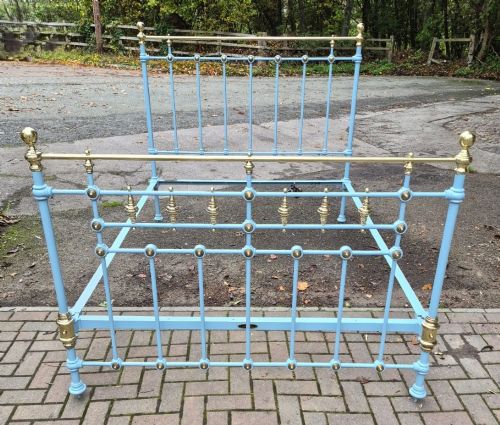
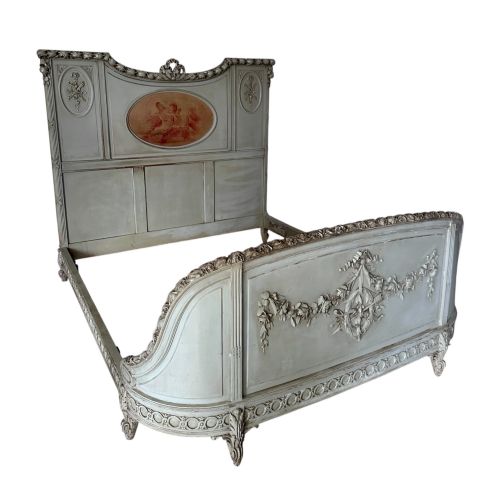
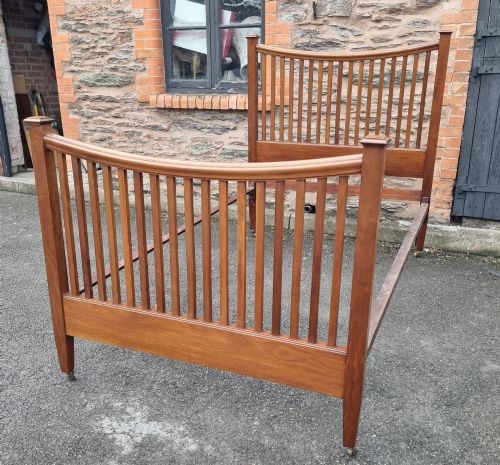
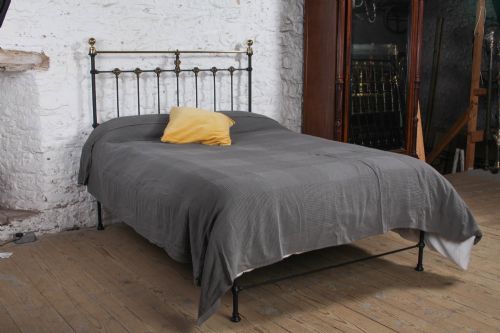
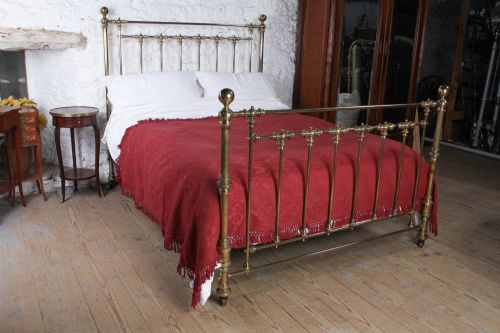
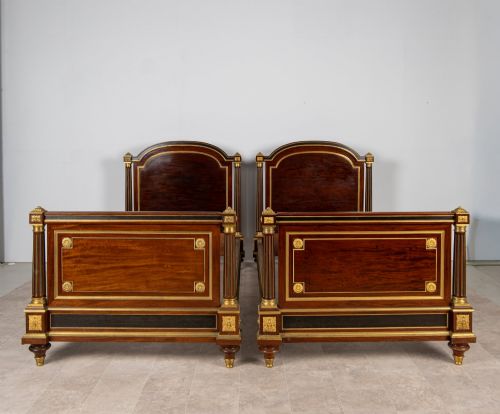
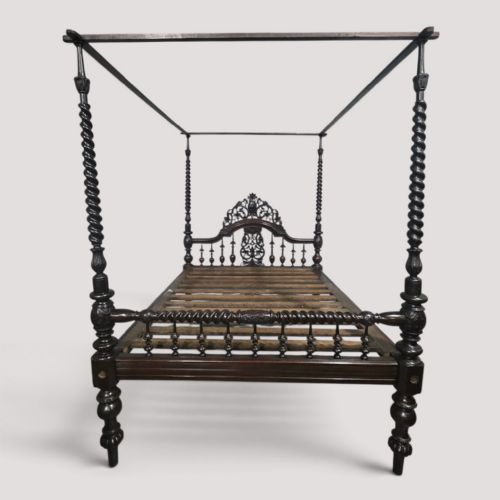
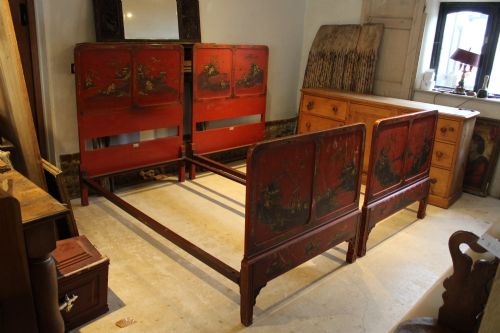
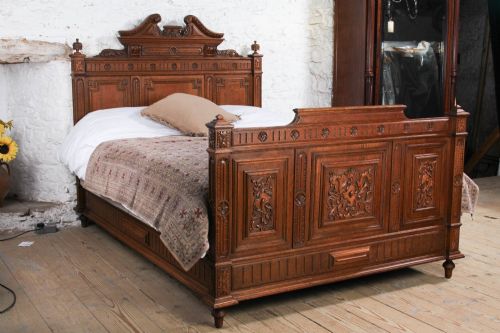
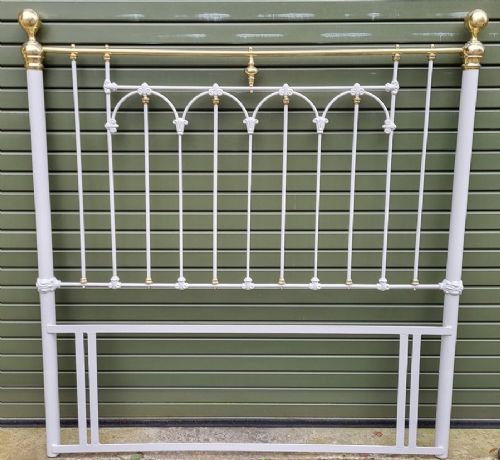
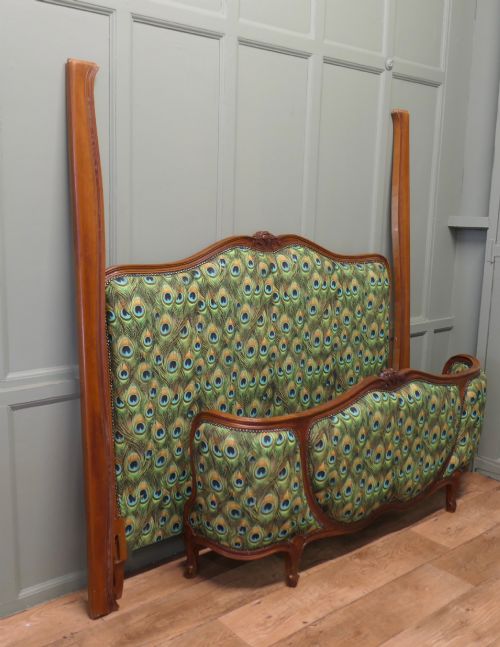
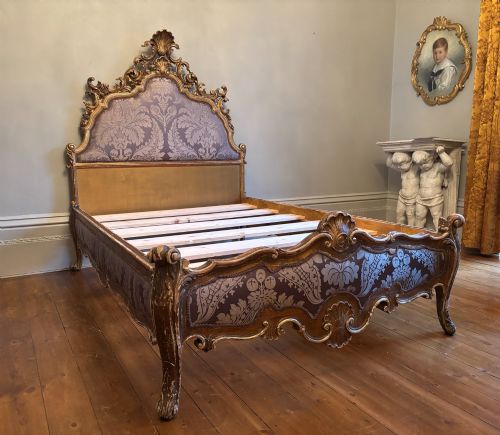
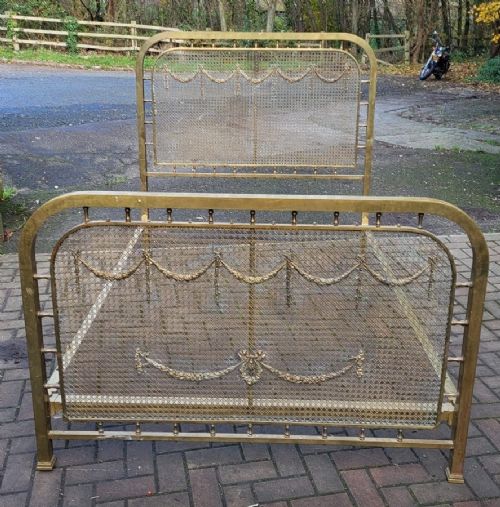
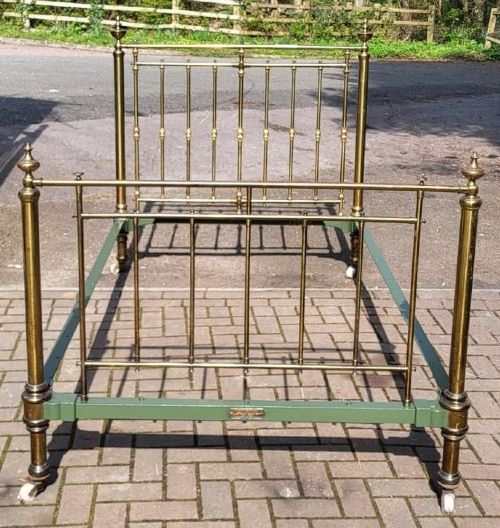
The search for an antique bed headboard leads to timber and metal frameworks originating from the nineteenth and early twentieth centuries. These pieces encompass various historical styles, ranging from Victorian brass and iron constructions to Edwardian mahogany bedsteads.
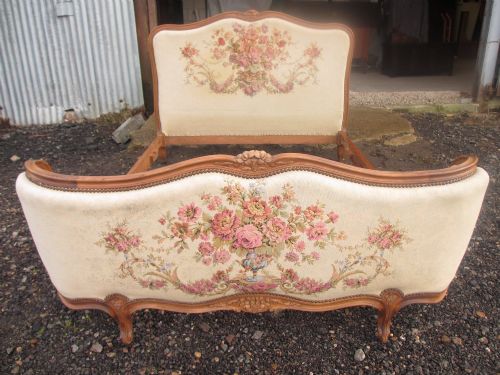
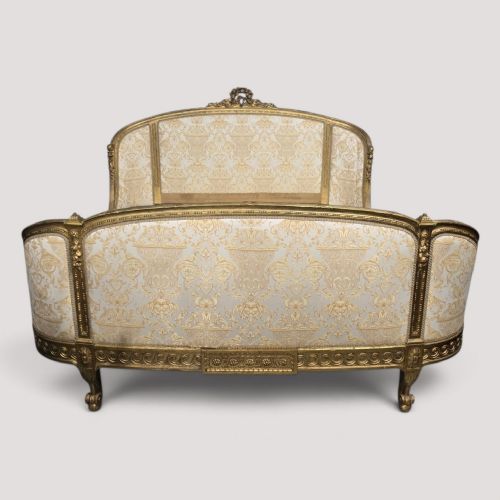
Buyers encounter single, double, and king-size formats spanning several decades of design. The selection includes French provincial styles, Arts and Crafts influences, and Art Deco lines.
Makers utilised durable woods and metals to construct these foundational bedroom pieces. Surviving examples demonstrate the enduring appeal of traditional bedstead manufacturing.
Materials and construction methods
Craftsmen built these structures using solid timbers like mahogany, walnut, and burr walnut alongside metals such as brass, cast iron, and wrought iron. Wood sections often featured carved details, mother-of-pearl inlay, or hand-painted finishes.
Metal frames combined cast iron components with polished brass or nickel-plated elements, frequently incorporating slotted frames and castors for mobility. Joinery methods relied on sturdy tongue-and-groove or bolted joints to support daily use.
Antique Bed Headboard Retail Price Guide 2026
Typical asking prices for bed headboard among the pieces listed under this phrase on Sellingantiques today, from the lower quarter to the upper quarter. They describe what is for sale here now, not the wider market.
Listings feature walnut, mahogany, brass, cast iron, and wrought iron across Victorian, Edwardian, and Art Deco periods.
Distinctions in quality
Superior examples display exhibition-quality casting in brass and iron, or finely figured burr walnut and mahogany veneers with precise hand-carving. The crispness of decorative mouldings and the integrity of original metal finishes define the upper tier of pieces.
Simpler models utilise plain cast iron or standard timber without ornamentation, reflecting utilitarian domestic production rather than bespoke workshop execution.
Heals·Winfield
The Antique Bed Headboard Glossary
- Bedstead
- A framework of a bed consisting of the headboard, footboard, and rails. This term often encompasses the entire structural support for a mattress.
- Tester
- A wooden or metal canopy positioned above a four-poster bed. It frequently holds drapery or fabric panels.
- Ormolu
- Gilded bronze or brass mounts applied to furniture for decoration. This technique appeared on refined period pieces.
- Bergere
- A closed-upholstered armchair or headboard panel featuring cane work. It became popular during various revival periods.
- Verdigris
- A green patina formed naturally on copper, brass, or bronze surfaces over time. It indicates age and atmospheric exposure on metal beds.
Antique Bed Headboard: Frequently Asked Questions
How do I measure an antique bed?
Measure the internal width between the side rails to determine the mattress size required. Historic sizing standards often differ from modern mattress dimensions.
Check the overall height of the headboard to ensure it fits comfortably within your bedroom ceiling height and window placement.
Can I attach these to modern beds?
Many historic bedsteads operate as complete integrated units rather than standalone panels meant for wall mounting. Adapting them requires custom brackets fitted to modern divan bases.
Consult a specialist joiner to modify the mounting points without damaging the original timber or metal structure.
How do I care for brass frames?
Dust metal frames regularly with a soft, dry cloth to prevent the accumulation of airborne particles. Avoid harsh chemical polishes that strip protective lacquers or vintage patinas.
Preserve the existing surface finish by applying microcrystalline wax sparingly to bare metal components.
What periods do these pieces span?
The listings encompass items from the nineteenth century through to the early twentieth century, capturing Victorian, Edwardian, and Art Deco eras.
Design influences range from seventeenth-century oak revivals to French provincial and Arts and Crafts movements.