


Antique Barware Accessory
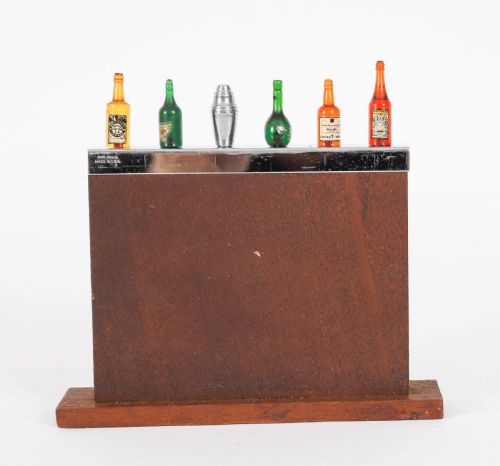
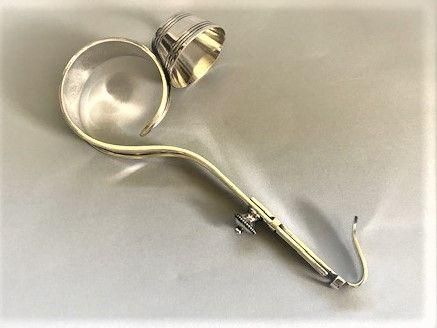
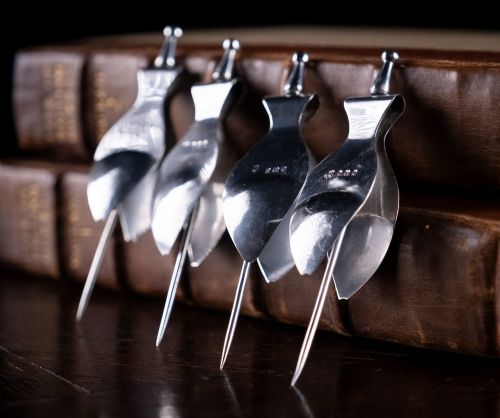
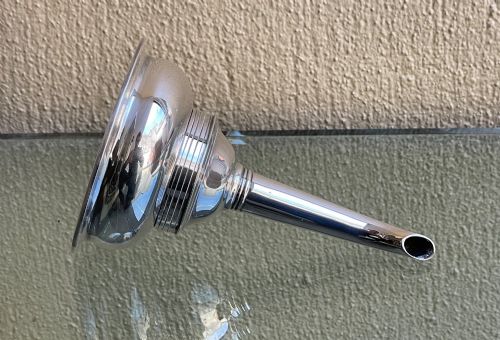
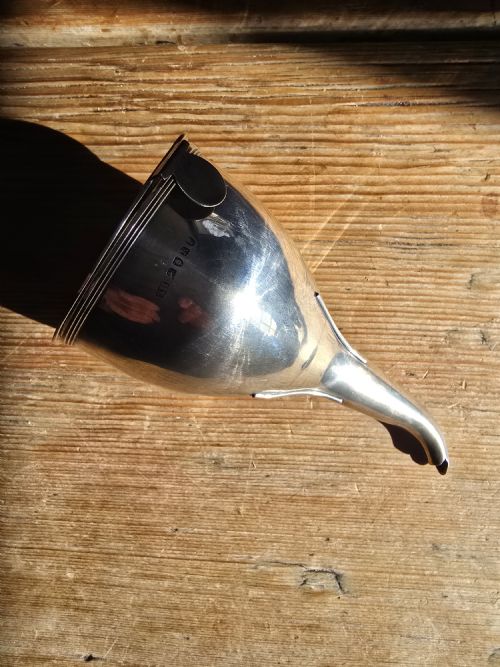
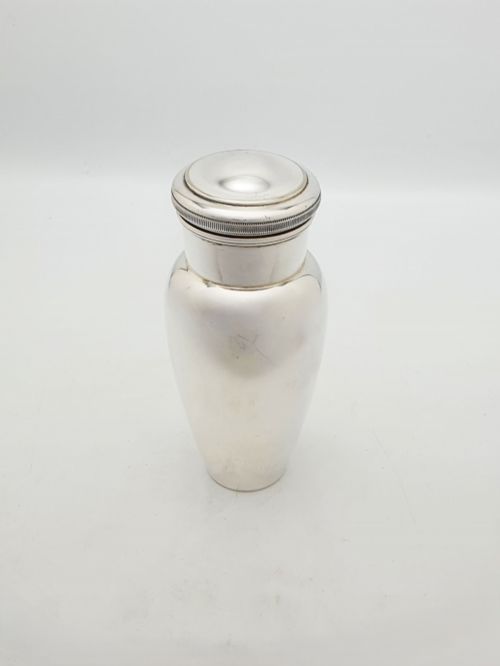
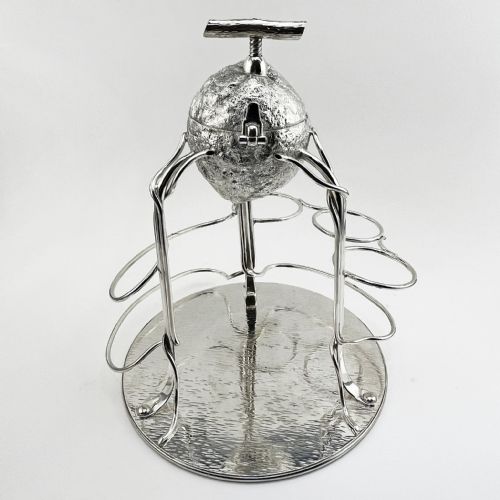
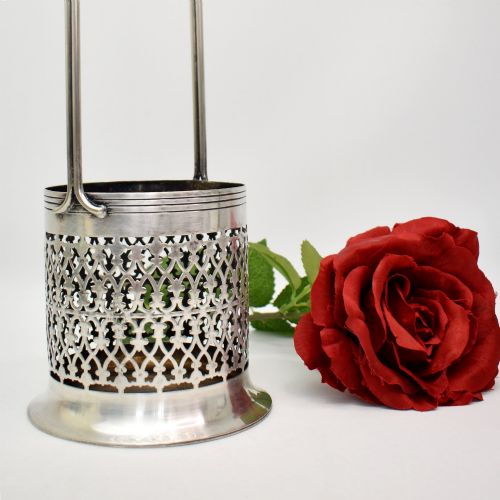
An antique barware accessory brings period character to a modern drinks trolley through items like cocktail shakers, wine funnels, and novel silver cocktail sticks.
Antique Barware Accessory
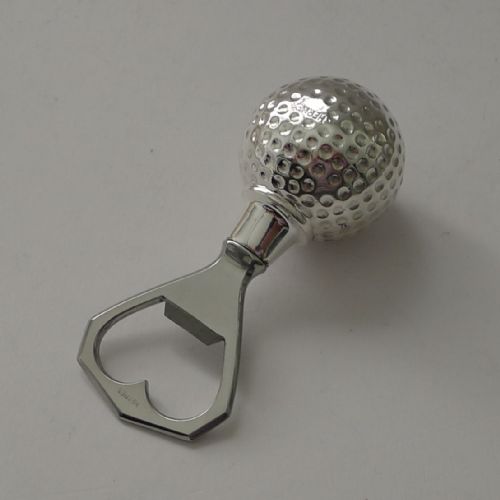
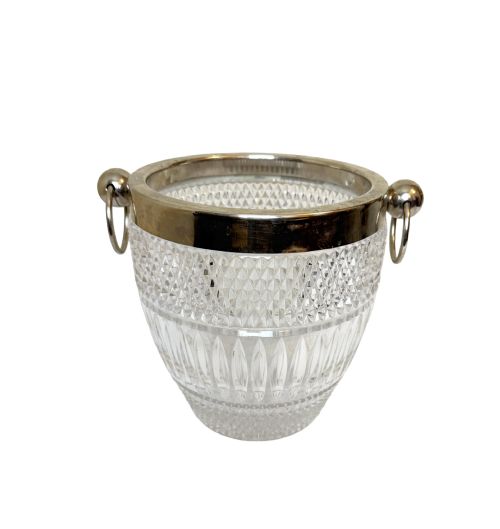
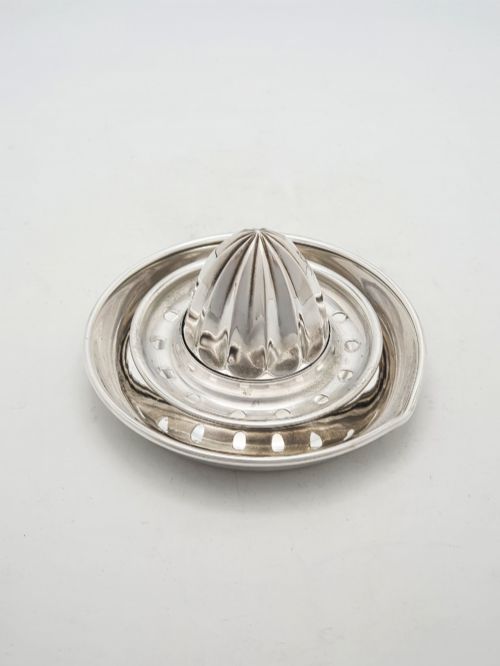
An antique barware accessory encompasses practical tools and novelties designed for serving wine, spirits, and mixed drinks across multiple eras. When exploring this phrase, buyers encounter items ranging from Georgian silver decanter labels to Edwardian champagne bottle holders and Art Deco cocktail shakers.
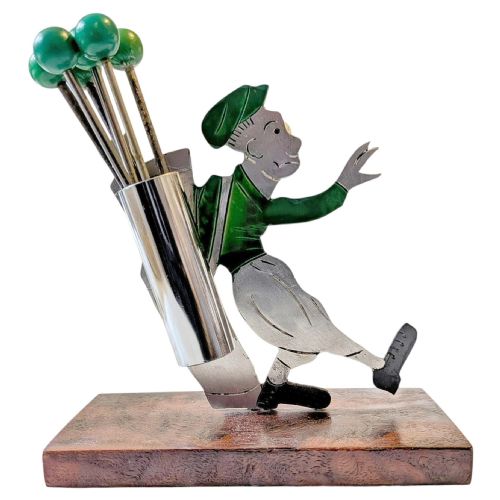
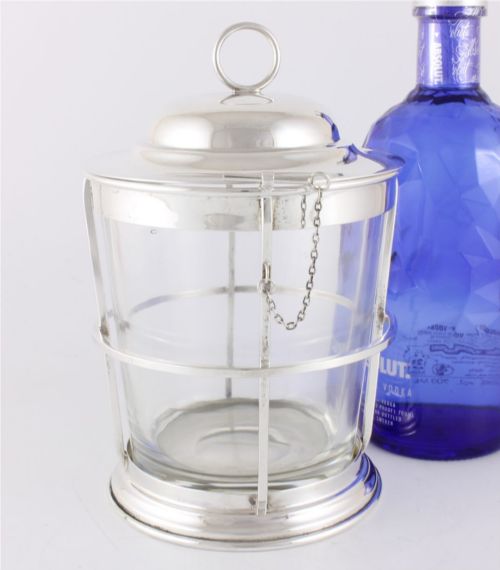
The selections span distinct periods including Georgian, Victorian, Edwardian, and mid-century decades, with the 1920s and 1930s providing a strong concentration of Art Deco designs. Common forms include ice buckets, wine funnels, hip flasks, and novelty cocktail stick sets featuring figures or birds.
Originating from British, French, and other European makers, these objects reflect changing social habits surrounding dining and entertaining. Buyers choose specific accessories to match historical interior styles like Gothic Revival or to introduce mid-century modernist forms to a home bar.
Materials and Craftsmanship
Makers utilised sterling silver and silver plate, alongside electroplated nickel silver, to shape sturdy frames for items such as cocktail shakers, tongs, and bottle holders. Metal components often combine with cut glass liners, wooden bases, or leather wraps to create textured, durable drink service pieces.
Art Deco and later pieces frequently incorporate coloured enamel, Bakelite, and novelty elements like bird claws or novelty character figures on cocktail sticks. Georgian and Victorian examples rely on hand-cut crystal, heavy cast silver, and precise engraving for decanter labels and wine funnels.
Antique Barware Accessory Retail Price Guide 2026
Typical asking prices for barware accessory among the pieces listed under this phrase on Sellingantiques today, from the lower quarter to the upper quarter. They describe what is for sale here now, not the wider market.
Listings feature silver plate, sterling silver, cut glass, wood, and enamel across Georgian to mid-century periods.
Judging Quality
Quality rests upon the crispness of casting and engraving, particularly on novelty cocktail sticks, decanter labels, and silver wine funnels where fine detail defines the maker's skill. Pieces designed by notable manufacturers or identifiable silversmiths display superior balance and finish in their metalwork.
The integrity of combined materials, such as the snug fit of a cut glass liner within a silver-plated ice bucket or the preservation of enamel on cocktail sets, separates standard production items from finer examples. Wear on silver plating or loss of original components alters the aesthetic integrity of the piece.
Sudre·PH Vogel·Richard Comyns·Lowe & Sone·Solomon Hougham·Hukin & Heath·Brook & Son·Keith Murray·J. B. Chatterley & Sons·James Dixon & Sons·Asprey
The Antique Barware Accessory Glossary
- Wine funnel
- A conical implement with a removable strainer used in Georgian and later periods to decant wine while catching sediment.
- Electroplated nickel silver
- A base metal alloy coated with a layer of silver, commonly abbreviated as EPNS on early twentieth-century bar pieces.
- Tantulus
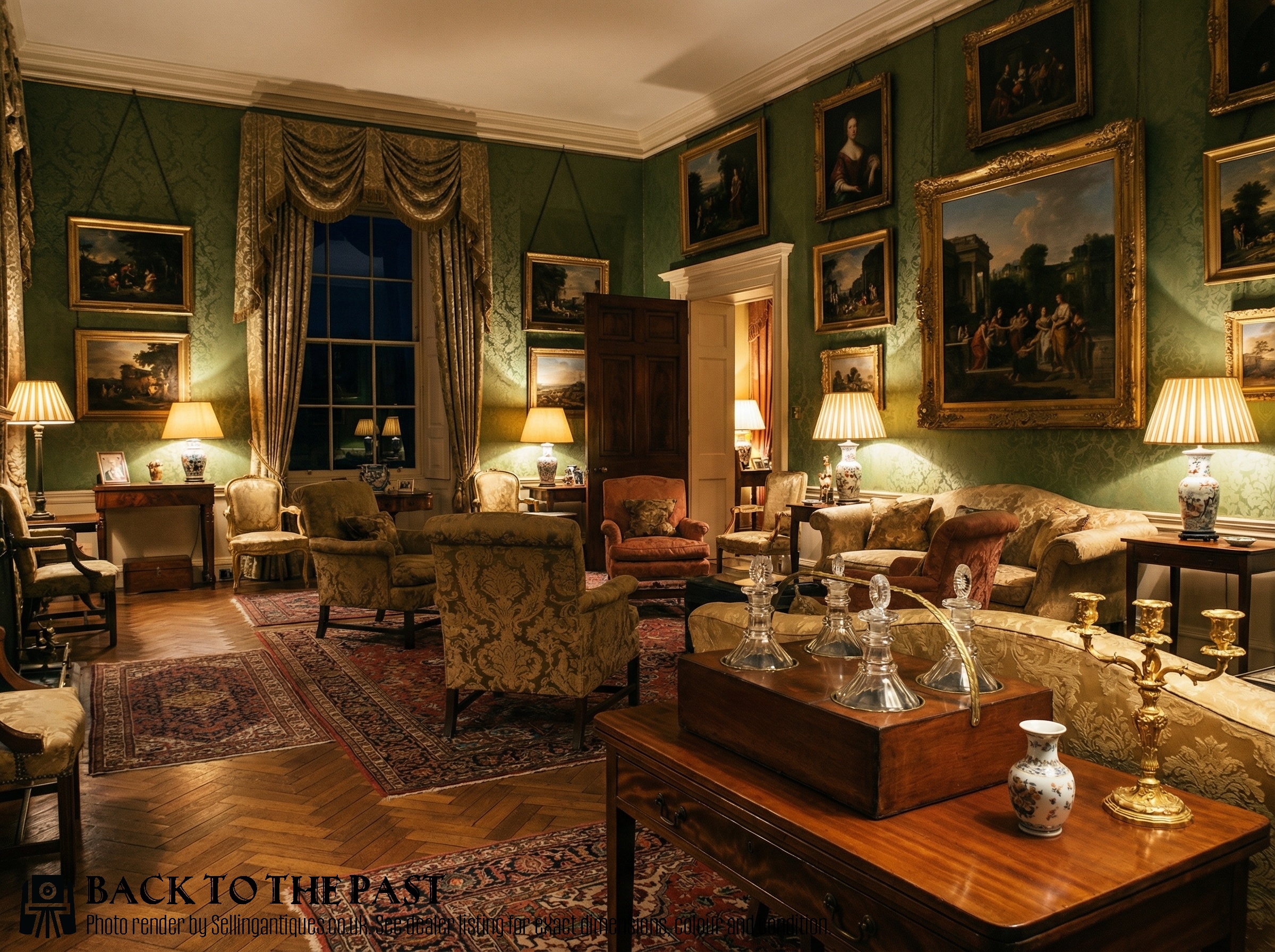
- A locking wooden frame holding spirit decanters visibly inside to prevent unauthorised access during the Victorian and Edwardian eras.
- Toddy lifter
- A small glass tube used in the Georgian period to transfer hot punch from a bowl to a glass by thumb suction.
Antique Barware Accessory: Frequently Asked Questions
What is an antique barware accessory used for?
These items serve practical and decorative functions in drink preparation and presentation, ranging from aerating wine to mixing cocktails.
Collectors utilise them on modern home bars to replicate historical entertaining customs.
How do I identify an Art Deco cocktail shaker?
Art Deco shakers typically feature geometric silhouettes, streamlined metal surfaces, and accents in Bakelite or coloured enamel.
They emerged strongly during the 1920s and 1930s alongside the rise of cocktail culture.
What materials are common in silver plate barware?
Manufacturers used a base metal core, often electroplated nickel silver, covered with a layer of fine silver.
Cut glass, wood, and leather frequently accompany the metal elements in ice buckets and flasks.
How should I clean antique silver barware?
Gentle washing in warm soapy water with a soft cloth preserves the original metal surface and any delicate glass liners.
Harsh abrasive dips should be avoided to protect antique silver plating and enamel details.