



Antique Baroque Chest
An antique baroque chest provides grand presence through rich walnut, intricate marquetry and robust architectural form.
Antique Baroque Chest
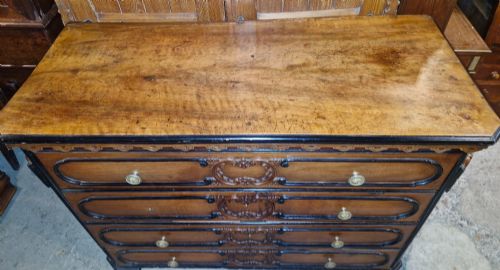
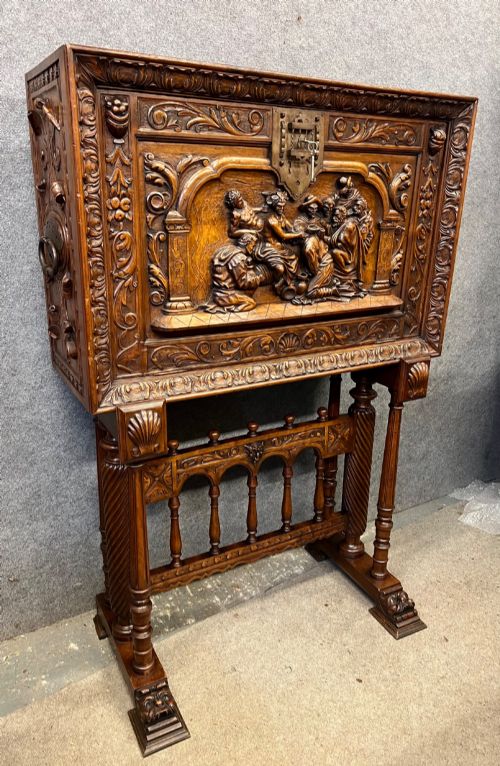
When searching for an antique baroque chest, buyers encounter substantial pieces originating primarily from the seventeenth and eighteenth centuries across various European centres.
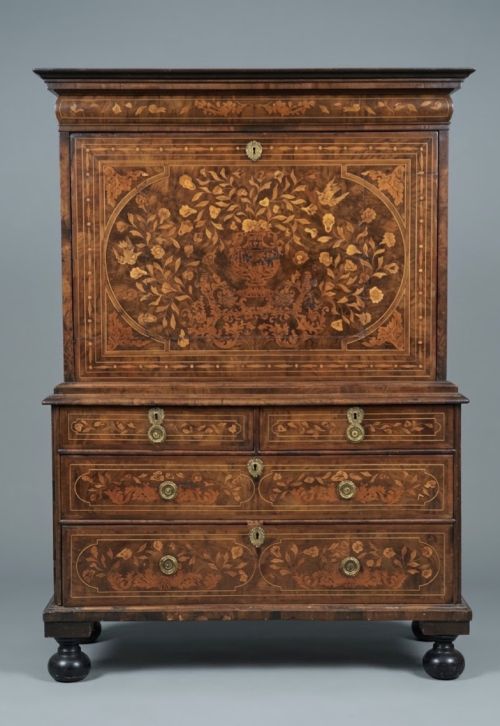
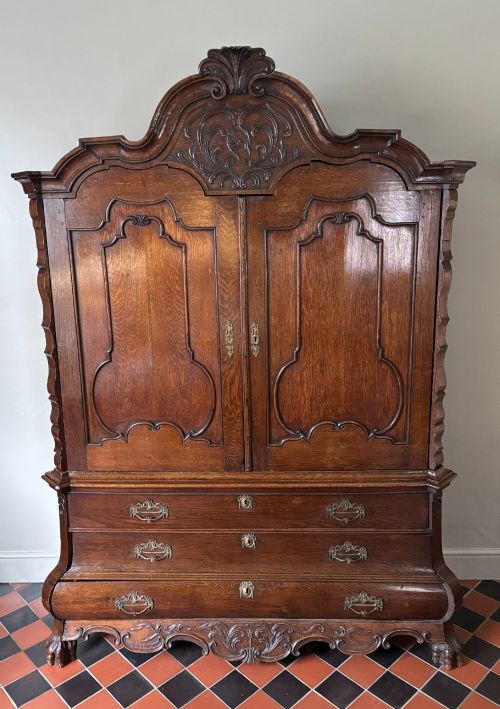
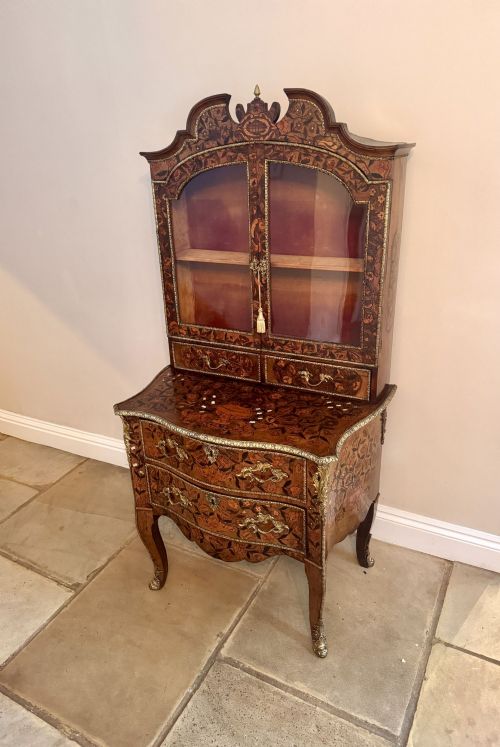
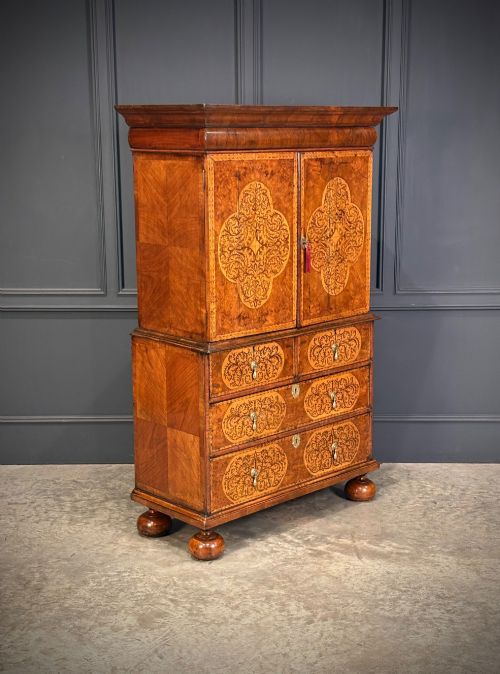
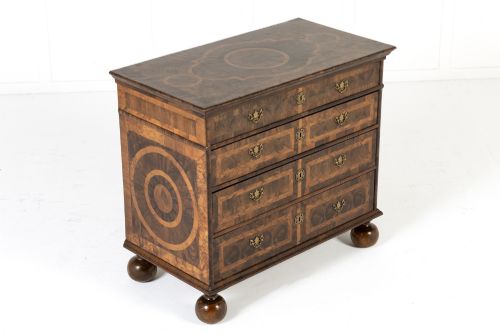
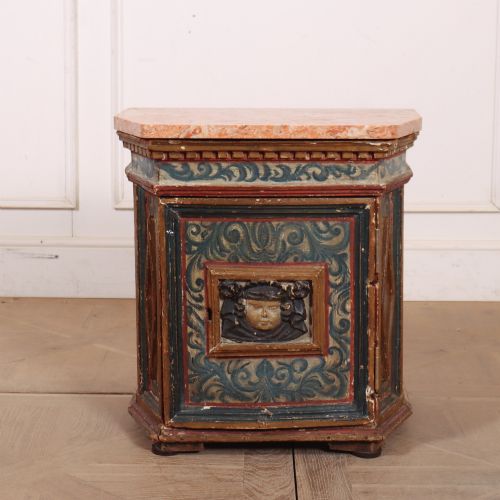
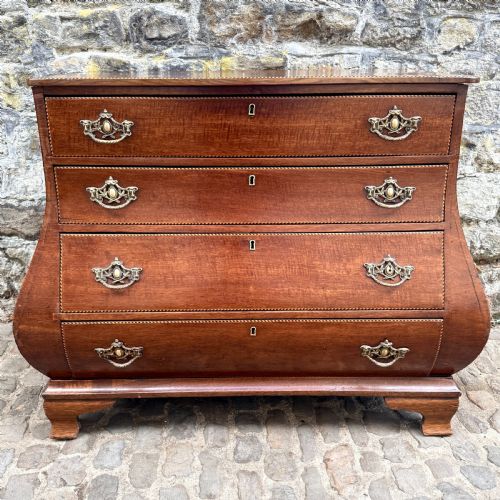
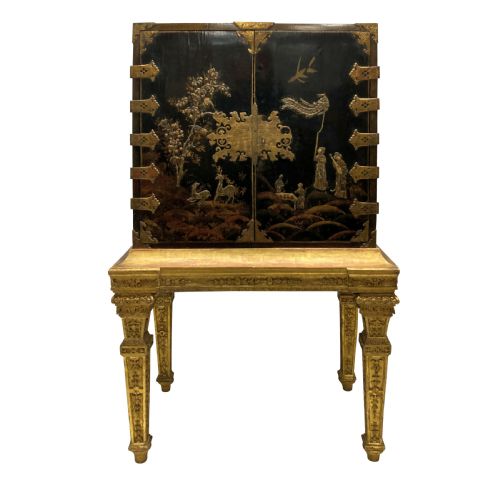
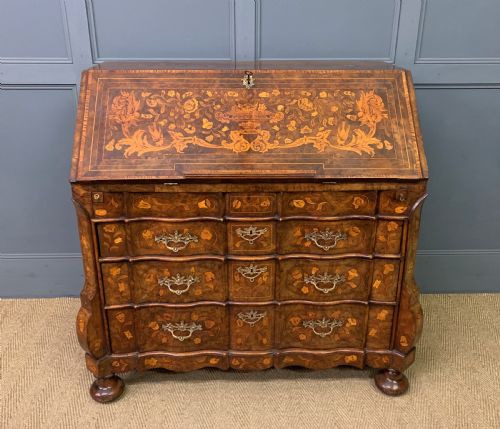
The selections available range from Dutch marquetry bombé chests and Italian commodes to cabinet pieces raised on stands, reflecting distinct regional interpretations of the style.
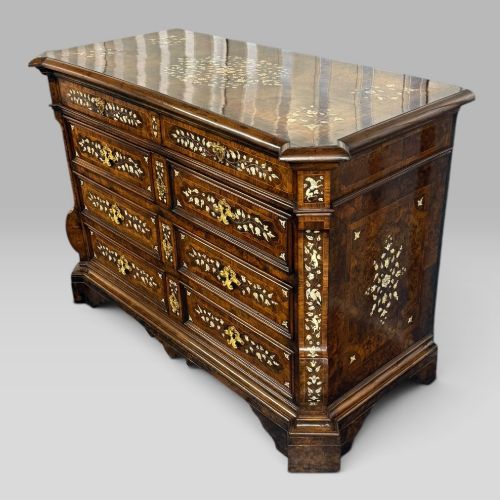
Makers utilised walnut, burr walnut and fruitwood, frequently incorporating floral inlay, pewter or ivory to articulate the substantial forms.
How they were made
Cabinetmakers constructed carcass frames in oak or pine, applying veneers of walnut, burr walnut, rosewood or kingwood to create figured surfaces.
Decoration relied heavily on marquetry inlay using fruitwoods, pewter, bone and ivory, alongside tortoiseshell and bronze mounts on specific regional pieces.
Antique Baroque Chest Retail Price Guide 2026
Typical asking prices for baroque chest among the pieces listed under this phrase on Sellingantiques today, from the lower quarter to the upper quarter. They describe what is for sale here now, not the wider market.
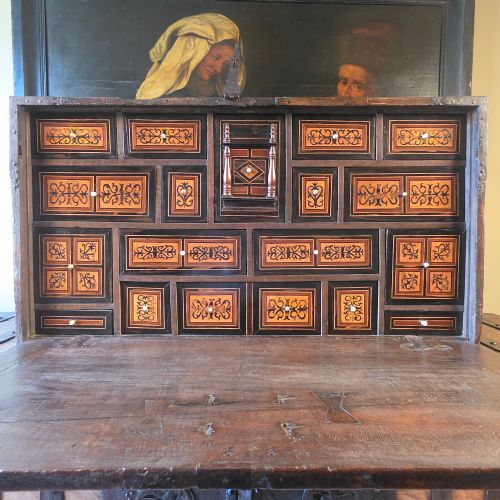
Secret drawers tucked within these chests provided owners a concealed space to hide private letters and small valuables.
What varies in quality
Excellence in these pieces rests on the precision of the marquetry and the choice of burl or figured veneers across the exterior surfaces.
The integration of structural elements like secret drawers, carved feet, and the proportion of the stand relative to the upper cabinet distinguish superior examples.
Edwards & Roberts·Grand Ducal Workshops
The Antique Baroque Chest Glossary
- Marquetry
- Decorative veneer work forming patterns or pictures on a wooden surface. Craftsmen cut contrasting woods and other materials to fit precisely into a prepared ground.
- Bombe
- An outward-swelling, bulging contour found on furniture sides and drawer fronts. This swelling shape characterises specific Dutch and continental forms.
- Bargueño
- A type of portable desk or cabinet fitted with numerous small drawers behind a drop-front. These Spanish pieces typically rest on a separate stand.
- Commode
- A low chest of drawers developed in France and adopted across Europe during the period. They usually stand on prominent legs rather than reaching the floor.
- Casket
- A small decorative box for storing valuables, jewellery or documents. These objects often employ fine materials such as tortoiseshell and ebony.
Antique Baroque Chest: Frequently Asked Questions
What periods do these pieces date from?
The pieces span primarily from the seventeenth and eighteenth centuries, with occasional nineteenth-century revival examples.
Craftsmen across countries such as Italy, Germany, Spain, and the Netherlands produced these substantial items during the height of the baroque period.
How do Dutch and Italian chests differ?
Dutch examples frequently utilise elaborate floral marquetry and often feature the rounded bombe profile with claw feet.
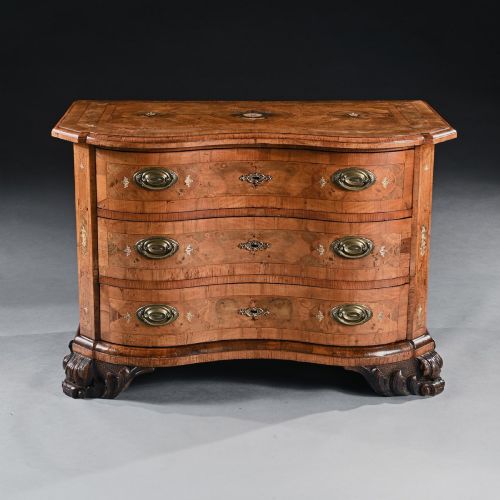
Italian pieces lean towards walnut surfaces, architectural proportions, and serpentine fronts with carved detailing or painted finishes.
What is a cabinet on stand?
A cabinet on stand consists of a large upper storage section mounted upon a separate, supporting base with legs.
This form elevates the primary storage space and allows craftsmen to introduce contrasting leg designs and stretchers.
How do I care for walnut veneer?
Walnut veneer requires stable indoor humidity and protection from direct sunlight to prevent drying and fading.
Applying microcrystalline wax periodically helps maintain the finish and protects the historic wood surfaces.