


Antique Banqueting Table
An antique banqueting table is a grand dining centrepiece built to seat large parties in style, offering remarkable timber and adaptable length.

What an antique banqueting table is
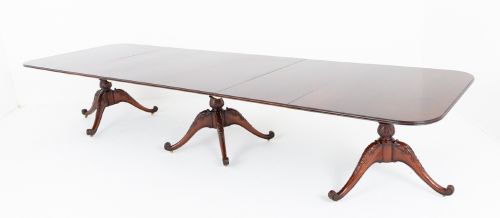
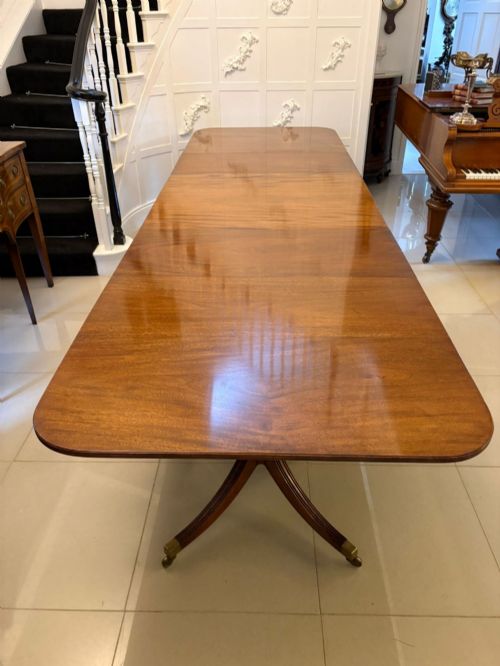
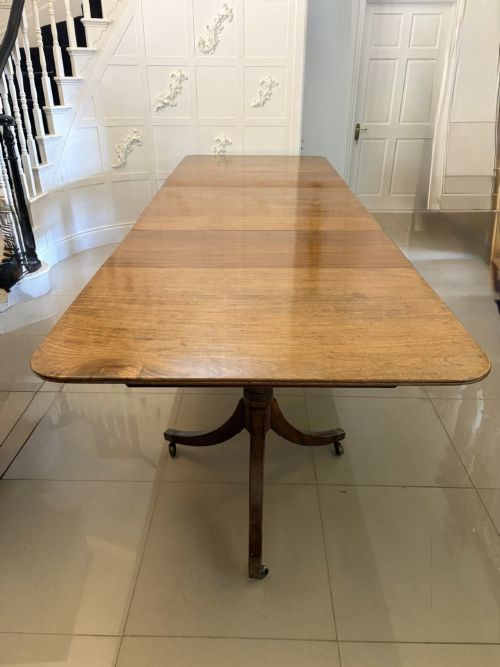
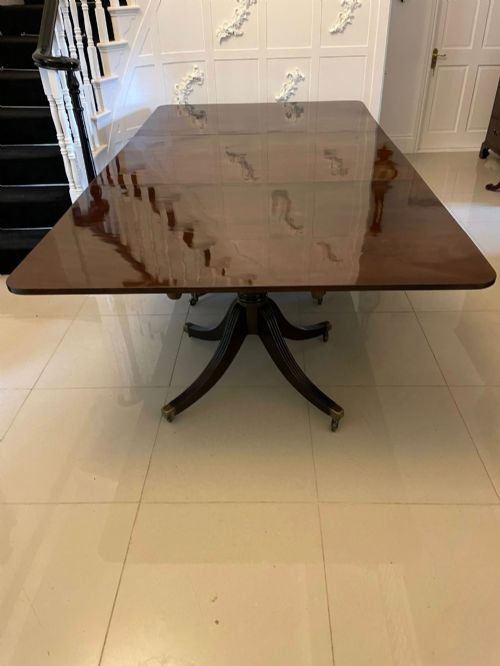
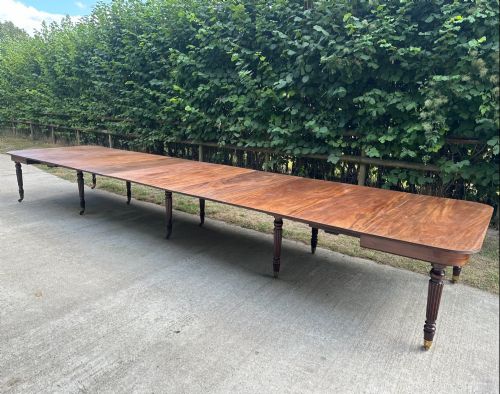
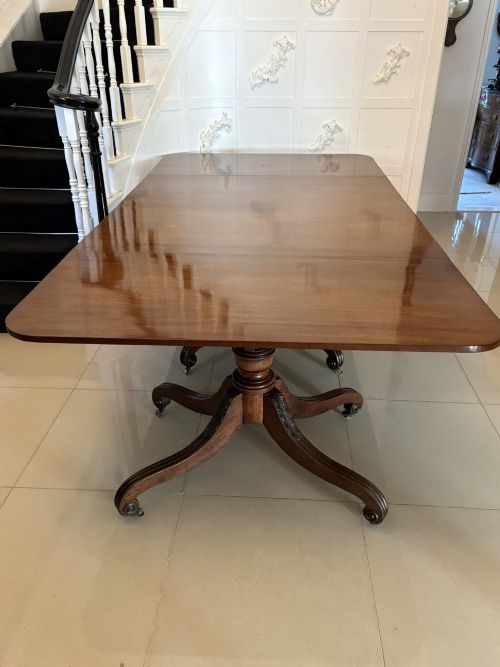
An antique banqueting table is a substantial dining piece designed to accommodate large gatherings with ease. Buyers searching this phrase encounter impressive extending formats capable of seating fourteen to twenty-four guests.
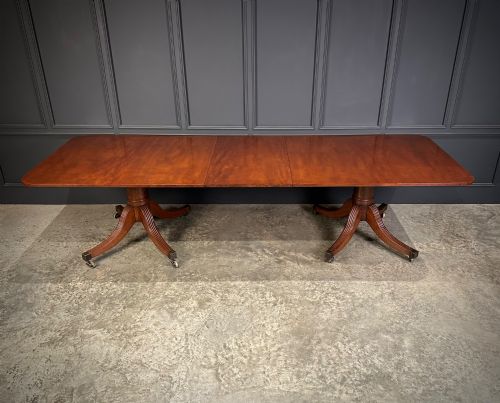
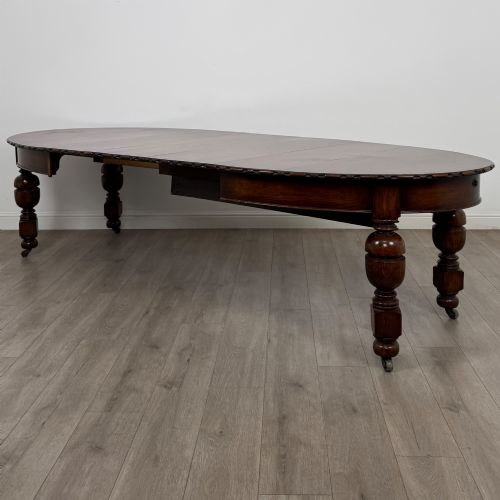
Makers from these eras employed flexible pedestal and D-end configurations to allow hosts to adjust the table length for smaller or larger banquets. These formats combine formal presence with practical utility for modern entertaining.
How they were made
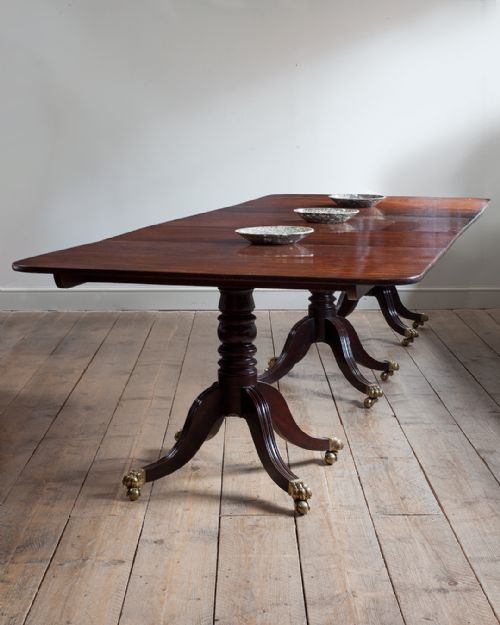
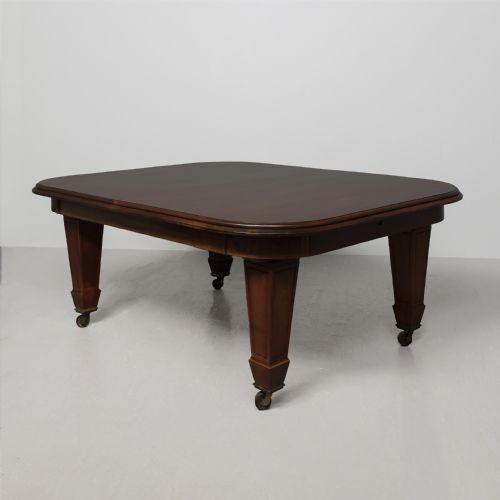
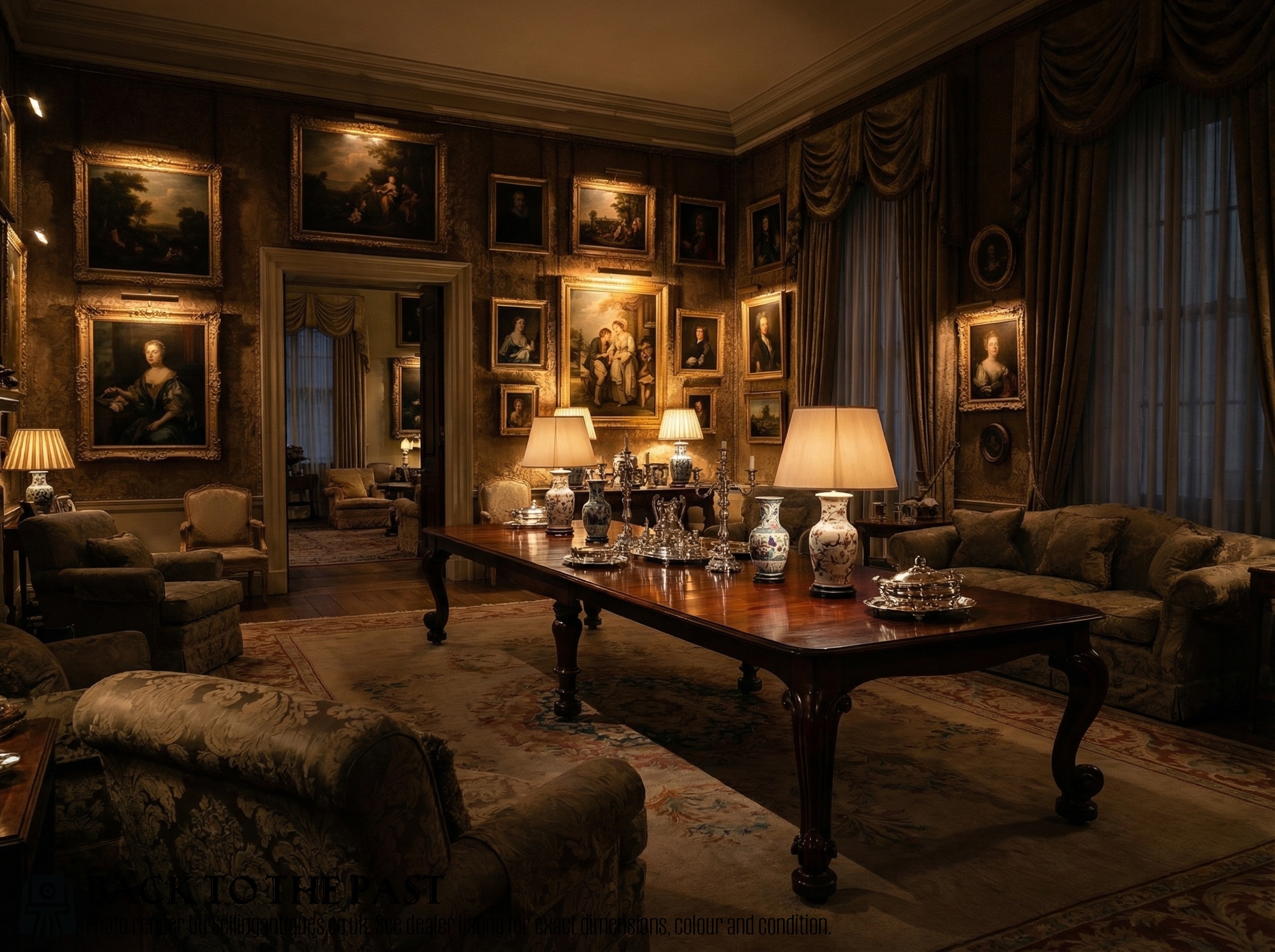
Cabinet makers constructed these banqueting tables primarily using solid and figured mahogany, often selecting Cuban mahogany for its deep grain and rich tone. Brass components such as castors and extension mechanisms frequently appear to support the heavy timber frames.
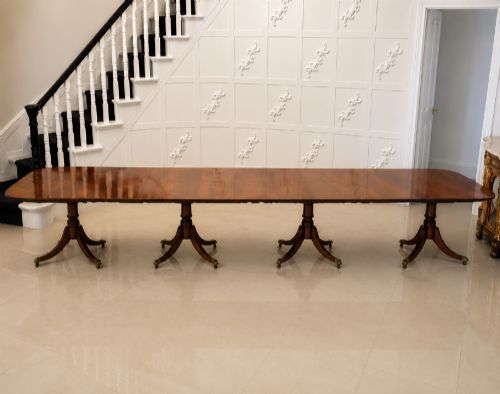
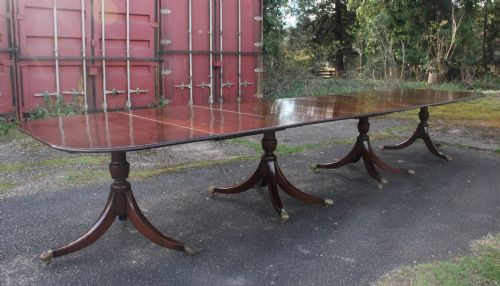
Construction techniques focused on multi-pillar and four-pedestal designs, paired with D-end sections that allowed leaves to be added or removed securely. These robust wooden frameworks ensured stability across extended lengths without sagging.
Retail Price Guide 2026
Typical UK retail prices for banqueting table, calculated from the Sellingantiques database of over a million retail prices indexed since 2003. This retail price guide relies exclusively on Sellingantiques data; no external sources or auction records are used, so the figures do not describe the wider market.
Some tables require twenty-four seats, ensuring your dinner guests will need field glasses to pass the salt.
What varies in quality
Quality in an antique banqueting table rests upon the selection of timber and the precision of the extending mechanism. Finer examples display beautifully figured mahogany veneers or solid boards with deep, consistent colour.
The distinction between standard workshop production and master maker output lies in the crispness of the carving, the elegance of the pedestal supports, and the smooth operation of the leaves. Maker attributions, such as Gillows or the manner of Robert Adam, elevate the standing of a piece significantly.
The Antique Banqueting Table Glossary
- D-End
- A table end shaped like a semi-circle or capital letter D, popular in Georgian and Regency dining furniture. These sections often detach to form side consoles when the table is shortened.
- Extending Table
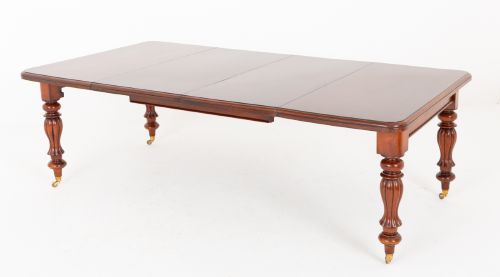
- A dining table designed with removable leaves and internal runners to increase its overall length. This mechanism allowed large households to adapt furniture for varying numbers of guests.
- Pedestal
- A central column support resting on splayed legs, often fitted with brass castors. Multiple pedestals provided necessary weight distribution for very long banqueting tables.
- Cuban Mahogany
- A dense, dark timber harvested in the Caribbean and prized for cabinet making from the eighteenth century onwards. Its heavy figure and rich patina mark out superior furniture.
- George III
- The stylistic period spanning the long reign of the third king, encompassing refined neoclassical lines and balanced proportions. Furniture from this era emphasises architectural symmetry and restrained ornament.
Frequently Asked Questions
How many people can sit at a banqueting table?
These large dining tables typically seat anywhere from fourteen to twenty-four guests depending on the number of pedestals and inserted leaves. The extended length makes them ideal for hosting substantial dinner parties.
Buyers should measure their dining space carefully, allowing ample room around the perimeter for chairs to pull out comfortably when the table is fully opened.
How do multi-pillar tables extend?
Multi-pillar dining tables utilise a series of wooden pedestals beneath the top, often working alongside sliding mechanisms and drop-in leaves. This design distributes the weight of heavy mahogany boards evenly across the floor.
Additional leaves are stored separately and slotted into the centre of the table as required by the host.
How do I identify a Regency table?
Regency dining tables often display bold mahogany grains, brass paw castors, and robust pedestal supports influenced by classical Greek and Roman motifs. The styling moves away from ornate carving towards clean architectural lines.
Attributions to known workshops like Gillows provide a strong indication of period authenticity and high craftsmanship.