





Antique Austrian Desk Bronze
These pieces of antique austrian desk bronze bring charm and character to any workspace through miniature animal figures, lamps, and inkwells.
Antique Austrian Desk Bronze
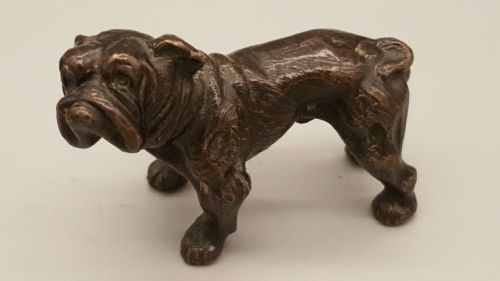
When you search for antique austrian desk bronze, you encounter small decorative works made in Austria during the nineteenth and early twentieth centuries. These objects combine utility with sculpture, serving practical roles on writing furniture while displaying high artistry.
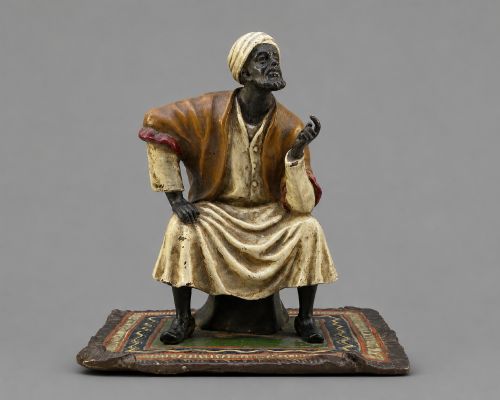
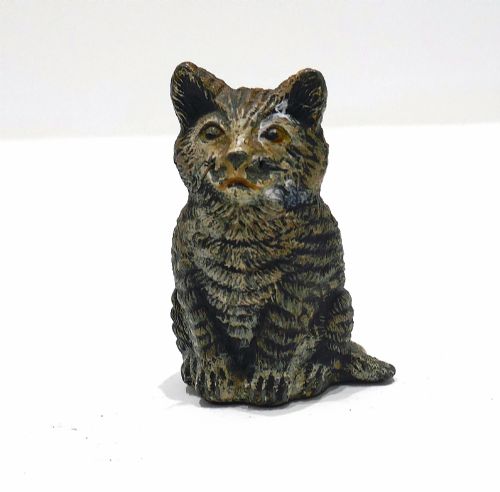
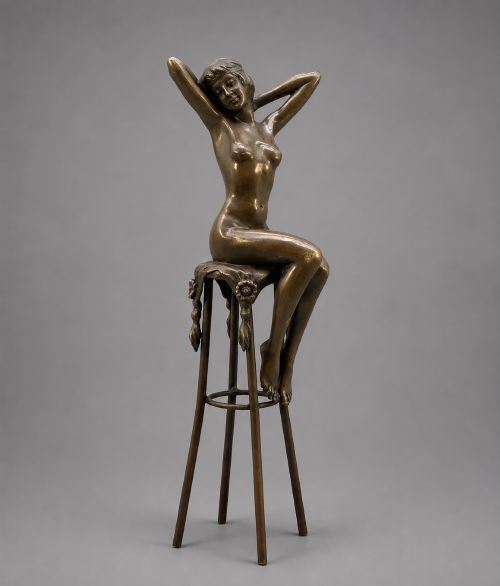
The selections on this page span several decades from the Victorian era through the Art Deco and Art Nouveau movements. You meet animals, human figures, and functional desk accessories designed to sit beside inkwells and blotters.
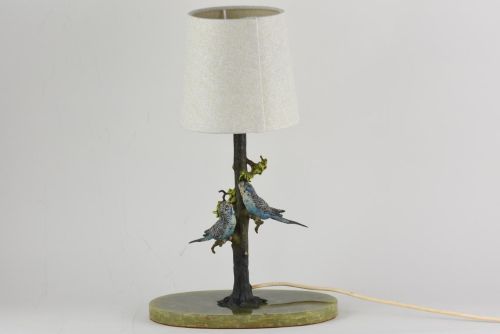
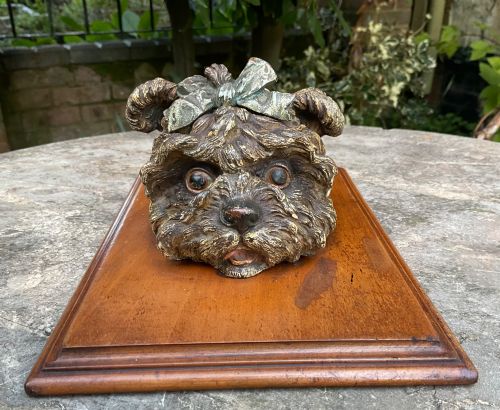
Common forms include paper clips, pen trays, inkwells, and small lamps mounted on marble or onyx bases. Each piece reflects the whimsical or naturalistic taste of Viennese workshops from the period.
Materials and methods
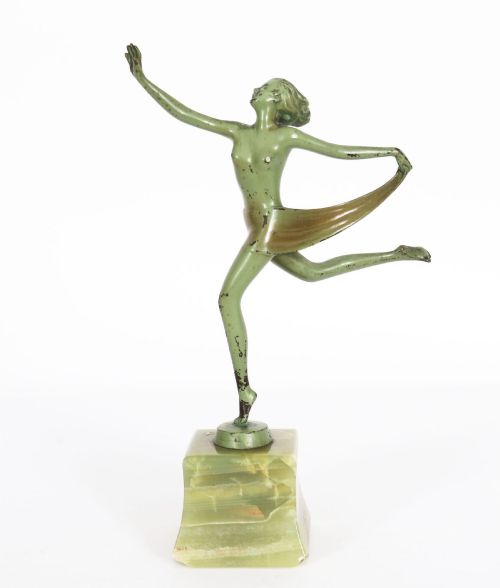
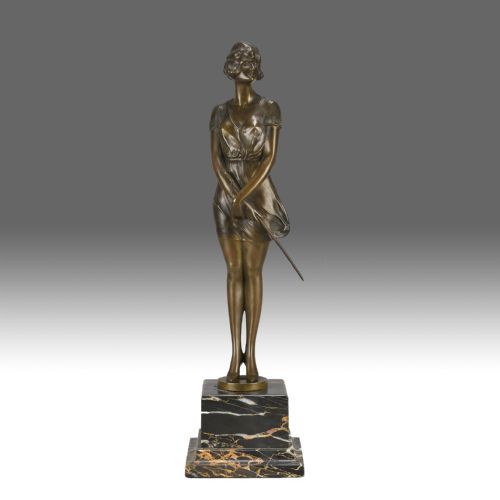
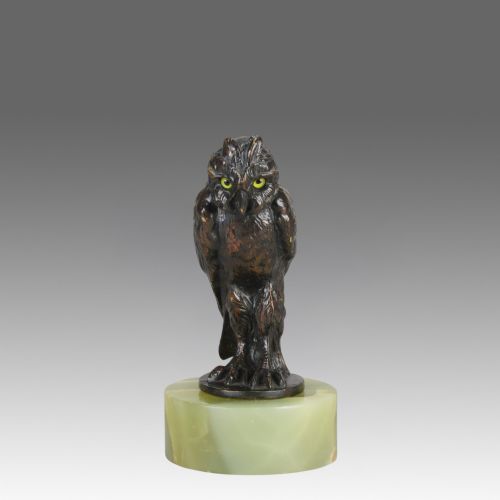
Maker workshops cast these figures in bronze or cast metal, often mounting the completed metal sculptures onto heavy plinths of green onyx or marble. The weight of stone bases provided stability for functional items like paper clips and inkwells.
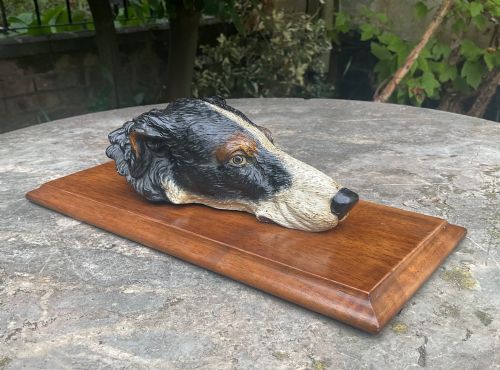
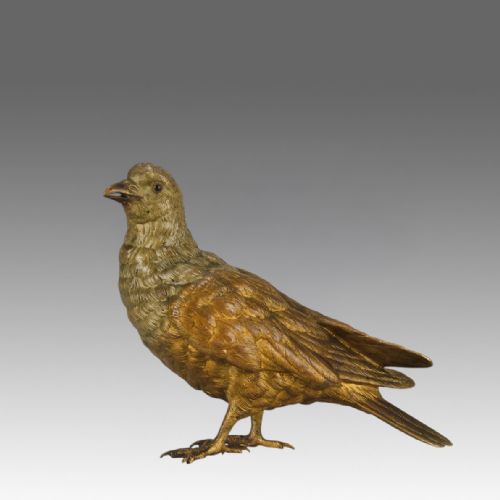
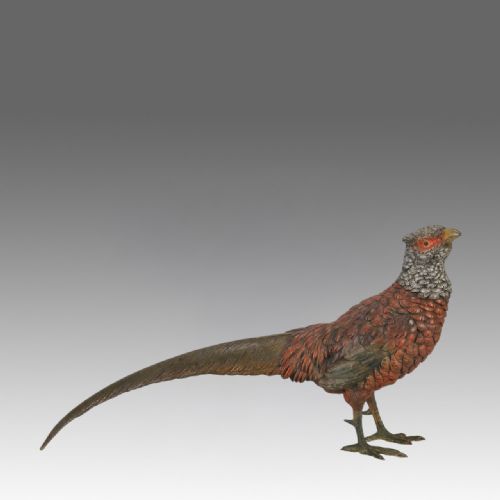
Many examples utilise the cold-painted technique, applying layers of oil-based paint to the unheated metal surface after casting. This method produces vivid coloration on birds, dogs, and human figures, though the paint remains susceptible to chipping over time.
Antique Austrian Desk Bronze Retail Price Guide 2026
Typical asking prices for austrian desk bronze among the pieces listed under this phrase on Sellingantiques today, from the lower quarter to the upper quarter. They describe what is for sale here now, not the wider market.
A tiny bronze frog sits patiently among the desk accessories, proving that Victorian stationery could display a sense of humour.
Judgements of quality
Quality rests in the crispness of the casting detail and the preservation of the original cold-painted surface. Finer examples display meticulous feather and fur definition alongside intact, vibrant pigments.
The artistic attribution and signature influence the standing of a piece within the range. Works bearing recognizable workshop marks or attributed to noted modellers command greater attention from collectors.
Franz Bergman·Josef Lorenzl·Rudolf Küchler·Bruno Zach·Carl Kauba·Franz Xavier Bergman
The Antique Austrian Desk Bronze Glossary
- Cold-painted bronze
- Bronze sculpture decorated with layers of paint applied without heat. This technique creates realistic animal plumage and costume details.
- Vienna bronze
- Small, detailed bronze figures produced in Austrian workshops during the late nineteenth and early twentieth centuries. These works frequently depict animals or Orientalist human subjects.
- Desk tidy
- A desk accessory featuring compartments or clips for holding pens, paper, and small stationery items. Many incorporate bronze animal sculptures as handles or ornaments.
- Animalier
- A nineteenth-century artistic style focused on the realistic depiction of animals. Sculptors in this tradition studied animal anatomy closely.
- Onyx base
- A polished stone plinth used to mount small bronzes. This adds physical weight and colour contrast to desk ornaments.
Antique Austrian Desk Bronze: Frequently Asked Questions
What is cold-painted bronze?
Cold-painted bronze refers to metal sculptures that are painted with oil-based colours after casting, rather than having pigments fired into a glaze. This allows for intricate multi-coloured details on small animal and human figures.
Over the decades, handling and cleaning can cause this paint layer to show wear. Collectors look for pieces where the original colour remains largely intact.
How were these desk items used?
These bronze objects served practical functions on nineteenth and early twentieth-century writing desks. Items functioned as inkwells, paper clips, pen rests, and small desk lamps.
Their dual role as functional stationery and detailed sculpture made them popular gifts and executive desk accessories during the period.
How do I identify an Austrian bronze?
Austrian bronzes from this era often feature distinctive naturalistic modelling, particularly of animals, birds, and human figures in motion. Many pieces incorporate maker stamps, foundry marks, or signatures from notable Viennese workshops.
Mounting on contrasting green onyx or marble bases is another common characteristic of desk accessories from this origin.
How should I clean my bronze desk accessory?
Dust bronze sculptures gently with a soft, dry brush to avoid disturbing any remaining surface paint. Moisture and harsh cleaning agents can damage cold-painted finishes permanently.
Stone bases can be wiped carefully with a damp cloth, taking care not to let water touch the metal or painted surfaces.