



Antique Asian Trinket Box
An antique asian trinket box holds small keepsakes with a craftsmanship rooted in centuries of wood, lacquer, silver, and enamel traditions.
Antique Asian Trinket Box
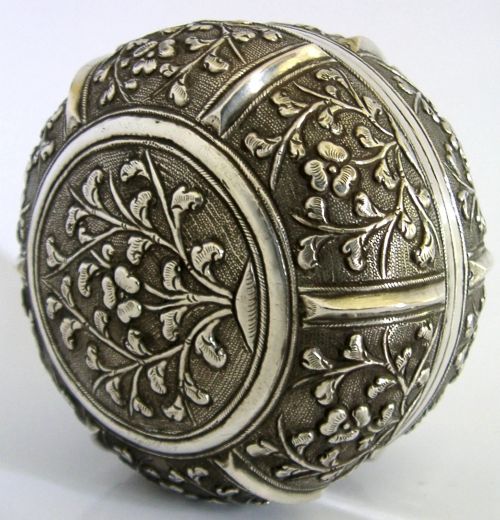
An antique asian trinket box encompasses small lidded containers, jewellery cases, and snuff boxes originating from diverse regions across Asia. These objects serve both practical storage and decorative purposes, designed to hold precious personal items.
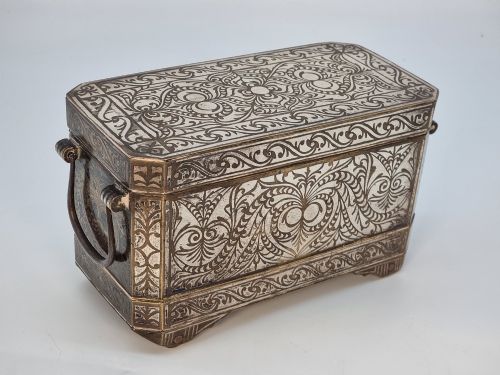
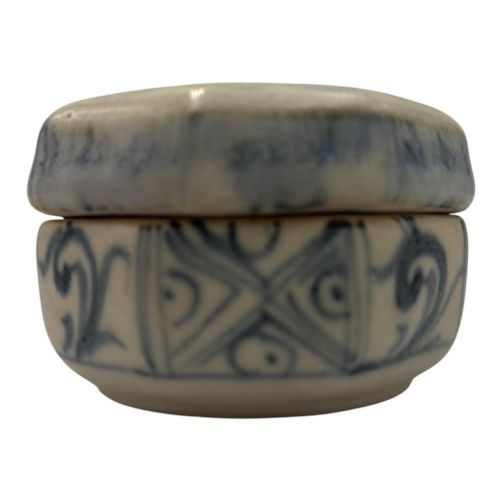
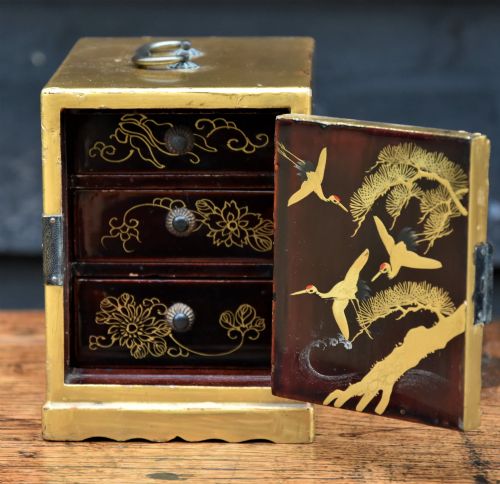
The selections span multiple centuries, ranging from early ceramic covered boxes of the Lê Dynasty to intricate Japanese Meiji period lacquerwork and Chinese export silver. Wood, lacquer, and metal represent the primary forms encountered.
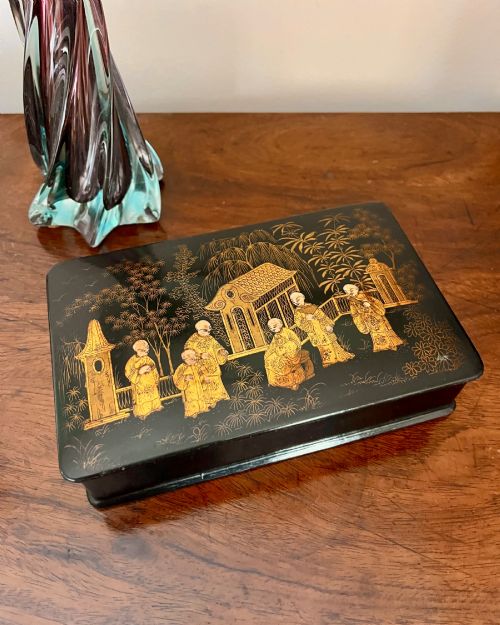
Collectors frequently encounter pieces influenced by regional exchange, such as Chinoiserie and Asian export wares made for Western markets alongside domestic items.
Materials and Construction Techniques
Wood serves as a fundamental substrate, often enhanced with layers of lacquer or inlaid with mother of pearl and hardwood details.
Metalworking techniques include repoussé, silver inlay on bronze, and detailed cloisonne enamel work fused to copper or brass bases.
Ceramic boxes utilise traditional potting methods, decorated with cobalt blue underglaze during earlier dynasties.
Antique Asian Trinket Box Retail Price Guide 2026
Typical asking prices for asian trinket box among the pieces listed under this phrase on Sellingantiques today, from the lower quarter to the upper quarter. They describe what is for sale here now, not the wider market.
Listings feature items spanning from the 16th century Lê Dynasty to early 20th century export silver pieces.
Markers of Quality and Execution
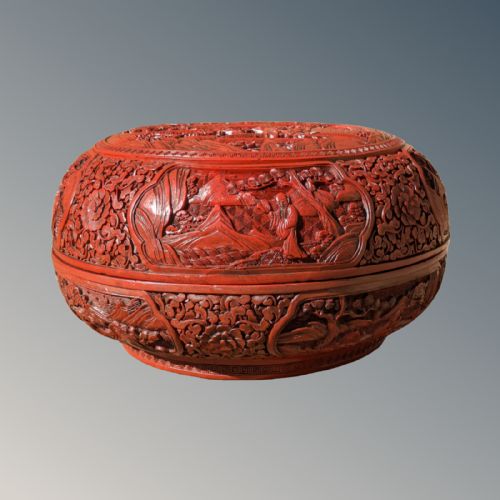
The depth and precision of carving on cinnabar lacquer or the tightness of fit between lid and base distinguish superior examples from standard production.
In metalwork, the clarity of cloisonné wirework and the crispness of chased silver or niello decoration dictate the overall refinement of the piece.
The Antique Asian Trinket Box Glossary
- Cinnabar lacquer
- A technique involving multiple layers of carved red lacquer built up over a wooden core. It allows artisans to carve intricate figurative or floral motifs into the hardened surface.
- Cloisonne
- An ancient enamelwork method where thin metal wires form compartments on a metal body. These cells are filled with coloured glass paste and fired.
- Niello
- A black metallic alloy used as an inlay on engraved or etched metal, usually silver. It creates sharp contrast against the polished silver background.
- Totai shippo
- A Japanese technique where enamel is applied directly over a translucent or textured core such as woven bamboo or ceramic, omitting the usual metal base.
Antique Asian Trinket Box: Frequently Asked Questions
How were antique Asian boxes used?
These containers held precious commodities such as cosmetics, medicinal pills, tobacco, and personal jewellery. Their portable nature allowed owners to keep valuables secure.
Larger cabinets and lidded bowls functioned as desk accessories or decorative display pieces within scholar studios and elite households.
What materials are most common?
Wood and lacquer dominate the field, frequently combined with mother of pearl inlay or gold leaf accents. Metal boxes utilise silver, bronze, and brass.
Enamel decoration appears on both metal and lacquer surfaces, ranging from Beijing enamel to Japanese cloisonne.
How do I identify the period?
Stylistic markers, such as the distinct motifs of the Meiji period or Qing Dynasty, provide initial chronological context. Material composition and construction methods also point to specific manufacturing eras.
Examination of wear patterns and interior linings can further clarify the age of the container.
How should I care for an antique box?
Keep wooden and lacquered pieces away from direct sunlight and extreme humidity fluctuations to prevent cracking. Dust gently with a soft, dry cloth without chemical polishes.
Silver and metal components benefit from minimal intervention to preserve their natural patina over time.