

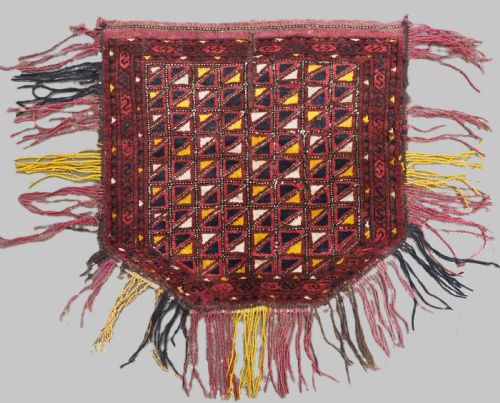


Antique Asian Tribal Mat
When you search for an antique asian tribal mat, you explore hand-knotted rugs, saddle covers, and embroideries created by nomadic groups across Central Asia.
Antique Asian Tribal Mat
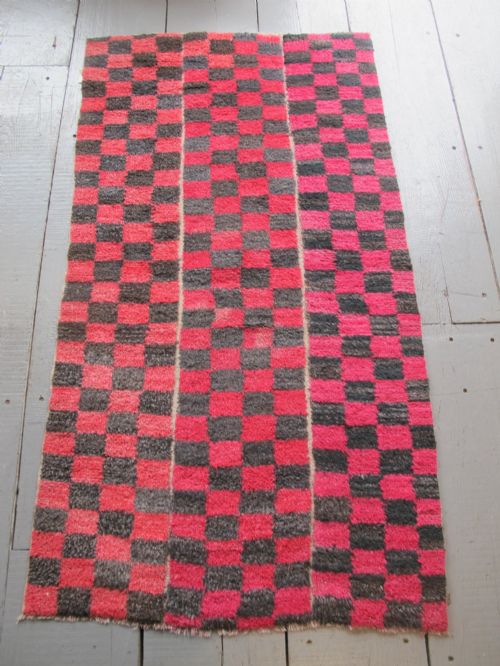
An antique asian tribal mat encompasses diverse utilitarian textiles produced by nomadic and village weavers across Central Asia, including Turkmenistan, Afghanistan, and Uzbekistan. These items range from large carpets and prayer rugs to smaller bag faces, torbas, and saddle covers intended for daily nomadic life.
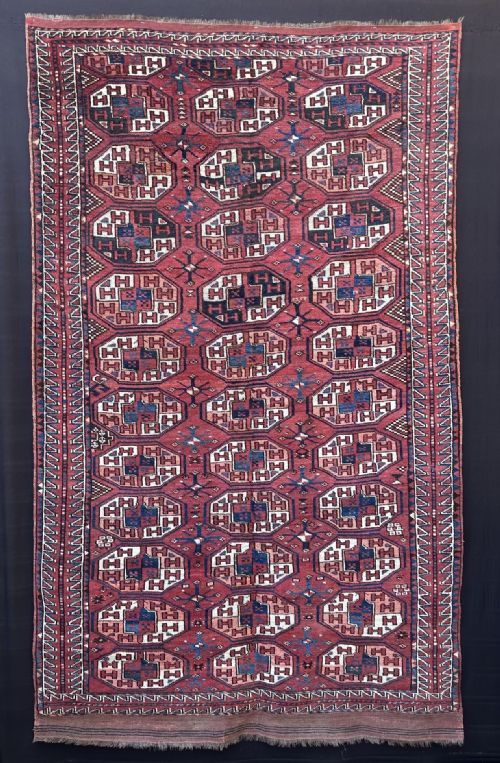
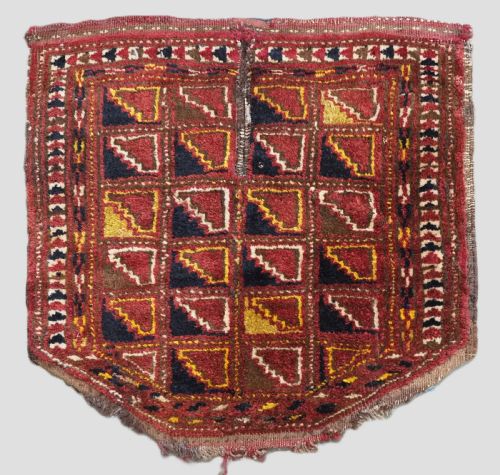
Buyers are most likely to encounter Turkmen and Afghan tribal weavings dating from the late nineteenth century to the early twentieth century. Examples such as Yomut, Ersari, and Kizil Ayak prayer rugs or bag faces appear frequently on this page, often displaying distinctive geometric gul motifs and rich red grounds.
How they were made
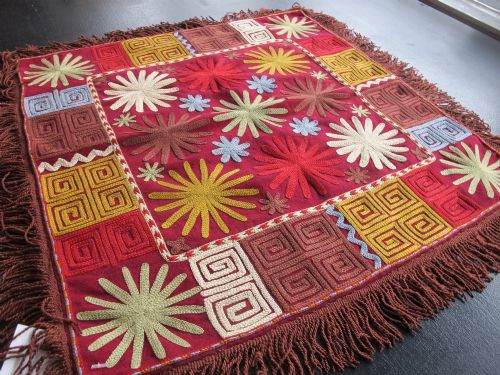
Weavers utilised local materials, predominantly hand-spun wool and cotton, alongside natural dyes to create durable floor coverings and household textiles. Certain pieces incorporate silk embroidery on cotton grounds, particularly in Uzbek Suzanis and Lakai examples.
Techniques varied from standard pile knotting on rugs and carpets to flat-woven soumak, kilim structures, and intricate needlework. Original tassels, long kilim ends, and structural details often survived on well-kept saddle covers and bag faces.
Antique Asian Tribal Mat Retail Price Guide 2026
Typical asking prices for asian tribal mat among the pieces listed under this phrase on Sellingantiques today, from the lower quarter to the upper quarter. They describe what is for sale here now, not the wider market.
Listings feature pieces woven from wool, cotton, and silk, employing natural dyes across Afghan, Turkmen, and Uzbek traditions.
What varies in quality
Quality rests upon the precision of the weave, the depth and clarity of the natural dyes, and the integrity of the design layout. Finer examples display tightly packed knots and balanced proportions within complex tribal guls or prayer mihrabs.
The preservation of original elements, such as borders, tassels, and kilim ends, elevates certain pieces above standard production. The crispness of archaic drawing and the saturation of the red wool ground differentiate standard village work from superior tribal weaving.
The Antique Asian Tribal Mat Glossary
- Gul
- A primary octagonal medallion motif repeated across Turkmen and Central Asian carpets. It often identifies the specific tribe or clan that wove the textile.
- Mihrab
- The arched niche design found on prayer rugs, representing the direction of prayer. Central Asian examples frequently incorporate rams horn or double lantern motifs within this arch.
- Torba
- A small storage bag face produced by nomadic tribes for tent decoration and utility. These rectangular panels usually feature detailed geometric patterning.
- Suzani
- A large embroidered wall hanging or textile panel from Uzbekistan. They are typically stitched in silk thread on a cotton or linen ground.
- Soumak
- A flat-weaving technique that wraps supplementary weft threads over the warp to create a textured, durable surface. It is often seen on Yomut kilims and bag faces.
Antique Asian Tribal Mat: Frequently Asked Questions
How were tribal rugs used?
Nomadic groups utilised these textiles as floor coverings, animal trappings, bedding, and storage bags inside tents. Smaller formats served as prayer mats or meditation rugs for daily religious and personal practice.
Over time, these functional objects became essential elements of interior decoration, valued for their rich colours and geometric artistry.
How do I identify a prayer rug?
Prayer rugs feature a distinctive arched mihrab at one end, which the weaver designed to direct towards Mecca during daily devotions. Many examples also include mosque lamps, double niches, or rams horn motifs inside the arch.
These compositions distinguish personal devotional textiles from general floor carpets and utilitarian bag faces.
What are Turkmen guls?
Guls are repeated octagonal medallions woven into the field of Central Asian carpets and bag faces. Each tribal group, such as the Yomut, Ersari, or Tekke, utilised its own characteristic gul design.
Recognising these primary motifs helps collectors attribute a textile to a specific region or nomadic confederation.
How do I care for an antique mat?
Protect antique wool and natural dye textiles by keeping them out of direct sunlight to prevent colour fading. Gentle vacuuming without a rotating brush roll helps remove embedded dust.
Professional textile conservators should handle any deep cleaning or structural repairs to preserve the original pile and edges.