






Hand Woven Prayer Carpet
When you search for a hand woven prayer carpet, you are entering a tradition of portable architecture designed for personal devotion.
Hand Woven Prayer Carpet
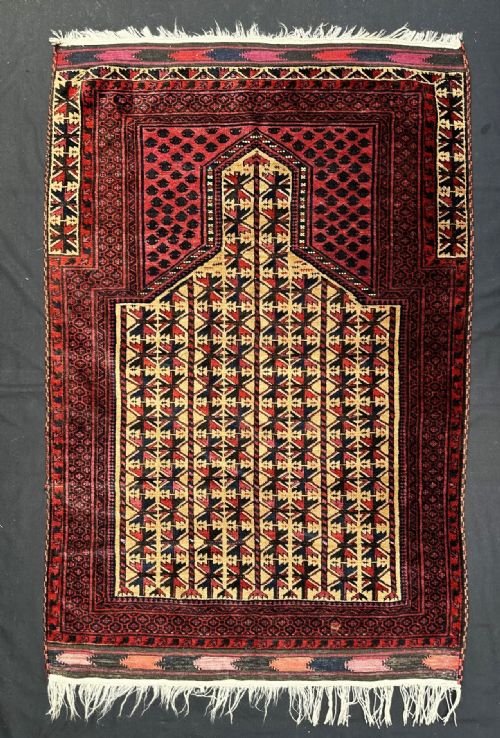
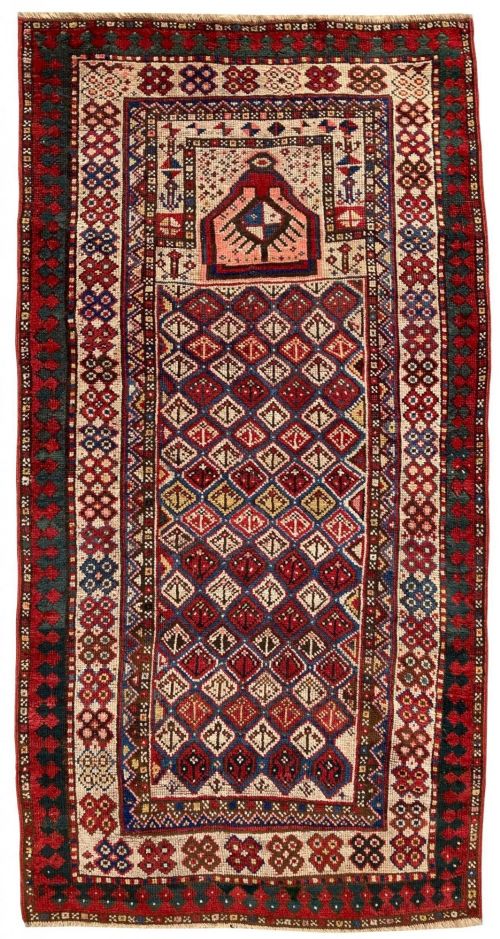
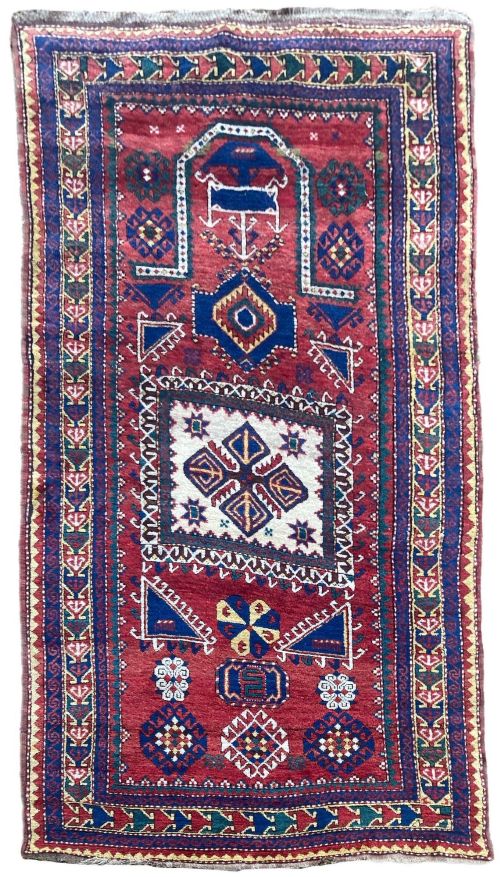
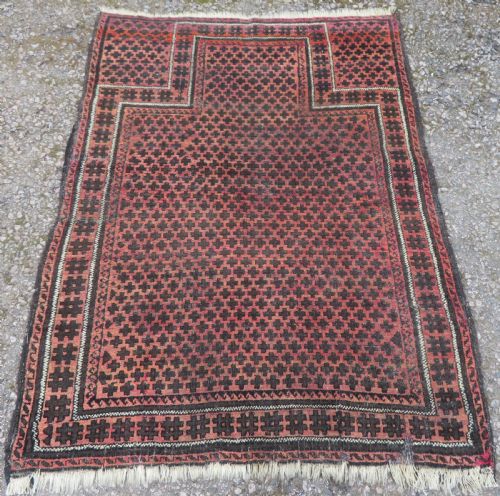
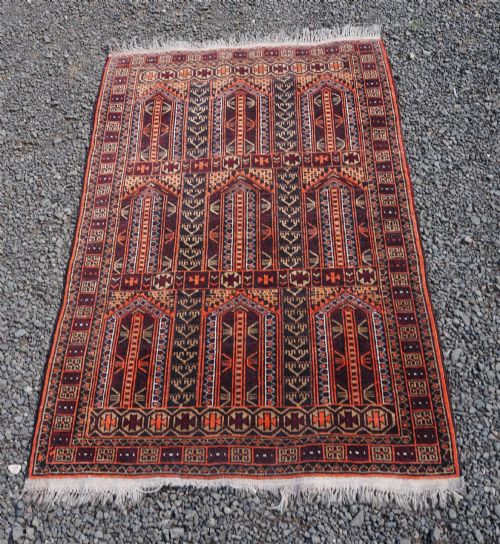
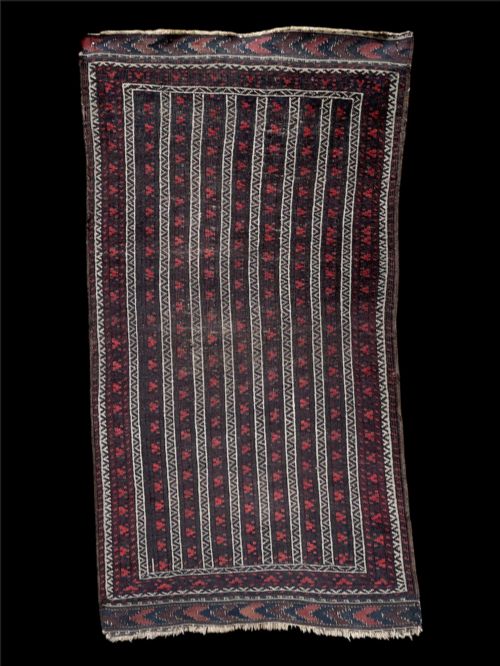
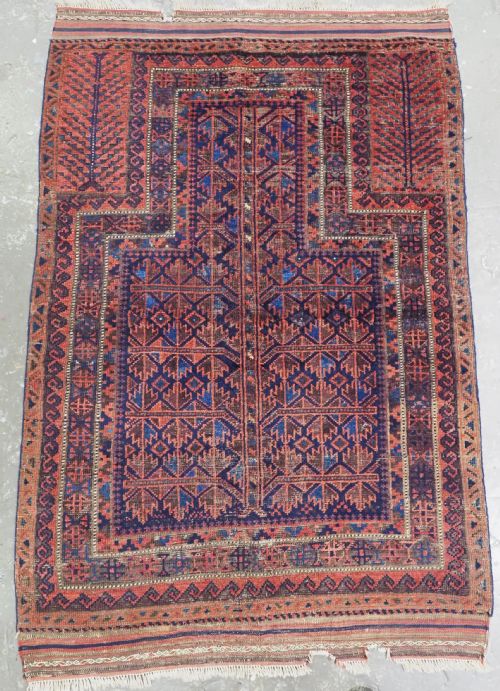
A hand woven prayer carpet serves as a distinct textile designed for ritual worship, typically defined by a characteristic arch motif known as the mihrab that directs the user towards Mecca. On this page, buyers encounter woven examples originating from Anatolia, the Caucasus, and tribal regions of Afghanistan and Persia.
The format primarily manifests as smaller formats suited for kneeling, produced across the nineteenth and early twentieth centuries by village and nomadic weavers. These textiles incorporate regional designs such as the single mihrab, multiple mihrabs, or tree of life motifs worked into wool foundations.
How they were made
Weavers constructed these pieces utilising hand-spun wool, cotton, and occasionally silk or goat hair for foundations and pile. Natural dyes impart the rich colour palettes seen across the grounded tones of camel hair and deep indigo fields.
The construction relies on manual knotting techniques executed on vertical or horizontal looms by tribal groups and village workshops. These methods produce dense textile structures intended to withstand generational use.
Hand Woven Prayer Carpet Retail Price Guide 2026
Typical asking prices for hand woven prayer carpet among the pieces listed under this phrase on Sellingantiques today, from the lower quarter to the upper quarter. They describe what is for sale here now, not the wider market.
Some tribal weavers tucked tiny protective amulets directly into the geometric borders of their prayer rugs.
What varies in quality
The nuance in quality stems from the fineness of the knotting and the complexity of the drawing within the central field. Superior examples display precise geometry in tribal borders and sophisticated rendering of architectural prayer arches.
Another measure of distinction lies in the saturation and depth of the natural dye palette, alongside the integrity of the original wool supply. Tighter weaves and well-preserved structural edges elevate an example above standard village output.
The Hand Woven Prayer Carpet Glossary
- Mihrab
- The arched niche depicted on a prayer rug which symbolises the direction of prayer. This architectural element forms the focal point of the design.
- Baluch Tribal
- Woven pieces attributed to nomadic and semi-nomadic groups inhabiting the borderlands of Persia and Afghanistan. These textiles frequently utilise dark wool grounds and camel hair.
- Ghiordes
- An historic Anatolian weaving centre known for producing prayer rugs with distinctive stepped arches and knotted pile. Pieces from this tradition display refined floral and geometric borders.
- Natural Dyes
- Colourants derived from plant and insect sources utilised prior to the introduction of synthetic alternatives. These dyes age with a characteristic patina.
- Seh Mihrab
- A design layout featuring a triple arch motif across the upper field of the rug. This arrangement appears frequently in tribal prayer formats.
Hand Woven Prayer Carpet: Frequently Asked Questions
How were prayer carpets used?
These textiles served as portable prayer spaces for individuals during daily devotions. The directional arch oriented the user correctly regardless of location.
Owners rolled up and stored the carpets between prayer times to protect the pile from excessive wear. This careful handling preserved the integrity of the wool and dyes over decades of service.
How do I live with an antique rug?
Placing a quality underlay beneath the textile prevents slipping and cushions the natural wool pile against hard floors. Rotate the piece periodically to ensure even exposure to light and foot traffic.
Keep these carpets away from direct, harsh sunlight to maintain the depth of the natural dyes. Gentle vacuuming without a rotating brush roll maintains the surface without pulling the knots.
What is a mihrab design?
The mihrab represents the prayer niche found in mosques, translated into a portable format for personal worship. It directs the eye toward the upper pointed arch of the textile.
Weavers often filled this arch with symbols such as hanging lamps, trees of life, or geometric amulets. The specific drawing of the arch helps identify the regional origin of the weaving.
How do I distinguish regional styles?
Caucasian examples tend to exhibit bold, geometric motifs with saturated primary colours and crisp rectilinear borders. Anatolian pieces frequently display refined floral elements and softer village wool palettes.
Tribal Afghan and Baluch variations rely on darker camel hair grounds, indigo fields, and repeating octagonal forms. Examining the knot density and edge finish clarifies these geographic distinctions.